
Selecting a high-quality crochet bag kit requires looking beyond the attractive cover photo of the finished project. To ensure a frustrating-free crafting experience and a durable final product, you must carefully evaluate the physical tools and yarn fibers included in the package. A premium kit should provide ergonomic tools that match the physical demands of tight stitchwork, alongside structurally sound yarn that can support the weight of daily use without stretching out of shape.
By understanding how different hook materials, grip designs, and yarn fibers interact, you can easily distinguish a professional-grade kit from a cheap, generic alternative. This guide breaks down the essential components of a successful bag-making kit, helping you assess hook ergonomics, evaluate yarn structural integrity, and verify that you have all the necessary accessories to complete your project with ease.
Quick Guide: Core Components of a Good Crochet Bag Kit
When browsing for a crochet bag kit, several non-negotiable elements determine whether the project will be an enjoyable journey or a physical strain. The kit must balance user comfort with material durability, ensuring that every tool serves a specific structural purpose in the construction of the bag.
Products mentioned in this guide
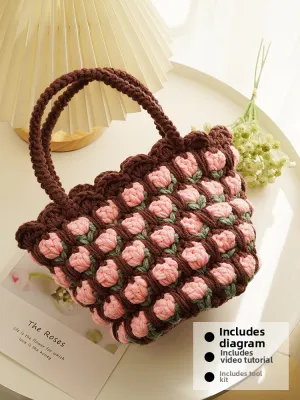
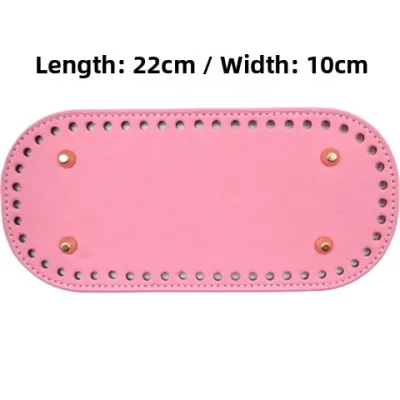
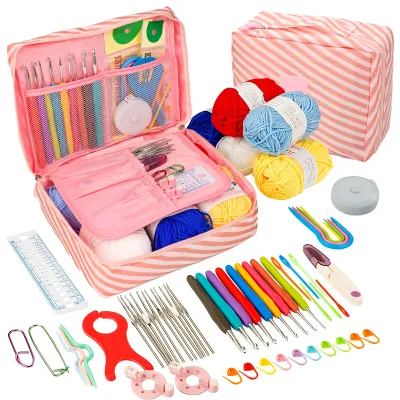
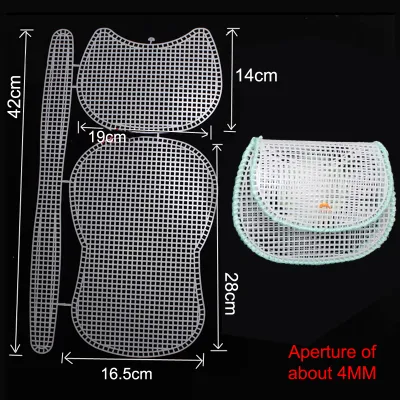
Prices are valid at publication and may change. Please refer to the product page for the latest price.
- Ergonomic and Durable Hooks: The kit should include hooks made from smooth, high-grade materials—such as polished aluminum—paired with comfortable, non-slip ergonomic handles. These handles are essential for reducing hand fatigue during the dense stitching required for bags.
- Structural Yarn Fibers: Look for kits that feature cotton, cotton-blend, or high-quality synthetic cord yarns. These fibers offer the necessary tensile strength, minimal stretch, and excellent stitch definition required to hold a bag's shape under load.
- Generous Yardage: A reliable kit always provides an extra 10% to 15% of yarn beyond the calculated pattern requirements to account for variations in individual tension.
- Clear Instructional Patterns: The pattern should be written in standardized terminology, accompanied by step-by-step photos, stitch diagrams, or video tutorial links.
- Essential Hardware and Accessories: High-quality kits go beyond yarn and hooks, including robust stitch markers, tapestry needles, and specialized bag hardware like D-rings, magnetic clasps, or pre-cut lining fabric.
How to Evaluate Crochet Hooks in a Kit
Hook Materials and Durability
The material of the crochet hook directly influences how smoothly the yarn glides across the shaft and how well the tool holds up under the high tension typical of bag making. Aluminum hooks are widely considered the industry standard for kits because they offer an exceptionally smooth, friction-free glide. This slick surface is particularly beneficial when working with grabby fibers like cotton or raffia, allowing you to maintain a rapid, consistent rhythm without snagging the yarn plies.

Bamboo and wooden hooks provide a different tactile experience, offering a warmer feel in the hand and a natural grip that prevents slippery yarns from sliding off too quickly. However, when making structured bags, wood and bamboo can present challenges. The high tension required for dense bag stitches can put immense stress on thin wooden hooks, risking breakage. Furthermore, if the wood is not meticulously polished and sealed, the fibers of cotton or linen yarns can catch on microscopic splinters, leading to split yarn and uneven stitches.
Plastic hooks are lightweight and highly affordable, making them common additions to budget-friendly kits. While they are perfectly adequate for thick, bulky yarns worked with loose tension, they are less suited for structured bag projects. Under heavy tension, plastic hooks tend to flex and bend, which distorts your stitch gauge and increases hand strain. Over time, the friction of the yarn can also wear down the plastic, creating rough spots that snag delicate fibers.
Ergonomics and Grip Design
Crocheting a bag is a physically demanding task because bag patterns rely heavily on tight, dense stitches like the single crochet, waistcoat stitch, or thermal stitch to create a solid fabric. Working these tight stitches with a standard, thin metal hook requires a tight pinch grip, which quickly leads to hand cramping, joint strain, and fatigue in the thumb and forearm. This is why the design of the hook handle is a critical indicator of a kit’s overall quality.
Standard inline or tapered hooks without handles are simple metal or plastic rods. While functional, they force your hand into a repetitive, tight gripping posture. In contrast, ergonomic hooks feature thickened handles made from soft elastomer, silicone, or molded plastic. These wider grips distribute the pressure across your palm, allowing you to maintain a relaxed grip while still exerting the force necessary to work through tight stitches.
When evaluating a kit, look closely at the grip materials. High-quality ergonomic handles feature a matte, non-slip texture that prevents your fingers from sliding, even if your hands become warm or damp. Cheaper kits often include hard plastic handles with prominent manufacturing seams that can chafe your fingers during long crafting sessions. Reading user reviews or checking detailed product photos for seamless, soft-touch handles is an excellent way to verify comfort before purchasing.
Size Range and Bag-Making Suitability
A comprehensive crochet bag kit must include hook sizes that are perfectly calibrated to the yarn weight and the desired density of the finished bag. Most standard bag patterns utilize mid-to-large hook sizes, typically ranging from 3.5mm to 6.0mm. These sizes are ideal for working with worsted weight cotton, nylon cord, or t-shirt yarn, allowing you to build a sturdy, thick fabric relatively quickly while maintaining a comfortable hand movement.
However, a single hook size is not always sufficient for a complex bag project. Many high-quality bag designs require smaller hooks, such as 2.0mm to 3.0mm, for specific structural elements. These smaller sizes are used to create tight, rigid handles that will not stretch out when carried, or to work detailed edging, lace overlays, and secure pockets. A kit that includes a versatile range of hook sizes offers much greater utility, allowing you to adjust your tension precisely where the pattern demands it.
Before purchasing a kit, always cross-reference the included hook sizes with the specific requirements of the pattern. If a pattern calls for a 4.0mm hook to achieve the correct gauge, but the kit only provides a 5.0mm hook, your finished bag will turn out larger, looser, and structurally weaker than intended. A quality kit will explicitly state the hook sizes included and explain how they relate to the gauge of the project.
Assessing Yarn Quality and Brand Indicators
Fiber Content and Structural Integrity
The choice of fiber in a crochet bag kit determines how well the finished bag will hold its shape, how much weight it can carry, and how easy it will be to clean. Cotton and cotton-blend yarns are the gold standard for bag making. Cotton fibers possess very little natural elasticity, meaning that once they are crocheted into a dense fabric, they resist stretching under the weight of heavy items like books, water bottles, or laptops. Additionally, cotton offers superb stitch definition, making intricate stitch patterns stand out sharply, and it is highly resistant to pilling.
Acrylic yarns are incredibly popular in beginner kits due to their affordability, softness, and vast color selection. While acrylic is easy to care for and gentle on the hands, it has a natural elasticity that can be problematic for bags. A tote bag made entirely of standard acrylic yarn will inevitably sag and stretch out of shape when loaded with daily essentials. If a kit uses acrylic yarn, it should ideally be a highly structured, tightly spun variety, or the pattern should include instructions for adding a fabric lining to support the weight.
Wool and other animal fibers are occasionally found in specialty bag kits, offering unique textures and a rustic, cozy aesthetic. However, wool requires careful hand washing and is prone to felting and pilling with repeated friction. In warm, humid climates like Singapore, heavy wool bags can also feel impractical and are susceptible to mildew if stored in closed wardrobes without proper ventilation. For tropical environments, lightweight, breathable, and moisture-resistant fibers like cotton, linen, or synthetic raffia are far more practical choices.
Yarn Weight and Tension Requirements
To create a bag that is functional and secure, the fabric must be dense enough to prevent small items—like pens, lip balms, or keys—from slipping through the gaps between stitches. This density is achieved through a careful balance of yarn weight and tight tension. Quality kits typically utilize worsted weight (Medium 4) or bulky weight (Bulky 5) yarns, which provide the physical thickness needed to build robust, self-supporting bag walls.
Achieving the correct tension requires matching these thick yarns with a slightly smaller hook than you would normally use for a garment. For example, while a worsted weight cotton yarn is typically worked with a 5.0mm hook for a soft, drapey blanket, a bag pattern might instruct you to use a 3.5mm or 4.0mm hook. This deliberate downsizing forces the stitches closer together, creating a stiff, fabric-like texture that minimizes stretching and eliminates see-through gaps.
When evaluating a kit, verify that the provided yarn weight matches the recommended gauge in the pattern. If the kit includes a thin, sport-weight yarn but promises a large, sturdy beach tote, the resulting fabric may be too flimsy unless worked with multiple strands held together. A quality kit will clearly explain the relationship between the yarn weight, the hook size, and the target gauge, guiding you on how to test your tension before starting the main project.
Identifying Reliable Yarn Brands vs. Generic Options
One of the easiest ways to spot a low-quality crochet kit is by examining the yarn labels. Cheap, generic kits often include yarn skeins that are completely unlabeled or wrapped in simple paper bands with no technical information. This lack of labeling makes it impossible to verify the fiber content, weight classification, or yardage, leaving you in the dark if you need to purchase more yarn to finish the project.
Reliable kits feature yarn from established, reputable brands or provide custom-branded yarn with fully detailed labels. A proper yarn label should clearly display:
- Fiber Content Percentages: For example, "100% Mercerized Cotton" or "60% Cotton, 40% Acrylic."
- Standard Weight Symbols: The Craft Yarn Council (CYC) number category (e.g., a yarn basket icon with a number 4 for worsted weight).
- Total Yardage or Meterage: The exact length of the yarn in the skein, allowing you to verify that you have enough material.
- Dye Lot Numbers: A critical code indicating that the skeins were dyed in the same vat. Using different dye lots can result in subtle but highly visible color shifts across your finished bag.
Before committing to a kit, research the yarn brand online. Crafting communities and forums offer invaluable feedback on whether a specific yarn is prone to splitting, shedding, or fading. If the kit uses a completely unknown or unbranded yarn, look for close-up photos of the yarn plies; a high-quality yarn should be tightly spun with multiple plies twisted together, rather than a loose, single-ply roving that will easily pull apart under tension.
Essential Accessories and Pattern Clarity
A truly comprehensive crochet bag kit should provide a complete, self-contained crafting experience, saving you from having to make extra trips to a craft store. Beyond the basic yarn and hooks, look for kits that include essential small tools. Locking stitch markers are absolutely vital for bag making, as many patterns are worked in continuous rounds where finding the start of a row is impossible without a physical marker. A sturdy, large-eye tapestry needle is also essential for weaving in yarn tails and sewing handles or pockets securely to the bag body.
The clarity and format of the instructional pattern are just as important as the physical materials. A high-quality kit should offer multiple ways to learn, catering to different learning styles. Written instructions should use standardized terminology (clearly stating whether they use US or UK crochet terms) and be accompanied by clear, high-resolution step-by-step photographs. For complex construction steps—such as shaping a flat oval base or joining a zipper—the inclusion of stitch diagrams or QR codes linking to exclusive video tutorials adds immense value.
Finally, pay close attention to the inclusion of specialized bag hardware. A basic crochet bag can be elevated into a professional-grade fashion accessory with the addition of the right hardware. Look for kits that include:
- Metal D-Rings and Swivel Clasps: These allow you to attach and detach shoulder straps easily, preventing the straps from twisting.
- Magnetic Snaps or Zipper Closures: These secure the opening of the bag, protecting your belongings.
- Pre-Cut Fabric Linings: A fabric lining is the ultimate way to prevent a crochet bag from stretching out of shape. Kits that provide a pre-cut lining—or a clear template and instructions on how to sew one—are highly superior to those that leave the interior raw.
Matching the Kit to Your Skill Level and Project Goals
To ensure a successful and satisfying project, it is crucial to match the kit’s complexity and materials to your current skill level and long-term crafting goals. Choosing a kit that is too advanced can lead to frustration, while a kit that is too simple might not offer the durability or style you desire.
| Skill Level | Recommended Hook Type | Recommended Yarn Fiber | Ideal Bag Style | Key Features to Look For |
|---|---|---|---|---|
| Beginner | Smooth aluminum hook with a basic, comfortable grip | 100% cotton or tightly spun cotton-acrylic blend | Simple flat tote, market bag, or basic clutch | Step-by-step video tutorials, minimal assembly, no complex hardware |
| Intermediate | Ergonomic elastomer-grip hook (3.5mm to 5.0mm) | Mercerized cotton, nylon cord, or sturdy raffia | Structured bucket bag, crossbody bag, or backpack | Stitch markers, basic hardware (D-rings, snaps), clear written patterns |
| Advanced | Premium ergonomic hooks with specialized sizes | Premium linen blends, thick t-shirt yarn, or leather accents | Intricate tapestry crochet bags, cabled handbags, or lined satchels | Pre-cut fabric lining, advanced hardware, detailed stitch charts |
Beginners should focus on kits that prioritize learning the foundational stitches without the distraction of complex assembly. A simple market bag made with a basic cotton yarn is an excellent starting point, as the open mesh stitches are highly forgiving of minor tension variations. Look for kits that explicitly state “beginner-friendly” and provide comprehensive video support to guide you through every single stitch.
If you are an experienced crafter looking to create a highly functional, everyday handbag, seek out kits that feature premium, low-stretch fibers like mercerized cotton or structured nylon cord. These kits should include ergonomic hooks to protect your hands during the dense stitching, along with professional hardware and lining materials. By carefully matching the kit’s components to your skill level and project goals, you will ensure a rewarding crafting process and a beautiful, long-lasting bag that you can wear with pride.
Frequently Asked Questions (FAQ)
Can I substitute the yarn in a crochet bag kit with a different brand?
Yes, you can substitute the yarn in a crochet bag kit with a different brand, but you must match the original yarn’s weight classification and fiber content as closely as possible to preserve the bag’s structure. For example, if the kit utilizes a worsted weight (Medium 4) 100% cotton yarn, you should substitute it with another worsted weight cotton rather than an acrylic or wool yarn, which will stretch differently under load.
Before starting the actual bag, always crochet a small gauge swatch with your substitute yarn and the recommended hook. Measure your stitches and compare them to the pattern’s gauge specifications. If your swatch is too loose, your bag will turn out larger and less sturdy; in this case, you should switch to a smaller hook size to achieve the correct density.
Are inline or tapered crochet hooks better for making bags?
Inline and tapered hooks have different head shapes, and the choice between them depends on your personal stitching style and tension control. Inline hooks have a deeper, flatter throat and a thumb rest that aligns perfectly with the hook head. This design helps maintain a highly uniform stitch size, which is incredibly useful for creating the tight, consistent, and structured fabric required for durable bag walls.
Tapered hooks feature a rounded head and a shallower, smoother throat. This shape allows the yarn to glide off the hook more quickly, enabling faster stitching. However, because the shaft tapers, maintaining a perfectly consistent tension can be more challenging for beginners. If you tend to crochet very tightly, a tapered hook can help you slide into tight stitches more easily, whereas an inline hook is excellent for crafters who want strict control over their stitch uniformity.
What should I do if the kit's yarn runs out before finishing the bag?
If you run out of yarn before completing your bag, the first step is to check the yarn band for the exact brand name, color name or code, and dye lot number. You can then search online craft stores or local specialty shops to purchase an additional skein of the exact same dye lot to ensure a perfect color match.
If the exact dye lot is unavailable, you can use creative blending techniques to hide the color transition. Try alternating rows of the old and new dye lots for a few transition rows, which makes any subtle color variation look intentional. Alternatively, you can embrace a color-blocked design by using a contrasting color of the same yarn weight to complete the bag’s handles, border, or pockets, turning a material shortage into a unique design feature.

Community discussion
Share your experience or ask a question. Comments are reviewed before publication.