
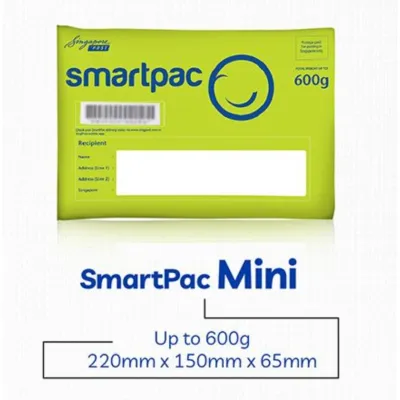
A SmartPac Mini is designed for small, lightweight, and relatively flat items that can comfortably slide into a compact, prepaid postal mailer. It is a highly convenient shipping solution for Singapore-based e-commerce sellers, hobbyists, and individuals sending items like sticker sheets, enamel pins, thin cosmetics, single lightweight garments, or small accessories. However, because automated sorting machines strictly enforce thickness limits, successfully using this mailer depends entirely on understanding how your items behave under pressure and how much usable space remains once the adhesive flap is sealed.
Understanding SmartPac Mini Size Constraints
To avoid shipping delays or returned packages, you must distinguish between the mailer’s external dimensions and its actual internal usable space. While the outer measurements of a SmartPac Mini might suggest a generous surface area, the internal capacity is significantly smaller. Because the plastic material has limited elasticity, placing any three-dimensional item inside will pull the sides inward, reducing both the effective length and width.
Before purchasing these prepaid mailers in bulk, it is highly recommended to verify the latest official length, width, maximum thickness (often referred to as the gusset expansion limit), and weight limits directly from the postal provider’s official website. These specifications can occasionally be updated to match changes in automated sorting infrastructure.
Products mentioned in this guide
![*FREE SHIPPING* [CHOOSE OPTION] Singapore Post Smartpac Small Smartpac Medium Mini Lite 600g 1kg Singpost Smart pac Sing Post PolyM Poly M](https://img.lazcdn.com/g/p/ca35df7d5aaeef118422794879cc317a.jpg_400x400q80.jpg_.webp)
Prices are valid at publication and may change. Please refer to the product page for the latest price.
Another critical factor is the sealable adhesive flap. The flap requires a specific amount of clearance to fold over and adhere securely to the back of the bag. If you pack your items right up to the physical edge of the opening, you will not have enough material left to create a secure, tamper-evident seal. This reduces the practical depth of the bag by several centimeters.
Finally, keep in mind that automated sorting machines process these mailers at high speeds. If a package is unevenly stuffed or exceeds the maximum allowable thickness at any single point, it will fail to pass through the sorting slots. The mailer must lie relatively flat, with a uniform thickness across its entire surface, to ensure smooth transit through the postal network.
Ideal Items to Pack in a SmartPac Mini
This section will dive into the specific categories of items that thrive within these physical boundaries. If you are running a small business or sending a gift to a friend, matching your inventory to the right packaging is key to keeping your shipping costs predictable.

Stationery, Crafts, and Small Accessories
Flat, compact, and lightweight goods are the absolute best match for this mailer size. If you are a stationery creator or jewelry maker, the SmartPac Mini is highly efficient. Items such as washi tape rolls (especially when flattened slightly or packed singly), sticker sheets, custom planner inserts, journaling cards, fountain pens, enamel pins, and delicate handmade jewelry fit beautifully.
These items are ideal because they naturally conform to the flat profile of the bag. They do not create rigid, protruding pressure points that might tear the plastic during automated sorting. Furthermore, because they are inherently thin, you can easily stay well within the strict thickness allowance without having to compress or squeeze the package.
To optimize this space, consider grouping multiple small items together. Instead of letting loose stickers or pins slide around individually, place them inside a single, thin inner protective sleeve or glassine bag. This keeps the contents organized, prevents shifting during transit, and ensures the package maintains a uniform, flat shape that easily slides through the sorting machines.
Lightweight Apparel and Soft Goods
You can also ship soft, fabric-based items in a SmartPac Mini, provided you select the right garments and fold them strategically. This is a popular choice for local fashion boutiques and independent designers sending small fabric accessories or minimalist apparel.
Excellent candidates for this mailer include single lightweight garments such as thin cotton t-shirts, socks, bandanas, silk scarves, pocket squares, and small fabric pouches. Because fabric is naturally flexible, it can easily adapt to the rectangular dimensions of the mailer.
To pack these items successfully, avoid folding them into thick, square blocks, which create a bulky bulge right in the center of the bag. Instead, use a flat-rolling technique or fold the garment into a wide, thin rectangle that matches the length and width of the mailer. This distributes the fabric’s volume evenly across the entire surface. Keep in mind that while fabric is highly forgiving, stacking multiple garments will quickly exceed the thickness limit. It is best to limit each SmartPac Mini to one or two very thin pieces.
What Not to Pack: Size and Safety Limits
Understanding what not to put in your SmartPac Mini is just as important as knowing what fits. Forcing incompatible items into this lightweight mailer can lead to damaged goods, torn packaging, or postal rejection.
Rigid or Bulky Items: Avoid shipping rigid items that cannot flex or conform to a flat profile. This includes thick hardcover books, large water bottles, ceramic mugs, or items already housed in bulky retail boxes. These rigid objects prevent the mailer from lying flat, place immense stress on the welded plastic seams, and are highly likely to be rejected by the postal service’s automated sorting systems.
Fragile Items: Do not use a SmartPac Mini to ship glass bottles, ceramics, delicate cosmetics in brittle packaging, or unprotected electronics. Flexible shipping bags are designed for convenience and tracking, not impact resistance. They offer absolutely zero crush, drop, or structural protection. Any external pressure applied during transit will be transferred directly to your item.
Overweight Items: Every prepaid mailer has a strict weight limit set by the postal provider. Exceeding this weight limit, even if the item physically fits inside, carries significant risks. The heavy contents can cause the plastic seams to burst when dropped or handled. Additionally, the postal service may reject the package outright, return it to your return address, or charge the recipient additional postage fees before delivery.
Sharp or Pointy Objects: Items with sharp corners, exposed pins, or pointed edges—such as metal sewing tools, unshielded keychains, or sharp hair accessories—should never be placed directly into the mailer. During the high-speed sorting process, these sharp points can easily puncture the flexible plastic from the inside, leading to lost contents and damaged mail.
How to Measure and Prep Items for a Perfect Fit
Before you seal your mailer and head to the posting box, taking a few minutes to measure and prepare your items will save you time and potential headaches. Following a systematic preparation routine ensures your package arrives safely and without postal delays.
Measuring: Start by laying your folded or prepped item flat on a table. Measure its maximum length, width, and height (thickness) using a ruler. Ensure that the length and width are at least two to three centimeters smaller than the internal dimensions of the SmartPac Mini. This margin is necessary because as the bag expands to accommodate the item’s thickness, the available length and width will shrink. You also need to leave enough clearance at the top for the adhesive flap to fold over naturally.
Thickness Test: Once your item is placed inside the mailer, conduct a simple flat-lay test. Place the bag on a flat surface. It should lie relatively flat without any severe bulges, and the plastic should not look stretched or strained at the seams. If you have to force the adhesive flap over the edge or use extra packaging tape to keep it closed, the item is too thick and violates the postal terms.
Inner Protection: Because Singapore’s tropical climate can bring sudden, heavy downpours, protecting your items from moisture is highly recommended. Place your goods inside a thin, waterproof polybag before sliding them into the SmartPac Mini. If you are shipping flat, bendable items like art prints, photos, or documents, insert a thin piece of rigid cardboard to stiffen the package and prevent bending.
Accounting for Packaging Volume: Remember that every layer of bubble wrap, tissue paper, or cardboard backing you add to protect your item also adds to the total thickness and weight. Always measure your item after it has been wrapped in its protective inner packaging to ensure it still fits comfortably within the SmartPac Mini’s limits.
When to Upgrade: SmartPac Mini vs. Larger Mailers
If your item is borderline or fails the thickness test, it is time to consider upgrading your packaging. Trying to squeeze an oversized item into a Mini to save on postage is a false economy that often results in damaged goods or returned mail.
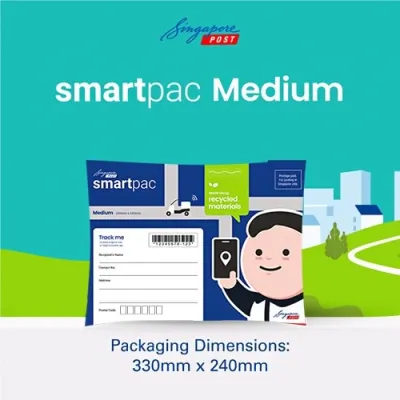
If your item is relatively flat but its length or width exceeds the Mini’s boundaries, upgrading to a standard SmartPac or a SmartPac Box is the logical next step. These larger prepaid options provide more surface area and higher weight allowances while maintaining the convenience of trackable, letterbox-friendly delivery.
However, if your item is thick, highly rigid, fragile, or valuable, you should abandon flexible plastic mailers entirely. Instead, transition to a sturdy, corrugated cardboard box paired with appropriate cushioning materials like bubble wrap or packing peanuts. You can then ship this box using a standard parcel service or courier.
While upgrading to a larger mailer or a boxed service may carry a slightly higher upfront cost, it is far more cost-effective than dealing with the aftermath of a damaged product, a lost shipment, or a frustrated customer.
Frequently Asked Questions (FAQ)
What happens if my SmartPac Mini bag is too thick to seal properly?
If your mailer is overstuffed and cannot be sealed naturally using the integrated adhesive strip, it is highly likely to be rejected at the post office or drop-off point. Even if it is accepted, over-thickness can cause the bag to get caught in automated sorting machines, leading to torn packaging or lost items. Do not attempt to force the seal with extra packing tape, as this violates postal guidelines and may result in the package being returned to you with additional handling fees. Instead, remove some items or upgrade to a larger packaging size.
Can I use a SmartPac Mini for shipping fragile items like glass bottles?
No, you should never use a SmartPac Mini or any other flexible shipping bag to ship fragile items like glass bottles, ceramics, or delicate electronics. These plastic mailers lack structural rigidity and offer no protection against drops, impacts, or heavy pressure from other mail bags during transit. Fragile items must be packed inside a rigid corrugated cardboard box, wrapped securely in bubble wrap, and surrounded by sufficient void-fill material to prevent movement.

Community discussion
Share your experience or ask a question. Comments are reviewed before publication.