
Finding the right watercolour brushes in Singapore requires looking past generic brand rankings and focusing on how a brush is built, what it is made of, and how it matches your current painting style. Because watercolour painting relies heavily on water control, the physical characteristics of your brush—such as its water capacity, springiness, and tip shape—will directly impact your painting experience. Whether you are shopping at a local art supply store in Bras Basah or browsing online marketplaces, understanding these technical details will help you invest your money wisely.
Rather than searching for a single universal brand, your goal should be to find a brush that behaves predictably on your paper. Different techniques require different tools; a brush that is excellent for broad, wet-on-wet washes may be entirely unsuitable for fine detail work. By learning to evaluate brush construction and material performance, you can build a versatile collection of tools tailored to your specific artistic goals.
Understanding Brush Materials and Construction
The performance of any watercolour brush is determined by the type of hair used in its brush head. Natural hair and synthetic alternatives behave differently when they come into contact with water and paper. Natural hair, such as sable or squirrel, possesses microscopic scales along each strand that naturally hold and slowly release water. Kolinsky sable is highly regarded for its exceptional “spring” or “snap”—the ability of the hairs to return to a crisp point after a stroke—and its superior water retention. Squirrel hair holds an even larger volume of water but has very little spring, making it ideal for loose, flowing washes where a sharp point is not constantly required.
Products mentioned in this guide
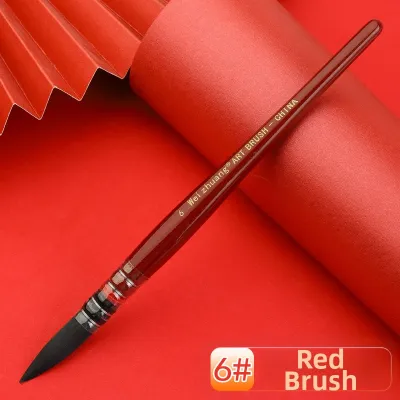
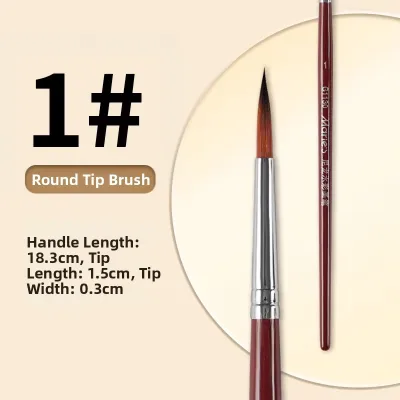
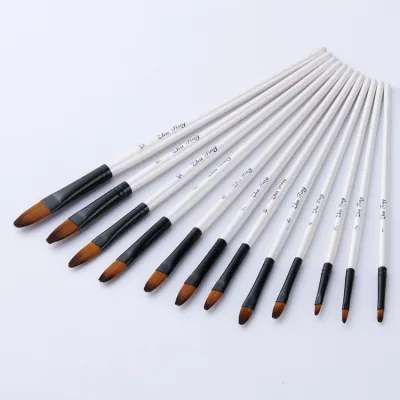
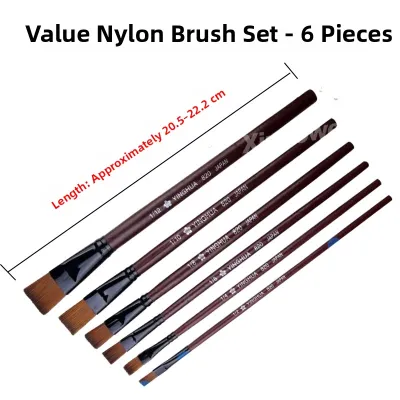
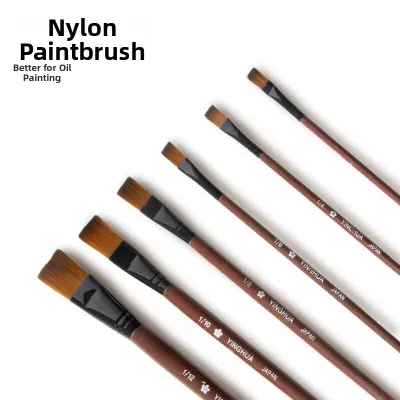

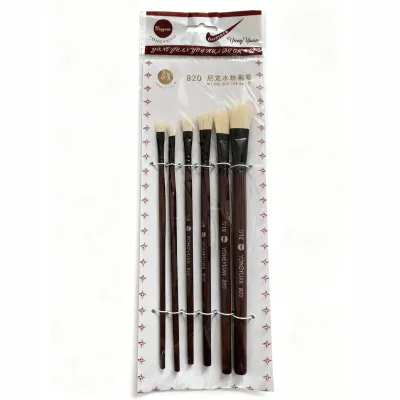
Prices are valid at publication and may change. Please refer to the product page for the latest price.
Modern synthetic brushes, typically made from polyester or nylon filaments, have improved significantly. High-quality synthetics are engineered to mimic the structure of natural hair, offering excellent spring and durability at a more accessible price point. While basic synthetics may release water more quickly and less evenly than natural hair, advanced synthetic blends provide a balanced middle ground, offering a predictable flow of paint and a resilient tip that maintains its shape over long painting sessions.
Beyond the hair, you must inspect the physical construction of the brush to ensure its longevity. The ferrule—the metal band that connects the hair to the handle—should be seamless and securely crimped. Seamless ferrules made of nickel-plated brass or copper are highly resistant to rusting and splitting, whereas cheap aluminum ferrules with visible seams are prone to bending and trapping water, which can lead to rust. The handle, usually made of hardwood or acrylic, should feel balanced in your hand. For watercolour painting, short handles are standard because they allow you to work closely and precisely on a flat or slightly tilted paper surface.
When evaluating a brush in person, look closely for visible signs of poor construction. Gently tug on the brush head; a poorly made brush will shed loose hairs immediately. Inspect the base of the ferrule where the hair enters; any visible glue seepage indicates sloppy manufacturing that can cause the hairs to split or break. Finally, look at the tip of the brush to ensure there are no stray, bent, or misaligned hairs that will ruin your paint strokes.
Matching Brand Tiers to Your Skill Level
Watercolour brush brands generally fall into student-grade and professional-grade tiers, each serving a distinct purpose in an artist’s journey. Student-grade brands focus on durability, ease of maintenance, and cost-effectiveness. These brushes almost exclusively use synthetic fibres or synthetic-natural blends. They are designed to withstand the rougher handling typical of beginners, such as leaving the brush face-down in a water jar or using heavy scrubbing motions on rough paper. Starting with student-grade brushes allows you to practice foundational techniques without the fear of damaging an expensive tool.

Professional-grade brands prioritize performance, using premium natural hairs or highly advanced synthetic mimics. These brushes offer maximum water capacity, allowing you to paint large areas without constantly reloading your brush, and they maintain an incredibly sharp point for precise detail work. However, professional brushes require a higher financial investment and more meticulous care. The delicate natural hairs can easily be damaged by harsh soaps, hot water, or abrasive scrubbing techniques.
As your skills progress, you do not need to replace your entire brush collection at once. A practical transition strategy is to continue using student-grade brushes for broad washes and background work, while investing in one or two high-quality, professional-grade round brushes for your primary detail and line work. A single, well-made professional round brush (such as a size 6 or 8) can often perform the work of several cheaper brushes, making it a highly effective first upgrade.
When planning your budget, consider that a high-quality brush is a long-term investment. While a cheap synthetic brush may need to be replaced every few months as the tip curls and loses its shape, a well-maintained professional brush can last for years. Balancing your collection with a mix of durable synthetic brushes for heavy use and premium brushes for delicate work is often the most cost-effective approach for developing artists.
Practical Checklist for In-Store and Online Purchases
Shopping for watercolour brushes in Singapore can be done in physical art supply shops or via online marketplaces. Each method requires a different verification strategy to ensure you receive a genuine, high-quality product. If you are shopping in a physical store, take advantage of the opportunity to inspect the brushes closely. Many specialty art stores provide water jars and scrap paper for testing. Dip the brush in water and flick it gently; a good round brush should instantly form a sharp, cohesive point without any stray hairs splitting away from the main body. Press the wet brush against the paper to test its spring; it should bend smoothly and snap back to its original shape when lifted.
When purchasing online, direct physical testing is impossible, making seller verification crucial. Only buy from official brand storefronts or authorized local distributors to avoid counterfeit products, which are common on major ecommerce platforms. Carefully read the product descriptions to verify the exact materials used. Be skeptical of listings that use vague terms like “premium hair” without specifying whether the fibres are natural or synthetic. Additionally, check the platform’s return policy to ensure you can return the brush if it arrives with bent hairs or a loose ferrule.
It is also important to understand that brush sizing is not standardized across different brands or regions. A “Round 8” brush from a European manufacturer may be significantly larger or smaller than a “Round 8” from a Japanese or American brand. To avoid purchasing the wrong size online, do not rely solely on the size number. Instead, look for the manufacturer’s specification chart, which lists the exact hair length (out of ferrule) and the ferrule diameter in millimetres. Comparing these physical measurements to a brush you already own will ensure you get the exact size you need.
Finally, consider Singapore’s humid climate when choosing and storing your brushes. High humidity can encourage mold growth on natural hair brushes and cause wooden handles to swell if they are not properly sealed. When buying online or in-store, check that wooden handles have a thick, intact layer of protective lacquer. Avoid brushes with raw or poorly varnished wood, as they will quickly degrade, crack, and lose their grip on the ferrule when exposed to local environmental conditions.
Decision Framework: Choosing Your Next Brush
To finalize your next watercolour brush purchase, use this structured framework to match your current needs with the right product category:
- Choose Student-Tier Synthetic Brushes If: You are a beginner learning basic wash techniques, you paint infrequently, you have a limited budget, or you prefer low-maintenance tools that do not require specialized cleaning solutions.
- Choose Professional-Tier Brushes If: You are focused on advanced techniques like glazing and fine detail work, you require maximum water retention for large-scale paintings, and you are committed to following a strict cleaning and storage routine.
- Verify Medium Compatibility First: If you are transitioning to watercolour from acrylic or oil painting, do not reuse your old brushes. Acrylic and oil brushes are typically made with stiff, coarse bristles designed to push heavy, viscous paint. Watercolour requires soft, highly absorbent hairs that can hold fluid washes without scratching or gouging the delicate surface of watercolour paper.
By applying these criteria, you can avoid the common pitfall of buying expensive tools before you need them, or conversely, struggling with low-quality brushes that hinder your artistic progress. Focus on building a small, functional set of brushes that you know how to use and maintain, and expand your collection gradually as your painting style evolves.
Frequently Asked Questions (FAQ)
Do I need to buy expensive natural hair brushes as a beginner?
No, beginners do not need to start with expensive natural hair brushes. Modern synthetic brushes are highly capable, durable, and much more forgiving of the accidental misuse that often occurs during the learning process. They are easier to clean, retain their shape well, and allow you to focus on mastering water control and colour mixing without the worry of damaging a costly investment. As your control improves, you can gradually introduce individual natural hair or premium synthetic blend brushes to your collection.
How should I clean and store my watercolour brushes to maintain their shape?
To protect your investment, always wash your brushes in cool or lukewarm water immediately after use; never use hot water, as it can melt the glue holding the hairs inside the ferrule. Gently reshape the damp brush head into its original point using your fingers. Store your brushes flat on a clean towel or suspend them head-down to dry. Never store wet brushes upright in a cup, as water will run down into the ferrule, dissolving the glue and causing the wooden handle to swell, rot, and crack. Once completely dry, you can store them upright in a well-ventilated area to prevent mold.

Community discussion
Share your experience or ask a question. Comments are reviewed before publication.