
Using your EZ-Link card to pay for your daily loaf of Gardenia bread in Singapore is a convenient option, but its availability depends entirely on the specific point-of-sale (POS) terminal setup at the retail counter. While EZ-Link is a staple for transit and is widely accepted across thousands of retail and food and beverage (F&B) merchants islandwide, standalone bakeries and dedicated brand outlets operate on varying payment infrastructures. Some locations may feature updated terminals that support the Contactless e-Purse Application Standard (CEPAS) system, while others might rely strictly on traditional cash, nets, or credit card networks.
Understanding how to navigate these payment options ensures you never get stuck at the cashier counter with a tray of fresh bread. Because Gardenia products are distributed both through dedicated brand outlets and major third-party retail chains, your payment experience can change depending on where you shop. If you prefer using your transit card for daily micro-transactions, knowing how to verify merchant acceptance and having a reliable backup payment method ready will make your daily grocery runs seamless and stress-free.
How to Check if a Gardenia Outlet Accepts EZ-Link
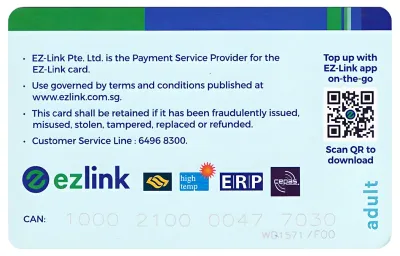
Before you queue up with your favorite loaf of bread, taking a few seconds to verify the accepted payment methods at the counter can save you time and prevent awkward moments at the register. The most direct visual indicator is the presence of official payment decals. Merchants that accept transit cards typically display the blue-and-yellow EZ-Link logo or the generic CEPAS logo prominently. Look for these stickers on the store’s glass entrance doors, near the cash register, or directly on the side of the payment terminal screen where you would tap your card.
Products mentioned in this guide
![[Exp: March 2030] Brand New EZ-Link Ezlink Blue Sanrio Hello Kitty 50th Anniversary EZ-Link Card Blue (Non SimplyGo)](https://img.lazcdn.com/g/ff/kf/Sffe01e531df94563abf64ba29a6c06d0N.jpg_400x400q80.jpg_.webp)
Prices are valid at publication and may change. Please refer to the product page for the latest price.
If you prefer planning your trip in advance, you can leverage digital tools provided by the card issuer. The official EZ-Link mobile application and the merchant locator on their official website maintain an updated directory of participating retail and F&B partners. By entering your current postal code or searching for the specific bakery brand name, you can check if the outlet is registered as an active merchant. Keep in mind that digital directories may occasionally experience lag in updating new store openings or terminal upgrades, so visual confirmation on-site remains the most reliable method.
When in doubt, a quick, polite inquiry with the counter staff before they scan your items is always the best approach. Simply asking the cashier if they accept EZ-Link or CEPAS cards allows them to confirm their current terminal status. Sometimes, a terminal might be temporarily offline or undergoing maintenance, even if the store officially supports the payment method. Confirming this beforehand ensures a smooth transaction and allows you to prepare an alternative payment method if the system is unavailable.
Reliable Alternative Payment Methods for Bakery Purchases
If you find that your local standalone bakery counter does not support transit card payments, having a robust set of alternative payment methods ensures you can complete your purchase without hassle. Contactless bank cards issued by local financial institutions are almost universally accepted across retail outlets in Singapore. Whether you prefer tapping a physical debit or credit card or using mobile wallets linked to your smartphone, these methods utilize standard near-field communication (NFC) technology and process transactions in seconds, offering a similar level of convenience to tapping a transit card.

Local mobile payment solutions, particularly those utilizing QR code scanning like PayNow or proprietary banking apps, serve as excellent backups. Most retail counters display a consolidated QR code label that allows you to scan and transfer funds directly from your preferred local bank account. This method eliminates the need to carry physical cards or cash, making it a highly popular choice for quick, low-value transactions like buying a single bun or a loaf of bread.
For those who prefer traditional payment methods, keeping a small amount of physical cash in your wallet is highly recommended. Carrying small denominations, such as S$2, S$5, or S$10 notes, along with some coins, is ideal for bakery purchases, which typically involve low transaction values. Cash remains a foolproof payment method that is accepted everywhere, ensuring you can always walk away with your purchase even during unexpected electronic payment network outages.
If using your EZ-Link card is your absolute preference for tracking your daily expenses, a highly reliable workaround is to purchase your pre-packaged Gardenia products at major supermarkets or convenience stores. Large supermarket chains across Singapore almost universally integrate CEPAS and transit card readers into both their manned cashier lanes and self-checkout kiosks. Buying your bread during your regular grocery run at these larger retail environments guarantees that you can tap your card successfully while enjoying the same fresh product selection.
Managing Your EZ-Link Balance for Retail Spending
Using a transit card for retail purchases requires a bit more active management than using a standard debit card, as transactions are limited by the physical balance stored on the card chip. To avoid the inconvenience of a declined transaction at the bakery counter, it is essential to monitor your real-time balance regularly. You can easily check your remaining funds by tapping your card at general ticketing machines located inside MRT stations, using self-service top-up kiosks, or scanning the card with an NFC-enabled smartphone via the official mobile app.
Understanding the standard top-up limits and maintaining a healthy buffer is key to seamless retail spending. Because transit cards are designed primarily for low-value daily commutes, users often keep only a small balance on them. However, if you plan to use the card for both your daily travel and grocery purchases, you should aim to maintain a higher average balance. Be aware of the maximum storage limits allowed on your specific card type to ensure you do not exceed the threshold during your next top-up session.
To eliminate the hassle of manual top-ups entirely, consider activating an automatic top-up service linked to your preferred local bank account or credit card. This feature automatically detects when your card balance falls below a certain threshold or when a transaction exceeds the remaining funds, instantly reloading a pre-set amount (such as S$10, S$20, or S$50) during a tap. Setting up this service ensures that your card always has sufficient funds, allowing you to tap confidently at the bakery counter without worrying about manual balance checks.
Frequently Asked Questions (FAQ)
Can I use my EZ-Link card to buy Gardenia bread at supermarkets?
Yes, buying your bread at major supermarket chains is one of the most reliable ways to use your transit card for these purchases. Unlike standalone bakery counters, which may have limited payment terminal setups, large supermarkets in Singapore almost universally accept EZ-Link and CEPAS cards at all checkout lanes, including self-service kiosks. This makes the supermarket checkout a highly dependable alternative if you want to pay using your transit card.
What should I do if my EZ-Link transaction fails at the counter?
If your card is declined or fails to register when tapped, first ensure that you are holding the card flat against the reader for a few seconds without moving it. If it still fails, check your balance via a mobile app to confirm you have sufficient funds to cover the purchase price. If the balance is sufficient but the transaction still fails, the terminal may be experiencing connectivity issues; in this case, smoothly transition to an alternative payment method like cash, a contactless bank card, or a mobile QR payment to avoid delaying other customers in the queue.

Community discussion
Share your experience or ask a question. Comments are reviewed before publication.