
Selecting the ideal universal zipper for your sewing project requires matching the zipper’s chain size to your fabric weight and measuring the precise opening of your pattern. A universal zipper, typically a nylon coil zipper, offers the flexibility needed for a wide range of everyday sewing tasks, but success depends on understanding how zipper sizing and length measurements function in practice. By matching the right size number to your fabric and measuring the opening correctly, you can ensure a smooth, professional finish that lasts.
Understanding Universal Zippers and Their Best Uses
A universal zipper is most commonly a nylon coil zipper, constructed from a continuous spiral of nylon monofilament sewn onto a polyester tape. This design makes the zipper incredibly flexible, lightweight, and strong enough for daily wear. Because the teeth are made of coiled nylon, they can bend easily with the drape of your fabric, making them the standard choice for most home sewing enthusiasts and garment makers.
These zippers are highly suited for lightweight to medium-weight materials such as cotton lawn, linen, polyester blends, and light wool. You will frequently find them used in everyday garments like skirts, dresses, trousers, and lightweight blouses. They are also excellent for home decor items like cushion covers, pillowcases, and the interior pocket linings of bags where bulk must be kept to a minimum.
Products mentioned in this guide
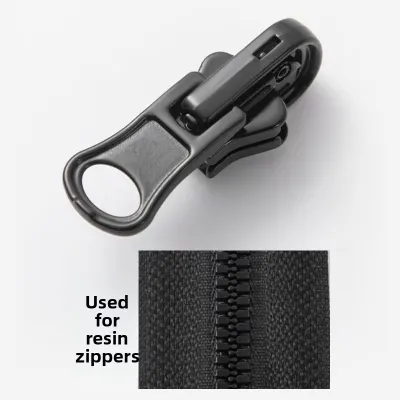
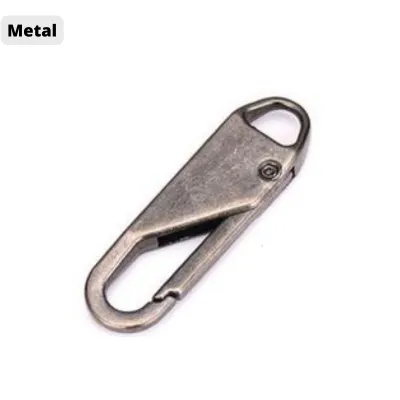
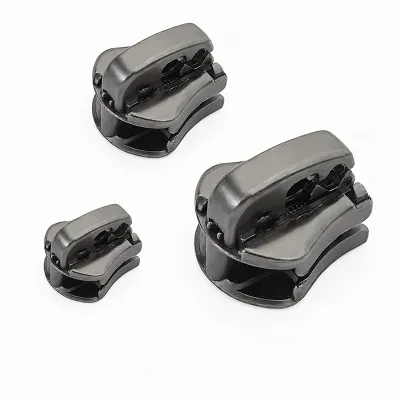
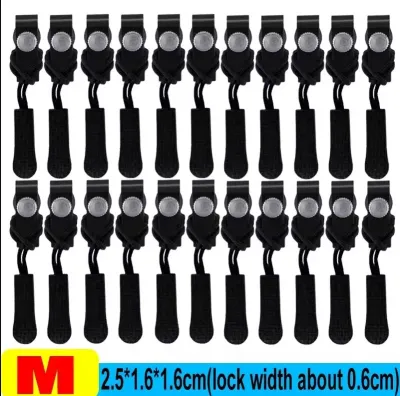
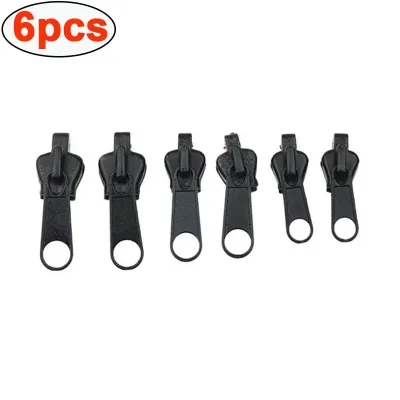
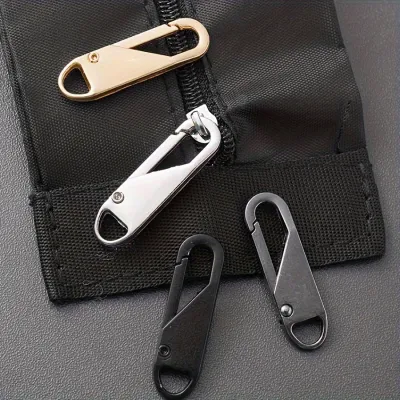
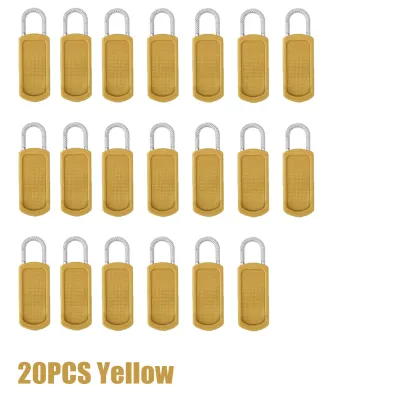
Prices are valid at publication and may change. Please refer to the product page for the latest price.
However, universal nylon coil zippers have clear limitations. They should not be used for heavy-duty applications that experience extreme tension or require rugged durability. For projects involving thick denim, heavy leather, canvas upholstery, or outdoor gear like tents and backpacks, you should avoid universal zippers. These high-stress items require specialized molded plastic or metal zippers that can withstand heavy pulling without splitting.
Decoding Zipper Sizes: What the Numbers Actually Mean
When shopping for a universal zipper, you will notice size numbers such as #3, #4.5, or #5. These numbers refer to the width of the closed zipper teeth (the chain) in millimeters, rather than the width of the fabric tape. For example, a #3 zipper has a closed chain width of approximately 3 mm, while a #5 zipper measures approximately 5 mm across the teeth.

Choosing the correct size number is essential for maintaining the drape and structure of your project. A #3 zipper is the standard choice for delicate or lightweight fabrics. Using a zipper that is too heavy, such as a #5, on a lightweight silk or chiffon dress will cause the seam to sag, pucker, and look bulky. Conversely, using a #3 zipper on a medium-weight canvas tote bag will likely result in the zipper teeth splitting open under the weight of the bag’s contents.
To match the zipper size to your fabric successfully, use a simple three-step check. First, feel the weight and stiffness of your fabric; lighter fabrics require smaller zipper numbers. Second, evaluate the stress the opening will face during use, as high-tension areas like fitted waistbands need a sturdier chain. Third, perform a quick drape test by laying the zipper tape against your fabric to ensure it does not stiffen or distort the natural fold of the material.
How to Determine the Correct Zipper Length for Your Pattern
Determining the correct zipper length is a critical step that must be completed before cutting your fabric. The official length of a zipper is measured strictly from the top stop to the bottom stop. It does not include the extra fabric tape at either end, which is designed to be sewn into your project’s seam allowances.
Standard zippers are sold in pre-cut, fixed increments, typically ranging from 10 cm to 60 cm or longer. To find the length you need, measure the actual opening of your pattern where the zipper teeth will be exposed. You must also calculate the required seam allowance above the top stop and below the bottom stop to ensure the zipper ends are cleanly enclosed within the garment’s seams.
If your project requires a non-standard length, it is always best to purchase a zipper that is slightly longer than needed. A longer nylon coil zipper can easily be shortened to the exact length of your opening during the sewing process. On the other hand, buying a zipper that is too short is a critical error, as it will restrict the opening, making garments difficult to put on and bags hard to access.
Matching Zipper Specs to Common Sewing Projects
To help you quickly select the right zipper for your next project, refer to this general decision matrix for common sewing tasks:
| Project Type | Recommended Zipper Size | Length Calculation Method | Key Considerations |
|---|---|---|---|
| Skirts & Dresses | #3 Nylon Coil | Opening length plus 2 cm seam allowance | Choose an invisible style for a seamless look |
| Cushion Covers | #3 or #5 Nylon Coil | Opening length minus 4 cm for hidden ends | Use #5 for heavy upholstery or outdoor fabrics |
| Tote Bags & Pouches | #5 Nylon Coil | Exact opening width of the bag mouth | Add fabric tabs to the ends for a clean finish |
| Lightweight Jackets | #5 Separating Nylon Coil | Full front opening length from hem to collar | Must be a separating style to open completely |
While this matrix serves as a reliable starting point, certain variables may require you to adjust your selection. For instance, if your project uses heavy interfacing or thick linings, you may need to step up to a slightly larger zipper size to ensure the slider moves smoothly without catching the surrounding fabric.
Always cross-reference your chosen zipper specifications with the notions list provided on your commercial sewing pattern. Pattern designers test their designs with specific zipper types and sizes to achieve the intended drape and functionality, making their recommendations the safest guide for your final purchase.
Frequently Asked Questions (FAQ)
Can I shorten a universal zipper if I buy the wrong length?
Yes, universal nylon coil zippers are highly customizable and can be shortened easily using standard sewing tools. To shorten a closed-end zipper, measure your desired length from the top stop downward and mark the spot on the zipper tape. Using a needle and strong thread, sew a new bottom stop by wrapping the thread securely around the nylon coils at least six to eight times, or clamp a metal zipper stop over the teeth. Once the new stop is securely in place, use fabric shears to cut the excess zipper tape approximately 2 cm below your new stop. Always ensure the zipper slider is positioned above your new stop before cutting to prevent it from sliding off the track.
Does the zipper tape width matter for my sewing project?
Yes, the width of the fabric tape on either side of the zipper teeth directly impacts your seam allowance and topstitching placement. Standard zipper tapes generally range from 1.2 cm to 1.5 cm in width. If your sewing pattern features a wide seam allowance, a narrow zipper tape may require you to adjust your needle position or sew closer to the edge of the tape to catch it securely. Checking the tape width before sewing ensures your zipper foot has a flat, stable surface to press against, which prevents skipped stitches and guarantees a straight, professional seam.

Community discussion
Share your experience or ask a question. Comments are reviewed before publication.