
When a zipper fails on a favorite jacket, a high-end backpack, or a piece of luggage, the immediate reaction is often frustration and the assumption that the entire item must be discarded or professionally replaced. However, replacing a broken slider or stop is a highly accessible DIY task that can extend the life of your gear by years. The success of this repair hinges entirely on choosing the right tools for the job: specifically, deciding between a universal zipper repair kit and a specialty zipper repair kit.
Selecting the correct kit is a matter of balancing immediate convenience against mechanical precision. Universal kits offer a quick, highly versatile solution for broad household emergencies and temporary fixes on standard garments. Specialty kits, on the other hand, provide exact mechanical matches designed for specific tooth materials and high-stress applications where durability and seamless aesthetics are non-negotiable. Understanding the structural differences between these two options ensures your repair is not only successful but permanent.
Universal vs. Specialty Zipper Repair Kits: Key Differences
To understand which kit best suits your needs, it is essential to look at how zipper mechanisms operate and how replacement parts are engineered. A zipper is not a single generic fastener; it is a highly calibrated mechanical system consisting of a tape, teeth (or coils), a slider, and stops. The slider must guide the teeth together at a precise angle and distance to force them to interlock securely. Even a fraction of a millimeter of variance in the slider’s internal channel can cause the zipper to fail, split, or jam.
Products mentioned in this guide
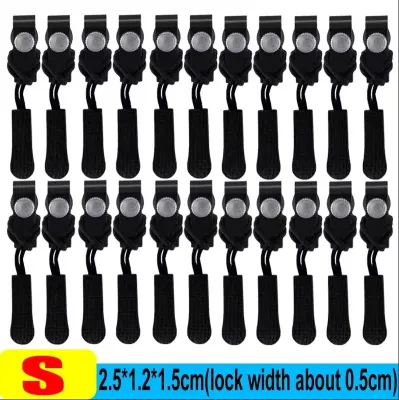
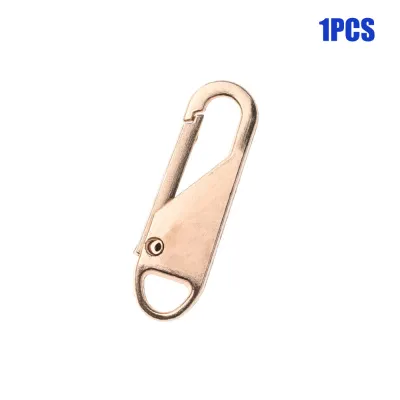
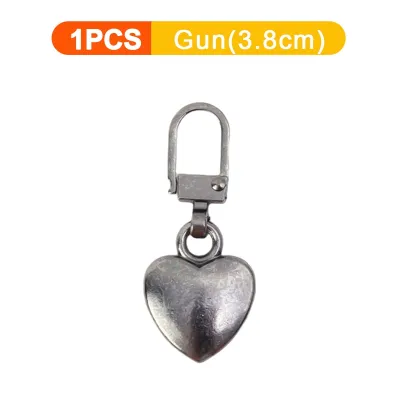
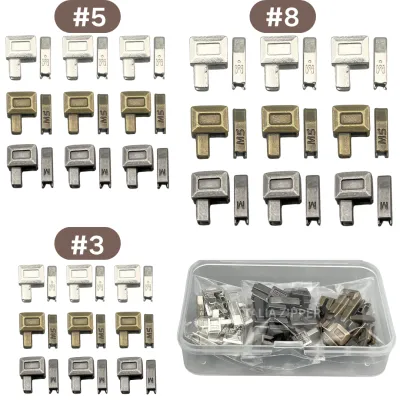
Prices are valid at publication and may change. Please refer to the product page for the latest price.
Universal zipper repair kits are designed as “one-size-fits-many” emergency solutions. These kits typically contain an assortment of the most common slider sizes (such as #3, #5, and #8) alongside generic brass, silver, or black top and bottom stops. Many universal kits also feature innovative “clip-on” or screw-tightening sliders that can be installed directly onto the zipper tape without requiring you to remove the existing stops. They are engineered to accommodate a wide range of standard nylon coil and basic metal tooth profiles, prioritizing versatility and speed over a tailored fit.
Specialty zipper repair kits are engineered for exact mechanical compatibility with a specific type of zipper construction. Rather than offering a broad assortment of random sizes, a specialty kit focuses on a single category—such as stamped metal teeth, molded plastic teeth, or invisible nylon coils. These kits include sliders that are manufactured to the exact tolerances required for those specific materials, along with specialized stops designed to clamp securely onto the corresponding tape. The core trade-off between the two types of kits lies in convenience and variety versus precision, long-term durability, and aesthetic alignment.
When to Choose a Universal Zipper Repair Kit
Universal zipper repair kits are the ideal choice when versatility, speed, and budget are your primary considerations. Having a universal kit in your household utility drawer or travel sewing box ensures that you are prepared for unexpected zipper failures across a wide range of items, from school bags and cushion covers to casual jackets and sleeping bags.

The Advantages of Universal Kits
- Cost-Effectiveness: A single universal kit provides multiple sliders in various sizes, allowing you to fix several different items over time without purchasing individual replacement parts.
- Extreme Versatility: Because they contain a mix of coil and tooth sliders, you do not need to know the exact technical specifications of your zipper beforehand to attempt a repair.
- Ease of Installation: Universal sliders that feature split-hinge or screw-tightening designs can be clamped directly onto the zipper track, bypassing the tedious process of prying off old metal stops and sewing or crimping new ones.
The Limitations of Universal Kits
- Reduced Mechanical Precision: Because universal sliders must accommodate slight variations in tooth thickness and shape, they may not grip non-standard or worn teeth perfectly, which can lead to the zipper splitting open under lateral tension.
- Bulky Aesthetics: The adjustable or clip-on sliders found in universal kits are often noticeably bulkier than original factory sliders, which can ruin the streamlined look of fine garments.
- Temporary Nature: While highly effective for low-stress household items, universal repairs on high-stress items like heavy boots or tightly packed luggage may fail over time as the slider channels loosen.
Ideal Scenarios for Universal Kits
Universal kits excel in managing low-to-medium stress repairs where functional recovery is more important than a flawless cosmetic finish. They are perfect for repairing children’s everyday play clothes, outdoor gear storage bags, decorative pillow covers, and casual canvas backpacks. They are also invaluable additions to travel gear lists, allowing for quick, tool-free field repairs when a zipper fails far from home.
Verification Tip for Universal Sliders
Before clamping or sliding a universal replacement onto your zipper tape, always verify the internal width of the new slider against the width of the closed zipper teeth. Use a ruler or calipers to measure the teeth. If the replacement slider’s internal channel is too wide, it will fail to bring the teeth close enough to lock; if it is too narrow, it will bind, scrape, and permanently damage the zipper tape.
When to Choose a Specialty Zipper Repair Kit
Specialty zipper repair kits are necessary when the structural integrity, performance, and appearance of the item are paramount. High-stress gear, delicate fashion fabrics, and heavy-duty outdoor equipment rely on precise mechanical tolerances that universal sliders simply cannot replicate. Using an exact-match specialty kit ensures that the replacement slider glides smoothly without causing premature wear on the zipper teeth or tape.
Metal Zipper Repair Kits
Metal zippers are commonly found on heavy-duty garments and gear, such as denim jeans, leather motorcycle jackets, workwear, and heavy canvas duffel bags. The teeth of a metal zipper are individual pieces of brass, aluminum, or nickel-silver clamped onto the fabric tape. Because metal teeth are rigid and unforgiving, the replacement slider must match the exact tooth gauge (such as #4.5 for standard denim flies, or #5 and #8 for jackets and luggage).
Using an incorrect slider on a metal zipper can lead to severe issues. A slider that is slightly too tight will scrape the metal plating, cause binding, or even bend the teeth out of alignment, rendering the entire zipper unusable. A specialty metal zipper kit provides rugged sliders with hardened internal side walls designed to withstand the constant lateral pressure of metal teeth without spreading apart over time.
Plastic and Resin Zipper Repair Kits
Plastic and resin zippers, often referred to by trade names like Vislon, feature blocky, individually molded teeth fused directly onto the polyester zipper tape. These are widely used in sportswear, winter coats, marine canvas, and heavy-duty outdoor gear due to their lightweight nature, flexibility, and resistance to corrosion in humid or wet environments.
Because molded plastic teeth have a distinct, squared-off profile, they require a slider with a wider, rounded internal channel that accommodates their blocky shape. Attempting to force a standard metal coil slider onto a molded plastic zipper will strip, chip, or crack the plastic elements. A specialty plastic zipper repair kit ensures the slider’s internal tracks match the exact geometry of the molded resin, preserving the teeth and maintaining a water-resistant seal on outdoor gear.
Invisible Zipper Repair Kits
Invisible zippers are highly specialized fasteners used primarily in formal wear, bridal dresses, skirts, and delicate blouses. Unlike standard zippers, an invisible zipper is constructed so that the nylon coil is mounted on the reverse side of the zipper tape, facing inward toward the wearer. When zipped, the fabric folds over the mechanism, making the zipper virtually invisible from the outside.
To achieve this seamless look, an invisible zipper slider features a unique internal design with a central “plow” or divider that actively rolls the nylon coils outward as it moves forward, allowing the sewing line to sit incredibly close to the teeth. A standard universal slider cannot perform this rolling action; attempting to use one will jam the delicate fabric, expose the zipper teeth, and ruin the clean lines of the garment. Specialty invisible zipper kits provide the exact, low-profile sliders required to maintain this delicate mechanical action.
Feature Comparison: Universal vs. Specialty Kits
To help you visualize the trade-offs between these two approaches, the table below outlines the key differences across essential decision dimensions:
| Feature | Universal Kits | Specialty Kits |
|---|---|---|
| Versatility | High; contains multiple sizes and styles for general use | Low; designed specifically for one material and gauge |
| Precision Fit | Moderate; engineered to accommodate broad tolerances | High; manufactured to exact mechanical specifications |
| Durability of Repair | Moderate; best for low-to-medium stress applications | High; restores original factory strength and longevity |
| Aesthetic Match | Low-to-Moderate; sliders can be bulky or mismatched | High; provides exact-match finishes, colors, and profiles |
| Best Applications | Emergency repairs, standard household textiles, casual wear | Heavy-duty gear, high-value fashion, specialized outdoor equipment |
| Typical Components | Assorted sliders (#3 to #8), generic stops, clip-on sliders | Material-specific sliders, exact-match top/bottom stops |
How to Decide: A Step-by-Step Selection Guide
Choosing the correct repair kit does not have to be a guessing game. By following this systematic approach, you can identify the exact requirements of your repair and select the kit that guarantees a successful outcome.
Step 1: Identify the Zipper Type and Material
Begin by closely inspecting the zipper teeth on your damaged item. This visual check will immediately narrow down your options:
- Nylon Coil: The teeth look like a continuous plastic spiral sewn onto the tape. These are common on bags, cushions, and light jackets.
- Molded Plastic: The teeth are distinct, blocky, individual plastic pieces fused to the tape. These are common on winter coats and sportswear.
- Metal: The teeth are individual metal pieces clamped onto the tape. These are common on jeans, leather, and heavy canvas.
- Invisible: The teeth are nylon coils hidden on the reverse side of the fabric tape.
Next, look for a gauge number stamped on the back or bottom of the original slider (e.g., “3”, “5”, “8”, “10”). If the number is missing or worn away, zip the item closed (if possible) and measure the width of the locked teeth in millimeters. A tooth width of approximately 5mm corresponds to a #5 zipper, while 8mm corresponds to a #8 zipper.
Step 2: Assess the Garment's Value and Stress Level
Consider how the item is used and its overall value. High-stress items like suitcases, hiking backpacks, riding boots, and heavy winter coats experience significant lateral tension when closed. These items demand the structural integrity of a specialty kit. Similarly, high-value garments, designer handbags, and delicate formal wear require the precise aesthetic and mechanical match of a specialty kit to preserve their value and appearance.
Conversely, if you are repairing a low-stress utility item, such as a sleeping bag storage sack, a casual hoodie, or a patio cushion, a universal kit is more than adequate and will save you the time of sourcing a highly specific replacement.
Decision Framework
- Choose a Universal Kit if: You want a versatile emergency backup for your household sewing basket, need to make a quick repair on a standard coil zipper, are working on a low-stress utility item, or want to avoid removing original zipper stops by using a clip-on slider.
- Choose a Specialty Kit if: You are repairing heavy-duty metal zippers, molded plastic outdoor gear, or delicate invisible zippers; the item experiences high lateral tension; or you want a seamless, permanent repair that matches the original factory specifications.
- Verify First if: The original slider features a prominent manufacturer stamp (such as YKK, SBS, or Riri). If a brand name is visible, it is highly recommended to purchase a specialty replacement slider from that exact manufacturer, as proprietary tolerances can cause generic universal sliders to fail or slip over time.
Frequently Asked Questions (FAQ)
Can I use a universal slider on a branded zipper?
While a universal slider may physically slide onto a branded zipper tape, major manufacturers like YKK or Riri design their fastening systems with proprietary tooth shapes, angles, and tolerances. A generic universal slider often fails to grip these proprietary profiles perfectly under tension. For high-quality, branded garments or heavy-duty gear, using an exact-match specialty slider from the same manufacturer is the safest way to prevent the zipper from splitting or jamming.
How do I find the correct size for my zipper slider?
To find the correct size, inspect the back, nose, or pull-tab of the original slider for a stamped number, which indicates the zipper gauge (most commonly #3, #5, #8, or #10). If the slider is missing or the stamp has worn off, close the zipper teeth and measure the total width of the interlocking teeth in millimeters. The measurement in millimeters directly corresponds to the standard zipper size; for example, a closed tooth width of 5mm indicates a #5 zipper, which requires a #5 replacement slider.
Are zipper repair kits a permanent fix?
Yes, replacing a worn, bent, or broken slider with a high-quality replacement from a repair kit is a highly effective, permanent fix. In most cases of zipper failure, the teeth remain perfectly intact while the slider’s internal channels have simply spread apart from years of friction and tension. However, if the zipper tape is torn or several teeth are missing or broken, a slider replacement kit will only provide a temporary fix; in those scenarios, the entire zipper assembly must be professionally replaced.

Community discussion
Share your experience or ask a question. Comments are reviewed before publication.