
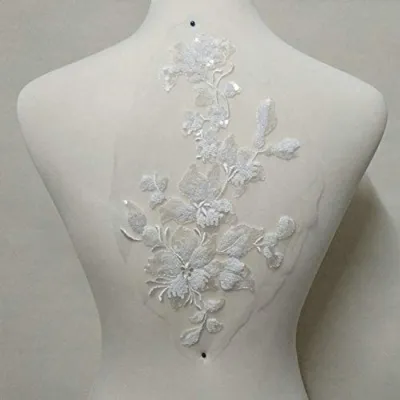
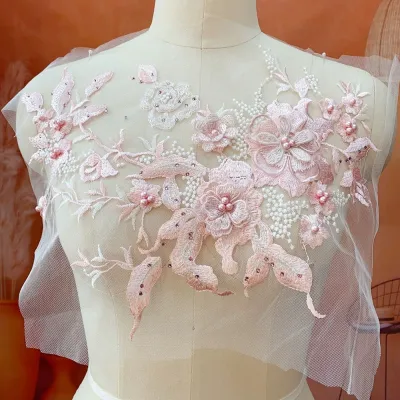
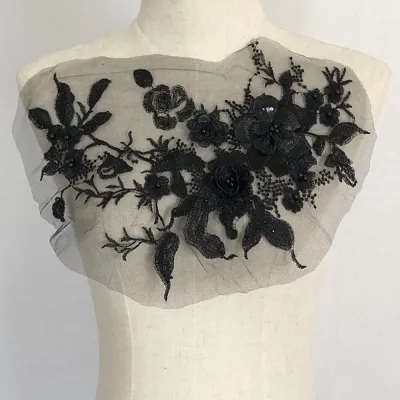
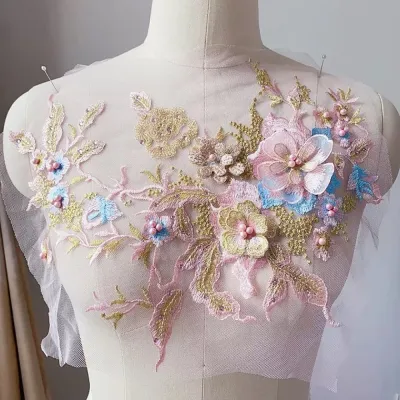
A sequin embroidery patch is a multi-layered textile embellishment designed to add texture, shine, and visual interest to garments, bags, and accessories. Its overall durability depends on how well its individual components—the base fabric, the sequins, the embroidery thread, and the backing—withstand friction, washing, and environmental exposure. Understanding these material layers allows you to select the right patch for your specific project, ensuring the design remains intact and vibrant over time.
Core Components of a Sequin Embroidery Patch
A standard sequin embroidery patch consists of four primary material layers, each serving a distinct structural or aesthetic purpose. The foundation is the base fabric, which provides the physical canvas and structural support for the entire design. This layer must be strong enough to hold thousands of needle punctures without tearing or warping under the weight of the embellishments.
On top of the base fabric sit the sequins, which are small, shiny disks with a center or top hole for stitching. These sequins are arranged in overlapping patterns or precise rows to create the desired visual effect, reflecting light and adding dimension. The choice of sequin material directly influences how well the patch resists scratching, bending, and fading.
Products mentioned in this guide
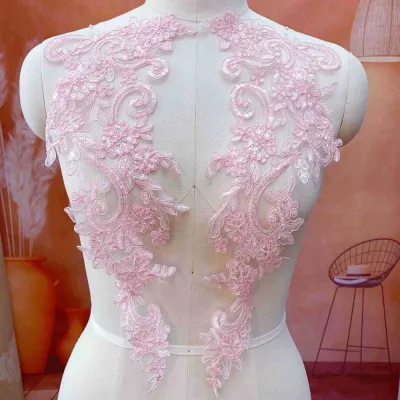
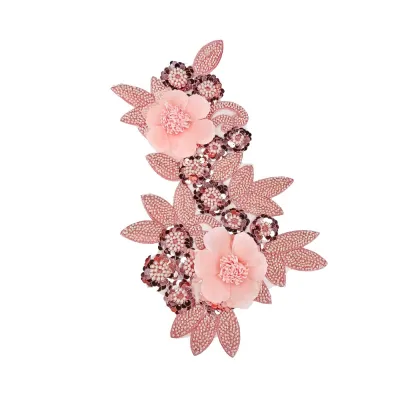
Prices are valid at publication and may change. Please refer to the product page for the latest price.
Securing these sequins to the base fabric is the embroidery thread. This thread acts as the anchor, running through the center of each sequin and locking it down onto the backing fabric. The strength, tension, and composition of this thread determine whether the sequins will stay in place during daily wear or unravel at the first sign of friction.
Finally, the reverse side of the patch features a backing or attachment mechanism. This layer determines how the patch is applied to a target surface, whether through heat-activated adhesive, hook-and-loop fasteners, or a plain fabric surface meant for direct sewing. The backing material must be compatible with both the patch base and the target garment to ensure a long-lasting bond.
How Base Fabrics Influence Patch Lifespan
The base fabric is the backbone of any sequin embroidery patch, dictating its overall stiffness, weight, and resistance to edge fraying. Common base materials include felt, twill, canvas, and organza, each offering different levels of structural stability. A tightly woven polyester twill or heavy cotton canvas generally provides the highest resistance to warping, making them ideal for heavy-duty applications.

When evaluating a patch, observing the weave density and edge finishing is crucial. A high-density weave prevents the base fabric from stretching or distorting when subjected to the tension of dense embroidery stitches. For maximum durability, look for patches with a merrowed border—a thick, overlocked stitch that wraps around the entire edge of the patch to seal the fabric and prevent fraying.
In humid climates, such as Singapore’s tropical environment, the choice of base fabric also affects how the patch handles moisture and washing. Synthetic base fabrics like polyester twill resist mold, mildew, and shrinkage better than natural fibers like cotton or wool. Checking the manufacturer’s specifications for material composition helps ensure the patch will not shrink at a different rate than the garment it is attached to, which could cause unsightly puckering.
For lightweight or delicate garments, a stiff canvas base might be too heavy, causing the garment fabric to sag or tear. In these cases, a lighter base fabric like organza or felt is preferred, though these materials require gentler handling and are more prone to wear over time. Always match the weight and stiffness of the patch base to the weight of the target fabric to maintain structural balance.
Sequin Types and Their Wear Resistance
Sequins themselves are manufactured from various materials, primarily plastics like polyvinyl chloride (PVC) and polyethylene terephthalate (PET), or occasionally lightweight metals. PVC sequins are common and cost-effective, but they tend to be more sensitive to heat and UV exposure, which can cause them to warp, fade, or become brittle over time. PET sequins generally offer better heat resistance and color stability, making them more durable for items that require regular laundering.
The physical shape and orientation of the sequins also play a significant role in wear resistance. Flat sequins lie closer to the base fabric, reducing the risk of catching on external objects during daily movement. Cupped or faceted sequins offer more dimensional sparkle but present raised edges that are more susceptible to snagging, especially on high-friction areas like sleeves or bag panels.
To predict potential sequin loss, inspect the stitch density and pattern used to secure them. High-quality patches utilize a lockstitch pattern where each sequin is individually anchored, meaning a single broken thread will not cause an entire row of sequins to unravel. Overlapping patterns, where each sequin partially covers the stitch of the adjacent one, provide an extra layer of physical protection for the embroidery thread underneath.
Tactile checks can help you assess the quality of the sequins before application. Gently run your fingers across the surface of the patch; the sequins should feel secure and lie relatively flat without excessive shifting or loose edges. If the sequins feel loose or if the thread tension appears uneven, the patch is more likely to lose its embellishments during normal wear and tear.
Backing Materials and Attachment Durability
The backing material determines how securely the patch attaches to your garment or accessory, directly impacting the overall lifespan of the embellishment. Heat-activated adhesive backings, commonly known as iron-on backings, are popular for their convenience. However, these adhesives rely on specific temperature and pressure thresholds to melt and bond with the target fabric, and they can degrade over time when exposed to high heat or repeated washing.
For items that undergo frequent laundering or heavy physical use, hook-and-loop backings offer a durable, removable alternative. This system consists of a hook layer sewn onto the back of the patch and a loop layer sewn onto the garment. To ensure this attachment style lasts, verify that the perimeter of both the hook material and the patch base are reinforced with heavy stitching to prevent the layers from separating during repeated peeling.
Plain backings, which feature no pre-applied adhesive or fastener, are the preferred choice for permanent, professional applications. Sewing a plain-backed patch directly onto a garment using a heavy-duty polyester thread provides the most secure and long-lasting hold. This method eliminates the risk of adhesive failure and allows the patch to move naturally with the drape of the fabric.
When using iron-on patches, always check the wash-care label of the target garment first. Synthetic fabrics like nylon or delicate silks may melt under the heat required to activate the patch adhesive, while heavily textured fabrics like coarse knits may not provide enough surface area for a secure bond. In these scenarios, combining ironing with a few hand-sewn anchor stitches around the border is an excellent way to guarantee durability.
Evaluating Patch Durability for Your Specific Use Case
Selecting the right sequin embroidery patch requires matching the material properties to the expected wear environment of the finished item. For high-friction items like backpacks, denim jackets, or children’s clothing, prioritize patches with flat PET sequins, a heavy twill base, and a sewn attachment method. For low-wear display items, costumes, or occasional-wear garments, lighter bases like felt or organza with iron-on backings are perfectly suitable.
Upon receiving a new patch, perform a quick physical inspection to verify its quality before application. Check the reverse side to ensure the backing material is evenly applied and does not spill over the edges. Inspect the front for any loose thread loops, uneven sequin spacing, or exposed base fabric where coverage should be complete. Gently tug on a few sequins at the edges to confirm the thread tension is firm and secure.
If you plan to apply patches to specialized gear, such as outdoor equipment or water-resistant jackets, consult the manufacturer or supplier regarding compatibility. Standard adhesives may fail to bond with water-repellent coatings, and sewing through waterproof membranes can compromise the garment’s weather resistance. Taking the time to verify these details beforehand prevents damage to both the patch and your valuable apparel.
Frequently Asked Questions (FAQ)
Can I wash garments with sequin embroidery patches in a machine?
Yes, but you must verify the manufacturer’s care instructions first to avoid damaging the sequins or the adhesive backing. If machine washing is permitted, always turn the garment inside out to protect the sequins from rubbing against other clothes or the washing machine drum. Use a gentle cycle with cold water and a mild detergent, and place the garment inside a mesh laundry bag for an extra layer of protection. Avoid tumble drying, as the high heat can melt plastic sequins or weaken iron-on adhesives; instead, lay the garment flat to air dry away from direct sunlight. Watch for signs of adhesive lifting or thread fraying after washing.
How do I fix loose sequins on an embroidery patch?
To repair loose sequins, start by identifying the original thread type and color to ensure a seamless match. Use a fine hand-sewing needle and a strong polyester thread, securing the thread with a knot on the underside of the patch. Carefully thread the needle up through the center hole of the loose sequin, make a small stitch over the edge of the sequin, and pull the needle back down through the base fabric. Avoid pulling the thread too tight, as excessive tension can warp the base fabric or cause the sequin to bend. If the patch has extensive thread damage or base fabric tearing, it is best to consult a professional embroidery service to restore the design safely.

Community discussion
Share your experience or ask a question. Comments are reviewed before publication.