
Selecting the right Japanese cloth for your sewing projects requires a clear understanding of how different weaves, weights, and fibers behave under a needle. Japanese textiles are celebrated globally for their distinct textures, meticulous manufacturing standards, and functional designs. Whether you are crafting structured garments, lightweight summer wear, or reusable household items, matching your project to the correct fabric type ensures a professional finish and long-lasting durability. By examining the tactile qualities and structural limits of cotton broadcloth, linen, double gauze, and tenugui, you can confidently choose the ideal material for your next creative endeavor.
Key Characteristics of Popular Japanese Cloth Types
Before cutting into any new piece of Japanese cloth, it is essential to identify how the fabric drapes, stretches, and responds to handling. The raw fiber composition and the specific weaving technique determine whether a fabric remains crisp and stable or shifts easily on your cutting table. Observing these baseline physical properties helps you prepare your workspace, select the correct sewing machine needles, and anticipate how the finished item will behave after its first wash.
Cotton Broadcloth
Japanese cotton broadcloth is a tightly woven, plain-weave fabric known for its exceptionally smooth surface and structural stability. This material features a dense count of fine yarns, resulting in a crisp hand feel with minimal mechanical stretch along the grainlines. When you handle cotton broadcloth, you will notice it holds a sharp crease when folded, making it incredibly easy to pin, mark, and cut without slipping.
Products mentioned in this guide
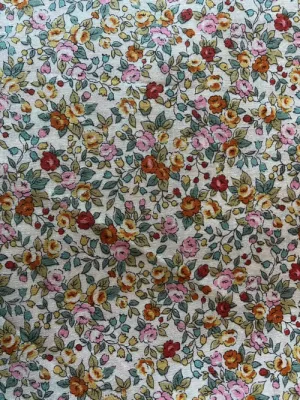
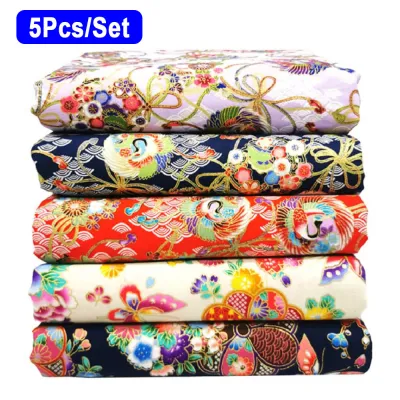
Prices are valid at publication and may change. Please refer to the product page for the latest price.
Because of this high level of stability, cotton broadcloth is highly recommended for projects that require precise alignment and clean lines. It is a staple choice for structured button-down shirts, tailored skirts, structured dresses, and detailed quilting blocks. Beginners often find this fabric highly forgiving to sew, as it feeds evenly through standard sewing machine presser feet without puckering or stretching out of shape.
Linen
Japanese linen offers a distinct tactile experience characterized by its natural slub texture, which features subtle variations in yarn thickness throughout the weave. This fabric is highly breathable and possesses an initial stiffness that gradually transforms into a soft, supple drape after repeated washing and wearing. The open structure of the linen weave allows excellent airflow, making it a preferred choice for warm-weather apparel and relaxed-fit garments.
When working with linen, you must account for its tendency to wrinkle easily and fray along raw cut edges. This characteristic requires careful handling during assembly and the application of robust seam finishes, such as French seams or overlocked edges, to prevent unraveling. Despite these handling considerations, the organic texture and structural evolution of Japanese linen make it highly desirable for casual trousers, loose tunics, and rustic home textiles.
Double Gauze
Japanese double gauze consists of two layers of fine, breathable cotton gauze that are held together at regular intervals by tiny, almost invisible basting stitches. This unique two-layer construction creates a fabric that is incredibly soft to the touch, lightweight, and highly breathable, while offering more opacity than a single layer of gauze. The air trapped between the two layers provides a gentle, insulating warmth, making it exceptionally comfortable against the skin.
The delicate nature of double gauze requires thoughtful preparation before you begin cutting your pattern pieces. Because the layers can shift independently, you must pay close attention to pattern alignment and use sharp cutting tools to avoid distorting the grainline. This fabric is widely favored for baby clothing, swaddles, lightweight summer blouses, and cozy loungewear due to its gentle texture and airy drape.
Tenugui
Tenugui is a traditional Japanese cloth characterized by its specific rectangular dimensions and plain-weave cotton construction. Unlike standard yardage, tenugui is typically sold in pre-cut lengths with a narrow width, featuring two finished selvages along the long sides and raw, unfinished edges at the short ends. The fabric is lightweight, quick-drying, and designed to soften significantly with use and exposure to water.
The intentional lack of hems on the short ends of tenugui allows the fabric to dry rapidly and prevents water from pooling in thick seams, which is essential for its traditional use as a hand towel or head wrap. For modern sewing applications, these raw edges will naturally fray during the first few washes until a short, stable fringe forms. Tenugui is highly versatile and commonly used for reusable gift wrapping, small drawstring pouches, table runners, and simple home accessories.
Matching Fabric Types to Sewing Projects
Selecting the right Japanese cloth involves matching the structural demands of your sewing pattern with the natural drape and weight of the fabric. A helpful decision framework is to categorize your project by its desired silhouette: structured, flowing, or relaxed. Structured garments like collared shirts, pleated skirts, and utility aprons require the firm support of cotton broadcloth to maintain their intended shape. Flowing garments, such as gathered dresses or tiered skirts, benefit from the soft, airy volume of double gauze, while relaxed-fit trousers and casual outerwear pair beautifully with the organic drape of linen.

For home decor and quilting projects, durability and washability are the primary selection criteria. Cotton broadcloth is excellent for intricate patchwork and durable cushion covers because it resists warping under high-tension stitching. If you are crafting items that require frequent laundering, such as kitchen towels or table linens, Japanese linen offers superior strength when wet and becomes more absorbent over time. When planning to sew baby items or sensitive-skin apparel, double gauze is the preferred choice, though you should verify that the fabric is free from harsh chemical finishes by checking for certified textile labels.
Before purchasing your fabric, always cross-reference the fabric recommendations listed on your commercial sewing pattern. Patterns designed for woven fabrics will specify the ideal weight—such as light, medium, or heavy—and indicate whether a soft drape or a stiff hand is necessary for the garment to fit correctly. Substituting a stiff cotton broadcloth for a pattern that requires a fluid, draping fabric can result in a stiff, bulky garment that does not hang naturally on the body.
Verifying Fabric Specifications and Care Requirements
To ensure the longevity of your finished project, always verify the exact fiber composition, fabric width, and care instructions provided by the manufacturer or retailer before making a purchase. Japanese fabrics are often produced in non-standard widths, which can affect the total yardage required for your pattern. Reading the product specifications carefully helps you avoid running out of material mid-project.
Pre-washing your fabric is a critical step that should never be skipped, as natural fibers like cotton and linen are prone to shrinkage during their first exposure to water and heat. To observe how your chosen Japanese cloth behaves, cut a small test square of the fabric, measure it precisely, and wash it using the exact water temperature and drying cycle you plan to use for the finished item. This trial allows you to calculate the actual shrinkage rate and check for any potential color bleeding, which is particularly important for deeply dyed fabrics like indigo.
Once washed, iron the fabric using the temperature setting recommended for its specific fiber content—typically a high-heat steam setting for pure cotton and linen, or a lower, gentler setting for delicate double gauze. Store your prepared fabric flat or neatly folded in a cool, dry place away from direct sunlight to prevent crease lines from fading or weakening the fibers. If you are working with specialty dyed or hand-printed Japanese fabrics, always defer to the manufacturer’s specific care guidelines to preserve the integrity of the designs.
Frequently Asked Questions (FAQ)
Is Japanese double gauze difficult to sew for beginners?
While Japanese double gauze is incredibly soft and rewarding to wear, its two-layer structure can present challenges for beginners due to its tendency to shift and stretch during sewing. To manage this shifting, use plenty of fine, sharp sewing pins or fabric clips, and consider using a walking foot on your sewing machine to feed both layers of fabric evenly. It is also highly beneficial to test your stitch length and thread tension on a scrap piece of double gauze before starting on your main project. Adjusting your machine to a slightly longer stitch length can help prevent puckering and ensure smooth, flat seams.
How should I handle the raw edges of tenugui cloth?
The raw, unfinished short edges of traditional tenugui cloth are designed to fray naturally, which is a functional feature that allows the fabric to dry quickly and prevents bulky hems from rubbing against the skin. If you prefer to keep this traditional look, simply trim any long, loose threads after the first few washes; the fraying will naturally stop after about half an inch, creating a self-fringed edge. For contemporary sewing projects where a clean, finished look is desired, you can easily finish the edges by folding them over twice to sew a narrow double hem, or by using a serger or zigzag stitch to secure the raw threads.

Community discussion
Share your experience or ask a question. Comments are reviewed before publication.