
Cotton milk yarn is a highly sought-after material in the crafting community, prized for its exceptionally soft texture, smooth glide, and gentle drape. Often chosen for projects that sit close to the skin, this yarn offers a comfortable, breathable alternative to heavier wools, making it particularly well-suited for warm climates or for lightweight layering in air-conditioned environments.
However, the name “cotton milk” can be somewhat misleading for beginners. To get the most out of this versatile material, crafters must understand what actually goes into each skein, how to evaluate its quality, and which projects will benefit most from its unique physical properties.
What Is Cotton Milk Yarn? Decoding the Fiber Blend
Despite what the name suggests, cotton milk yarn—frequently sold as milk cotton—is rarely a simple mix of pure cotton and dairy-derived fibers. Instead, it is almost always a synthetic-natural blend designed to mimic the premium feel of silk and cashmere at a more accessible price point. The typical composition combines cotton fibers with acrylic, polyester, or a small percentage of milk protein fiber, also known as casein. Casein fiber is chemically extracted from milk proteins and spun into a smooth, silky thread, but because of production costs, it usually makes up only a fraction of the total blend, with acrylic and cotton doing the heavy lifting.
Products mentioned in this guide
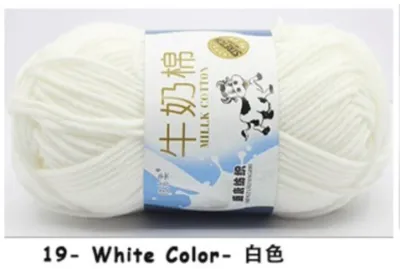
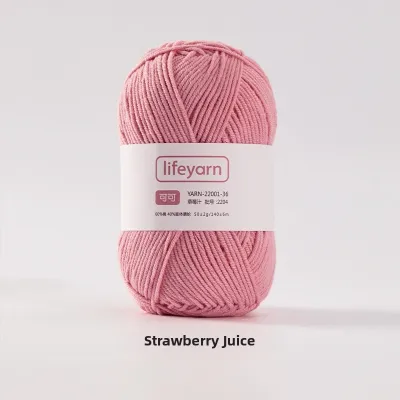
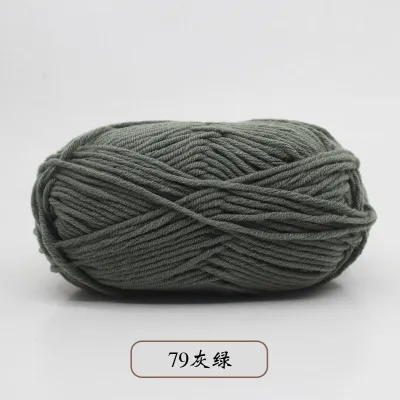
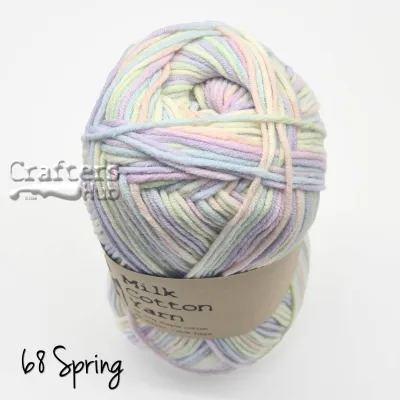
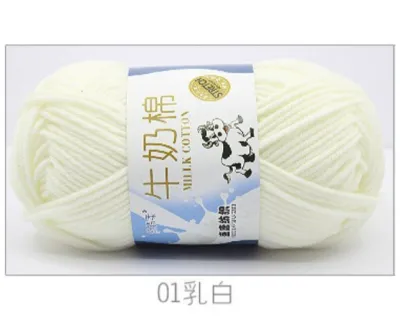
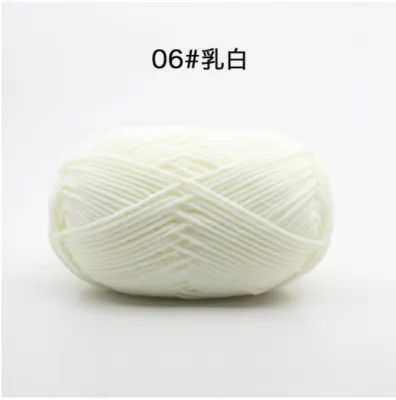
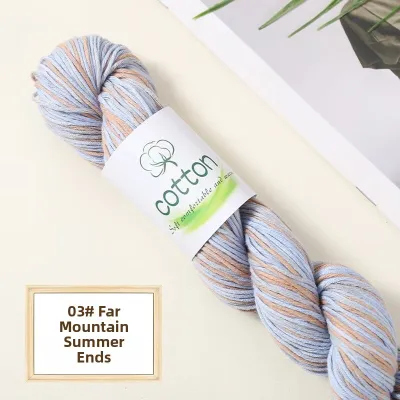
Prices are valid at publication and may change. Please refer to the product page for the latest price.
When shopping on online marketplaces or at local craft shops, it is vital to look past the product title and examine the manufacturer’s fiber content label on the physical yarn band. A skein labeled “milk cotton” might contain 60% cotton and 40% acrylic, or it could reverse those proportions entirely, while some budget options may contain no milk protein fiber at all.
The dominant fiber in your specific blend will dictate how the yarn behaves on your needles or hooks. A higher percentage of acrylic increases the yarn’s elasticity, loft, and lightweight warmth, but it may also make the finished fabric more prone to static and pilling. Conversely, a higher cotton content enhances breathability, moisture absorption, and structural weight, but reduces the overall stretch of the yarn. Understanding this balance is the first step in ensuring your yarn matches your project’s structural needs.
Key Characteristics to Check Before You Buy
Because cotton milk yarn formulations vary widely between manufacturers, you should never rely solely on general material descriptions. The most reliable way to assess a specific yarn’s performance is to knit or crochet a small test swatch, ideally measuring at least 10 by 10 centimeters. This hands-on trial allows you to personally evaluate the yarn’s softness against your skin, observe its stitch definition, and see how the fabric drapes.

Once your swatch is complete, block it according to the manufacturer’s care instructions to see how the fibers settle. This step is crucial for identifying whether the yarn will stretch out, shrink, or lose its shape after its first wash. Always check the yarn band for specific washing, drying, and ironing limits. Acrylic-heavy blends can easily melt or “kill” under the high heat of an iron, permanently losing their elasticity and turning into a limp, shiny fabric, while high-cotton blends may shrink if exposed to hot water or high dryer temperatures.
Additionally, keep in mind that pilling resistance and colorfastness are highly dependent on the quality of the acrylic and cotton used in the blend. A quick rub test on your dry swatch can give you an early indication of how easily the fibers will fuzz or pill under normal wear. For vibrant or dark colors, soaking the swatch in lukewarm water will help you verify if the dye bleeds, protecting your multi-colored projects from accidental color running.
Best Knitting and Crochet Projects for Cotton Milk Yarn
The signature softness and lightweight drape of cotton milk yarn make it an exceptional choice for specific types of garments and accessories. It is highly recommended for baby blankets, booties, and infant clothing, where a non-scratchy, gentle texture is paramount. It is also excellent for crafting lightweight spring and summer tops, shawls, and cardigans. In tropical climates, these garments provide just enough coverage for air-conditioned offices and shopping malls without causing overheating when stepping outdoors. Soft home accessories, such as decorative cushion covers and lightweight lap throws, also benefit beautifully from the yarn’s smooth finish and clean stitch definition.
However, cotton milk yarn is not a universal substitute for all knitting and crochet patterns. It is generally unsuitable for high-friction items like heavy winter socks, which require the high elasticity of wool and the durability of nylon to withstand constant rubbing inside shoes. Structured outerwear, such as heavy winter coats or tailored bags, may also disappoint when made with cotton milk yarn, as the material lacks the natural memory and rigidity needed to hold sharp, structured shapes over time.
To achieve the best results, you may need to adjust your tools and stitch patterns. If your pattern calls for a highly structured look but you still want to use cotton milk yarn, consider using a slightly smaller needle or hook size than recommended on the label. This creates a denser, tighter fabric that resists stretching. Choosing stitch patterns with inherent structural integrity, such as seed stitch, garter stitch, or dense post stitches in crochet, can also help prevent your finished piece from sagging or losing its shape under its own weight.
How to Choose the Right Skein and Tools
Before finalizing your purchase at a local specialty shop or an online craft store, carefully verify the technical specifications of the yarn to ensure compatibility with your pattern. Start by matching the yarn weight—such as sport, DK, or worsted—and the total yardage or meterage to your project requirements. Because cotton milk yarn can vary in thickness even within the same weight category, checking the recommended gauge on the label is essential for avoiding a finished garment that is too small or too large.
Another critical step is verifying the dye lot numbers printed on the yarn bands. Even if two skeins look identical under store lighting, subtle variations in the dyeing process can create noticeable color banding or pooling in your finished fabric. Always purchase all the skeins you need for a single project at the same time, ensuring they share the exact same dye lot code. If you must use different dye lots, alternate skeins every few rows to blend the color transitions seamlessly.
Finally, cross-reference the recommended needle or hook size on the packaging with your personal crafting style. If you tend to knit or crochet tightly, you may need to size up your tools to achieve the correct gauge and maintain the yarn’s characteristic softness. Conversely, loose crafters should size down to prevent the fabric from becoming overly floppy. Taking the time to match your tools, gauge, and dye lots ensures a professional, long-lasting finish for your handmade creations.
Frequently Asked Questions (FAQ)
Is cotton milk yarn safe for baby clothes?
Yes, cotton milk yarn is highly popular for baby clothes due to its exceptionally soft, non-irritating texture. However, because formulations and chemical treatments vary significantly by brand, you must check the product label for the exact fiber composition and any safety certifications. Always wash baby items with a gentle, hypoallergenic detergent before use to remove any manufacturing residues.
Does cotton milk yarn shrink after washing?
Shrinkage depends entirely on the specific ratio of cotton to synthetic fibers in the blend. High-cotton blends are more prone to shrinking if washed in hot water or machine-dried on high heat. To prevent ruining your hard work, always follow the care instructions on the yarn band and wash your test swatch under the same conditions you plan to use for the finished garment.
Can I use cotton milk yarn for amigurumi?
While you can use cotton milk yarn for amigurumi, its soft texture and natural drape mean it has more stretch than traditional mercerized cotton. This can make it challenging to achieve the rigid, firm structure required for stuffed toys. If you choose to use it, work with a hook that is one or two sizes smaller than recommended to keep your stitches tight and prevent the stuffing from showing through.

Community discussion
Share your experience or ask a question. Comments are reviewed before publication.