
Selecting the right A4 paper for your printer involves understanding a single, critical metric: GSM. This measurement determines how thick, sturdy, and opaque each sheet feels, directly influencing whether your documents look professional or suffer from messy ink bleed-through. Choosing the correct weight ensures smooth printer operation, crisp text readability, and a tactile quality that matches the purpose of your document.
What GSM Means for A4 Paper
GSM stands for Grams per Square Meter. It is the standard metric unit used globally to measure paper density and basis weight. A common misconception is that GSM represents the weight of a single cut sheet of A4 paper. In reality, it measures the weight of a single sheet of paper that is exactly one square meter in size (known as an A0 sheet). Because an A4 sheet is exactly one-sixteenth of an A0 sheet, a single sheet of 80 GSM A4 paper actually weighs exactly 5 grams.
While GSM is a reliable indicator of paper density, it does not translate perfectly to physical thickness, which is technically referred to as caliper. Two different brands of A4 paper can both be rated at 80 GSM but have slightly different physical thicknesses and stiffness levels. This variation occurs because of differences in manufacturing processes, the specific blend of wood fibers used, and the level of compaction applied during production. Generally, higher GSM paper is more opaque and stiffer, but you should always feel the paper or check manufacturer specifications if exact thickness is critical for your project.
Products mentioned in this guide
![PaperOne™ Copier Paper 70gsm / 75gsm Copy Paper A4 [1 Box]](https://img.lazcdn.com/g/p/62f961291078a3b12171dd45eea2a9a4.jpg_400x400q80.jpg_.webp)
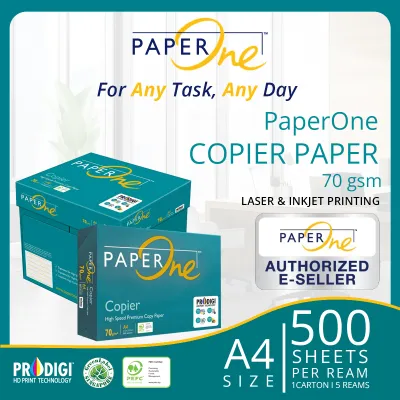
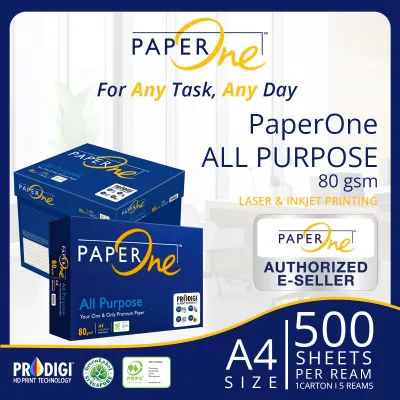
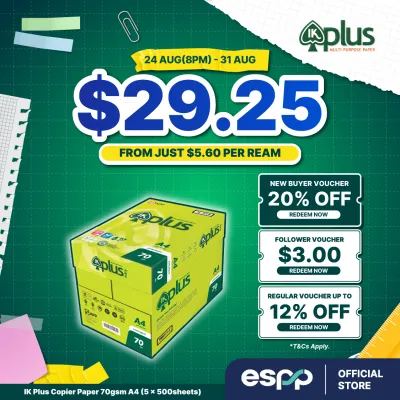
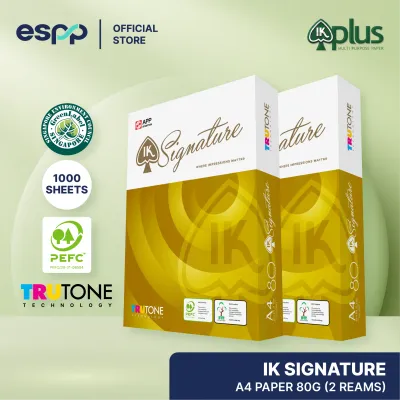
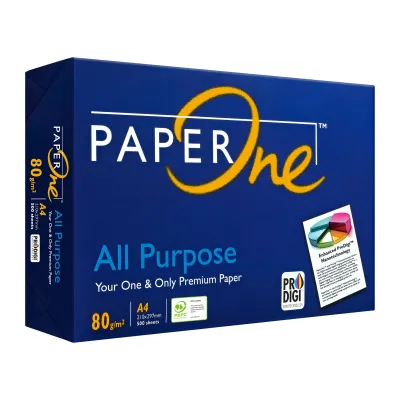
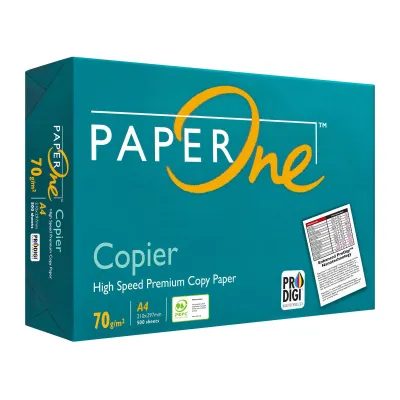
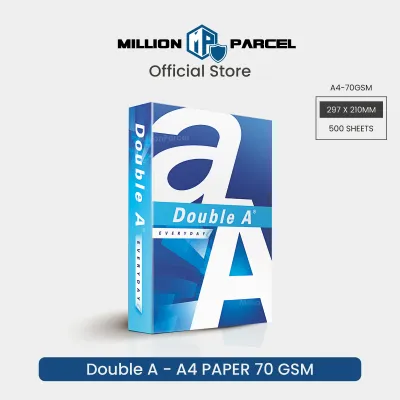
Prices are valid at publication and may change. Please refer to the product page for the latest price.
How Different GSM Weights Affect Printing and Usage
The weight of your A4 paper has a direct impact on how ink or toner behaves on the page, as well as how reliably the paper feeds through your machine. Lighter, standard weights are highly flexible and optimized for high-volume, everyday office printing. Because they are thinner, they pass quickly through high-speed rollers, minimizing the risk of static-induced multi-sheet feeds. However, very light paper is prone to ink show-through, making it less suitable for double-sided printing where text from the reverse side might compromise readability.

Heavier paper weights offer a more substantial, premium feel that immediately elevates the perceived value of a document. These weights are designed to handle heavy ink coverage from inkjet printers and high-temperature fusing from laser printers without warping or buckling. The increased density prevents ink from bleeding through to the back, making it the ideal choice for double-sided reports, colorful presentations, and official certificates.
Before purchasing heavier paper, you must verify your printer’s maximum supported media weight. Standard home and office printers have strict physical limits on the paper thickness their rollers can pull through the feed path. Attempting to run heavy cardstock through a machine rated only for standard office paper can lead to persistent paper jams, roller slippage, and incomplete toner adhesion, which leaves dusty, unfused black powder on your documents and inside the machine.
Choosing the Right A4 Paper Weight for Your Needs
Selecting the ideal paper weight requires balancing your specific printing tasks with your budget and equipment capabilities. For daily office operations, high-volume drafting, and internal emails, standard utility weights are highly practical and economical. When preparing client-facing proposals, resumes, or formal correspondence, upgrading to a premium weight ensures your documents stand out and resist creasing during handling.
The following decision matrix outlines the recommended GSM ranges for common home and office applications:
| Use Case | Recommended GSM Range | Paper Category | Key Characteristics |
|---|---|---|---|
| High-volume drafts, internal memos, and single-sided copies | 70 GSM – 75 GSM | Standard Utility | Lightweight, highly cost-effective, reduces physical storage space. |
| Everyday office printing, double-sided documents, and standard emails | 80 GSM | Standard Office | The universal standard; offers a balanced compromise between opacity and cost. |
| Client proposals, resumes, color presentations, and formal letters | 90 GSM – 100 GSM | Premium Office | Noticeably smoother and thicker; excellent contrast with minimal show-through. |
| Covers, brochures, flyers, and heavy-duty crafting projects | 120 GSM – 220+ GSM | Cardstock & Heavy Paper | Rigid and highly durable; often requires manual feed slot usage on standard printers. |
Ultimately, the best paper weight is subjective and depends entirely on the document’s intended lifecycle. If a document will be handled frequently by multiple people, a heavier weight prevents premature tearing and wear. For documents destined for immediate recycling or short-term reference, a lighter weight saves resources and reduces waste.
Key Factors to Check Before Buying A4 Paper
While GSM is the primary metric for paper selection, several other technical specifications influence the final print quality. Brightness and whiteness levels determine how contrasty and vivid your printed text and images will appear. High-brightness paper reflects more light, making black text look sharper and colors more vibrant, which is especially important when using heavier paper for graphic-heavy presentations.
The surface finish of the paper also dictates how ink is absorbed and how quickly it dries. Smooth finishes are highly recommended for laser printers because they allow the dry toner powder to bond evenly to the surface. Textured finishes can add a rustic or premium tactile feel but may cause uneven ink distribution on standard inkjet printers. If you are printing high-resolution photos, look for specialized coated papers that prevent wet ink from spreading and blurring.
Environmental considerations are increasingly important for modern offices. Many brands offer recycled A4 paper options that match standard GSM ratings. However, recycled fibers are shorter than virgin wood fibers, which can sometimes result in a slightly different stiffness or a more textured surface at the same weight. Checking for recognized forestry certifications on the packaging ensures the paper is sourced from responsibly managed woodlands.
Finally, local environmental conditions play a massive role in paper performance. In Singapore’s highly humid tropical climate, paper acts like a sponge, rapidly absorbing moisture from the air. Damp paper loses its structural stiffness, causing it to curl and jam inside the printer regardless of its GSM rating. To prevent this, always store your paper in its original moisture-resistant wrapper until you are ready to use it, keep opened reams in airtight plastic storage tubs, and avoid placing paper cartons directly on damp concrete floors.
Frequently Asked Questions (FAQ)
Is 80 GSM paper better than 70 GSM for everyday printing?
For most standard office environments, 80 GSM is considered a versatile all-rounder because it offers better opacity, making it highly suitable for double-sided printing without distracting text bleed. However, 70 GSM paper is lighter and often more economical when purchasing in bulk, making it an excellent choice for high-volume, single-sided drafting where saving a few S$ on bulk cartons is a priority. Both weights are universally compatible with standard office copiers and home printers.
Can I use heavy GSM paper in my standard home printer?
You can use heavier paper, but you must first check your printer’s user manual to find its maximum supported paper weight, as many standard home printers cannot reliably feed paper heavier than 120 GSM to 160 GSM. Exceeding this limit can cause severe paper jams, damage the delicate rubber feed rollers, or result in smudged prints because the printer’s fuser cannot reach a high enough temperature to melt the toner onto the thick paper. For heavier sheets, always utilize the printer’s manual bypass tray if one is available.

Community discussion
Share your experience or ask a question. Comments are reviewed before publication.