
Selecting the right white cloth is a foundational decision for any sewing project, as the material dictates the drape, durability, and final appearance of your work. While white is a universal color, the underlying fiber content and weave structure drastically change how the fabric behaves under a needle and in daily use. Because white fabric naturally highlights shadows, seam allowances, and construction details, choosing the correct material ensures your finished piece looks professional and performs as expected.
By understanding the unique characteristics of natural fibers, synthetics, and blends, you can match your fabric to your project’s functional demands. Whether you are crafting lightweight apparel for warm climates or structuring durable home textiles, verifying the fabric’s weight, opacity, and care requirements beforehand will save time and prevent common sewing mishaps.
Understanding Common White Cloth Materials
Natural fibers like cotton and linen are highly favored for their exceptional breathability and organic texture. White cotton comes in various weights, from sheer voile to sturdy canvas, offering a soft hand feel and excellent moisture absorption. This makes it incredibly comfortable for close-to-skin wear, especially in warm, humid environments. Linen, made from flax fibers, features a distinct textured surface with natural slubs. While linen is highly breathable and durable, it is inherently prone to wrinkling, which contributes to its relaxed, casual aesthetic.
Products mentioned in this guide
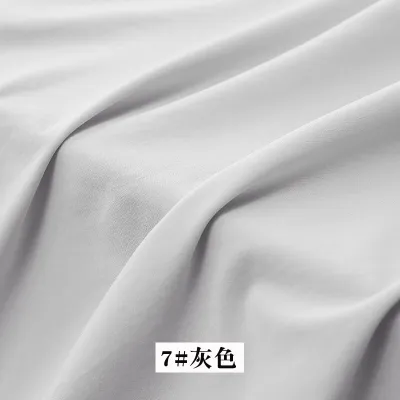
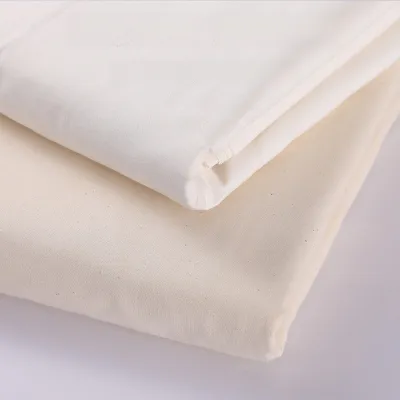
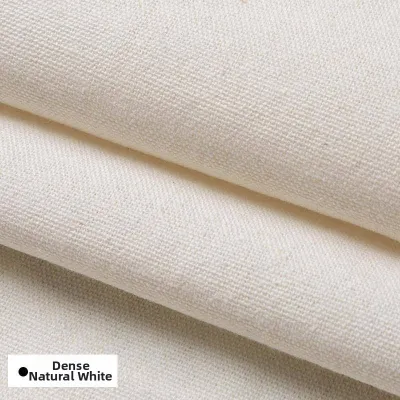
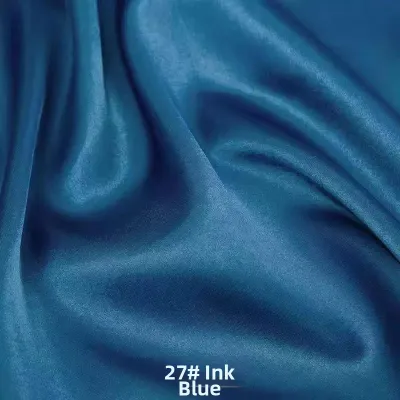
Prices are valid at publication and may change. Please refer to the product page for the latest price.
Synthetic fibers, primarily polyester, offer outstanding durability and wrinkle resistance. White polyester fabric retains its shape well, resists shrinking, and dries quickly after washing. It typically features a smoother, sometimes slicker drape compared to natural fibers. However, polyester lacks the breathability of cotton or linen, which can make it feel warm when worn in unconditioned spaces. It is highly valued for structured garments, lining materials, and outdoor textiles that require resilience against wear and tear.
Blended fabrics combine the best properties of different fibers to balance comfort, structure, and maintenance. A classic poly-cotton blend, for example, merges the soft breathability of cotton with the wrinkle-resistant, easy-care nature of polyester. These blends are less prone to dramatic shrinkage and are much easier to iron than pure natural fibers. Understanding these material profiles allows you to select a white cloth that aligns with both your sewing machine’s capabilities and your daily lifestyle.
Matching Fabric Types to Your Sewing Project
For apparel and garments, your primary considerations should be drape, breathability, and skin comfort. Lightweight white fabrics like cotton lawn, voile, or batiste are excellent choices for breezy summer blouses, dresses, and children’s wear, though they often require lining due to their sheer nature. Mid-weight options like cotton poplin, linen, or light twill provide more structure for tailored shirts, trousers, and structured dresses. If you are sewing activewear or fitted garments, look for white knit fabrics with added elastane to ensure comfortable stretch and recovery.

Home decor and upholstery projects demand structural weight, durability, and specific light-filtering qualities. Heavy-weight white canvas, duck cloth, or thick linen-polyester blends are ideal for cushion covers, slipcovers, and table linens that must withstand frequent use and washing. When sewing window treatments, consider how the white fabric interacts with light; a sheer white linen curtain filters sunlight into a soft glow, while a tightly woven white cotton duck blocks drafts and provides greater privacy.
Crafts and quilting require fabrics with high stability, ease of cutting, and excellent seam-holding capacity. Quilting cotton is the standard choice here, featuring a medium-weight, plain weave that resists slipping under the presser foot. This stability makes it easy to cut precise shapes and press sharp seams, which is essential for intricate patchwork. For craft projects like embroidery or fabric painting, a smooth, tightly woven white cotton or linen canvas provides an ideal, stable canvas that supports heavy stitching without puckering.
Key Factors to Check Before Buying White Cloth
Fabric weight and opacity are critical when working with white cloth, as lighter weights tend to be sheer. To verify opacity before purchasing, hold the fabric up to a light source and place your hand behind it. If you can clearly see the outline or color of your hand, the fabric will require an underlining, a lining, or specific undergarments. For unlined garments, opt for medium to heavy-weight weaves like gabardine, heavy sateen, or thick linen to ensure adequate coverage.
Shrinkage expectations must be factored into your yardage calculations, particularly for natural fibers. Pure cotton and linen can shrink significantly during their first wash, sometimes altering the garment’s final fit entirely. Always check the manufacturer’s label or product specifications for estimated shrinkage rates. If you are purchasing a blend or a pre-shrunk fabric, the dimensional changes will be minimal, but verifying this beforehand prevents unexpected sizing issues after your project is completed.
Care instructions and marking compatibility are vital for maintaining the pristine look of white fabric. Review the product tag to ensure the washing, bleaching, and ironing limits align with your long-term care routine. Additionally, because white fabric easily shows marks, always perform an observable trial with your fabric marking tools on a scrap piece first. Test water-soluble pens, air-erasable markers, or tailor’s chalk to verify that the ink or pigment washes out completely without bleeding or leaving a permanent shadow on the white fibers.
Preparing and Caring for Your White Fabric
Pre-washing is an essential protocol to prevent post-sewing distortion and remove manufacturing starches. Wash your raw white fabric using the exact water temperature and cycle you plan to use for the finished item. For natural fibers prone to fraying, consider serging or zigzag stitching the cut edges of the yardage before throwing it into the washing machine. This step ensures the fabric shrinks fully and settles into its natural drape before you lay out your pattern pieces.
Ironing and pressing require careful temperature management to avoid damaging the pristine white surface. Always adjust your iron’s heat setting to match the specific fiber content of your fabric; high heat can easily scorch synthetic fibers like polyester, leaving permanent yellow stains or shiny patches. Use a clean, dry pressing cloth between the iron and your white fabric to protect it from any mineral buildup or residue on the iron’s soleplate. Press seams flat rather than sliding the iron, which can stretch and distort the fabric grain.
Proper storage conditions protect your unused white fabrics and finished garments from environmental damage. Store your materials in a cool, dry, and dark place, as prolonged exposure to direct sunlight or fluorescent light can cause white fibers to yellow over time. Avoid storing white textiles in sealed plastic bins, which can trap moisture and lead to mildew; instead, wrap them in acid-free tissue paper or place them in breathable cotton storage bags to keep them clean and bright.
Frequently Asked Questions (FAQ)
Is it necessary to pre-wash all types of white fabric before sewing?
Yes, pre-washing is highly recommended for almost all white fabrics, especially natural fibers like cotton, linen, and rayon, which are prone to significant shrinkage. Pre-washing removes manufacturing sizing agents, starches, and any residual chemicals, ensuring the fabric achieves its true drape and dimensions before cutting. While stable synthetics like 100% polyester shrink very little, pre-washing them still helps eliminate surface impurities and ensures consistent stitching behavior.
How can I prevent white linen or cotton from fraying while sewing?
To manage fraying on loosely woven white linen or cotton, finish the raw edges as soon as possible during construction. You can use pinking shears to cut the pattern pieces, which creates a zigzag edge that limits unraveling. Alternatively, sew a zigzag stitch or use an overlocker (serger) along the seam allowances. For delicate or sheer white fabrics where bulky seams might show through, employing clean French seams is an excellent way to completely encase the raw edges within the garment.

Community discussion
Share your experience or ask a question. Comments are reviewed before publication.