
Finding an ideal pair of trousers often comes with a common hurdle: the hemline is simply too long. While permanent tailoring is the traditional solution, temporary adjustments using a pants clip to shorten your trousers offer a flexible, reversible, and cost-effective alternative. These handy haberdashery tools allow you to alter your hemline instantly, making it easy to swap between wearing high heels, flats, or sneakers with the same pair of pants. The market primarily offers three distinct varieties of shortening clips: magnetic hem clips, button or snap fasteners, and adjustable tension clamps. Each type is engineered to interact differently with fabric fibers, meaning the most suitable choice depends entirely on the weight, weave, and drape of your trousers. Understanding how these mechanisms grip your clothing ensures you can achieve a clean, invisible fold without risking permanent damage to your favorite garments.
Magnetic Hem Clips for Lightweight and Delicate Fabrics
Magnetic hem clips represent the most gentle and non-invasive category of temporary hemming tools. These devices consist of two small, fabric-covered or plastic-encased magnets connected by a thin, flexible strap or designed to sandwich the folded fabric directly. To use them, you simply fold your pant leg inward to the desired length and place one magnet on the inside of the fold and the other on the outside, allowing the magnetic force to clamp the layers together. Because they do not rely on sharp pins, teeth, or high-friction clamps, they are exceptionally well-suited for delicate materials such as silk, satin, chiffon, and lightweight synthetic blends. These fabrics are highly susceptible to snagging, thread pulls, and puncture marks, making magnetic solutions the gentlest way to preserve the integrity of the weave.
However, the very characteristic that makes magnetic clips safe for delicate fabrics—their reliance on magnetic attraction rather than physical pressure—limits their utility on heavier garments. When applied to thick seams, dense cotton, or heavy wool, the sheer bulk of the folded material creates too much distance between the two magnetic poles. This separation weakens the magnetic bond, causing the clips to slip, slide down the leg, or fall off entirely during normal movement. If you attempt to use them on medium-weight trousers, you may find yourself constantly readjusting the hem throughout the day, especially when walking or sitting down.
Products mentioned in this guide
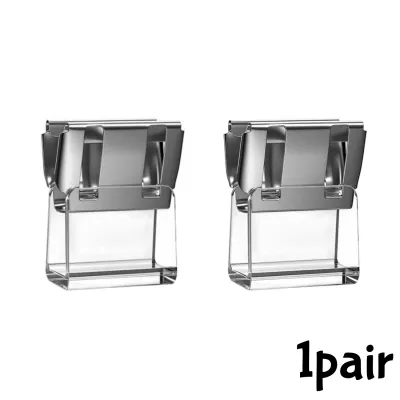
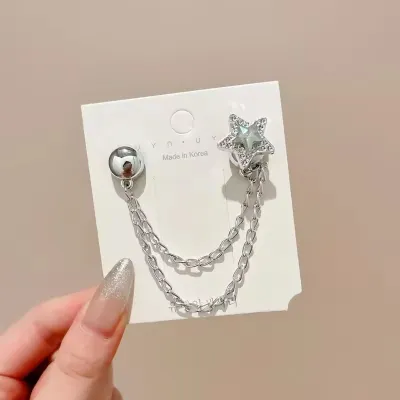
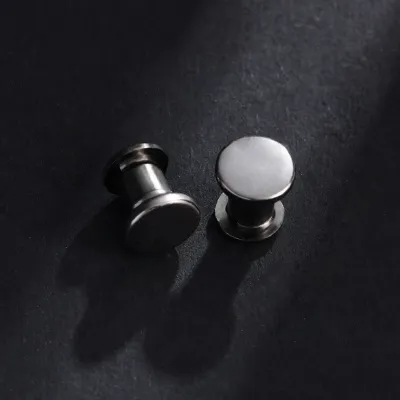
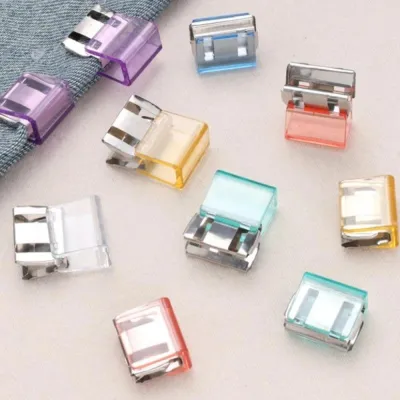
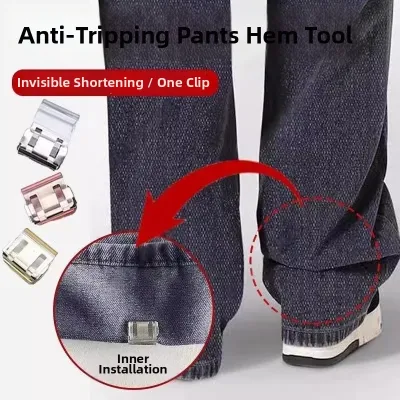
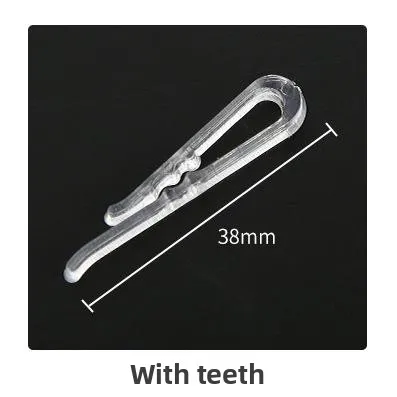
Prices are valid at publication and may change. Please refer to the product page for the latest price.
Additionally, users must observe important safety and practical precautions when handling magnetic clips. Because these devices utilize relatively strong magnets to secure fabric through multiple layers, they can pose risks to individuals with pacemakers, defibrillators, or other active medical implants. It is also wise to keep these clips away from magnetic-sensitive items, such as mechanical watches, magnetic stripe cards, and certain electronic devices, to prevent interference or damage. Before purchasing, verify the manufacturer’s warnings regarding magnetic strength and safety guidelines to ensure they fit your lifestyle and health requirements.
Button and Snap Clips for Medium-Weight Trousers
For everyday wear, such as casual linen trousers, office chinos, and standard cotton-blend pants, button and snap clips offer a highly secure and reliable middle ground. These fasteners typically operate using a two-part mechanism: a small, low-profile button or snap that anchors to the interior fold, and a corresponding receiver that locks the folded hem in place. Some designs utilize a pin-and-clasp system similar to a security tag, while others use a fold-over snap that grips the fabric edge. Because medium-weight fabrics have a tighter, more resilient weave than delicate silks, they can easily withstand the localized pressure of a snap fastener without suffering fiber distortion or tearing.

The primary advantage of button and snap clips is their mechanical stability. Once clicked into place, they are highly resistant to slipping, even when subjected to the friction of walking, climbing stairs, or sitting. This makes them an excellent choice for active days or professional environments where you cannot afford to have your hem fall mid-way through a meeting. However, because these clips have a slightly thicker physical profile, they can introduce unwanted bulk. On very thin, tight-fitting, or highly draped trousers, the outline of the button or snap may telegraph through the fabric, creating an unsightly bump or altering the natural hang of the pant leg.
To achieve a polished look with button and snap clips, precise alignment is absolutely critical. Because these fasteners lock into a fixed position, any slight misalignment between the front and back of the hem will result in an uneven, puckered, or crooked hemline. When installing them, it is best to lay the trousers flat on a clean surface, measure the fold accurately with a sewing ruler, and mark the placement points lightly with tailor’s chalk. Testing the drape while standing in front of a mirror will help you verify that the hem remains level and that the clips do not pull the fabric awkwardly during natural leg movements.
Adjustable Tension and Clamp Clips for Heavy Fabrics
Heavy-duty garments like denim jeans, thick canvas work pants, and heavy wool trousers require a significantly more robust holding mechanism than magnets or light snaps can provide. This is where adjustable tension and clamp clips become indispensable. These tools utilize physical pressure, spring-loaded jaws, or sliding tension collars to clamp down on thick, multi-layered folds of fabric. Because a folded denim hem can easily consist of three or four layers of dense material at the seams, only a mechanical clamp can exert enough force to keep the fold flat and secure against the weight of the fabric.
While tension clamps are highly effective at managing heavy materials, they carry a distinct risk of leaving physical impressions on your clothing. The high pressure required to hold heavy fabrics can crush the pile of textured materials like corduroy or velvet, and it can leave deep, stubborn crease marks on dense cotton and wool. If left attached for extended periods, the teeth or textured pads inside the clamp jaws may even weaken or break the individual fibers of the weave. Therefore, these clips should be used with caution, and you should always check if the clamp interior features protective silicone or rubber pads designed to distribute pressure evenly without biting into the fabric.
Before purchasing adjustable tension clips, always verify the maximum fabric thickness and weight capacity specified by the manufacturer. Attempting to force a clamp onto a seam that exceeds its physical capacity can bend the metal components, snap plastic levers, or cause the clip to pop off unexpectedly under tension. When applying these clips, adjust the tension gradually. Start with the minimum pressure required to hold the fold in place, and only increase the tension if you observe the fabric slipping. This careful approach ensures your hem stays securely shortened without subjecting the textile fibers to unnecessary structural stress.
How to Match Clip Types to Your Pants and Fabric
Selecting the right pants clip to shorten your trousers requires a careful evaluation of the garment’s physical properties. The primary factors to consider are fabric weight, drape, and the overall silhouette of the pants. Lightweight fabrics with a fluid drape, such as silk or rayon, require lightweight, low-profile clips that will not drag the hem downward or disrupt the fabric’s natural movement. Conversely, stiff, heavy fabrics require high-tension mechanical clips that can overcome the natural resistance of the thick fold.
The cut of your trousers also plays a significant role in determining which clip profile is most suitable. Wide-leg trousers, which naturally billow and move away from the ankle, can easily conceal slightly bulkier button or snap clips inside the deep folds of the hem. Tapered, slim-fit, or straight-leg pants, however, sit much closer to the body and shoes. For these styles, a bulky clip will not only be visible from the outside but may also rub uncomfortably against your ankle or catch on your footwear as you walk. In these scenarios, ultra-thin magnetic clips or flat tension sliders are highly preferred to maintain a clean, uninterrupted silhouette.
To help you quickly identify the most compatible temporary hemming solution, refer to the selection matrix below:
| Fabric Type | Fabric Weight | Recommended Clip Type | Key Consideration |
|---|---|---|---|
| Silk, Satin, Chiffon | Very Light | Magnetic Hem Clips | Prevents snags and punctures; zero fabric damage. |
| Linen, Thin Cotton | Light to Medium | Button / Snap Clips | Secure hold; check for outer profile visibility. |
| Polyester, Synthetic Blends | Medium | Button / Snap Clips | Resists slipping; ensures a consistent, neat drape. |
| Denim, Heavy Canvas | Heavy | Tension / Clamp Clips | High clamping force needed to hold thick seams. |
| Wool, Tweed | Medium to Heavy | Tension / Clamp Clips | Use padded clamps to avoid crushing textured fibers. |
While pants shortening clips are incredibly convenient for quick adjustments, they are not a universal replacement for traditional tailoring. For formal wear, delicate evening gowns, or high-end bespoke suits, temporary clips can look bulky and may fail to deliver the flawless, invisible finish required for special occasions. Additionally, if you find yourself using temporary clips on the same pair of pants permanently, investing S$15 to S$30 in a professional tailor or using high-quality iron-on hemming tape is a much safer, more durable alternative that eliminates the risk of losing a clip while on the go.
Essential Checks Before Buying and Using Hem Clips
To ensure a successful and damage-free experience, always perform a few essential checks before buying and applying any temporary shortening clips. First, carefully read the manufacturer’s product specifications, paying close attention to the maximum recommended fabric thickness, weight limits, and care instructions. Many clips are designed strictly for light-to-medium casual wear and will fail or break if forced onto heavy denim seams. Knowing these boundaries beforehand prevents product damage and ensures you select a tool capable of handling your specific wardrobe.
Before committing to wearing a clipped hem out of the house, perform a hidden spot test on an inconspicuous area of the garment, such as the inside of the hem or an inner seam allowance. Attach the clip to this test area for several hours, then remove it to check for any signs of fabric distress. Look closely for snags, pulled threads, permanent creases, fiber indentation, or discoloration. If the test area shows visible fiber stress, fabric shine, or structural weakness, stop using that specific clip type immediately and explore gentler alternatives, such as fabric-safe adhesive tape or professional sewing.
Finally, evaluate the physical profile of the clips while wearing the trousers. Walk around your home, sit down, climb stairs, and check if the clips catch on your socks, rub against your shoes, or create a tripping hazard. A clip that protrudes too far inward can cause physical discomfort, while one that sticks out outward can snag on carpets or furniture. If the clip alters the natural drape of the pants so severely that they look stiff or distorted, it is a clear sign that the clip is either too heavy for the fabric or positioned incorrectly. If you encounter persistent issues with fit, comfort, or fabric safety, consult a professional tailor to discuss a permanent, sewn hemline.
Frequently Asked Questions (FAQ)
Can you wash pants while the shortening clips are attached?
No, you should always remove all temporary shortening clips before washing, drying, or ironing your pants. Most manufacturers explicitly warn against exposing these clips to water, high heat, and the mechanical agitation of laundry appliances. Metal clips, even those treated with rust-resistant coatings, can corrode over time when exposed to moisture, leading to permanent rust stains on your clothing. Plastic and magnetic clips can easily warp, crack, or lose their magnetic strength under the high temperatures of a clothes dryer. Furthermore, leaving clips attached during a wash cycle poses a severe risk of the clips catching on the washing machine drum, tearing the fabric of your trousers, or damaging other garments in the load.
Do pants shortening clips leave permanent marks on the fabric?
Whether a shortening clip leaves a permanent mark depends heavily on the clip’s tension, the fabric’s fiber content, and how long the clip remains attached. High-tension clamp clips and tight snap fasteners are highly likely to leave temporary indentations or creases, particularly on natural fibers like cotton, linen, and wool, which naturally retain shapes easily. In most cases, these temporary marks can be safely removed by steaming the area or ironing it according to the garment’s official care label instructions. However, if a high-pressure clamp is left on a delicate or synthetic fabric for weeks at a time, it can cause permanent fiber deformation, fabric shine, or even structural breakage. If you notice persistent marks that do not disappear after a gentle wash or steam, discontinue using that specific clip to prevent permanent damage.

Community discussion
Share your experience or ask a question. Comments are reviewed before publication.