
Shortening pants without a sewing machine is a highly convenient solution, especially when using a reliable fusible hemming tape. To find the best tape for shortening pants in Singapore’s humid climate, you must look beyond brand names and focus on adhesive weight, fabric compatibility, and wash resistance. The ideal choice depends entirely on matching the tape’s melting point and adhesive density to the specific weight and fiber content of your trousers. By understanding how different adhesives interact with textiles, you can achieve a clean, durable, and completely invisible hem right at home.
Matching Hemming Tape Types to Your Pant Fabrics
Selecting the right hemming tape requires a clear understanding of the two primary adhesive structures: fusible web and solid adhesive film. Fusible web, often referred to as mesh tape, consists of a loose, web-like network of adhesive fibers. When heated, this web melts into the fabric yarns, creating a flexible bond that preserves the natural drape and movement of the garment. It is highly suited for lightweight to medium-weight fabrics, such as linen trousers, cotton chinos, and summer suit pants, where stiffness would ruin the silhouette.
In contrast, solid adhesive film is a continuous, solid layer of thermoplastic material, often backed by a removable paper strip. This type of tape delivers a much denser and more rigid bond, making it the ideal choice for heavy-duty fabrics like denim, canvas work pants, and thick wool trousers. Using a delicate web tape on heavy denim will almost certainly result in the hem failing under the weight of the fabric fold, while using a heavy solid film on lightweight dress pants will create an unsightly, stiff ridge that ruins the drape.
Products mentioned in this guide
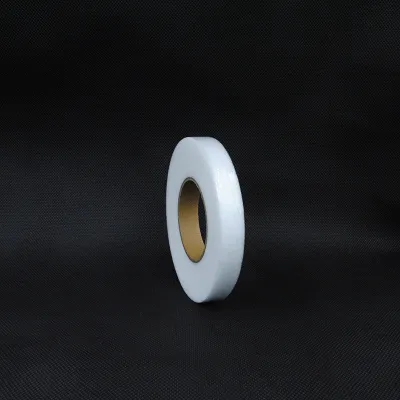
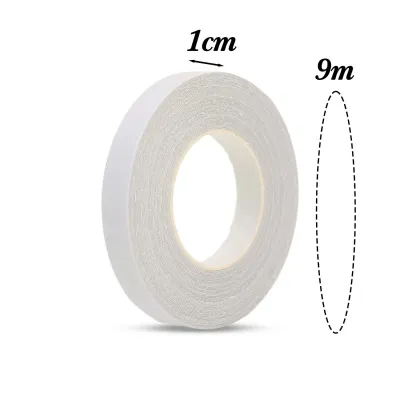
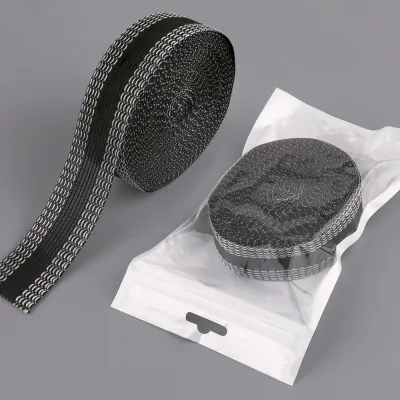
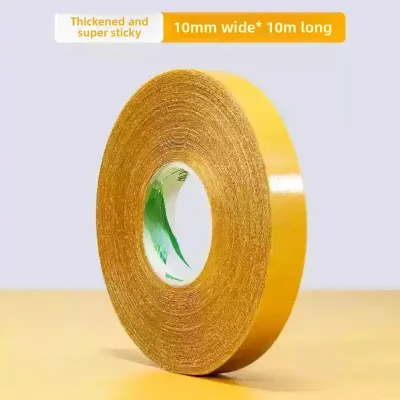
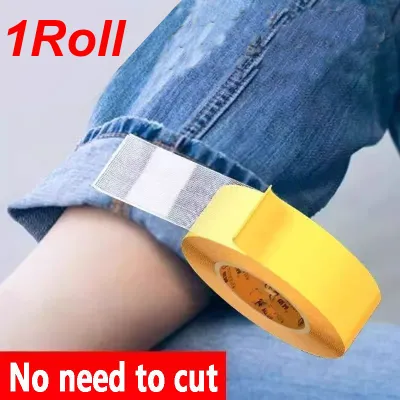
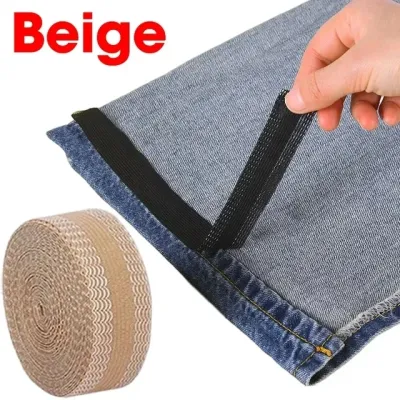
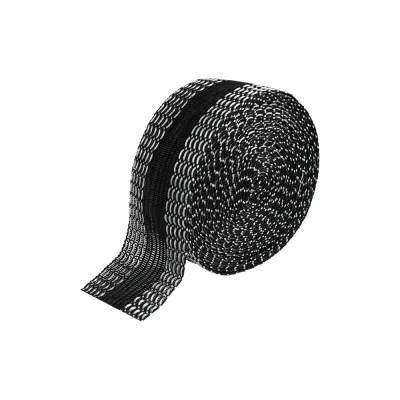
Prices are valid at publication and may change. Please refer to the product page for the latest price.
Width selection is another critical factor that directly impacts the durability and appearance of your altered hem. Standard hemming tapes generally range in width from 1.2 centimeters to 2.5 centimeters. For lightweight dress pants or trousers with a narrow hem allowance, a narrower tape of 1.2 to 1.5 centimeters is recommended to keep the alteration discreet and flexible. For heavy denim, cargo pants, or wide-leg trousers, a wider tape of 2 to 2.5 centimeters is necessary to distribute the mechanical stress of walking and washing across a larger surface area, ensuring the hem remains secure.
Finally, you must consider the temperature required to activate the adhesive. Different thermoplastic materials melt at different temperatures, typically ranging from 130°C to 200°C. Polyamide-based adhesives melt at lower temperatures, making them safer for synthetic blends and delicate fabrics that cannot tolerate high heat. Copolyester and polyurethane adhesives require higher temperatures to melt but offer superior resistance to hot water and dry cleaning, making them better suited for robust cotton and linen garments. Always verify that your pant fabric can safely withstand the temperature required to melt your chosen tape before proceeding.
How to Evaluate Hemming Tape Brands and Specifications
When shopping for hemming tape, evaluating the technical specifications printed on the manufacturer’s label is far more reliable than relying on brand popularity. The first detail to examine is the washability rating, which dictates how the adhesive will behave when exposed to water and heat. In Singapore’s tropical climate, garments require frequent laundering, meaning you should prioritize tapes explicitly labeled as “permanent” and “machine washable.” Avoid tapes labeled as “temporary” or “basting” tapes, which are designed to dissolve in the wash and are only meant to hold fabric in place temporarily during sewing.

Next, cross-reference the adhesive strength claims with the care instructions of your pants. Manufacturers typically categorize their products into light, regular, and heavy-duty or ultra-hold strengths. A heavy-duty tape requires a high-heat iron setting and prolonged pressing time to melt completely; if your pants are made of a delicate polyester or nylon blend, attempting to apply a heavy-duty tape will likely scorch or melt the fabric before the adhesive even activates. Conversely, a regular-strength tape applied to heavy cotton drill will fail to penetrate the thick fibers, leading to premature peeling.
Brand transparency is a strong indicator of product quality and reliability. Reputable haberdashery manufacturers clearly state the chemical composition of the adhesive—such as 100% polyamide or copolyester—and provide precise application parameters, including iron temperature, pressing time, and whether steam is required. They will also clearly outline any dry-cleaning restrictions, as certain chemical solvents used in professional dry cleaning can dissolve specific types of fusible adhesives. If a product package lacks these detailed specifications and instructions, it is best to avoid it, as low-quality adhesives can leave permanent, gummy residues that ruin your clothing.
Step-by-Step Application for a Secure No-Sew Hem
Achieving a professional-looking, secure hem starts with meticulous fabric preparation. Always wash, dry, and iron your pants before applying hemming tape; new fabrics often contain sizing agents and starches that repel adhesives, and pre-washing ensures any potential fabric shrinkage occurs before the tape is bonded. Once clean, try on the pants with the shoes you plan to wear, measure the desired length, and mark it clearly with tailor’s chalk. Cut away the excess fabric, leaving a consistent hem allowance of 3 to 4 centimeters, and use pinking shears or a fray-preventing liquid on the raw edge to prevent loose threads from unraveling inside the hem over time.
Before introducing the tape, fold the hem allowance inward to the marked line and press the fold firmly with a hot iron to create a sharp, permanent crease. This step is crucial because it establishes a clean guide and ensures the fabric lies completely flat. Next, cut a piece of hemming tape slightly shorter than the circumference of the pant leg to prevent the ends from overlapping and creating a bulky spot. Place the tape entirely inside the folded hem, positioning it about 0.5 centimeters away from the folded edge so that no adhesive can seep out and stick to your iron or the outside of the pants.
To activate the adhesive, set your iron to the temperature recommended on the tape’s packaging, ensuring the steam function is turned on if specified. Place a damp, clean pressing cloth over the folded hem to protect the pant fabric from direct heat and to generate the steam necessary to melt the adhesive fibers. Press the iron straight down onto the damp cloth with firm, even pressure for 10 to 15 seconds; do not slide the iron back and forth, as this motion can shift the tape and cause the fabric to pucker. Lift the iron, move to the adjacent section, overlapping slightly with the previously pressed area, and repeat the process until the entire hem is bonded.
The final, and most frequently overlooked, step is the cooling phase. Once you have finished pressing the hem, lay the pants completely flat on a hard surface and allow them to cool undisturbed for at least 20 to 30 minutes. Fusible adhesives form their permanent chemical bond as they cool and solidify; moving, folding, or trying on the pants while the adhesive is still warm will disrupt this bonding process, leading to immediate or premature hem failure. Always perform a complete test run on a scrap piece of the cut-off fabric first to verify the iron temperature and pressing time before working on the actual garment.
Troubleshooting Common Hemming Tape Failures
Understanding how to diagnose and correct common hemming tape issues can save your garments from permanent damage. If you notice the edges of the hem beginning to peel or lift after the first wash, the most common cause is insufficient heat or pressure during the initial application. To fix this, you can often re-press the area using a damp cloth and a slightly hotter iron, applying firm pressure for a few extra seconds to re-melt and set the adhesive. If the fabric has a water-resistant or stain-resistant coating, however, the adhesive may never bond properly, as these chemical finishes prevent the melted glue from penetrating the textile fibers.
Another frequent issue is adhesive seepage, where excess glue melts through the fabric, leaving a shiny, stiff, or sticky residue on the visible side of the pants. This typically happens when the tape used is too heavy for the fabric, or when the iron was held in place for too long at an excessively high temperature. To remove minor adhesive residue, place a clean scrap of cotton fabric over the affected area and press it with a warm iron; the heat should soften the residue, allowing it to transfer onto the scrap fabric. For stubborn spots, a specialized adhesive remover safe for fabrics can be applied sparingly, though you must test it on an inconspicuous area first to ensure it does not discolor the dye.
There are times when you must recognize the limitations of no-sew alterations and transition to traditional sewing. If your pants are made of highly textured fabrics like corduroy, heavily ribbed knits, or extremely porous materials, hemming tape will not have enough flat surface area to establish a secure bond. Similarly, garments that undergo extreme physical stress, such as heavy-duty workwear or athletic pants, are better suited for a stitched hem, as the mechanical movement will eventually fatigue and break any fusible adhesive bond.
Building Your Shortlist: What to Check Before Buying
When preparing to purchase hemming tape, creating a checklist of physical and environmental factors will help you avoid incompatible products. First, inspect the packaging for storage requirements and shelf-life warnings. In Singapore’s high humidity, open rolls of adhesive tape can absorb moisture from the air, which degrades the chemical properties of the thermoplastic over time and leads to weak bonds. Look for products packaged in resealable plastic bags or sturdy containers that protect the roll from dust, moisture, and ambient heat during storage.
Consider your usage frequency when deciding between single-use rolls and multi-packs. If you only need to shorten a single pair of trousers for a special event, a standard single roll of 5 to 10 meters is highly economical, typically costing between S$3 and S$8. However, if you regularly manage wardrobe alterations for a family, purchasing a multi-pack containing various widths and adhesive weights is far more cost-effective. This ensures you always have the correct tape on hand, whether you are working on delicate school uniform blouses or heavy denim jeans.
Finally, verify the authenticity of the seller when purchasing from online marketplaces or local haberdashery shops. Counterfeit or low-grade generic tapes are common on e-commerce platforms, and they often use sub-standard adhesives that wash out immediately or ruin fabrics with permanent sticky marks. Read customer reviews carefully, filtering for feedback that specifically mentions wash durability, ease of application, and performance on different fabric types. A reliable seller will have consistent positive reviews detailing how well the hem held up after multiple machine washes, giving you confidence in your purchase.
Frequently Asked Questions (FAQ)
Will Hemming Tape Survive Regular Machine Washing?
Yes, high-quality permanent hemming tapes are fully capable of surviving regular machine washing, provided they are applied correctly with the appropriate heat, steam, and pressure. To maximize the lifespan of the bond, wash the altered pants in cool or warm water on a gentle cycle, and avoid high-heat tumble drying, which can re-soften the adhesive and cause the hem to separate. Always check the tape’s packaging to confirm if it is rated for machine washing, hand washing, or dry cleaning only.
Is Hemming Tape Safe for Delicate or Stretchy Fabrics?
Hemming tape can be risky for delicate fabrics like silk or high-spandex activewear because the heat required to melt the adhesive can easily scorch, shrink, or melt these sensitive fibers. Additionally, standard fusible tapes do not stretch, meaning they will restrict the natural elasticity of stretch fabrics, leading to puckering or snapped bonds when the garment is worn. For delicate or highly elastic pants, it is safer to perform a low-temperature patch test first, use a specialized flexible stretch tape, or opt for professional hand-sewing.
Community discussion
Share your experience or ask a question. Comments are reviewed before publication.