
Selecting the right jean cloth, universally known as denim, is the foundation of any successful sewing project. This iconic fabric is characterized by its diagonal twill weave, which traditionally interlaced indigo-dyed warp threads with white weft threads. Because denim is available in a vast range of weights, elasticities, and finishes, choosing the wrong type can lead to fitting issues, broken sewing machine needles, or garments that are uncomfortable to wear. By understanding the structural differences between raw, washed, and stretch denim, you can confidently match the perfect fabric to your specific design.
To make an informed decision, you must balance the structural demands of your pattern with the desired comfort and drape of the finished item. Heavy-duty bags require a stiff, unyielding fabric, while form-fitting jeans demand flexibility and recovery. Evaluating these factors before purchasing your yardage ensures that your sewing machine can handle the material and that the finished project will perform beautifully over years of wear.
Understanding the Core Types of Jean Cloth
Every roll of jean cloth begins with a twill weave, but the manufacturing and finishing processes that follow create distinct categories of fabric. These categories dictate how the material behaves on your cutting table, how it feels against your skin, and how it reacts to its first trip through the washing machine.
Products mentioned in this guide
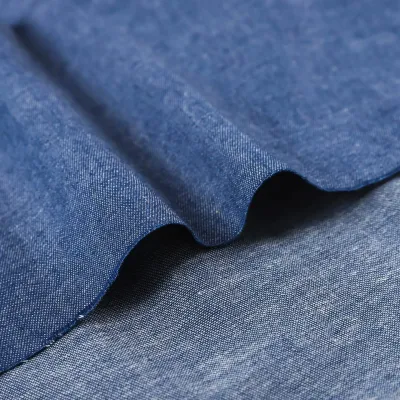
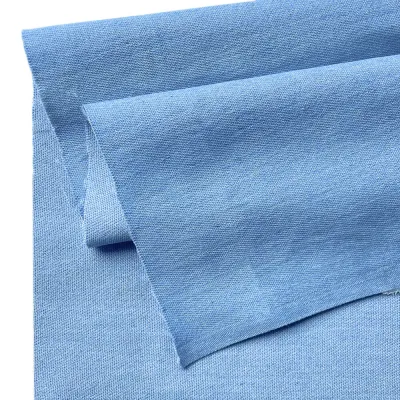
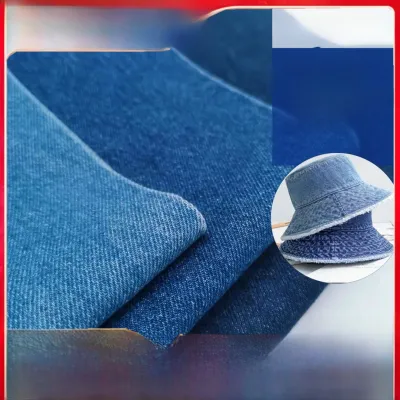
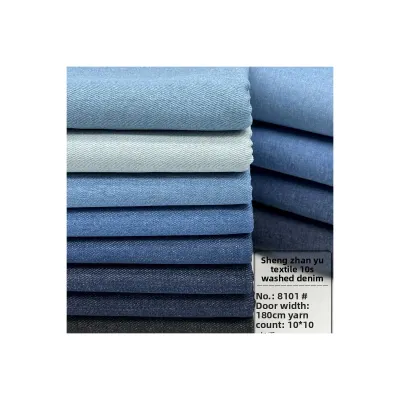
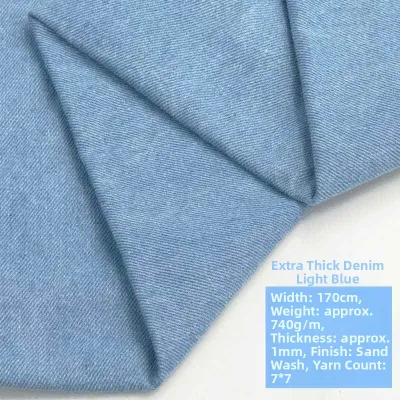
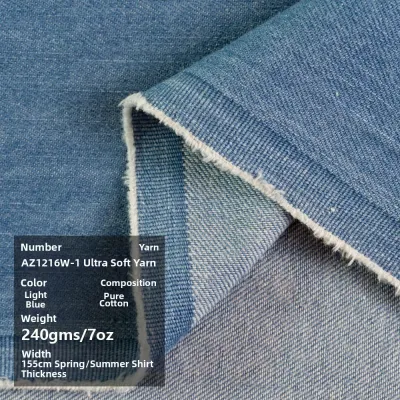
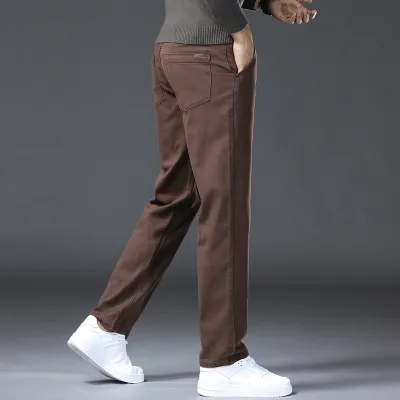
Prices are valid at publication and may change. Please refer to the product page for the latest price.
Raw and Rigid Denim
Raw denim, often referred to as unwashed or dry denim, is fabric that remains exactly as it came off the loom. It has not undergone any industrial washing, distressing, or softening processes. When you handle raw denim, you will immediately notice its stiff, starchy hand feel and deep, uniform indigo color. Because it has not been pre-washed, raw denim contains a significant amount of temporary sizing starch, which gives it excellent structure but also makes it highly prone to shrinkage.
For structured projects, rigid denim is highly prized. It holds crisp lines, supports sharp pleats, and gradually molds to the unique shape of the wearer over time, developing personalized crease patterns and natural color fades. However, this traditional appeal comes with a major caveat: raw denim can shrink by up to 10% upon its first wash. Working with it requires meticulous pre-shrinking and careful pattern adjustments to ensure the finished garment does not end up too small.
Washed and Pre-shrunk Denim
Washed denim is fabric that has undergone commercial laundering, bleaching, or enzyme treatments before being sold. This industrial washing removes the stiff starch, softens the cotton fibers, and pre-shrinks the fabric. A key process to look for is sanforization, a patented mechanical treatment that stretches, shrinks, and dampens the fabric to reduce residual shrinkage to less than 1%.
This category of jean cloth is exceptionally user-friendly, making it the ideal choice for beginners. Because the fabric has already been stabilized, you do not have to worry about dramatic dimensional changes after your project is sewn. Washed denim is immediately soft and comfortable to wear, offering a relaxed drape that works beautifully for casual garments without requiring a lengthy breaking-in period.
Stretch Denim
Stretch denim is engineered by blending traditional cotton yarns with elastic synthetic fibers, such as elastane or spandex. Typically, stretch jean cloth contains between 1% and 5% elastic fiber, with the remainder consisting of cotton or polyester-cotton blends. This modification retains the classic appearance of denim while introducing multi-directional flexibility and shape recovery.
This fabric is the standard choice for modern, form-fitting garments where mobility is a priority. While it offers unparalleled comfort, stretch denim requires specialized handling during the sewing process. Excessive heat from a hot iron or high-temperature dryer can permanently damage and break the delicate elastic fibers, leading to puckered seams and a loss of fabric recovery. Additionally, you must avoid pulling or stretching the fabric as it feeds through your sewing machine to prevent wavy, distorted seams.
Matching Denim Types to Specific Sewing Projects
The key to a professional-looking project is aligning the physical properties of your jean cloth with the functional requirements of the item you are creating. A fabric that makes a durable, structured backpack will be uncomfortably stiff as a summer dress, while a soft quilting denim will collapse under the weight of heavy bag hardware.

Apparel (Jeans, Jackets, and Skirts)
When sewing classic garments, matching the fabric to the silhouette is critical:
- Rigid or Raw Denim: Best suited for classic, straight-leg or wide-leg trousers, utility chore coats, and structured denim jackets. A mid-to-heavyweight rigid denim (12 to 14 ounces) provides the traditional workwear structure and durability that allows these garments to retain their shape over years of heavy wear.
- Stretch Denim: Essential for skinny jeans, fitted pencil skirts, and children's play clothes. A lightweight to mid-weight stretch denim (8 to 11 ounces) allows these close-fitting garments to move with the body, preventing binding at the knees and hips while maintaining a snug, flattering fit.
Bags, Accessories, and Heavy-Duty Items
For utilitarian items like tote bags, backpacks, tool rolls, and structured hats, you should prioritize durability and weight-bearing capacity:
- Heavyweight Rigid Denim: A non-stretch denim weighing 14 ounces or more is ideal. Non-stretch utility fabrics ensure that the bag holds its shape even when empty and will not sag or distort under the weight of books or laptops.
- Hardware Compatibility: Heavy-duty accessories often require the installation of metal rivets, heavy-toothed zippers, and snap buttons. Rigid, densely woven denim provides a stable, unyielding foundation that prevents these metal fasteners from tearing through the fabric under stress.
Home Decor and Quilting
Projects intended for living spaces require a focus on comfort, washability, and ease of manipulation:
- Lightweight Washed Denim: Opt for a 4 to 7-ounce pre-shrunk denim for items like throw pillows, table runners, and casual aprons. The lighter weight makes the fabric easy to press, fold, and sew, ensuring clean corners and smooth seams.
- Quilting Considerations: If you are piecing together a denim quilt, washed denim is highly recommended. It prevents the finished quilt from being overly heavy and stiff, and ensures that the individual patches do not bleed dye onto adjacent fabrics during subsequent washes.
Decision-Making Framework
Before purchasing your fabric, ask yourself these diagnostic questions:
- Does the pattern require structure or drape? If the pattern has structured pleats, collars, or sharp style lines, choose a rigid denim. If it features gathers, cowl necks, or fluid lines, choose a lightweight washed denim or a denim-tencel blend.
- Is immediate comfort more important than long-term wear patterns? If you want a garment that feels broken-in from day one, choose washed denim. If you enjoy the process of wearing in a garment to create custom fades, invest in raw denim.
Essential Fabric Specifications to Check Before Buying
When shopping for jean cloth, relying on product photos can be misleading, as different lighting and styling can mask the true nature of the textile. To ensure you are ordering the correct material, you must verify the technical specifications listed on the fabric bolt or product detail page.
Fabric Weight (oz/yd² or g/m²)
Denim is categorized by its weight, which is measured either in ounces per square yard (oz/yd²) or grams per square meter (g/m²). This metric is the single most important indicator of how thick, stiff, and heavy the fabric will feel:
- Lightweight (4 to 7 oz / 135 to 240 g/m²): Ideal for button-down shirts, summer dresses, lightweight pajamas, and quilting. It is highly breathable and easy to sew on standard domestic machines.
- Mid-weight (8 to 11 oz / 270 to 370 g/m²): The most versatile range, perfect for standard jeans, casual jackets, skirts, and lightweight home decor. It offers a balance of durability and comfort.
- Heavyweight (12 to 16+ oz / 400 to 540+ g/m²): Designed for rugged workwear, heavy winter coats, and durable accessories. This weight requires heavy-duty sewing equipment and specialized construction techniques.
Weave and Twill Direction
The direction of the diagonal twill line on the face of the fabric influences both its texture and how it ages:
- Right-Hand Twill (RHT): The most common denim weave, where the diagonal lines run from the bottom-left to the top-right. This weave creates a tight, compact fabric that produces sharp, high-contrast wear fades over time.
- Left-Hand Twill (LHT): The diagonal lines run from the bottom-right to the top-left. Left-hand twill is woven using left-spun yarn, which naturally untwists slightly during weaving, resulting in a noticeably softer hand feel after washing.
- Broken Twill: This weave alternates the direction of the diagonal lines, creating a subtle zig-zag pattern. It was designed to eliminate "leg twist," a common phenomenon where the seams of rigid jeans twist toward the front of the leg after washing.
Fiber Content and Blends
Always read the composition label to understand how the fabric will wear, breathe, and wash:
- 100% Cotton: Highly breathable, exceptionally durable, and biodegradable. It softens beautifully with age but is prone to deep wrinkling and requires a dedicated breaking-in period.
- Polyester-Cotton Blends: The addition of polyester increases the fabric's tensile strength, resistance to abrasion, and wrinkle recovery. However, it can make the fabric less breathable and more prone to pilling.
- Rayon, Tencel, or Lyocell Blends: These semi-synthetic fibers add a silky softness, subtle sheen, and fluid drape to the denim, making them excellent choices for lightweight women's apparel.
Selvedge vs. Non-Selvedge
Understanding the loom type helps you evaluate the price and layout of your fabric:
- Selvedge Denim: Woven on traditional, narrow shuttle looms. The edges of the fabric are finished with a clean, tightly woven band (often featuring a signature red or blue ID thread) that cannot fray. Selvedge denim is highly durable and highly collectible, but it is typically only 29 to 31 inches wide, requiring you to buy more yardage to fit your pattern pieces.
- Non-Selvedge Denim: Woven on modern, high-speed projectile looms. The fabric is much wider (usually 58 to 60 inches) and has raw, frayed edges that must be finished. It is more economical, easier to lay out, and widely available.
Preparation and Sewing Tips for Jean Cloth
Working with denim requires a few adjustments to your standard sewing workflow. Because of its density and dye characteristics, proper preparation and tool selection are essential to prevent skipped stitches, broken needles, and ruined garments.
Pre-washing and Pre-shrinking
Unless you are intentionally making unwashed, raw denim garments that you plan to dry-clean, you must pre-wash your jean cloth before cutting your pattern pieces:
- Dye Bleeding: Indigo dye is notorious for crocking (rubbing off) and bleeding in the wash. Always wash your denim separately or with like colors. Adding a cup of white vinegar to the rinse cycle can help set the dye, though some color loss is normal.
- Crease Prevention: To prevent permanent white crease lines from forming during the wash cycle, unfold the fabric completely before placing it in the machine. Use a gentle cycle with cold or warm water, and avoid high-speed spin cycles which can crush the wet cotton fibers into permanent wrinkles.
- Drying: Air dry the fabric flat or hang it up. If you plan to tumble dry the finished garment, tumble dry the fabric on low heat during the pre-wash phase to force any potential shrinkage out of the way. Press the fabric with a hot steam iron while it is still slightly damp to remove deep creases.
Needle and Thread Selection
Standard sewing needles will struggle to pierce the dense weave of mid-to-heavyweight denim, leading to skipped stitches or bent needles:
- Jeans/Denim Needles: These needles have a reinforced shaft and an extremely sharp, slender point designed to punch through dense twill fabrics without deflecting. Use size 90/14 for lightweight to mid-weight denim, and size 100/16 or 110/18 for heavyweight fabrics.
- Thread Selection: For structural seams, use a high-quality, heavy-duty polyester or cotton-wrapped polyester thread. Standard sewing thread is too thin to withstand the stress placed on denim seams. For the classic contrast topstitching, use a specialized, thicker topstitching thread in your needle, but keep regular construction thread in your bobbin to prevent tension issues.
Seam Finishes and Hardware
Because denim is prone to heavy fraying, raw edges must be finished securely:
- Flat-Felled Seams: The gold standard for denim construction. This seam completely encloses the raw edges, provides exceptional strength, and lays flat against the body to prevent chafing.
- Overlocked/Serged Edges: If your machine cannot handle the bulk of a flat-felled seam, serge the raw edges of your pattern pieces before sewing, or finish them with a clean bias binding (often called a Hong Kong finish) for a high-end interior look.
- Testing Hardware: Before installing heavy metal rivets or jean buttons on your finished garment, always perform a test run on a scrap piece of fabric folded to the exact thickness of your seam. This allows you to verify that the metal tacks are the correct length and will not bend or slip out of place.
Frequently Asked Questions (FAQ)
Do I need a special sewing machine for heavy jean cloth?
You do not necessarily need an industrial machine to sew denim, but standard domestic machines have limits. Most domestic sewing machines can comfortably handle lightweight to mid-weight denim (up to 12 ounces) as long as you use a dedicated jeans needle, high-quality thread, and sew at a moderate speed. However, sewing through multiple layers of heavyweight rigid denim—such as the intersection of a flat-felled seam on a pair of 14-ounce jeans—can strain a standard domestic motor. Always consult your sewing machine’s manual to verify its maximum fabric thickness limits, use a hump jumper tool to keep your presser foot level over thick seams, and turn the handwheel manually when navigating extremely dense spots to avoid damaging the machine’s internal timing.
How should I pre-wash raw denim before sewing?
To safely pre-wash raw denim, unfold the fabric completely to prevent the washer drum from creating permanent white crease lines along the folds. Wash the fabric entirely by itself in cold or lukewarm water using a mild, bleach-free detergent to manage shrinkage while preserving as much of the rich indigo dye as possible. Avoid high-speed spin cycles. Once the wash is complete, immediately remove the wet fabric from the machine, shake it out, and hang it to air dry away from direct sunlight. While the denim is still slightly damp, press it thoroughly with a hot steam iron to smooth out any remaining wrinkles, which will ensure highly accurate pattern cutting.

Community discussion
Share your experience or ask a question. Comments are reviewed before publication.