
Selecting the right denim cloth for Singapore’s tropical climate requires balancing classic style with breathable comfort. In a region where relative humidity regularly exceeds 80% and temperatures hover around 30°C, heavy, stiff fabrics can quickly become uncomfortable. To enjoy this versatile fabric without overheating, you must focus on lightweight options under 10 ounces (340 GSM) and prioritize natural fiber blends like cotton-linen or cotton-Tencel. By understanding how weaves, fiber compositions, and fabric weights interact, you can select or sew garments that look like traditional denim while remaining remarkably cool and comfortable in the heat.
What Makes Denim Cloth? Key Materials and Weaves
To understand how denim cloth behaves in warm weather, it helps to look at its core construction. Traditional denim is a sturdy cotton warp-faced twill fabric. In this weave, the indigo-dyed warp (vertical) threads pass over two or three undyed weft (horizontal) threads, creating the characteristic diagonal ribbing on the face of the fabric. This specific structure gives denim its legendary durability and structural integrity, but it also results in a dense fabric that naturally resists airflow.
The fiber composition of your denim cloth plays an equally critical role in how it handles heat and moisture. Pure 100% cotton denim is highly breathable and absorbent, making it a reliable choice for humid environments because it allows body heat to escape. In contrast, synthetic blends containing polyester or high percentages of elastane can trap moisture and warm air against your skin. While synthetics add stretch or durability, they often feel clammy in Singapore’s tropical climate.
Products mentioned in this guide
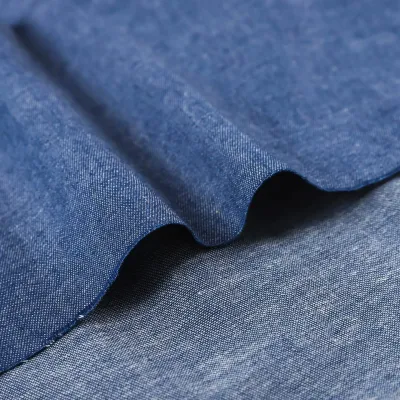
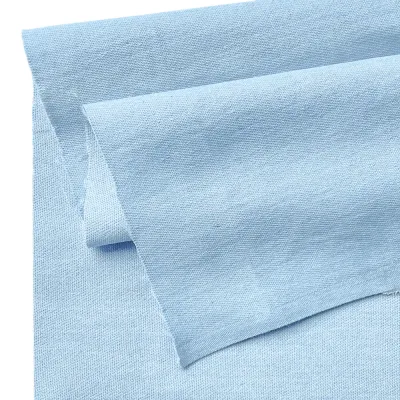
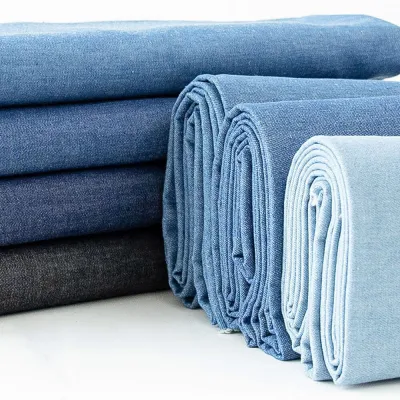
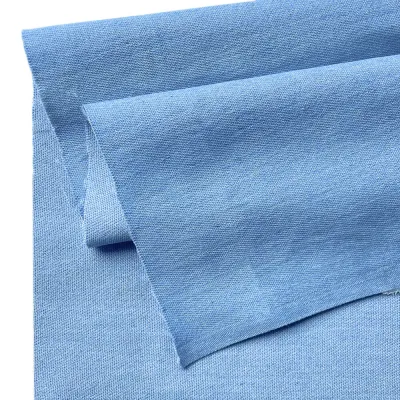
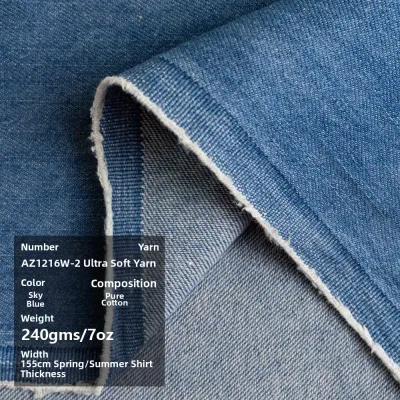
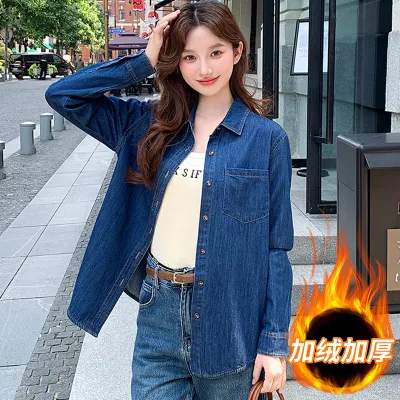
Prices are valid at publication and may change. Please refer to the product page for the latest price.
The traditional yarn-dyeing process also influences the fabric’s initial feel and behavior. Because only the warp yarns are dyed with indigo while the weft yarns remain white, the fabric has a distinct blue face and white underside. This process leaves the fibers coated with dye, contributing to the initial stiffness of raw denim cloth. Over time and through washing, these fibers soften and the dye gradually wears away, creating a personalized fade and a much softer hand feel.
Finally, variations in yarn spinning can dramatically change how a fabric breathes. Slubby denim, which uses yarns of irregular thickness, features natural variations and bumps throughout the weave. These irregularities are not just aesthetic; they prevent the fabric from lying completely flat against your skin. This creates tiny, imperceptible air pockets that facilitate ventilation, helping you stay cooler than you would in a perfectly smooth, tightly woven fabric.
Common Types of Denim Fabric for Sewing Projects
When sourcing denim cloth for your sewing projects, you will encounter several distinct variations, each suited to different applications.

Raw and selvedge denim represent the traditional end of the spectrum. Raw denim is completely unwashed after the dyeing and weaving process, leaving it stiff, rigid, and highly saturated with indigo. Selvedge denim is woven on traditional shuttle looms, resulting in a clean, self-finished edge that resists fraying. While highly prized by denim enthusiasts for its aging potential, raw and selvedge denim is typically heavy and stiff. It is ideal for structured accessories like tote bags, aprons, or heavy utility jackets, but it is generally too warm and restrictive for daily apparel in Singapore.
Stretch denim incorporates elastic fibers, usually 1% to 4% elastane or spandex, into the weft. This addition provides physical comfort, flexibility, and excellent shape retention, making it a popular choice for fitted jeans and skirts. However, you should evaluate the synthetic content carefully. High synthetic percentages can significantly reduce the fabric’s overall breathability, making stretch garments feel hot and restrictive during outdoor activities in high humidity.
For warm-weather apparel, chambray and lightweight denim blends are highly practical alternatives. Chambray is often mistaken for denim because it uses a similar blue warp and white weft color scheme, but it is constructed using a plain weave rather than a twill weave. This plain weave is lighter, looser, and highly breathable. Similarly, denim blended with natural fibers like linen or Tencel (lyocell) offers a beautiful, fluid drape and exceptional airflow. These blends combine the classic aesthetic of denim cloth with the moisture-wicking properties of linen or the silky coolness of Tencel.
Bull denim is another common variety, characterized by its 100% cotton construction and uniform, solid-dyed color (unlike traditional denim, both warp and weft yarns are dyed). Bull denim is incredibly durable and heavy, making it a favorite for home decor, upholstery, heavy slipcovers, and rugged utility wear. Because of its weight and density, it is rarely suitable for lightweight tropical clothing but excels in structured, non-apparel sewing projects.
Understanding Denim Weights: Ounces (oz) and GSM
To make informed decisions when purchasing denim cloth, you must understand how fabric weight is measured and categorized. Globally, textile manufacturers use two primary units: ounces per square yard (oz or oz/yd²) and grams per square meter (GSM). Ounces are more common in traditional tailoring and denim communities, while GSM is widely used in modern fabric stores. To convert between the two, you can multiply the ounce weight by 33.91 to get the approximate GSM.
Lightweight denim is classified as any fabric weighing under 10 ounces (approximately 340 GSM). This category is soft, pliable, and drapes easily. At the lower end of this range (around 4 to 7 oz), the fabric feels similar to a heavy linen or a structured shirt fabric. Lightweight denim cloth is exceptionally comfortable for tropical climates, offering the classic denim look without the insulating bulk.
Mid-weight denim ranges from 10 to 14 ounces (340 to 475 GSM). This is the standard weight class for traditional retail jeans, denim jackets, and structured skirts. While mid-weight denim is highly durable and holds its shape beautifully, it can feel heavy and insulating in tropical heat. If you choose to sew with mid-weight denim in Singapore, it is best to opt for the lighter end of this spectrum (around 10 to 11 oz) and choose loose, airy silhouettes.
Heavyweight denim includes any fabric weighing over 14 ounces (475+ GSM). This material is extremely stiff, thick, and rugged, requiring a significant break-in period. Heavyweight denim is highly insulating and designed to trap body heat, making it entirely unsuitable for tropical apparel. Save these heavy fabrics for durable workwear, specialized outdoor gear, or structured home accessories where breathability is not a priority.
Choosing the Right Denim Weight for Singapore's Climate
Selecting the perfect denim cloth for Singapore’s climate requires a thoughtful approach to fiber, weight, and garment design. The primary challenge of a tropical climate is the combination of high temperatures and constant humidity. To stay comfortable, you need fabrics that allow heat to escape, absorb moisture from the skin, and dry quickly. Thick, tightly woven fabrics trap a microclimate of hot, stagnant air next to your body, leading to discomfort and skin irritation.
For comfortable everyday clothing, you should generally stick to lightweight denim cloth between 6 and 9 ounces. This weight range is ideal for sewing breezy wide-leg trousers, casual button-down shirts, tiered summer dresses, and relaxed A-line skirts. If you want to sew classic-looking jeans, look for a low-end mid-weight denim of about 10 ounces. When paired with a relaxed or wide-leg sewing pattern, a 10-ounce fabric provides just enough structure to look like authentic denim while remaining light enough to allow adequate airflow.
Fiber selection is your best tool for managing humidity. Prioritize 100% cotton, cotton-linen, or cotton-Tencel blends. Linen fibers are naturally hollow and highly breathable, meaning a cotton-linen denim blend will feel cool and dry even on sweltering days. Tencel blends are exceptionally soft and possess excellent moisture-management properties, pulling sweat away from the body and allowing it to evaporate quickly. Be sure to check the fabric label and avoid high-polyester blends, which act as a barrier to airflow and trap perspiration.
Heavier denim weights of 12 ounces and above still have a place in your sewing room, but they should be reserved for specific, non-apparel projects. These weights are excellent for sewing structured tote bags, durable backpacks, utility aprons, or home decor items like throw pillows and storage bins. Because these items do not sit directly against your skin for extended periods, their insulating properties are not a concern, allowing you to enjoy the rugged durability and structural beauty of heavier twills.
When shopping for fabric, always check the drape and weave structure. Hold the denim cloth up to the light to see how tightly woven it is. A slightly looser twill weave or a fabric with a more open structure will promote better ventilation. Gently drape the fabric over your hand to evaluate its stiffness; a fabric that flows and moves easily will be much more comfortable to wear in the heat than one that stands rigid.
Practical Sewing and Care Tips for Warm-Weather Denim
Working with lightweight denim cloth requires specific sewing and maintenance techniques to ensure a professional finish and long-lasting wear in a humid environment.
Pre-washing your fabric is an absolute necessity before you begin cutting your pattern pieces. Denim cloth made from cotton, linen, or Tencel is highly prone to shrinkage during its first few washes. Pre-washing in cool water ensures that your finished garment will not shrink out of fit later. This step also helps wash away excess indigo dye that could otherwise rub off on your sewing machine, hands, or lighter fabrics, while simultaneously softening the fabric’s hand feel for easier handling.
Choosing the correct sewing machine needle and thread is critical for lightweight denim. While heavyweight denim requires thick denim needles (such as size 100/16), lightweight fabrics are much more delicate. Using a needle that is too large can punch permanent, unsightly holes in your fabric and cause puckered seams. Instead, opt for a sharp microtex or standard denim needle in size 70/10 or 80/12. Pair this with a high-quality, all-purpose polyester or cotton-wrapped polyester thread that matches the weight of your fabric.
The way you finish your seams can make a significant difference in both the durability and comfort of your garment. In hot, humid weather, bulky or scratchy seams can cause skin chafing and irritation. To prevent this, utilize flat-felled seams, which enclose all raw edges and lie completely flat against the skin—a classic finish for jeans and shirts. Alternatively, French seams work beautifully on very lightweight denim and chambray, providing a clean, elegant interior. If you are using a serger, ensure your thread is soft to avoid abrasive edges.
Caring for your denim in a humid climate requires a gentle touch to maintain its breathability and prevent musty odors. Wash your garments in cool water with a mild detergent to preserve the color and fiber integrity. Avoid using heavy liquid fabric softeners, as these leave a chemical coating on the fibers that clogs the weave, significantly reducing the fabric’s natural breathability. Finally, ensure your denim is completely dry before folding and storing it. In Singapore’s damp air, even a small amount of residual moisture can quickly lead to mildew and unpleasant odors. Hang your denim garments in a well-ventilated area to keep them fresh.
Frequently Asked Questions (FAQ)
Can I sew jeans with lightweight denim?
Yes, you can certainly sew jeans with lightweight denim cloth, but you should adjust your expectations and construction methods. Lightweight denim (around 8 to 9 ounces) will result in jeans with a soft, fluid, and relaxed drape rather than the rigid, highly structured fit of traditional denim. To ensure success, choose sewing patterns specifically designed for lighter woven fabrics, such as wide-leg trousers or relaxed-fit utility pants. You should also reinforce high-stress areas—such as the pocket corners, belt loops, and zipper fly—with a lightweight fusible interfacing to prevent the fabric from tearing or stretching out of shape over time.
Is stretch denim cooler than 100% cotton denim?
Generally, stretch denim is not cooler than 100% cotton denim. While the addition of elastane or spandex provides physical comfort and allows the fabric to move with your body, these synthetic fibers are not highly breathable. Synthetic materials tend to trap body heat and moisture, which can make stretch denim feel warm and sticky in high humidity. For maximum cooling and comfort in Singapore’s climate, a lightweight 100% cotton denim or a natural blend (such as cotton-linen or cotton-Tencel) is a far superior choice, as these fibers naturally wick moisture and allow excellent airflow.
How do I prevent lightweight denim from fraying while sewing?
Lightweight denim cloth often has a slightly looser weave than its heavyweight counterparts, making it highly prone to fraying along cut edges during handling and sewing. To prevent this, you should finish your fabric edges as soon as possible. You can use pinking shears to cut your pattern pieces, apply a small amount of liquid seam sealant to vulnerable corners, or serge the raw edges immediately after cutting. Pre-washing your fabric before cutting also helps to slightly shrink and stabilize the weave, making the yarns less likely to slip and fray during the construction process.

Community discussion
Share your experience or ask a question. Comments are reviewed before publication.