
Selecting the right cotton fabric is the defining factor between a sewing project that looks professional and wears beautifully, and one that misses the mark. Because cotton is incredibly versatile, it appears in everything from gossamer-thin summer blouses to rugged, heavy-duty utility bags. Navigating the fabric store requires understanding how the raw agricultural fiber is grown, spun, and ultimately woven into the material on the bolt. Matching these physical properties to your specific pattern ensures your finished item drape, holds shape, and survives laundering exactly as intended.
To make an informed choice, you must look beyond the generic “100% cotton” label. The ideal fabric selection requires evaluating two distinct characteristics: the fiber type, which dictates softness, strength, and luster; and the weave structure, which determines weight, breathability, and drape. By assessing these two components alongside your sewing machine’s capabilities, you can confidently select a material that is both easy to work with and perfectly suited to your project.
Understanding Cotton: The Difference Between Fibers and Weaves
Many beginner sewists experience confusion because textile terminology often mixes fiber source and weaving construction. To shop effectively, remember that “cotton” refers strictly to the natural fiber harvested from the seedpods of the cotton plant. In contrast, terms like poplin, voile, canvas, or sateen describe the specific pattern in which those spun cotton yarns are woven together.
Products mentioned in this guide
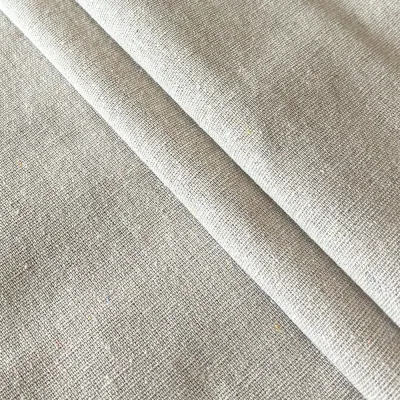
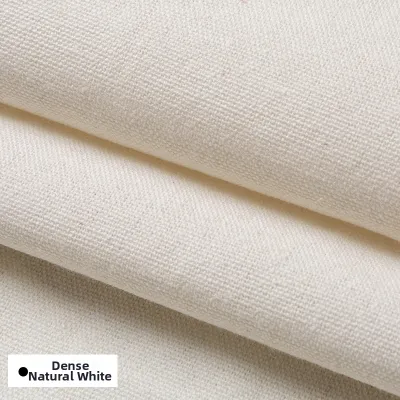
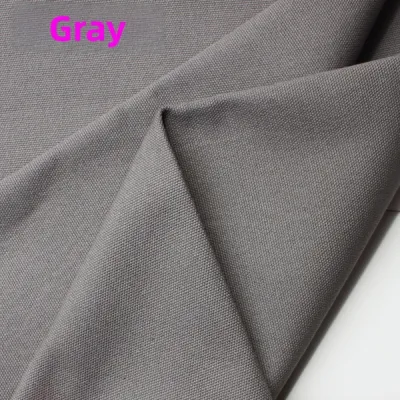
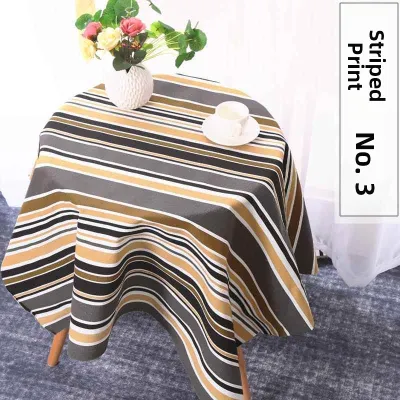
Prices are valid at publication and may change. Please refer to the product page for the latest price.
These two categories frequently overlap on fabric labels. For example, you might encounter a bolt labeled “Pima cotton poplin.” This means the fabric is constructed using premium Pima cotton fibers, which have been woven into a tight, flat plain-weave structure. Understanding this distinction prevents you from buying a fabric that has the correct fiber content but the entirely wrong structure for your pattern.
When browsing fabrics online or in-store, always verify both the fiber content percentage and the weave description. A 100% cotton fabric woven as a heavy canvas will behave entirely differently than a 100% cotton fabric woven as a delicate lawn. Checking the bolt end or the digital product specifications ensures you do not accidentally purchase a stiff, structured material when your garment pattern requires a fluid, lightweight drape.
Cotton Fiber and Yarn Types: What Affects Softness and Durability
The physical characteristics of cotton yarn are determined by the length of the individual plant fibers, known as staples, and how those fibers are processed before spinning. These factors directly influence how the fabric feels against the skin, how well it resists wear, and its overall price point.

Premium Long-Staple Cottons (Pima, Egyptian)
Long-staple cottons are spun from fibers that are significantly longer than standard cotton varieties. While standard short-staple cotton fibers measure around 1.1 inches, long-staple fibers like Pima or Egyptian cotton measure 1.38 inches or longer. This extra length means that when the fibers are spun into yarn, there are fewer exposed fiber ends along the thread.
This structural difference results in a yarn that is exceptionally smooth, strong, and highly resistant to pilling or fraying over time. Fabrics woven from long-staple cottons exhibit a subtle, natural luster and a fluid drape, making them the premier choice for high-end garments, heirloom sewing, and luxury bedding. Because these premium fibers are highly sought after, they command a higher price per meter.
To ensure you are purchasing genuine long-staple cotton, verify the product labels and certifications. Marketing terms on unbranded fabrics can be misleading, as some manufacturers blend small amounts of long-staple fibers with standard cotton while labeling the product as premium. Look for trademarked names or certified seals on the fabric bolt selvage to guarantee the material’s authenticity.
Processed and Specialty Yarns (Combed, Organic)
Beyond fiber length, the mechanical processing of the yarn plays a critical role in the final texture of the fabric. Combed cotton undergoes an extra step where the spun yarn is passed through fine-toothed combs. This process discards short, weak fibers and removes tiny impurities, aligning the remaining long fibers in a perfectly parallel formation. The resulting fabric is remarkably soft, uniform, and less prone to fiber breakage.
Organic cotton focuses on the agricultural origins of the fiber, ensuring the crop is grown without synthetic pesticides, herbicides, or genetically modified seeds. This makes it an excellent choice for sewing projects intended for sensitive skin or infants.
When sourcing organic cotton, do not rely solely on earthy fabric colors or generic brand claims. Instead, verify the fabric’s credentials by looking for recognized international textile certification labels, such as the Global Organic Textile Standard (GOTS) or OEKO-TEX Standard 100, printed directly on the bolt end. These certifications guarantee that the fabric has met strict environmental and chemical safety standards throughout its production.
Common Cotton Weaves and Their Best Sewing Applications
Once the cotton yarn is spun, it is woven on a loom into a specific structure. The density and style of this weave dictate the fabric’s weight, structural integrity, and suitability for different sewing tasks.
Lightweight and Sheer Weaves (Voile, Lawn, Batiste)
Lightweight cotton weaves are characterized by high thread counts, very fine yarns, and a highly breathable, semi-sheer quality. Cotton voile is lightweight and slightly crisp yet soft, while cotton lawn is woven from combed yarns to create a silky, smooth finish with a slightly higher density. Batiste is the softest and most delicate of the three, offering an ultra-fine texture.
These fabrics are highly favored in warm, humid climates like Singapore, where lightweight breathability is essential. They are ideal for sewing breezy blouses, summer dresses, delicate children’s wear, curtains, and soft garment linings. Because they are semi-sheer, garments made from voile or lawn may require lining or layering.
When sewing with these delicate weaves, adjust your equipment to prevent damage. Use a fine sewing machine needle, such as a size 60/8 or 70/10 Microtex or Sharp needle, to avoid punching large holes in the fabric. Additionally, use a shorter stitch length (approximately 2.0 mm) and fine, high-quality sewing thread to prevent the seams from puckering during construction.
Medium-Weight Weaves (Poplin, Quilting Cotton, Calico)
Medium-weight cottons are the workhorses of the sewing world, offering an excellent balance of durability, ease of handling, and versatility. Cotton poplin features a tight, plain weave with a very subtle crosswise rib, resulting in a smooth, crisp fabric that holds its shape well while remaining comfortable. Standard quilting cotton is also a plain weave but is typically coarser, stiffer, and designed specifically to hold its shape during cutting and piecing.
While poplin is excellent for structured shirts, pajamas, and lightweight dresses, standard quilting cotton is best reserved for patchwork, tote bags, aprons, and structured home decor. Quilting cotton generally lacks the fluid drape required for flowing garments, and using it for apparel can result in a stiff, boxy silhouette. Calico is an inexpensive, coarser plain-weave cotton, often printed with small floral designs, making it ideal for sewing mockups, muslins, or casual crafts.
When purchasing medium-weight cottons, always check the fabric width on the bolt. Quilting cotton typically comes in narrower widths of 44 to 45 inches (112 to 114 cm), whereas apparel-grade poplin is often sold in wider widths of 54 to 60 inches (137 to 152 cm). This variance significantly impacts your yardage calculations, so consult your pattern instructions carefully before buying.
Heavyweight Weaves (Canvas, Denim, Twill)
Heavyweight cotton fabrics are engineered for durability, structure, and high resistance to wear and tear. Cotton canvas is a tightly woven, plain-weave or basket-weave fabric that is thick and highly rigid. Denim and cotton twill feature a distinct diagonal rib pattern created by the weaving process, which allows the fabric to be incredibly dense and sturdy while retaining a degree of flexibility.
These fabrics are the premier choice for sewing projects that must withstand heavy daily use. Recommended applications include upholstery, heavy-duty work aprons, backpacks, utility tote bags, and structured outerwear like jackets or trousers. Their thick structure provides excellent support for hardware like metal grommets, rivets, and heavy zippers.
Sewing heavyweight fabrics requires a crucial equipment and safety check. Standard domestic sewing machines can experience motor strain or timing issues when forced through multiple layers of heavy canvas or denim. To protect your machine and prevent needle breakage, install a dedicated Jeans or Denim needle (size 90/14 for medium twill, up to 100/16 or 110/18 for thick canvas) and sew slowly over bulky seam intersections.
How to Match Cotton Fabric to Your Specific Sewing Project
To ensure your sewing project is a success, you must systematically match your desired item’s function to the physical properties of the fabric.
- Apparel (Dresses, Shirts, Skirts): Prioritize drape, breathability, and skin comfort. For garments worn in warm weather, opt for cotton lawn, voile, or lightweight combed cotton poplin. These fabrics allow excellent airflow and feel smooth against the skin.
- Quilting and Patchwork: Prioritize dimensional stability and ease of pressing. Standard quilting cotton is the industry standard here because it does not stretch out of shape when cut on the bias, presses to a crisp edge with a steam iron, and is available in an endless array of prints.
- Home Decor and Bags: Prioritize structure, weight, and abrasion resistance. Canvas, heavy twill, and denim provide the necessary heft to support structural interfacings, carry heavy loads, and resist friction.
- Children’s Clothing and Sensitive Skin: Prioritize softness, breathability, and chemical safety. Choose organic cotton or combed cotton batiste, and verify that the fabric carries an OEKO-TEX certification to ensure it is free from harmful chemical residues.
This quick-reference table maps common project types to their recommended cotton weaves, ideal fiber types, and key physical characteristics:
| Project Type | Recommended Weave | Ideal Fiber Type | Key Characteristics (Drape vs. Structure) |
|---|---|---|---|
| Summer Blouses & Dresses | Cotton Lawn, Voile | Combed Cotton, Pima | Lightweight, semi-sheer, fluid drape, highly breathable |
| Structured Shirts & Pajamas | Poplin | Combed Cotton | Medium-lightweight, crisp drape, smooth finish, durable |
| Quilts, Patchwork, Tote Bags | Quilting Cotton | Standard Carded Cotton | Medium-weight, high structural stability, minimal drape, easy to press |
| Heavy-Duty Bags & Aprons | Canvas, Duck | Long-Staple Cotton | Heavyweight, thick, highly structured, exceptional abrasion resistance |
| Trousers, Jackets & Overalls | Denim, Twill | Standard or Organic Cotton | Heavy to medium-weight, diagonal weave structure, durable yet flexible |
| Baby Clothes & Undergarments | Batiste, Interlock Knit | Organic Cotton (GOTS) | Ultra-soft, highly breathable, hypoallergenic, gentle on skin |
Essential Pre-Sewing Checks and Fabric Preparation
Once you have purchased your cotton fabric, proper preparation is essential to prevent issues like shrinkage, twisting, or dye bleeding in your finished project.
Shrinkage Management: Natural cotton fibers are highly prone to shrinkage, often contracting by 3% to 10% when exposed to water and heat for the first time. To prevent your finished garment from shrinking and becoming unwearable after its first wash, you must pre-wash and dry the raw fabric before cutting your pattern. Use the exact same laundering method, water temperature, and drying cycle that you plan to use for the completed item.
Grainline and Skew: During the manufacturing, winding, and shipping processes, fabric can become skewed, meaning the crossgrain yarns no longer run perfectly perpendicular to the selvages. To check this, fold your pre-washed fabric in half lengthwise, aligning the selvages. If the fabric ripples or refuses to lie flat, it is off-grain. You can true up the grainline by gently pulling the fabric on the bias (diagonally) in the opposite direction of the skew until the edges align cleanly.
Colorfastness: Dark, vibrant, or highly saturated prints—such as deep reds, indigos, and blacks—can sometimes release excess dye during laundering. To prevent this dye from bleeding onto lighter sections of your project, perform a simple, low-risk spot test. Wet a small scrap of the fabric with warm water and press it firmly against a scrap of white cotton cloth with a hot iron. If any color transfers to the white cloth, wash the main fabric yardage separately with a color-fixative solution or a dye-trapping sheet.
Care Labels: Always read and note down the manufacturer’s care instructions from the fabric bolt before leaving the store. These guidelines provide critical parameters for washing temperature limits, bleaching restrictions, and safe ironing temperatures. Keeping a digital log or physical tag of these care instructions for each fabric in your stash ensures you do not accidentally damage the material during preparation or long-term maintenance.
Frequently Asked Questions (FAQ)
Is 100% cotton always better than cotton blends for sewing?
Whether 100% cotton is superior to a cotton blend depends entirely on your project’s performance and maintenance requirements. Pure 100% cotton is highly breathable, exceptionally comfortable against the skin, and easy to press to a crisp edge with a steam iron, but it is highly prone to wrinkling and shrinkage.
In contrast, cotton-polyester or cotton-rayon blends offer improved wrinkle resistance, reduced shrinkage, and enhanced durability, making them easier to care for over time. However, blends are less breathable and can be more difficult to press sharply. Choose pure cotton for traditional quilting and breathable summer garments, and opt for blends when low-maintenance wearability is your primary goal.
How can I tell if a cotton fabric is good quality before buying?
You can assess the quality of cotton fabric in-store or online through a few key physical indicators. First, hold the fabric up to a light source to examine the weave; high-quality fabric displays an even, consistent weave pattern without random thin spots, excessive fuzz, or unwanted slubs.
Next, handle the fabric to evaluate its hand feel and thread count; a higher thread count typically yields a smoother, denser, and more durable fabric that will not feel scratchy. Finally, remember that a high price tag does not automatically guarantee quality or suitability for your specific project. Always prioritize verifying the physical fiber specifications and weave density over brand names or price points.

Community discussion
Share your experience or ask a question. Comments are reviewed before publication.