
Why Weave and Weight Matter More Than Just "Cotton"
Cotton cloth fabric is one of the most popular and versatile materials in the world, prized for its natural breathability, softness, and ease of sewing. However, simply buying a fabric because the label says “100% cotton” is a common mistake that can ruin a sewing or crafting project. The raw cotton fiber is merely the starting point; how those fibers are spun into yarn, woven together on a loom, and finished determines how the resulting fabric behaves, drapes, and wears over time.
When selecting a cotton cloth fabric, it is essential to distinguish between fiber content and fabric construction. Fiber content refers to what the material is made of—such as pure cotton, organic cotton, or cotton-polyester blends. Fabric construction, on the other hand, describes how those fibers are held together. Woven cotton fabrics are constructed on a loom with interlacing vertical warp threads and horizontal weft threads, resulting in a stable, non-stretch material. Knit cotton fabrics are made of interlocking loops of yarn, which gives them inherent mechanical stretch.
To choose the perfect cotton cloth fabric for your specific project, you must evaluate three core physical properties: weight, drape, and opacity. Fabric weight is typically measured in grams per square meter (GSM) or ounces per yard, categorizing fabrics into lightweight, medium-weight, or heavyweight classes. Drape refers to how the fabric hangs and flows; a fabric with a stiff drape will hold its shape, while a fabric with a fluid drape will cling and ripple gracefully. Opacity indicates how much light passes through the material, which is a critical consideration for apparel and curtains. Matching these physical properties to your project’s structural and aesthetic requirements is the key to a professional, long-lasting finish.
Products mentioned in this guide
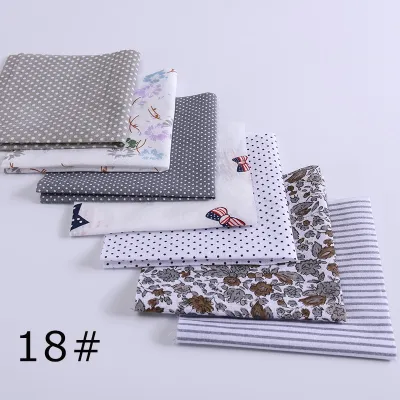
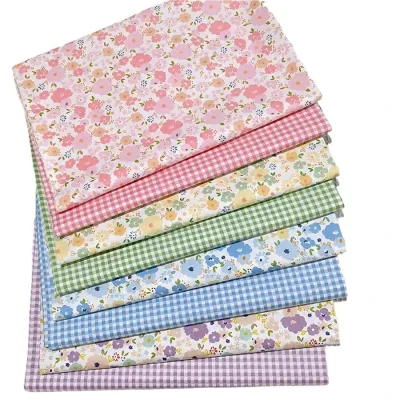
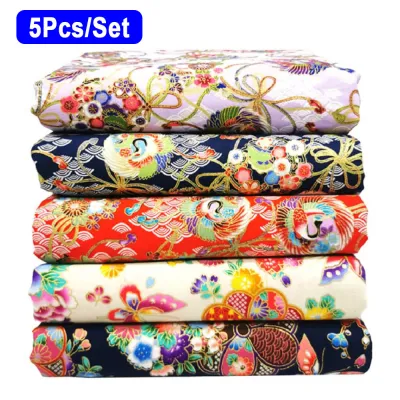
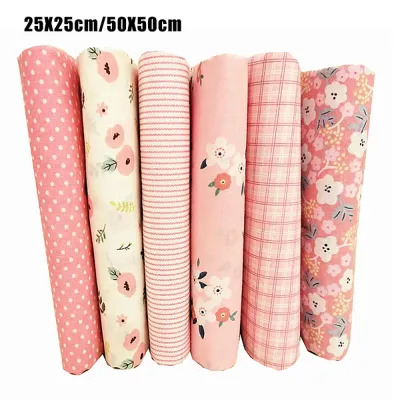
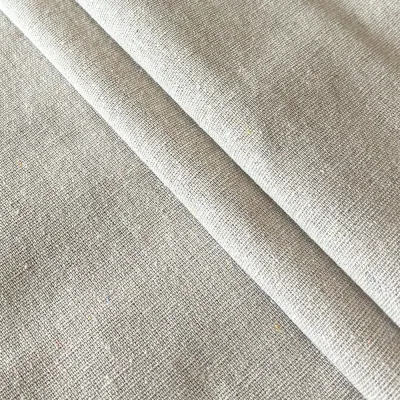
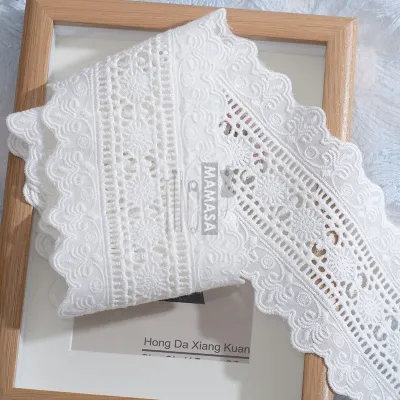
![OD] Mahjong Pattern Polyester Cotton Or Polyester Canvas Cloth DIY Handcraft Patchwork Bag Clothing Fabric 1Yc41074](https://img.lazcdn.com/g/p/4cb52eb71589eec04407247b32a689ab.jpg_400x400q80.jpg_.webp)
Prices are valid at publication and may change. Please refer to the product page for the latest price.
In Singapore’s warm, humid tropical climate, understanding these physical properties is particularly important. Choosing a fabric that is too heavy or tightly woven for apparel can result in uncomfortable, heat-trapping garments, whereas selecting the correct lightweight, breathable weave ensures optimal comfort and air circulation.
Popular Cotton Cloth Fabric Types and Their Ideal Projects
Understanding the distinct characteristics of different cotton cloth fabric types allows you to narrow down your options and avoid costly mistakes. Each variety is engineered for specific uses, offering unique advantages and limitations.

Quilting Cotton
Quilting cotton is a medium-weight, sturdy fabric with a plain, tight weave and a relatively stiff drape. Typically weighing between 120 and 150 GSM, this fabric is highly stable, meaning it does not stretch, slip, or warp easily when cut or fed through a sewing machine. This stability makes it the absolute gold standard for beginners learning to sew.
The primary uses for quilting cotton include patchwork quilting, structured crafts, aprons, table runners, and small fabric stationery items like book covers, pencil cases, and pouches. Because it is printed with vibrant designs and holds its shape beautifully, it is excellent for items that require crisp lines and structural integrity.
However, quilting cotton has notable limitations. Its stiff drape means it does not contour well to the human body, making it unsuitable for flowing garments, soft blouses, or draped skirts. Additionally, the raw edges of quilting cotton fray easily when cut, which means you must finish your seams using a zigzag stitch, pinking shears, or a French seam to prevent the fabric from unraveling during use or washing.
Poplin and Broadcloth
Poplin and broadcloth are closely related plain-weave cotton fabrics characterized by a tight, dense structure made from fine yarns. Poplin features a very subtle crosswise rib effect created by using slightly thicker weft yarns than warp yarns, resulting in a smooth, crisp, and lustrous surface. It is lightweight yet remarkably durable, resisting wrinkles better than looser weaves.
These fabrics are highly versatile and are the premier choice for tailored button-down shirts, structured dresses, pajamas, lightweight jackets, and high-quality pillowcases. In warm climates, cotton poplin is highly favored for everyday apparel because it feels cool against the skin while maintaining a neat, professional appearance throughout the day.
The main limitation of poplin and broadcloth is that lighter colors, particularly white and cream, can be slightly sheer. If you are sewing apparel out of light-colored poplin, you may need to incorporate a lining or wear appropriate undergarments. It also lacks stretch, so garments must be tailored with sufficient ease to allow for comfortable movement.
Voile and Lawn
Cotton voile and cotton lawn are lightweight, semi-sheer fabrics woven from highly combed, fine-thread-count yarns. While both are incredibly soft and breathable, cotton lawn has a slightly crisper finish due to a high-twist yarn and specific finishing processes, whereas cotton voile is silkier, softer, and offers a more fluid, limp drape.
These delicate fabrics are ideal for hot-weather clothing, including summer blouses, gathered dresses, lightweight scarves, and delicate children’s wear. They are also frequently used as breathable linings for heavier garments or as sheer, light-filtering window curtains that allow air to circulate freely while providing mild privacy.
Working with voile and lawn requires specialized handling and tools. Because the yarns are so fine, standard sewing needles can snag the fabric or leave large, permanent puncture holes. You should use a slim, sharp needle, such as a size 60/8 or 70/10 Microtex or sharp needle, along with fine pins. These fabrics also fray significantly and slip during cutting, requiring patience, a sharp rotary cutter, and finished seams like French seams for a clean, professional interior.
Canvas and Duck Cotton
At the opposite end of the weight spectrum lie canvas and duck cotton. These are heavyweight, tightly woven fabrics made from thick, coarse yarns. Duck cotton is specifically known for its tight, plain weave with double-fill yarns, which gives it a smoother surface and higher wind and water resistance than utility canvas, though both possess immense tensile strength and abrasion resistance.
These robust fabrics are the ultimate choice for heavy-duty projects. They are widely used to sew durable tote bags, backpacks, tool rolls, upholstery, slipcovers, outdoor cushions, and structural craft bases like heavy fabric storage bins or wall organizers. Their density ensures they can withstand significant wear, weight, and friction without tearing.
The limitations of canvas and duck cotton are centered around equipment compatibility. Standard domestic sewing machines often struggle to pierce multiple layers of heavy canvas, leading to skipped stitches, broken threads, or jammed motors. To sew these fabrics successfully, you must use a heavy-duty sewing machine, a thick needle (such as a size 90/14 to 100/16 Jeans/Denim needle), and heavy-duty polyester or bonded nylon thread. These fabrics are also entirely unsuitable for standard apparel due to their extreme stiffness and lack of drape.
Flannel and Brushed Cotton
Flannel is a medium-weight cotton fabric that has undergone a mechanical brushing process. During manufacturing, fine metal brushes rub the surface of the woven fabric to lift the loose fiber ends, creating a soft, fuzzy nap on one or both sides. This brushed surface traps air, providing excellent insulation and a cozy, comforting texture.
Flannel is best suited for warm loungewear, pajamas, casual button-down shirts, cozy backing for quilts, baby swaddles, and reusable soft cleaning cloths. Its gentle texture is highly comforting against sensitive skin, making it a favorite for infant items and bedding.
However, cotton flannel is highly prone to shrinkage and pilling (the formation of small fiber balls on the surface) over time. The raised nap also presents a unique sewing challenge: it has a directional layout, meaning the fabric looks and feels different depending on which way you rub it. You must use a “with nap” layout when cutting your pattern pieces, which requires purchasing extra yardage. The fuzzy fibers can also clog your sewing machine’s feed dogs and bobbin case quickly, necessitating frequent cleaning during your project.
How to Match Fabric Properties to Your Project Needs
Choosing the right cotton cloth fabric is a balancing act between the structural demands of your project and the physical limitations of your sewing equipment. By analyzing your project’s requirements systematically, you can select the perfect material even if you do not know its exact commercial name.
First, consider the balance between structure and flow. If your project needs to stand upright or hold a crisp shape—such as a zippered pencil case, a structured tote bag, or a stiff shirt collar—you must choose a fabric with high stability and a stiff drape, such as canvas, duck cotton, or quilting cotton. Conversely, if your project needs to move with the body or hang in soft folds—such as a gathered skirt, a summer dress, or flowing curtains—you must select a lightweight fabric with a fluid drape, such as cotton voile, lawn, or lightweight poplin.
Second, evaluate the durability and wear the finished item will experience. High-friction items like school bags, seat cushions, or daily-use pouches require heavy-duty fabrics with high abrasion resistance, making duck cotton or heavy canvas the logical choice. Delicate, low-twist weaves like voile should be reserved strictly for low-wear, gentle items that will not face constant rubbing or heavy loads.
Third, verify equipment and consumable compatibility before you begin. Sewing a heavy canvas with a fine needle will result in broken needles and damaged fabric, while sewing a delicate voile with a thick needle will leave unsightly holes and puckered seams. Refer to this general compatibility guide to match your fabric selection with the correct tools:
- Lightweight Fabrics (Voile, Lawn): Use size 60/8 to 70/10 Microtex or sharp needles, fine polyester or cotton thread, and a short stitch length (1.5 mm to 2.0 mm).
- Medium-Weight Fabrics (Quilting Cotton, Poplin, Flannel): Use size 80/12 Universal or sharp needles, standard 50-weight polyester or cotton thread, and a standard stitch length (2.5 mm).
- Heavyweight Fabrics (Canvas, Duck): Use size 90/14 to 100/16 Jeans/Denim needles, heavy-duty or topstitching thread, and a longer stitch length (3.0 mm to 3.5 mm) to accommodate the fabric's thickness.
Finally, never underestimate the value of swatch testing. Before committing to bulk yardage for a large project, purchase a small swatch or a fat quarter (a standard 18″ x 22″ craft cut). Take this sample home and test its physical properties: squeeze it to check wrinkle resistance, drape it over your hand to observe its fall, hold it up to a light source to verify opacity, and run a test seam on your sewing machine to check for puckering or thread tension issues.
Pre-Purchase Checks: Shrinkage, Grain, and Care Labels
Before you finalize your purchase at a fabric store or online marketplace, performing a few quality and compatibility checks can save you hours of frustration and prevent your finished project from warping or shrinking out of shape.
Shrinkage management is the most critical step when working with natural fibers. Untreated woven cotton fabrics naturally shrink by 3% to 10% when exposed to water and heat during their first wash. When purchasing fabric, check the bolt or product description for “pre-shrunk” or “sanforized” labels. If the fabric is not pre-shrunk, you must purchase approximately 10% to 15% more yardage than your pattern requires. Always pre-wash and dry your fabric using the exact water temperature and drying cycle you plan to use for the finished item before you cut into it. This pre-shrinks the fibers, ensuring that your finished garment or craft does not distort or shrink excessively after its first laundering.
Next, inspect the fabric grain and selvedge. Woven fabric is created with warp threads running parallel to the finished edge (the selvedge) and weft threads running perpendicular to it. The grainline must be perfectly square. To check this, look at how the fabric is wound on the bolt or laid out on the cutting table. If the crosswise threads are skewed or pulled at an angle, the fabric is off-grain. Sewing with off-grain fabric causes finished garments to twist around the body after washing, and causes home decor items like curtains to hang crookedly. If you receive off-grain fabric, you must gently pull it diagonally along the bias to square up the grain before cutting.
Care and maintenance requirements must also align with your lifestyle. Pure cotton is highly heat-resistant, meaning it can be ironed at high temperatures to remove stubborn wrinkles easily. However, dark or highly saturated dyes—such as deep reds, navy blues, and blacks common in quilting cottons—are prone to color bleeding. To verify colorfastness, dampen a small corner of the fabric and press it against a white scrap cloth with a warm iron; if dye transfers, you must wash the fabric separately or use a color-trapping sheet in the wash. Additionally, if the fabric is a cotton-synthetic blend, you must lower your iron’s temperature to prevent the synthetic fibers from melting.
Lastly, understand the relationship between thread count and fabric weight. A common misconception is that a higher thread count indicates a heavier, more durable fabric. In reality, thread count simply measures the density of threads woven into one square inch of fabric. A high thread count can consist of extremely fine, thin yarns, resulting in a lightweight, delicate fabric like cotton voile (which is highly breathable but not exceptionally durable). For accurate weight assessment, ignore thread count and look at the fabric’s GSM (grams per square meter) or ounces per square yard. Choose the GSM that aligns with your project’s structural needs rather than relying on vague marketing terms.
Frequently Asked Questions (FAQ)
Does all cotton cloth fabric shrink after washing?
Yes, almost all untreated, 100% natural cotton cloth fabric will shrink during its first exposure to water and heat. Because cotton fibers are stretched tightly during the spinning and weaving processes, the moisture and heat of washing allow the fibers to relax back into their natural, shorter state. To prevent your finished sewing projects from shrinking, warping, or distorting, always pre-wash and dry your fabric before cutting, or look specifically for fabrics labeled as pre-shrunk or sanforized.
What is the difference between woven and knit cotton fabric?
The primary difference lies in their construction and elasticity. Woven cotton fabric is constructed on a loom by interlacing vertical warp and horizontal weft threads, creating a stable, structured material with virtually no stretch (except along the diagonal bias). Woven cottons, like poplin and canvas, are ideal for structured items, bags, and tailored garments. Knit cotton fabric is constructed from a single continuous yarn looped together in rows, giving it inherent, mechanical stretch and recovery. Knits, like cotton jersey, are soft, flexible, and primarily used for casual, form-fitting apparel like t-shirts and leggings.
How can I tell if a cotton fabric is good quality before buying?
To evaluate fabric quality, physically inspect the material using three simple tests. First, hold the fabric up to a strong light source; a high-quality weave will appear even and dense, whereas low-quality fabric will show irregular gaps, thin spots, and loose threads. Second, rub the fabric between your fingers; it should feel smooth and substantial, not chalky or excessively stiff (which indicates the heavy use of temporary starch or sizing agents designed to mask a loose, cheap weave). Finally, pull the fabric gently along the grain; the threads should remain firmly in place without shifting or distorting easily.

Community discussion
Share your experience or ask a question. Comments are reviewed before publication.