
Tulle is a lightweight, fine netting fabric characterized by its open, hexagonal mesh structure. While historically crafted from luxurious natural silk, modern tulle is widely available in synthetic formulations, primarily nylon and polyester. The specific fiber composition of tulle determines how the fabric behaves, affecting its stiffness, drape, tactile feel, and suitability for different sewing and crafting applications.
Understanding these material differences is essential before purchasing tulle for any project, whether you are designing bridal wear, crafting home decorations, or constructing structured garments. Each material variant offers distinct physical properties that influence how the fabric holds its shape, reacts to moisture, and handles heat. By examining the physical characteristics of nylon, polyester, and silk tulle, you can make an informed decision that aligns with your project goals and sewing environment.
Core Tulle Materials and Their Observable Traits
Nylon and polyester dominate the modern market due to their durability and cost-effectiveness, while silk remains a premium, specialized choice. Nylon tulle is highly valued for its balance of strength and flexibility, often presenting a softer hand-feel than polyester. Polyester tulle, on the other hand, tends to be slightly stiffer and holds its shape exceptionally well, though it can feel somewhat coarser to the touch depending on the weave density.
Products mentioned in this guide
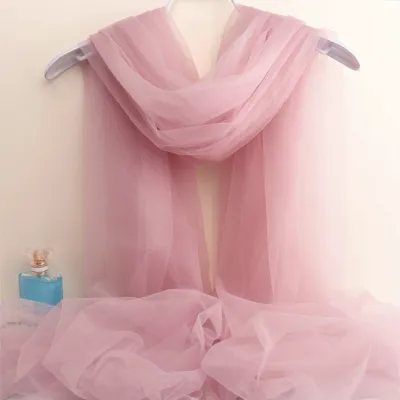
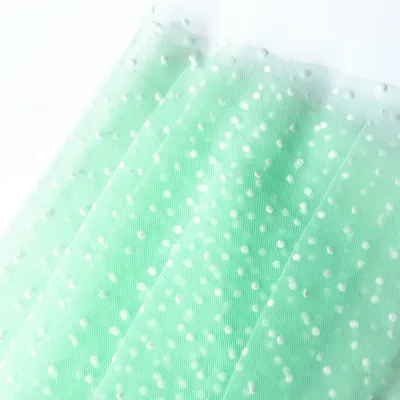
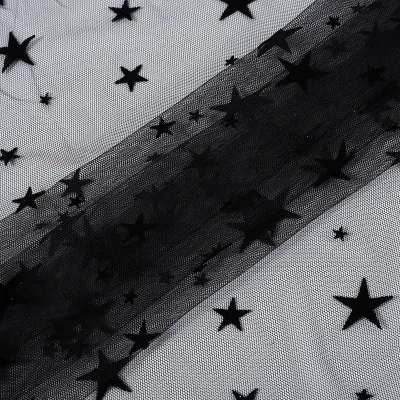
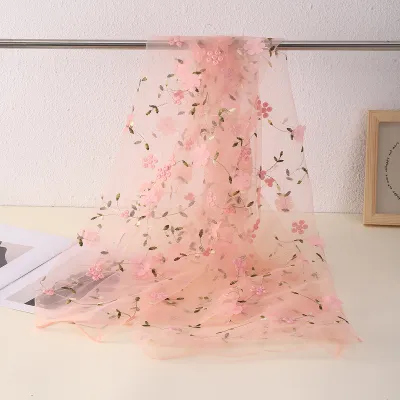
Prices are valid at publication and may change. Please refer to the product page for the latest price.
When observing these fabrics side by side, the differences in sheen and drape become apparent. Silk tulle offers a delicate, matte-to-subtle luster with an incredibly fluid, liquid-like drape that falls close to the body. Nylon tulle typically has a soft, semi-matte finish and a gentle springiness, allowing it to bounce back when compressed. Polyester tulle often exhibits a more pronounced shine under direct light and provides a stiffer, more structural loft that stands away from the body.
It is important to note that these baseline characteristics can be modified during manufacturing. Chemical finishes, starching, and the introduction of metallic threads or glitter can alter the natural drape and stiffness of any tulle variant. Additionally, the size of the netting holes—often referred to as the mesh density—plays a significant role; a tighter weave generally increases the fabric’s overall stiffness and opacity, regardless of the underlying fiber.
Matching Tulle Variants to Your Specific Project
Selecting the right tulle depends heavily on whether your project requires structural volume or soft, flowing movement. For structured garments like petticoats, tutus, or decorative table skirts, polyester tulle is often the preferred choice because its inherent stiffness supports multiple layers without collapsing. Conversely, for bridal veils, delicate overlays, or flowing evening gowns, nylon or silk tulle is ideal as they drape elegantly without creating unwanted bulk or harsh angles.

Before purchasing, verify the physical dimensions and structural details of the tulle roll or bolt. Tulle is sold in various widths, often ranging from narrow spool ribbons to wide bolts suitable for seamless garment construction. Examine the netting hole size; smaller, finer holes create a softer, more opaque appearance, while larger holes offer a distinct, sporty, or rustic mesh look. Consider how you plan to finish the edges, as some synthetic tulles can be left raw without fraying, while others may require binding or hemming to prevent snagging.
For specialized applications, such as children’s costumes or garments intended for prolonged skin contact, always check the manufacturer’s specifications. In warm, humid climates, comfort and breathability are paramount, making the tactile feel of the fabric against the skin a critical factor. Look for certified textile safety labels on the bolt or packaging to ensure the fabric is free from harmful chemical residues, especially if the finished item will be worn by infants or individuals with sensitive skin.
How to Verify Quality and Composition Before Buying
When shopping at a local textile shop or evaluating a delivered order, perform a thorough visual and physical inspection of the netting structure. Unroll a portion of the fabric and hold it up to the light to check for uniformity in the hexagonal mesh. Look closely for any snags, broken threads, or areas of inconsistent tension, as these structural defects can weaken the fabric and cause it to tear easily during sewing or wearing.
Avoid relying solely on online product titles or vague marketing descriptions, which may use terms like “silk-touch” or “nylon-feel” to describe cheap polyester alternatives. Always locate and read the physical fiber content tag attached to the bolt or packaging. Verifying the exact percentage of nylon, polyester, or silk ensures you are paying a fair price—often measured in S$ per meter—and receiving the precise material performance required for your project.
Assess the fabric’s color quality and edge stability before committing to a large purchase. Gently rub a damp white cloth against a small section of the colored tulle to check for immediate dye transfer, which is a common issue with lower-quality synthetic dyes. Additionally, pull gently along the cut edge of the fabric to observe how the mesh behaves under tension; high-quality tulle should maintain its structural integrity without unraveling or distorting excessively at the borders.
Safe Care and Maintenance Boundaries by Fabric Type
The care and maintenance of tulle are strictly governed by its fiber composition, particularly regarding heat tolerance. Synthetic fibers like nylon and polyester are highly thermoplastic, meaning they will melt, shrivel, or glaze if exposed to high temperatures from an iron or steamer. Silk tulle, while more heat-resistant than synthetics, is extremely delicate and can easily scorch or weaken if subjected to direct, dry heat.
When cleaning finished tulle items, gentle hand washing in cool water with a mild detergent is generally the safest approach. Avoid twisting, wringing, or scrubbing the fabric, as this can distort the delicate mesh structure or cause permanent creasing. Always refer to the manufacturer’s specific care instructions, as some treated or embellished tulles may have unique washing restrictions that supersede general material guidelines.
Establish clear boundaries for when to seek professional care rather than attempting home maintenance. If a high-value item, such as a silk bridal veil or a heavily embellished nylon gown, becomes heavily soiled or deeply wrinkled, professional dry cleaning is highly recommended. Attempting to iron out stubborn creases at home carries a high risk of melting or tearing the netting, which can ruin hours of meticulous sewing and assembly.
Frequently Asked Questions (FAQ)
Is nylon tulle safer for sensitive skin than polyester?
Both nylon and polyester are synthetic fibers that are generally non-irritating and safe for most skin types. However, because polyester tulle is often stiffer and coarser, it can cause mechanical irritation and chafing through friction, especially in warm and humid conditions. If skin sensitivity is a primary concern, look for nylon tulle with a soft finish, or verify if the fabric carries a recognized textile safety certification indicating it has been tested for skin-irritating substances.
Can I dye synthetic tulle at home using standard fabric dyes?
Dyeing synthetic tulle at home is challenging because nylon and polyester require entirely different dyeing processes compared to natural fibers like silk. Nylon can be dyed using acid dyes or certain multi-purpose household dyes, but polyester is highly resistant to standard dyes and typically requires specialized disperse dyes applied at boiling temperatures. To avoid melting or distorting the delicate netting structure, always test a small swatch first and strictly follow the dye manufacturer’s temperature and safety guidelines.

Community discussion
Share your experience or ask a question. Comments are reviewed before publication.