
Choosing between Tulip Etimo and Tulip Rosewood crochet hooks comes down to a fundamental preference for modern ergonomic engineering versus traditional, natural craftsmanship. The Etimo series features smooth aluminum shafts paired with cushioned elastomer grips designed to minimize hand fatigue during long crafting sessions. In contrast, the Rosewood series is crafted entirely from high-quality natural wood, offering a warm, lightweight, and classic tactile experience. Selecting the right line depends on your physical comfort needs, the types of yarn you prefer, and your personal aesthetic values.
Understanding the physical properties of these tools helps you make an informed investment. A crochet hook is not merely a utility; it is an extension of your hand that dictates your tension, speed, and comfort. By examining the structural differences, ergonomic profiles, and material behaviors of the Etimo and Rosewood lines, you can select the toolset that elevates your crafting experience.
Core Design and Material Differences
The most immediate distinction between the Tulip Etimo and Tulip Rosewood lines lies in their material composition and structural design. The Etimo series is built around a hybrid construction model. It pairs a polished metal shaft—typically made of high-grade aluminum—with a molded, cushioned handle made of elastomer resin. This combination is engineered for high performance, where the metal tip provides a slick, uniform surface for fast stitching, and the synthetic handle offers a soft, non-slip grip.
Products mentioned in this guide
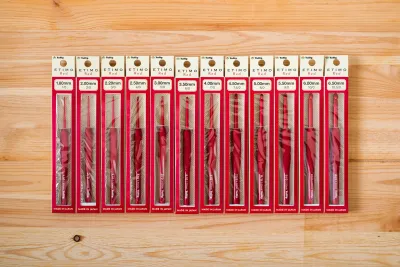
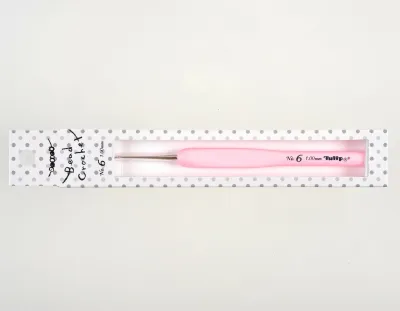
Prices are valid at publication and may change. Please refer to the product page for the latest price.
On the other hand, the Tulip Rosewood series embraces a single-material philosophy. These hooks are carved entirely from natural rosewood, showcasing the organic grain patterns, deep hues, and natural variations of the timber. There are no synthetic components or rubberized grips on a Rosewood hook. Instead, the entire tool is polished to a smooth, satin finish that highlights the natural beauty of the wood while maintaining a seamless transition from the handle to the hook tip.
These material choices significantly influence the weight and balance of each hook. Aluminum-tipped Etimo hooks carry their weight slightly forward, toward the metal tip, which some crafters find helpful for maintaining a rhythmic, downward momentum while stitching. The elastomer handle adds a subtle, grounded weight to the palm. Conversely, Rosewood hooks are very lightweight and balanced evenly from end to end. The low density of natural wood means the entire tool feels almost weightless in the hand, reducing the overall physical load during extended use.
The visual and tactile aesthetics of the two lines represent two different design eras. The Etimo line, with its sleek metallic shafts and modern, colorful handles, fits well into a contemporary, highly organized craft space. The Rosewood line offers a timeless, artisanal appeal. Each wooden hook is unique due to natural grain variations, making them highly collectible items that appeal to crafters who appreciate organic textures and traditional tools.
When purchasing, it is essential to check the manufacturer’s product descriptions and labels to verify the exact material specifications. Some Etimo variations may feature different metal coatings, such as matte gold or silver finishes, which can slightly alter how the yarn glides. Similarly, natural wood products can vary in color depth and grain density depending on the specific batch of timber used. Verifying these details ensures you receive a product that matches your expectations.
Evaluating Grip, Ergonomics, and Hand Comfort
Ergonomics play a critical role in preventing hand strain, especially for crafters who spend hours working on intricate patterns. The Tulip Etimo series is widely recognized for its focus on hand health. The elastomer grip is designed with a subtle, ergonomic curve that conforms to the natural contours of your fingers. This cushioned handle absorbs much of the gripping pressure, allowing you to maintain control without squeezing the tool too tightly.

For crafters who use the “pencil grip” or “knife grip,” the Etimo handle provides a stable, non-slip surface. The rubberized texture prevents the hook from rotating unexpectedly in your hand, which is particularly beneficial if your hands tend to sweat. The cushioning material distributes pressure evenly across the palm and fingers, making it a suitable option for individuals dealing with joint stiffness, arthritis, or repetitive strain injuries.
In contrast, the Tulip Rosewood series features a rigid, unyielding handle. While it lacks the soft cushioning of the Etimo, the Rosewood hook offers a different kind of ergonomic comfort through its shape and material properties. The handle is typically carved with a smooth, flat thumb rest and a gently tapered body that encourages a light, relaxed grip. Because wood is naturally slip-resistant without being sticky, it allows for fluid hand movements without requiring excessive grip force.
Temperature is another subtle but vital factor in hand comfort. Metal shafts, like those on the Etimo, can feel cold to the touch when you first pick them up, particularly in air-conditioned environments common in Singapore homes. While they warm up during use, the initial chill can be uncomfortable for sensitive joints. Natural wood, however, is a poor conductor of heat. A Rosewood hook feels warm from the moment you pick it up, quickly matching your body temperature and providing a soothing, comfortable feel throughout your crafting session.
To evaluate which grip suits you best, observe your natural crocheting posture. If you tend to hold your hook with a tight, high-pressure grip, the cushioned elastomer of the Etimo will help absorb that tension and protect your joints. If you naturally maintain a loose, relaxed grip and prefer a lightweight tool that feels like a natural extension of your fingers, the smooth, warm surface of the Rosewood line may offer a more satisfying experience.
Matching the Hook to Your Yarn and Project Type
The interaction between your hook and your yarn is a major factor in stitch consistency and overall speed. The polished aluminum shaft of the Tulip Etimo hook is designed for high glide. This very smooth surface allows yarn to slide on and off the hook with minimal friction. It is highly effective when working with sticky or textured fibers, such as wool, acrylic, or novelty yarns, as the metal tip easily parts the fibers without snagging.
However, this high level of glide can sometimes be a disadvantage when working with extremely slippery yarns, such as silk, bamboo, or mercerized cotton. On a highly polished metal surface, these slippery fibers can slide off the hook too quickly, leading to dropped stitches or uneven tension. For these delicate, slick materials, the natural texture of a Rosewood hook provides a helpful level of resistance. The wood grain offers a gentle grip on the fiber, giving you greater control over your tension and stitch formation.
The scale and weight of your project should also guide your choice. For large, heavy projects like blankets, rugs, or thick sweaters, the weight of the fabric itself can pull on the hook. The sturdy aluminum shaft of the Etimo is highly resilient and will not bend or flex under the weight of heavy yarn. This makes it a practical choice for bulky projects where structural strength is required to manipulate large loops of yarn.
For smaller, highly detailed projects like lace, amigurumi, or delicate shawls, the lightweight nature of the Rosewood hook is highly advantageous. The lack of excess weight allows for precise, nimble movements, making it easier to navigate tight stitches and intricate patterns. Additionally, the warm tactile feedback of wood can make the repetitive, fine movements of lace-making feel much smoother and less fatiguing.
Before purchasing, always verify the available size ranges for both lines. The Etimo series is widely available in a comprehensive range of sizes, from tiny steel lace hooks to large sizes. The Rosewood series, due to the physical limitations of carving natural wood, is typically offered in a more selective range of mid-to-large sizes. If your projects frequently require very fine or exceptionally thick hooks, check the manufacturer’s size charts to ensure your desired millimeter size is available in your preferred line.
Comparing Value, Pricing, and Set Options
Investing in premium crochet hooks requires a clear understanding of the purchasing formats and long-term value. Both Tulip Etimo and Tulip Rosewood hooks are available as individual items or as part of curated sets. Etimo sets are widely used and often come packaged in stylish, zippered fabric cases that include useful accessories such as scissors, yarn needles, and a small ruler. These sets offer good value for crafters who want a complete, portable toolkit.
Rosewood sets are often presented as luxury items, sometimes packaged in elegant wooden boxes or high-end rolls that reflect the artisanal nature of the tools. Because of the intensive labor required to carve and polish natural wood, Rosewood hooks generally command a higher price point per hook compared to the Etimo line. When evaluating the cost, consider whether you prefer to build your collection gradually by purchasing individual hooks in your most-used sizes, or if you want to invest in a complete set upfront.
Long-term durability is another important factor in the value equation. The Etimo’s aluminum shaft and synthetic handle are highly durable and resistant to environmental factors. They are highly resistant to cracking, warping, or breaking, even if dropped on hard floors. The elastomer handle may show signs of wear or slight discoloration over years of heavy use, but the structural integrity of the tool remains intact.
Natural wood hooks, while durable, require more careful handling. Rosewood can be sensitive to extreme changes in humidity and temperature, which can cause the wood to expand, contract, or even warp if not stored correctly. Additionally, very thin wooden hooks can be fragile and may snap if subjected to sudden pressure or dropped onto a hard surface. For crafters who travel frequently with their projects or work in varied environments, the rugged durability of the Etimo may offer better long-term value.
When planning your purchase, verify current retail prices in S$ and check stock availability at authorized local craft retailers or official brand stores. Prices can vary based on shipping, import fees, and seasonal availability. Purchasing from authorized dealers ensures you receive genuine Tulip products and protects your investment with reliable customer support.
Decision Framework: Which Line Should You Choose?
To help you finalize your decision, consider how your specific crafting habits, physical needs, and project preferences align with the characteristics of each line.
Choose the Tulip Etimo line if:
- You prioritize physical comfort and require a cushioned, ergonomic grip to reduce hand fatigue or joint pain during long stitching sessions.
- You prefer a highly polished metal tip that allows yarn to glide quickly and smoothly, maximizing your stitching speed.
- You work on a wide variety of project scales, from delicate lace to heavy blankets, and need a durable, rigid tool that can handle all yarn weights.
- You want a low-maintenance, highly durable hook that can easily withstand travel and daily wear without requiring special care.
Choose the Tulip Rosewood line if:
- You appreciate the aesthetic beauty, unique grain patterns, and tactile warmth of natural, handcrafted wooden tools.
- You prefer a very lightweight, balanced hook that feels warm to the touch from the very first stitch.
- You frequently work with slippery, delicate fibers like silk or bamboo and benefit from the gentle, natural resistance that wood provides.
- You enjoy a slower, more mindful crafting experience and are willing to invest in premium, artisanal tools that double as beautiful collectibles.
Verify first if you can test a single hook from either line before committing to a full set. Purchasing a single hook in your most frequently used size—such as a 4.0mm or 5.0mm—is an excellent, low-risk way to evaluate how the handle shape, weight, and material feel in your hand. This hands-on trial will give you the confidence to decide whether to invest in a complete set or continue building a customized collection of individual hooks.
Frequently Asked Questions (FAQ)
How do I care for and maintain wooden crochet hooks?
To preserve the natural beauty and smooth finish of your Tulip Rosewood hooks, clean them by wiping them down with a dry or slightly damp, soft microfiber cloth after use. Avoid using harsh chemical cleaners, soaps, or soaking them in water, as moisture can cause the wood to swell, warp, or split. Store your wooden hooks in a dry, temperature-controlled environment away from direct sunlight. Periodically, you can apply a tiny drop of natural wood conditioner or beeswax to the surface and buff it with a clean cloth to maintain the wood’s protective satin finish and prevent it from drying out.
Can I buy individual hooks to test before purchasing a full set?
Yes, both the Tulip Etimo and Tulip Rosewood lines are widely available for purchase as individual hooks. Buying a single hook in a size you use most often, such as 4.0mm or 5.0mm, is highly practical. This allows you to test the ergonomics, weight, and glide of the materials with your favorite yarns before making a larger financial commitment to a complete set.
Do the hook sizes run true to standard metric measurements?
Tulip crochet hooks are manufactured to high quality standards and generally align closely with standard metric measurements in millimeters. However, because natural wood can expand or contract slightly depending on environmental humidity, and because different manufacturing batches of metal or wood can have minor tolerances, slight variations can occur. If precise tension and gauge are critical for your project, it is always best to verify the exact diameter of your hook using a physical metal hook gauge tool before starting your work.

Community discussion
Share your experience or ask a question. Comments are reviewed before publication.