
Choosing between Tulip Etimo and Tulip Rose crochet hooks comes down to a choice between classic ergonomic utility and a highly stylized, coordinated crafting experience. Both lines originate from the same Japanese manufacturer, renowned for smooth hook tips and comfortable elastomer grips. The primary differences lie in the aesthetic colorways, the specific metal plating on the hook heads, the design of the accompanying storage cases, and how these visual elements influence your crafting environment. By understanding how these subtle variations interact with your grip style and yarn choices, you can select the line that best supports your long-term comfort and project needs.
Rather than declaring a single universal winner, it is more practical to evaluate how each line aligns with your personal crafting habits. The physical dimensions and core ergonomic principles remain highly consistent across both collections, meaning your hands will receive excellent support regardless of which path you choose. However, the tactile feedback of the handles, the visual contrast of the hook tips against different yarn colors, and the overall completeness of the packaged sets vary in ways that can significantly impact your daily crocheting experience.
Core Design and Material Differences: Etimo vs. Rose
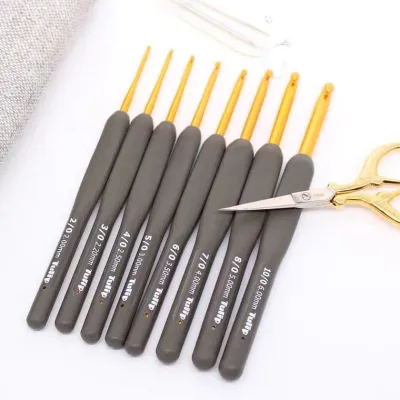
The most immediate distinction between the Tulip Etimo and Tulip Rose lines is their visual design and the specific materials used for their handles and shafts. Both lines feature handles made from high-quality elastomer, a synthetic rubber material that provides a soft, non-slip grip. However, the classic Etimo line—often recognized by its signature grey handles and gold-plated hooks—focuses on a neutral, professional aesthetic. This muted color scheme is designed to minimize visual distraction, allowing you to focus entirely on the color and texture of your yarn.
Products mentioned in this guide
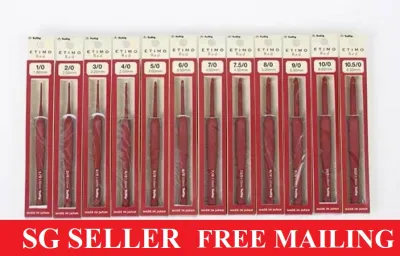
Prices are valid at publication and may change. Please refer to the product page for the latest price.
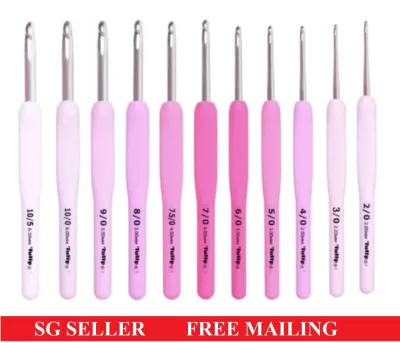
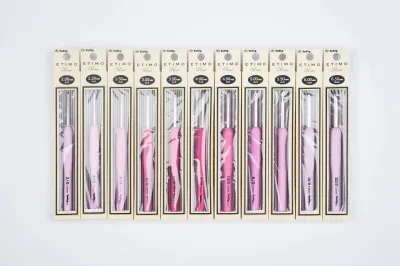
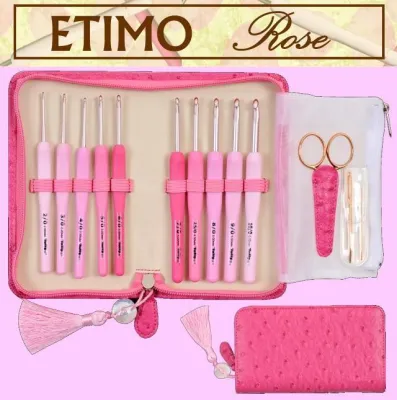
In contrast, the Tulip Rose line (frequently referred to as Etimo Rose) embraces a vibrant, coordinated pink aesthetic. Instead of a single uniform color, the Rose set features graduated shades of pink across different hook sizes, ranging from soft pastel pinks to deep berry tones. The hook shafts themselves are plated in a warm pink-gold finish, creating a cohesive and visually striking toolset. This design is highly favored by crafters who appreciate a curated workspace or enjoy sharing their progress on visual platforms.
From a market positioning standpoint, the classic Etimo is the brand’s flagship workhorse, designed for everyday versatility and long-term durability. The Rose line is positioned as a premium, gift-ready collection that combines the brand’s signature ergonomics with a highly stylized presentation. While the underlying elastomer material feels remarkably similar in terms of density and grip, the smooth finish of the Rose handles can feel slightly different in the hand compared to the matte texture of the classic grey Etimo handles, depending on your skin sensitivity and local humidity.
Hook Head Profiles and Yarn Compatibility
When selecting a premium crochet hook, the design of the hook head is critical for maintaining consistent tension and preventing split stitches. Both the Etimo and Rose lines feature Tulip’s signature hook head design, which is characterized by a slightly rounded point and a precisely machined throat. This shape is engineered to insert smoothly into stitches without piercing the yarn fibers, making it highly reliable for a wide variety of project types.

To evaluate how these hooks interact with your specific materials, you can perform a simple visual and tactile inspection. Hold the hook under a bright light and observe the transition from the tip to the throat. The plating on the classic Etimo (typically gold) and the Rose (pink-gold) should be completely smooth, with no visible seams or rough edges. You can test the glide by taking a strand of multi-ply yarn, wrapping it around the throat, and sliding it back and forth. The yarn should move effortlessly, without catching on the metal or resisting your pull.
Yarn compatibility is closely tied to these surface finishes. For smooth, tightly spun yarns like mercerized cotton, both the gold and pink-gold platings offer excellent, low-friction glide that allows for rapid stitching. However, when working with textured, fuzzy, or loosely spun yarns such as mohair or single-ply wool, the visual contrast provided by the hook tip becomes highly important. Many crafters find that the pink-gold finish of the Rose hooks provides superior contrast against dark-colored yarns, making it easier to identify the throat of the hook and maintain a steady rhythm.
Ergonomics and Grip Comfort for Long Sessions
Ergonomics are the primary reason crafters invest in premium hook lines, and both Etimo and Rose excel in supporting hand health. The handles of both lines feature a gentle contour that is thicker in the middle and tapers toward the ends, matching the natural resting position of a closed hand. This design distributes pressure evenly across your palm and fingers, reducing the need to pinch the hook tightly.
Your preferred grip style plays a major role in how these handles feel during long sessions. If you use a pencil grip—holding the hook between your thumb and index finger like a pen—you will rely heavily on the flat thumb rest molded into the elastomer handle. This flat section is positioned at the perfect angle to prevent the hook from twisting in your fingers, allowing for precise control. For knife-grip crafters, who hold the handle in the palm of their hand, the overall thickness and cushioning of the elastomer are more critical. The material is firm enough to provide stability, yet yielding enough to absorb the repetitive impact of stitching.
To assess whether a handle provides adequate support, monitor your hands for signs of fatigue during a typical crafting session. Tension in the forearm, cramping in the thumb joint, or a tendency to grip the hook tighter are clear indicators that your current tool is not supporting your hand shape. The elastomer used in both Tulip lines is designed to mitigate these issues by providing a comfortable, high-friction surface that requires minimal grip force to control. When testing the hooks, observe how relaxed your hand remains after thirty minutes of continuous work; a well-matched ergonomic handle should allow your fingers to remain loose and comfortable.
Evaluating Value, Sets, and Purchasing Options
When deciding between these two premium lines, it is important to weigh the cost-effectiveness of purchasing individual hooks versus full boxed sets. Both Etimo and Rose are widely available as single hooks, which is highly convenient if you only work within a narrow range of sizes. However, if you regularly transition between delicate lace projects and bulky garments, investing in a complete set offers a more comprehensive toolkit and better long-term value.
The packaging and included accessories differ significantly between the two lines. A standard classic Etimo set typically comes in a functional, understated fabric case—often featuring a grey or tweed pattern—along with basic accessories such as a small ruler and tapestry needles. The Etimo Rose set, on the other hand, is housed in an elegant, zippered pink fabric case. This set often includes premium matching accessories, such as high-quality scissors with a pink-gold finish and pink-headed tapestry needles, making it a highly attractive option for gifting or display.
In the local market, individual Tulip hooks generally range from S$12 to S$20, while full sets can range from S$120 to over S$200 depending on the specific retailer and configuration. To evaluate the long-term value of this investment, consider your actual usage frequency and the durability of the materials. The elastomer handles are highly durable but can be sensitive to environmental factors like prolonged heat or exposure to hand oils. Choosing a set with a high-quality protective case ensures your investment remains protected and organized for years to come.
Final Decision: Which Tulip Line Fits Your Needs?
To finalize your decision, consider how your specific crafting habits, aesthetic preferences, and budget align with the unique characteristics of each line.
Choose Tulip Etimo if:
- You prefer a classic, professional aesthetic with neutral colors that do not compete with your yarn.
- You want a reliable, high-performance tool focused purely on ergonomic utility without paying a premium for decorative packaging.
- You primarily work with a wide variety of yarn colors and appreciate the high contrast of a classic gold-plated hook tip.
Choose Tulip Rose if:
- You love a coordinated, highly aesthetic workspace and enjoy the visual appeal of graduated pink tones.
- You are looking for a complete, gift-ready set that includes premium, matching accessories like specialized scissors and an elegant zippered case.
- You find that the pink-gold finish provides better visual contrast against your favorite dark or textured yarns.
Verify first if:
- You are unsure about the handle feel or size compatibility. It is highly recommended to purchase a single test hook in your most-used size from a local craft retailer before committing to a full set in S$. This allows you to personally verify the elastomer texture, weight distribution, and hook glide against your own project materials.
Frequently Asked Questions (FAQ)
How do I clean and maintain the elastomer handles?
To clean the elastomer handles of your Tulip hooks, wipe them gently with a soft microfiber cloth dampened with warm water and a drop of mild dish soap. Avoid using harsh chemical solvents, rubbing alcohol, or acetone, as these substances can permanently degrade the synthetic rubber, leaving the handles sticky, discolored, or brittle. Always allow the handles to air-dry completely in a shaded, well-ventilated area away from direct sunlight or heat sources. Storing your hooks in their designated case when not in use will prevent the elastomer from accumulating dust or reacting with other plastic tools in your craft bag.
Can I buy replacement hooks if I lose one from a set?
Yes, individual replacement hooks for both the Etimo and Rose lines are widely available through authorized craft retailers and online marketplaces. When sourcing a replacement, ensure you verify the exact model name, size, and handle color to maintain the visual consistency of your set, as subtle color variations can occur between different manufacturing batches. If a specific size in your preferred line is temporarily out of stock, you can safely substitute a hook from the other line; the core ergonomic shape, handle length, and sizing standards are identical, ensuring your hand comfort remains completely unaffected.

Community discussion
Share your experience or ask a question. Comments are reviewed before publication.