
Choosing between knitting needles and crochet hooks depends entirely on the type of projects you want to make and how you prefer to handle your yarn. Neither craft is universally superior; instead, they serve different creative and structural purposes. If your goal is to create soft, flowing garments like sweaters or lightweight scarves, knitting is the ideal choice. If you prefer to make structured items, three-dimensional toys, or thick blankets, crochet is the better path.
Knitting uses two or more pointed needles to hold multiple active loops of yarn simultaneously, creating a flexible, elastic fabric. Crochet relies on a single hook to manage just one active loop at a time, building a denser, highly structured fabric. As a beginner, you do not need to invest in tools for both crafts. Simply select the single project that excites you most, purchase the specific tools required for that craft, and focus your energy on mastering those initial movements.
Core Differences: How the Tools Actually Work
To understand which tool suits you, it helps to look at how they physically manipulate yarn. Knitting needles are long, smooth shafts with pointed tips at one or both ends. When you knit, you cast a series of loops onto one needle and use the second needle to pull new loops through them, transferring the active stitches from one side to the other. The needle itself must support the entire weight of the active row, keeping dozens of open loops secure at the same time.
Products mentioned in this guide
Prices are valid at publication and may change. Please refer to the product page for the latest price.
Crochet hooks feature a single shaft with a specialized hook, throat, and lip at one end. Instead of holding an entire row of open loops, you work with only one active loop resting on the hook. You insert the hook into a completed stitch, catch the working yarn, and pull it through to create the next stitch. This single-loop mechanism makes the physical handling of the tool highly focused and localized compared to the broad, two-handed coordination required for knitting.
These structural differences directly impact how you manage mistakes and tension. In knitting, if a loop accidentally slips off the needle, it can “run” down multiple rows, creating a dropped stitch that requires careful reconstruction to fix. In contrast, crochet is exceptionally forgiving of interruptions. If your hook slips out of the active loop, the rest of the project remains perfectly secure; the worst-case scenario is unraveling a few stitches back to where you lost your hold.
Tension control also varies significantly between the two techniques. Knitting distributes the tension of the yarn across the entire row of stitches resting on the needle shaft, which helps maintain a uniform appearance once you establish a rhythm. Crochet tension is managed dynamically with every single stitch, relying heavily on the coordination between your yarn-guiding hand and the movement of the hook. This makes crochet highly adaptable but sometimes requires more initial practice to keep your stitches completely uniform.
Tool Types and Materials: What to Look For
Selecting the right tool variation and material is critical for a smooth learning experience. Both knitting needles and crochet hooks come in an array of configurations, each designed for specific techniques, yarn types, and comfort requirements.

Knitting Needle Types and Materials
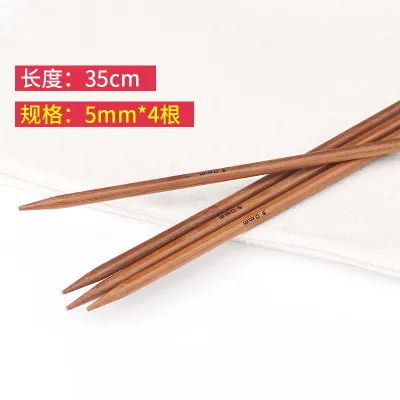
Knitting needles are categorized into three primary designs: straight, circular, and double-pointed. Straight needles are the traditional option, featuring a point at one end and a stopper at the other, making them suitable for flat projects like basic scarves. Circular needles consist of two short needle tips joined by a flexible plastic cable, allowing you to knit both flat pieces and seamless tubes. Double-pointed needles (DPNs) come in sets of four or five, pointed at both ends, and are used for small circular items like socks or sleeve cuffs.
For beginners, circular needles are highly recommended over traditional straight needles. Circular needles are incredibly versatile and ergonomic because the flexible cable allows the weight of your growing project to rest in your lap rather than pulling down on your wrists. This is particularly beneficial in Singapore’s warm, humid climate, where holding heavy, rigid straight needles can quickly lead to sweaty hands and wrist fatigue.
The material of your knitting needles plays a massive role in how easily the yarn glides. Bamboo and wooden needles offer a high-friction surface that naturally grips the yarn, preventing stitches from sliding off the tips accidentally. This makes them the absolute best choice for novices who are still learning to control their tension. Aluminum and stainless steel needles are incredibly smooth and fast, which is excellent for experienced knitters but can be frustratingly slippery for beginners. Plastic needles are lightweight and affordable but can sometimes feel sticky with certain synthetic yarns.
When purchasing your first pair of needles, pay close attention to the tip shape and cable quality. Look for medium, slightly rounded tips rather than sharp lace tips, which can easily split your yarn or poke your fingertips. If you choose circular needles, ensure the transition joint between the needle tip and the plastic cable is completely seamless, as any rough edges will snag your yarn and disrupt your rhythm.
Crochet Hook Types and Materials
Crochet hooks are defined by their head style, which generally falls into two categories: inline and tapered. Inline hooks feature a deep, sharp throat cut at a precise angle, keeping the hook head perfectly aligned with the width of the shaft. This design provides excellent control over stitch size and makes it easy to insert the hook into tight spaces. Tapered hooks have a rounded head and a smoother, sloped throat that narrows gradually, allowing the hook to glide effortlessly through stitches, though it requires more manual control to maintain consistent loop sizes.
Neither head style is objectively better, as hook preference is deeply personal. However, beginners often find that inline hooks help them maintain more consistent stitch sizes, while tapered hooks offer a smoother, faster motion. If possible, trying a single inexpensive hook of each style can help you identify which movement feels more natural in your hands.
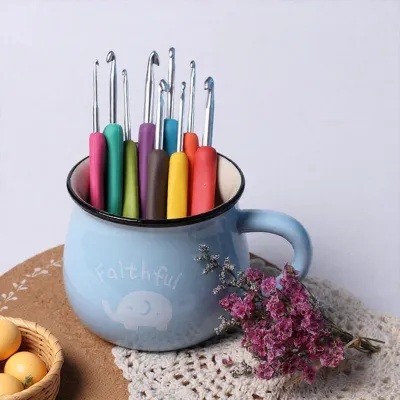
The material and handle design of your crochet hook are vital for comfort during long crafting sessions. Standard aluminum hooks are durable and inexpensive, but their thin, cold metal shafts can cause hand cramping and joint strain. Ergonomic crochet hooks feature a soft rubber, silicone, or molded plastic grip surrounding the metal shaft, significantly increasing the handle’s diameter. These ergonomic grips are highly recommended for beginners because they reduce hand fatigue and allow for a more relaxed grip.
When shopping for crochet hooks, always verify that the size markings are clearly engraved, molded, or printed with high-contrast ink on the handle. Cheap hooks with painted-on sizes often wear off quickly from the friction and oils of your hands, leaving you with an unlabeled tool that is difficult to identify later.
Sizing and Yarn Compatibility: Matching Tools to Your Yarn
One of the most common mistakes beginners make is pairing the wrong tool size with their chosen yarn. Both knitting needles and crochet hooks use precise millimeter (mm) measurements to indicate their thickness, which directly determines the size of the stitches they produce. While regional sizing systems exist—such as letters in the United States or numbers in the United Kingdom—the metric millimeter measurement remains the most accurate and universally accepted standard.
The easiest way to find the correct tool size is to consult the paper band wrapped around your skein of yarn. This label acts as a comprehensive guide, displaying standard icons that represent knitting and crochet. The knitting icon shows two crossed needles with a recommended millimeter size range (e.g., 4.0mm to 5.0mm), while the crochet icon shows a single hook with its corresponding recommended size. These manufacturer recommendations are designed to produce a balanced fabric that is neither too stiff nor too loose.
As a general rule, crochet hooks typically require a slightly larger millimeter size than knitting needles when working with the exact same yarn weight. Because crochet stitches involve wrapping the yarn around itself multiple times, they naturally create a thicker, denser fabric than knitting. If you use a crochet hook that is too small, your finished piece will feel stiff, heavy, and board-like. Using a slightly larger hook helps maintain a soft, pliable drape.
When purchasing yarn from local craft shops in Singapore or online marketplaces, always check the label for these metric guidelines. If you are working with an unlabeled yarn or want to customize the feel of your fabric, you can perform a simple trial. Knit or crochet a small square swatch (about 10cm by 10cm) to observe how the yarn behaves with your chosen tool. If the fabric feels too stiff, switch to a larger needle or hook; if the stitches look loose and gappy, move to a smaller size.
Learning Curve and Project Types: Which Craft Fits Your Goals?
Understanding the learning curve and the typical outcomes of each craft will help you align your tool purchase with your creative aspirations. While both crafts allow you to transform a simple ball of yarn into a beautiful finished object, they require different mindsets and produce distinct results.
Crochet is widely considered to have a gentler initial learning curve for absolute beginners. Because you only have to manage a single active loop, you can focus entirely on your hand coordination and stitch placement. If you make a mistake, you can easily pull the yarn to undo your work without any risk of ruining the rest of the project. This instant feedback loop makes crochet highly satisfying and less intimidating for those who are new to fiber arts.
Knitting has a slightly steeper initial learning curve that requires a bit more patience. Coordinating two needles at once while keeping dozens of active loops from slipping off the tips can feel awkward at first. If you drop a stitch, learning how to pick it up and secure it requires a basic understanding of how the loops interlock, which can be frustrating for a novice. However, once your muscles memorize the basic knit and purl movements, knitting becomes a highly rhythmic, almost meditative process.
The projects you wish to create should be the ultimate deciding factor. Knitting excels at creating soft, lightweight, and highly elastic garments. If you dream of making classic sweaters, delicate cardigans, form-fitting socks, or soft baby clothes, knitting is the superior choice. The resulting fabric is thin, drapes beautifully over the body, and stretches comfortably with movement.
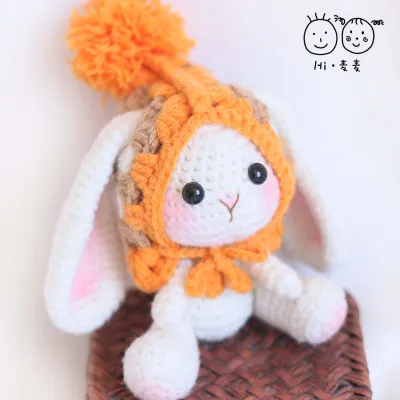
Crochet is the undisputed champion for structural, textured, and three-dimensional projects. If you are excited about making amigurumi (adorable stuffed animals), sturdy market bags, structured home decor like baskets and coasters, or thick, textured blankets, crochet hooks are the tools you need. Crocheted fabric is naturally thicker and holds its shape exceptionally well, making it ideal for items that need to stand upright or support weight without stretching out of shape.
The Beginner's Shopping List: Essential Tools to Buy First
It is incredibly tempting for beginners to buy massive, inexpensive multi-piece kits from online marketplaces. However, these kits often contain low-quality tools—such as rough plastic needles that snag yarn, or hooks with sharp metal seams that split fibers—which can cause immense frustration and lead you to abandon the craft. A much better approach is to invest in a few high-quality, individually selected tools that are comfortable to use.
If you decide to start with knitting, your minimal starter kit should include:
- Needles: One pair of 4.5mm or 5.0mm circular needles with a flexible cable (60cm or 80cm length). Choose bamboo or high-quality wood for a comfortable grip and excellent stitch control.
- Yarn: One or two skeins of smooth, light-colored worsted weight (Category 4) or Aran weight yarn. Avoid dark colors like black or navy, as well as highly textured, fuzzy, or novelty yarns, because they make it incredibly difficult to see your stitches.
- Essential Notions: A pack of basic split-ring stitch markers, a flexible tape measure, and a blunt tapestry needle (also called a yarn needle) with a large eye for weaving in your loose ends.
If you choose to start with crochet, your minimal starter kit should include:
- Hooks: One or two individual ergonomic crochet hooks in sizes 5.0mm and 5.5mm. Look for reputable brands that feature comfortable, contoured rubberized handles.
- Yarn: One or two skeins of smooth, light-colored worsted weight yarn. A high-quality acrylic or a cotton-acrylic blend is perfect for beginners because the plies do not split easily when caught by the hook.
- Essential Notions: A pack of locking stitch markers (which are essential for marking the start of rounds in 3D projects), a tape measure, and a blunt tapestry needle.
Decision Framework: Choose Knitting, Crochet, or Both?
To finalize your decision and ensure you buy the right tools for your specific situation, use this practical framework to guide your purchase.
Choose Knitting Needles if:
- You want to craft soft, elastic, and beautifully draping garments like sweaters, cardigans, or fine scarves.
- You enjoy a classic, two-handed rhythmic motion and are willing to practice past the initial learning curve.
- You want to create fabric that uses less yarn overall, making it lighter and more breathable for warm climates.
Choose Crochet Hooks if:
- You are excited about making structured items, three-dimensional toys (amigurumi), home decor, or thick blankets.
- You prefer a craft that is highly portable, easy to pause at any moment, and incredibly forgiving of mistakes.
- You want to see fast results and prefer holding a single, ergonomic tool.
Verify First if:
- You experience hand joint pain, arthritis, or carpal tunnel. If so, prioritize ergonomic crochet hooks or lightweight circular knitting needles, which distribute weight more evenly and reduce strain on your wrists.
- You have a specific pattern in mind. Always read the pattern requirements carefully before purchasing, as some intermediate projects may require specialized tools like double-pointed needles or Tunisian crochet hooks.
Frequently Asked Questions (FAQ)
Can I use knitting needles for crochet or vice versa?
No, knitting needles and crochet hooks are physically incompatible with each other’s techniques. Knitting needles are smooth, straight shafts designed to hold a large row of open loops simultaneously, but they lack the hook tip required to catch and pull yarn through individual stitches as needed for crochet. Conversely, a standard crochet hook is designed to manage only one active loop at a time and does not have the length or capacity to hold dozens of active stitches across a wide row. While specialized tools like Tunisian crochet hooks exist to bridge this gap, they require a completely different set of techniques and are not suitable for standard knitting or crochet patterns.
Are wooden or metal tools better for beginners?
Wooden and bamboo tools are highly recommended for beginners. The natural texture of wood provides a gentle surface friction that helps grip the yarn, preventing your stitches from accidentally sliding off the tool while you are still learning to control your hand movements. This extra grip gives novices peace of mind and helps build consistent tension. Metal tools, such as aluminum or brass, are exceptionally smooth and allow the yarn to glide rapidly, which is excellent for intermediate crafters who want to increase their speed. However, for a beginner, this lack of friction can make the yarn feel incredibly slippery and difficult to control, often leading to dropped stitches and frustration.
Community discussion
Share your experience or ask a question. Comments are reviewed before publication.