
When you spend hours working on a crochet project, the tool in your hand becomes an extension of your fingers. Many crafters eventually face a common dilemma: should they stick with the inexpensive, standard hooks found in basic craft kits, or invest in a premium option like the Tulip Etimo series? The price difference can be significant, leaving many to wonder if the physical upgrades translate into a better crafting experience.
For serious crafters, the investment in a premium ergonomic hook is generally justified by its precise engineering, smooth finish, and comfortable elastomer grip. These features work together to reduce hand strain and improve stitch consistency during long sessions. However, if you only crochet occasionally or prefer working with very bulky yarns, standard hooks may serve your needs perfectly well. Deciding whether to upgrade requires looking closely at how these tools are constructed and how they interact with your hands and yarn.
Core Differences in Design and Materials
Understanding the physical differences between premium and standard hooks begins with the materials used in their construction. Premium hooks, such as the Tulip Etimo range, typically feature hook heads made from high-grade anodized aluminum or polished steel. This anodizing process creates an exceptionally smooth, hard surface that resists corrosion and minimizes friction as yarn slides over the metal.
Products mentioned in this guide
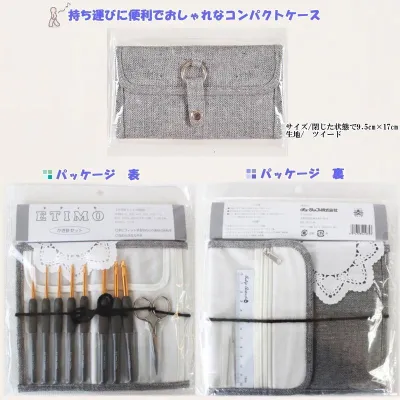
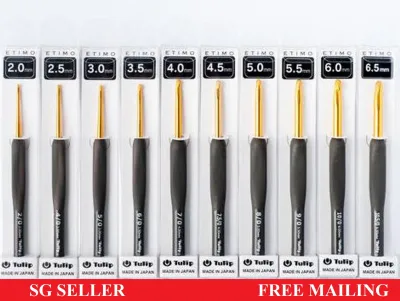
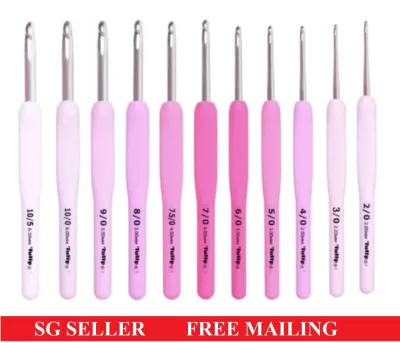
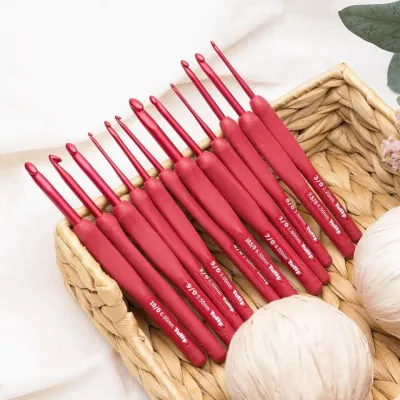
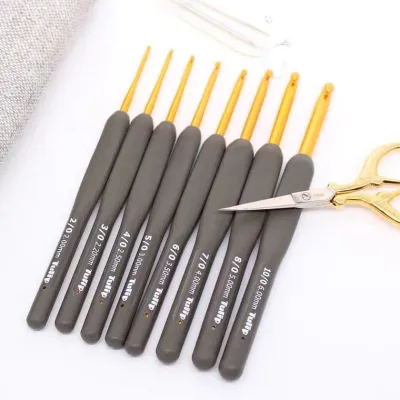
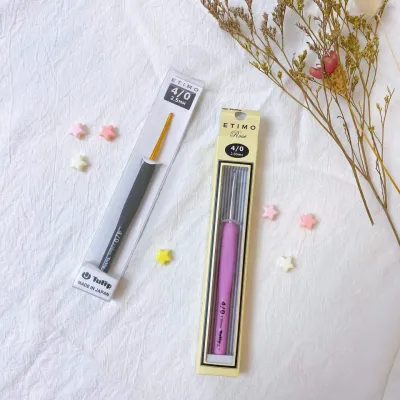
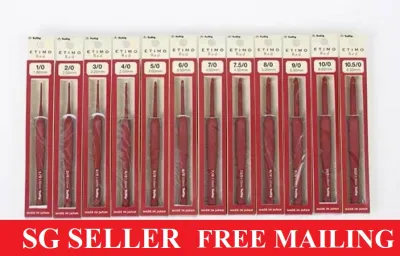
Prices are valid at publication and may change. Please refer to the product page for the latest price.
In contrast, standard hooks are often manufactured from basic molded plastic, raw aluminum, or stamped steel. These materials may retain minor surface imperfections, microscopic rough spots, or tiny manufacturing seams from the factory. These small flaws can catch on delicate fibers, disrupting your rhythm and slowing down your work.
The handle composition represents another major point of divergence. Standard hooks are usually single-piece metal shafts with a small, flat thumb rest, or they may feature a simple, hard plastic sleeve. Premium hooks utilize advanced elastomer or resin grips that are molded directly over the metal shaft, providing a slight cushion and a matte, non-slip texture.
When shopping for hooks, it is always wise to check the product packaging or manufacturer specifications for exact material claims. Some lower-cost hooks attempt to mimic the look of premium elastomer grips using cheap PVC or soft plastics. These inferior materials can degrade, become sticky, or slip off the metal shaft over time, especially in warm environments.
Ergonomics and Hand Fatigue: What to Look For
Ergonomics is a critical factor in preventing repetitive strain injuries during long crafting sessions. The shape of a crochet hook handle directly influences how you hold the tool and how much pressure you must apply to maintain control. Standard flat-handled hooks require your fingers to pinch the metal tightly, which can lead to muscle fatigue and cramping in the hand and forearm.

Contoured or teardrop-shaped handles are designed to distribute pressure more evenly across your palm and fingers. This shape is particularly beneficial because it accommodates both major holding styles: the pencil grip and the knife grip. Pencil grippers, who hold the hook like a pen, benefit from the tapered front of the grip which allows for precise, micro-adjustments without requiring a tight pinch.
Knife grippers, who hold the hook in their palm, find that the thicker, rounded body of the handle fills the hand comfortably, reducing the need to clench the fingers. This relaxed hand posture allows for longer crafting sessions with significantly less discomfort.
In warm and humid climates, such as in Singapore, hand comfort is highly dependent on the texture of the grip. Perspiration can make bare metal or smooth plastic hooks incredibly slippery, forcing you to grip the tool even harder to keep it from rotating. A high-quality elastomer grip maintains its traction even when your hands become warm, allowing you to maintain a relaxed, light hold.
If you frequently experience joint stiffness, thumb pain, or finger cramping after crocheting, these are clear signs that your current hook is not supporting your hand posture. To find the right fit, try to test different handle diameters in person at a local craft boutique before buying. If you are purchasing online, look for retailers with flexible return policies so you can assess the comfort of the handle in your own hand.
Yarn Compatibility and Stitch Tension
The interaction between your hook head and your yarn plays a massive role in the speed of your work and the neatness of your stitches. Crochet hooks generally fall into two design categories: inline and tapered. Inline hooks feature a head that is the exact same width as the shaft, with a deep, angular throat. Tapered hooks, like those in the Tulip Etimo line, have a slightly rounded head that is wider than the throat, which gradually slants down to the shaft.
This tapered design allows the hook to glide effortlessly through loops without catching or splitting the yarn fibers. When working with delicate or multi-ply natural fibers like cotton, bamboo, or wool, a highly polished, tapered head prevents the hook from piercing the yarn strand itself. Standard hooks with less refined finishes or sharper inline angles can easily snag these fibers, leading to frustrating splits and uneven stitch tension.
Slippery synthetic yarns, such as acrylic or nylon, also behave differently depending on the hook’s surface finish. A premium polished surface allows these synthetic fibers to slide smoothly without sticking, which helps maintain a consistent rhythm. If a hook surface is too rough, the yarn may drag, causing you to pull harder and inadvertently tighten your stitches.
To see how a hook affects your specific tension, it is highly recommended to crochet a small gauge swatch (such as a 10-centimeter square) using your preferred yarn. Pay close attention to how easily the hook enters the stitches and whether the yarn glides freely over the throat. If you find yourself constantly adjusting your grip or struggling to pull the yarn through, the hook’s shape or surface finish may be working against your natural tension.
Price and Value Assessment
When evaluating the financial aspect of upgrading your tools, it helps to look at the cost per use rather than just the initial price tag. A single premium ergonomic hook typically costs between S$12 and S$20, depending on the size and retailer. In contrast, you can often purchase an entire multi-pack of standard aluminum hooks for less than S$15. This price gap is substantial, especially if you require a wide variety of sizes for different projects.
For crafters who crochet daily or engage in complex, fine-gauge projects like lacework, the premium price is often a worthwhile investment in long-term hand health and crafting enjoyment. The reduction in physical strain and the prevention of yarn splitting can save hours of frustration and protect your joints from chronic discomfort. However, if you only crochet occasionally, or if you primarily make quick, bulky blankets using thick yarn where fine tension control is less critical, standard hooks are more than adequate.
It is also important to be cautious when purchasing premium hooks online. Because brands like Tulip Etimo are highly regarded, counterfeit products occasionally appear on various ecommerce platforms and online marketplaces. These imitations often look identical in photos but use inferior metals that snag yarn and cheap plastics that degrade quickly. To ensure you are getting genuine materials and the full ergonomic benefits, always purchase from authorized local craft shops or reputable distributors.
How to Decide: A Practical Checklist for Crafters
To help you make a confident decision, consider how your specific crafting habits align with the features of each hook type.
Choose Tulip Etimo if:
- You crochet frequently, especially for sessions lasting longer than thirty minutes at a time.
- You experience hand fatigue, joint stiffness, or finger cramping while crafting.
- You work primarily with fine, delicate, or multi-ply yarns that are prone to splitting.
- You prefer a tapered hook head design and a soft, non-slip grip that performs well in humid conditions.
Choose Regular Hooks if:
- You are a beginner who is still deciding if crocheting will become a long-term hobby.
- You only crochet occasionally for short periods and do not experience any hand discomfort.
- You prefer the absolute simplicity of lightweight, unadorned metal or plastic tools.
- You are on a tight budget and need a wide variety of hook sizes immediately for minimal cost.
Verify first if:
- You have an existing medical condition affecting your hands, such as arthritis or carpal tunnel syndrome. While ergonomic grips can make crafting more comfortable, they are not a medical cure; consult a healthcare professional to determine the best handle shape for your specific physical needs.
- You have deeply ingrained muscle memory from using flat-handled hooks. Switching to a contoured grip can feel unusual at first, so allow yourself a few hours of practice to adapt to the new hand posture.
If you decide to upgrade, the most practical approach is to avoid buying a complete set right away. Instead, purchase a single premium hook in the size you use most frequently, such as a 4.0mm or 5.0mm. This allows you to thoroughly test the ergonomics, material quality, and yarn glide on an actual project before deciding if the investment is worth expanding to a full set.
Frequently Asked Questions (FAQ)
Can I mix premium ergonomic hooks with regular hooks in the same project?
It is generally not recommended to switch between different hook brands or styles within a single crochet project. Even if two hooks are labeled with the exact same millimeter size, variations in their throat shapes, taper angles, and surface finishes can subtly alter your stitch tension. A tapered premium hook may produce stitches that are slightly shorter or tighter than those made with a standard inline hook of the same size. To ensure your project has a uniform appearance and consistent dimensions, stick to using the exact same hook from start to finish, or carefully check your gauge if you must make a switch.
How should I clean and maintain elastomer or resin handles?
To keep your premium elastomer or resin handles in excellent condition, simple and gentle maintenance is best. After each crafting session, wipe the handle with a soft, dry microfiber cloth to remove any accumulated hand oils, sweat, or dust. If the grip becomes visibly dirty, you can use a slightly damp cloth with a tiny drop of mild, diluted dish soap, followed by a wipe with clean water and thorough air-drying. Never use harsh chemical solvents, rubbing alcohol, or abrasive scrubbing pads on these handles. These substances can break down the elastomer material, causing the grip to become permanently sticky, discolored, or prone to peeling.

Community discussion
Share your experience or ask a question. Comments are reviewed before publication.