
Investing in a premium crochet hook like the Tulip Etimo can significantly transform your crafting experience, but whether it is worth the higher price depends on your personal hand ergonomics, typical yarn choices, and how often you crochet. While standard aluminum hooks are perfectly functional for occasional projects, premium options offer refined finishes and cushioned grips designed to reduce hand strain during long sessions. However, because hand shapes and grip styles vary widely, the “best” hook is ultimately subjective. This guide breaks down the core differences in grip design, hook head geometry, and long-term durability to help you determine if the Tulip Etimo premium is justified for your specific needs.
Core Differences Between Tulip Etimo and Other Premium Hooks
Premium crochet hooks differ from budget alternatives primarily in material quality, engineering tolerances, and ergonomic design. Standard hooks are often mass-produced with minimal post-processing, which can leave microscopic ridges or mold seams that catch on delicate yarn fibers. In contrast, premium hooks undergo extensive polishing and surface treatments to ensure a completely frictionless glide.
Within the premium tier, the Tulip Etimo series is positioned as a high-end, Japanese-engineered tool known for its signature elastomer grip and smooth, matte-finished metal shaft. The design philosophy focuses on balancing weight, grip texture, and tip geometry to create a seamless, fluid stitching motion.
Products mentioned in this guide
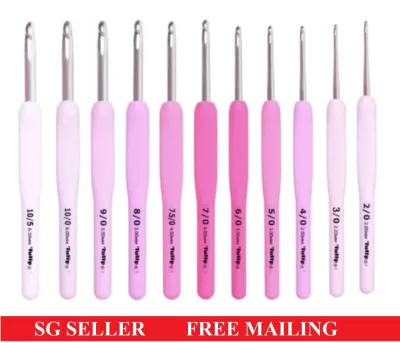
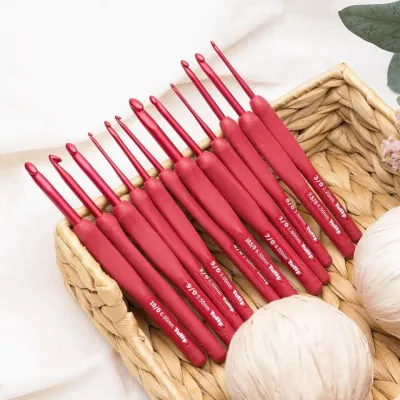
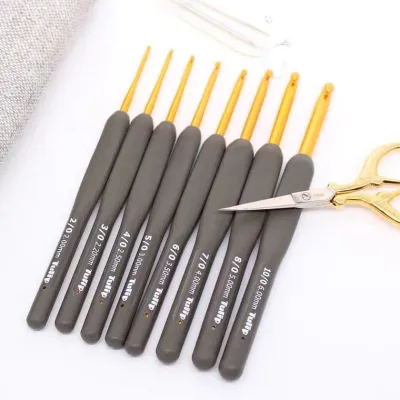
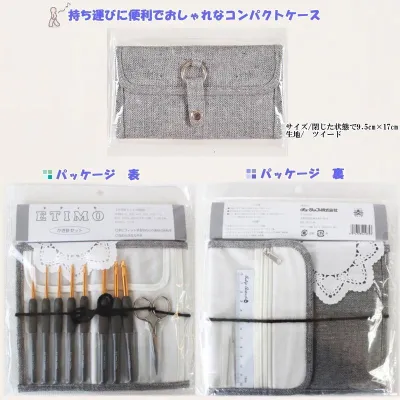
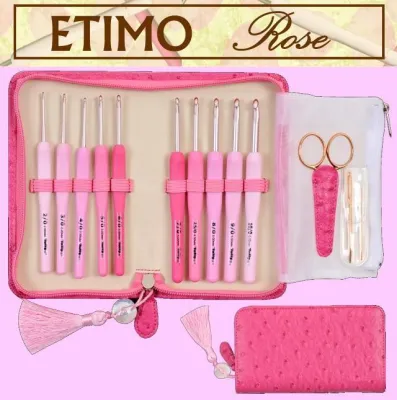
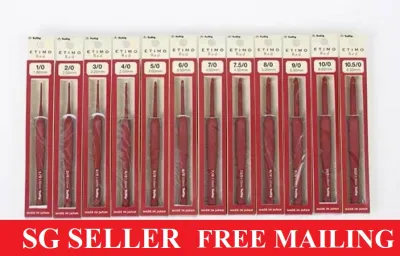
Prices are valid at publication and may change. Please refer to the product page for the latest price.
Other premium brands offer different design philosophies, such as solid wood handles, asymmetrical molded plastic grips, or deeply grooved thumb rests. The primary differences between these top-tier competitors lie in the grip shape (such as teardrop versus cylindrical) and the hook throat design (such as inline versus tapered). Understanding these structural variations is key to finding the tool that matches your natural hand movements.
Ergonomics and Grip Comfort: Finding Your Fit
Ergonomics is highly personal, and the right handle shape depends largely on how you hold your tool. Crocheters generally use one of two primary styles: the pencil grip, where the hook is held like a pen, or the knife grip, which involves an overhand grasp. The shape of a premium handle dictates how comfortable these holds feel over extended periods.

The Tulip Etimo features a gently contoured, slightly flattened elastomer grip designed to support the natural curve of your fingers. This shape works exceptionally well for both pencil and knife grips because it provides a stable thumb rest without forcing a rigid hand position. Other premium hooks might feature a completely cylindrical handle, which some knife-grip crafters prefer, or a highly pronounced asymmetrical contour that dictates exactly where each finger must sit.
The material of the grip also affects both comfort and control. Tulip’s elastomer grip is soft to the touch but firm enough to prevent squishing, offering excellent slip resistance even if your hands get warm in Singapore’s humid climate. Some competing premium hooks use hard plastics, polished wood, or soft silicone. While silicone can feel comfortable initially, it can attract lint and feel sticky over time, whereas wood offers a warm, natural feel but lacks the cushioning of elastomer.
Before purchasing, observe your current hand posture and identify any areas of tension. If you experience fatigue in the palm of your hand, a thicker, contoured grip like the Etimo may help distribute pressure more evenly. If your fingers tend to cramp from gripping too tightly, a softer, slip-resistant material can help you relax your hand.
Hook Material, Glide, and Yarn Compatibility
The interaction between the hook head and your yarn is critical for maintaining a consistent rhythm and tension. Premium hooks typically feature anodized aluminum or coated steel shafts. The anodization process hardens the metal and creates an ultra-smooth surface, allowing yarn to slide effortlessly without catching or squeaking.
Hook head geometry is another crucial factor, generally falling into two design categories: inline and tapered. Tulip Etimo hooks feature a slightly tapered design with a rounded head and a moderately deep throat. This geometry allows the hook to slip easily into stitches without splitting the yarn, while still holding the loop securely as you pull it through. Some competitors feature strict inline heads with sharp, deep cuts, which can be excellent for maintaining tension with slippery fibers but may snag loosely spun yarns.
The ideal hook finish depends on your preferred fiber choices. If you frequently work with grabby natural fibers like wool or cotton, a highly polished, smooth metal hook like the Etimo reduces friction and speeds up your work. For slippery synthetic yarns, a hook with slightly more texture or a deeper throat might offer better control. Testing a single hook with your most frequently used yarn weights—from fine lace threads to bulky acrylics—is the best way to verify how the head geometry handles your specific tension.
Sizing Accuracy and Long-Term Durability
Consistent sizing is essential for achieving the correct gauge in your projects, especially when following complex patterns. Premium manufacturers maintain tight manufacturing tolerances, ensuring that a 4.0 mm hook is precisely 4.0 mm along the entire working shaft. Budget hooks can sometimes vary slightly, which can alter your stitch size and affect the drape of your finished piece. You can verify this accuracy using a physical needle gauge.
A premium hook is a long-term investment, so it must withstand years of use without degrading. The connection point between the metal shaft and the ergonomic handle is a common failure point in cheaper tools, where the glue can fail under pressure. Premium hooks like the Tulip Etimo are engineered with deep-set shafts that resist twisting and loosening over time.
Additionally, exposure to natural hand oils, lotions, and humidity can degrade handle materials over years of use. Elastomer is highly durable and resists breaking down, but it still requires proper care. When choosing a hook, also look for size markings that are molded into the handle or deeply engraved. Printed markings on budget hooks often rub off quickly, leaving you guessing which size you are using.
Price vs. Value: Is the Tulip Etimo Premium Justified?
Premium crochet hooks represent a significant financial commitment. Individual Tulip Etimo hooks typically range from S$12 to S$20 depending on the size and retailer, while complete sets containing multiple hook sizes, scissors, and a carrying case can range from S$100 to over S$200.
If you are unsure whether the ergonomic shape suits your hand, purchasing a single hook in your most frequently used size (such as 4.0 mm or 5.0 mm) is a highly practical strategy. This allows you to test the grip comfort, glide, and weight distribution over a full project without committing to the cost of a complete set.
The investment is highly justified for daily crafters, professional makers, or anyone experiencing mild hand fatigue or joint discomfort during long sessions. The reduction in friction and the supportive grip can make crocheting comfortable again. However, if you only crochet occasionally or prefer working with very bulky yarns that require specialized jumbo hooks, a mid-tier or standard aluminum hook may be perfectly adequate.
How to Choose the Right Premium Hook for Your Needs
To find the perfect tool, evaluate your personal crafting habits against the design features of each brand. Choose the Tulip Etimo if you prefer a lightweight hook, a smooth matte finish that glides easily through most fibers, and a gently contoured elastomer grip that accommodates both pencil and knife holds. Consider alternative premium brands if you prefer a completely flat thumb rest, a heavier handle, or a strict inline hook head.
When evaluating your options, keep this checklist in mind:
- Identify your primary grip style (pencil or knife) and look for handles that support that hand position.
- Check the return or exchange policies of specialized craft retailers when purchasing high-end tools.
- Read verified user reviews focusing on grip firmness and how the material holds up in warm climates.
- Test a single hook with your most common yarn fibers before purchasing a full set.
While ergonomic hooks can significantly improve comfort and reduce fatigue, they are not a cure for underlying medical conditions. If you experience persistent hand, joint, or wrist pain while crocheting, stop working and consult a medical professional. No premium tool can replace proper rest, stretching, and professional medical advice.
Frequently Asked Questions (FAQ)
How do I clean and maintain the elastomer grips on premium hooks?
To keep your elastomer grips in optimal condition, wipe them gently with a soft cloth dampened with water and a tiny drop of mild dish soap. Avoid using harsh chemicals, rubbing alcohol, or acetone, as these solvents can break down the elastomer material, making it sticky or brittle. Always allow the hooks to air-dry completely in a cool, shaded area before storing them in their case.
Can I buy individual Tulip Etimo hooks instead of a full set?
Yes, individual Tulip Etimo hooks are widely available through specialized local craft shops and reputable online marketplaces. If you want to test the brand before committing to a full set, purchasing one or two individual hooks in common mid-range sizes—such as 4.0 mm or 5.0 mm—is an excellent way to evaluate the ergonomics and glide with your typical projects.

Community discussion
Share your experience or ask a question. Comments are reviewed before publication.