
Shipping wine safely in Singapore requires packaging that can withstand both the physical demands of transit and the unique challenges of a tropical climate. Whether you are an e-commerce merchant sending boutique vintages to customers in Ang Mo Kio, or an individual shipping a treasured bottle overseas, relying on standard packaging is a recipe for disaster. Glass bottles are heavy, fragile, and prone to breaking at specific structural weak points under sudden impact.
To ensure your bottles arrive intact, you must select packaging specifically engineered to absorb shock and immobilize the product. The most reliable options available locally include specialized pre-made bubble sleeves, inflatable air column bags, and heavy-duty large bubble rolls. Understanding the engineering behind these materials and how to apply them correctly is the key to damage-free delivery.
Key Features to Evaluate in Wine Shipping Packaging
Selecting the right protective packaging requires looking beyond generic marketing labels. To make an informed decision, you must evaluate the specific physical forces your package will encounter during transit and how different materials respond to those forces.
Products mentioned in this guide
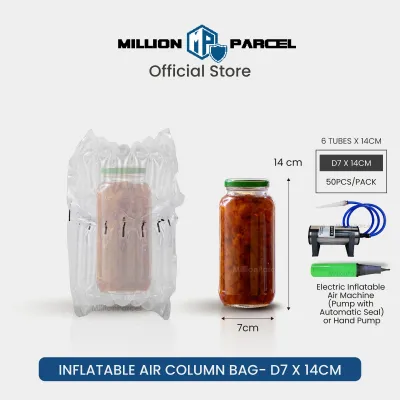
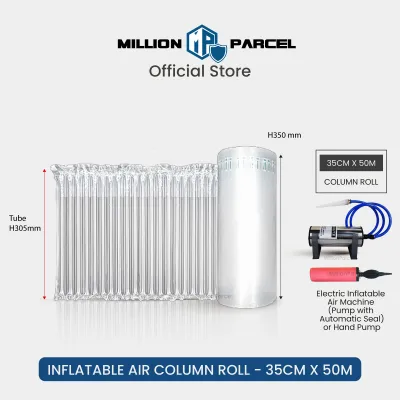
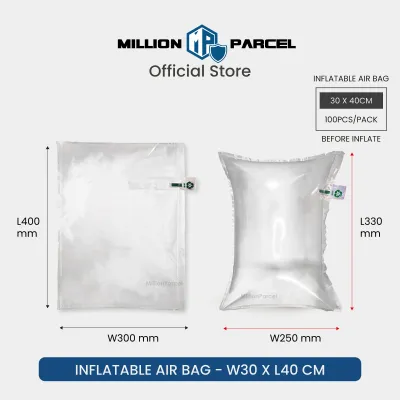
Prices are valid at publication and may change. Please refer to the product page for the latest price.
The Transit Challenge
Wine bottles present a unique challenge for logistics networks due to their high liquid weight and rigid, fragile glass structure. A standard 750ml bottle of wine typically weighs between 1.2 and 1.4 kilograms, meaning a significant amount of kinetic energy is generated whenever the package is dropped or shifted.
During transit through local Singapore courier networks or international air freight, packages experience constant vibration, drops from sorting belts, and static pressure from heavier boxes stacked on top. The base of the bottle and the delicate neck area are particularly vulnerable to cracking under these concentrated forces. Furthermore, Singapore’s high relative humidity and warm temperatures can soften standard single-wall cardboard boxes, making the internal protective wrap your primary line of defense.
Bubble Size and Thickness
When evaluating bubble wrap, the size of the air bubbles directly dictates the level of protection provided. Standard small-bubble wrap, which typically features bubbles with a diameter of 10 millimetres and a height of 4 millimetres, is designed primarily to prevent surface scratches on lightweight items. It lacks the air volume necessary to cushion a heavy glass bottle when subjected to a hard drop.
For wine shipping, you must use large bubble wrap, which generally features bubbles with a diameter of 25 millimetres to 32 millimetres and a height of 9 millimetres to 12 millimetres. These larger pockets of air provide a deeper cushioning zone, allowing the packaging to deform and absorb the impact energy before it reaches the glass. Multi-layered designs that laminate flat plastic sheets to the bubble layer offer even greater resistance to bottoming out under heavy loads.
Material Durability
The durability of the plastic film determines how long the bubbles will remain inflated under pressure. Cheap, standard bubble wrap is often made from single-layer low-density polyethylene (LDPE), which easily stretches and allows air to slowly diffuse out of the bubbles, especially when subjected to the continuous weight of a wine bottle.
For reliable shipping, look for heavy-duty films that utilize co-extruded barrier technology. These films incorporate a thin layer of nylon or specialized polymer between layers of polyethylene, which acts as an air barrier. This prevents the bubbles from popping or flattening when the bottle is dropped, ensuring the protective air cushion remains fully intact throughout the entire delivery journey.
Sizing and Fit
Wine bottles come in a wide variety of shapes and dimensions, and a one-size-fits-all approach to packaging often leads to failure. A standard Bordeaux bottle is relatively slender with high shoulders, whereas Burgundy and Champagne bottles feature wider bases and sloping shoulders. Magnum bottles are significantly larger and heavier.
If the packaging is too loose, the bottle will slide around inside, which can rupture the bottom seals of bubble sleeves or cause uneven weight distribution. Conversely, forcing a wide bottle into a tight sleeve can overstretch the plastic, making the bubbles more susceptible to popping. Always measure the height and maximum diameter of your specific bottle inventory and compare them directly against the manufacturer’s stated internal dimensions and drop-test specifications.
Top Wine Bottle Bubble Wrap Options for Different Needs
To help you choose the most effective solution for your specific shipping volume and bottle types, we have categorized the leading packaging structures available in the Singapore market. Each option offers distinct advantages depending on your operational scale and budget.

Pre-Made Wine Bottle Bubble Sleeves
- Best For: E-commerce sellers, small businesses, and individuals shipping standard 750ml wine bottles.
- Design Advantages: Pre-made bubble sleeves are open-ended bags constructed from heavy-duty bubble wrap, designed specifically to slide over a standard wine bottle. Because they are manufactured with factory-sealed bottom seams, they provide consistent, 360-degree coverage without the variability of manual wrapping. This eliminates the risk of human error and significantly speeds up the packing process for high-volume operations.
- Selection Criteria: When sourcing pre-made sleeves, verify that they feature a built-in self-adhesive flap, which ensures a tight, tamper-evident seal at the top. Examine the thickness of the plastic film, aiming for a minimum of 50 to 70 microns to prevent tearing. Most importantly, measure the internal diameter of the sleeve; a standard 15-centimetre lay-flat width is ideal for Bordeaux bottles, but you will need wider variations for Burgundy or Champagne shapes.
Inflatable Air Column Bags for Wine Bottles
- Best For: High-value vintages, fragile aged wines, and long-haul international shipping where maximum shock absorption is critical.
- Design Advantages: Inflatable air column bags represent the premium tier of wine transit protection. Made from co-extruded polyethylene and polyamide (PE/PA) film, these bags feature a series of independent vertical air chambers. If a sharp object punctures one column during transit, the remaining columns stay fully inflated, maintaining structural integrity. The inflated columns contour tightly around the bottle, completely immobilizing it and suspending it within a rigid cushion of air.
- Selection Criteria: These bags are shipped completely flat to save storage space and must be inflated manually or with an electric air pump. When purchasing, check the deflated lay-flat width to ensure compatibility with your bottle's circumference. Pay close attention to the valve design; quick-fill, one-way valves prevent air leakage during the inflation process, making the packing workflow much smoother.
Heavy-Duty Large Bubble Rolls
- Best For: High-volume fulfillment centers, wineries, and those shipping irregularly shaped bottles, spirits, or custom glassware sets.
- Design Advantages: For shippers dealing with non-standard bottle sizes or mixed gift packs, buying large bubble wrap in bulk rolls offers unmatched flexibility. You can customize the wrap thickness by adding extra layers where needed, such as around the fragile neck or base. Bulk rolls are also highly cost-effective, allowing you to minimize your per-unit packaging costs when shipping diverse inventories.
- Selection Criteria: To make manual packing efficient, look for rolls that are perforated at regular intervals (typically every 300mm or 500mm), which allows for clean tearing without the need for scissors. Ensure the roll has a high-micron thickness and robust air-retention properties. If you are packing in a high-speed warehouse environment, consider anti-static rolls to prevent the buildup of static electricity, which can attract dust and debris to your bottles.
How to Wrap and Pack Wine Bottles for Maximum Protection
Even the highest-quality bubble wrap will fail to protect your wine if the packing technique is flawed. Follow this systematic, step-by-step methodology to ensure your bottles survive the rigors of the courier network.
Step 1: Bottle Preparation
Before applying any protective wrap, inspect the bottle’s closure. Ensure the cork or screw cap is fully sealed and shows no signs of leakage. Because cargo holds in airplanes and delivery vans can experience rapid pressure and temperature fluctuations—especially in Singapore’s humid climate—it is wise to apply a heat-shrink capsule or a layer of tamper-evident tape over the neck. This extra barrier helps contain minor seepage and protects the label from moisture damage.
Step 2: Wrapping Technique
Your wrapping approach must be tailored to the specific type of packaging material you have selected:
- For Sleeves: Gently slide the bottle into the sleeve base-first, ensuring it sits snugly against the sealed bottom. Fold the top adhesive flap over the neck tightly, pressing down firmly to secure the seal. For added security, run a strip of heavy-duty packaging tape across the folded flap to prevent it from lifting during transit.
- For Rolls: Lay the bubble wrap flat on a clean surface with the bubbles facing inward toward the bottle. Place the base of the bottle near one edge and roll it tightly at least three to four times, ensuring the wrap covers the entire length of the bottle. Fold the excess bubble wrap at the bottom upward and secure it with a heavy-duty "X" pattern of packing tape. Gather the excess wrap at the neck, compress it slightly to create a thick collar, and wrap it securely with tape to reinforce this highly vulnerable area.
Step 3: Box Selection and Void Fill
Never ship wrapped wine bottles in a single-wall cardboard box, as these easily crush under weight. Always use a heavy-duty, double-wall corrugated cardboard box (such as BC-flute or EB-flute). If you are shipping multiple bottles, use rigid cardboard dividers to keep them physically separated; bottles must never be allowed to clink against one another. Fill any remaining empty space in the box with high-density void fill, such as biodegradable starch-based loose fill or tightly crumpled kraft paper, to prevent the bottles from shifting.
Step 4: The Shake Test
Once the box is packed, temporarily fold the top flaps closed and give the box a gentle shake. If you feel or hear any movement inside, your void fill is insufficient. Open the box and pack additional crumpled paper or loose fill into the gaps until the contents are completely immobilized. Once the shake test is successful, seal all the box seams securely using the “H-taping” method with high-quality packing tape.
Where to Buy Wine Packaging Supplies in Singapore
Sourcing high-quality wine packaging in Singapore is straightforward if you know where to look. Depending on your business volume and urgency, several reliable procurement channels exist.
Local Packaging Suppliers
For businesses requiring consistent quality and bulk pricing, partnering with a specialized local packaging distributor is the best approach. Many industrial estates across Singapore—such as those in Ubi, Kaki Bukit, Jurong, and Woodlands—house commercial packaging suppliers.
Buying directly from these distributors allows you to request physical samples to test with your specific bottle inventory before committing to a large order. They can also provide technical specifications, such as drop-test ratings and film micron thickness, giving you peace of mind. Bulk orders typically qualify for free local delivery, saving you the hassle of transporting bulky rolls of bubble wrap.
Online Marketplaces
If you are a home business, an occasional shipper, or need a small batch of supplies quickly, local online marketplaces and specialized packaging storefronts offer excellent convenience. You can easily find pre-made bubble sleeves and small-batch air column bags in quantities as low as 10 to 50 pieces.
When searching online, use precise search terms to filter out generic, low-quality products. Effective terms include:
- "wine bottle bubble sleeve"
- "wine air column bag"
- "large bubble wrap roll heavy duty"
Always check seller ratings and read customer reviews to verify the thickness of the plastic. Prioritize local Singapore-based sellers over cross-border merchants to ensure fast dispatch times and avoid long shipping delays.
Stationery and Office Supply Retailers
For urgent, last-minute shipments, brick-and-mortar stationery and office supply stores in Singapore are a viable option. While they rarely stock specialized pre-made wine sleeves or air column bags, they consistently carry standard large-bubble wrap rolls and heavy-duty packing tape.
These retail outlets are highly accessible, with locations in major shopping malls and heartland areas. However, keep in mind that retail pricing per meter is significantly higher than wholesale rates, making this channel suitable only for low-volume or emergency packaging needs.
Procurement Tips
Before finalizing your purchase, factor in the cost of any necessary accessories. If you choose inflatable air column bags, you will need to purchase a compatible hand pump or a small electric air compressor. Always verify the supplier’s return and exchange policies; if you accidentally purchase sleeves that are too narrow for your wide Burgundy bottles, a flexible return policy will save you from wasting your investment.
Frequently Asked Questions (FAQ)
Can I use regular small-bubble wrap for wine bottles?
No, regular small-bubble wrap is not recommended for shipping heavy glass wine bottles. Small bubbles (typically 10mm wide and 4mm high) are designed to protect lightweight items from surface scratches and minor abrasions. They do not contain enough air volume to absorb the heavy impact of a dropped wine bottle, which can weigh over a kilogram. Under the concentrated weight of the glass, small bubbles will easily pop or bottom out, leaving the bottle unprotected. For safe transit, always use large-bubble wrap (at least 25mm wide) or specialized inflatable sleeves.
Do I need to double-box wine bottles when using bubble wrap?
While single-boxing with high-quality bubble wrap and rigid cardboard dividers is generally sufficient for local, short-distance courier deliveries within Singapore, double-boxing is highly recommended for international shipping or high-value vintages. Double-boxing involves placing your wrapped and cushioned bottle inside a smaller, snug-fitting box, and then placing that box inside a larger outer shipping box with at least 5 centimeters of void fill surrounding it on all sides. This multi-layered defense system provides exceptional structural strength, protecting fragile bottles from severe impacts and rough handling during long-distance transit.

Community discussion
Share your experience or ask a question. Comments are reviewed before publication.