
For crafters in Singapore focusing on intricate doilies, delicate micro-amigurumi, or wearable lace, selecting the right 2mm crochet yarn is the foundation of a successful project. Brands like DMC, Anchor, Scheepjes, and Katia stand out as the premier choices available in the local market, offering the structural integrity, smooth glide, and rich colorways required for fine detail work. In Singapore’s tropical, humid climate, the choice of fiber is particularly critical, as fibers must resist moisture absorption while maintaining their shape and stitch definition over time.
Choosing a high-quality yarn ensures that your stitches remain crisp, your hook glides effortlessly, and your finished piece resists pilling or stretching. Understanding the technical specifications of fine yarns—ranging from mercerized cotton threads to premium bamboo and silk blends—empowers you to match the perfect material to your specific design. By focusing on established brands and verifying key quality indicators, you can elevate your fine crochet work from a simple hobby to a durable, professional-grade art form.
Understanding 2mm Yarn Specifications for Fine Detail Work
When navigating yarn shops or online catalogs, the term “2mm crochet yarn” can occasionally cause confusion. In the textile industry, yarn is rarely categorized strictly by millimeter thickness due to the natural elasticity and compressibility of fibers. Generally, a yarn that measures approximately 2mm in diameter under light tension corresponds to a Super Fine (Category 1) fingering weight yarn, or a slightly thicker Lace (Category 0) weight crochet thread, such as a Size 3 or Size 5 thread.
Products mentioned in this guide
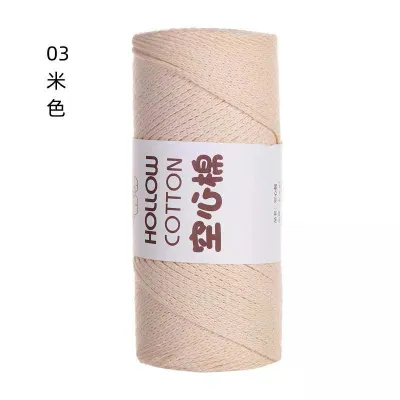
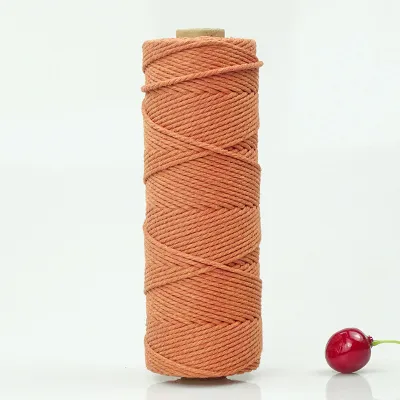
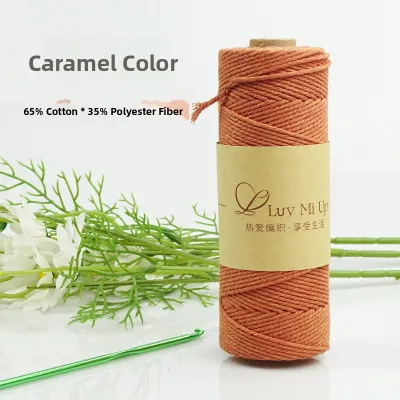
![[SG Seller] Japanese style rope braided yarn cord 2mm thick [65% cotton 35% polyester] diy macrame crochet bag](https://img.lazcdn.com/g/p/2b653c5f846549a30fbd52eb35213de2.jpg_400x400q80.jpg_.webp)
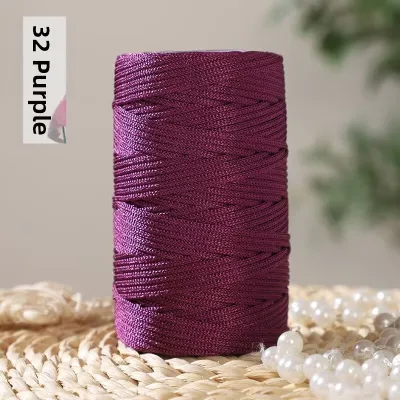
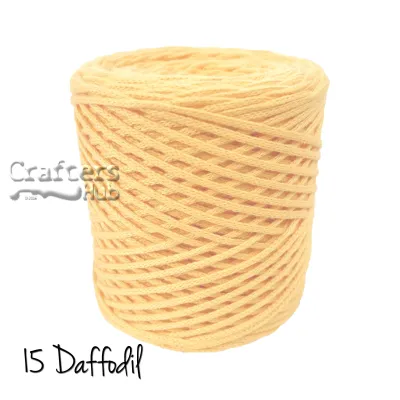
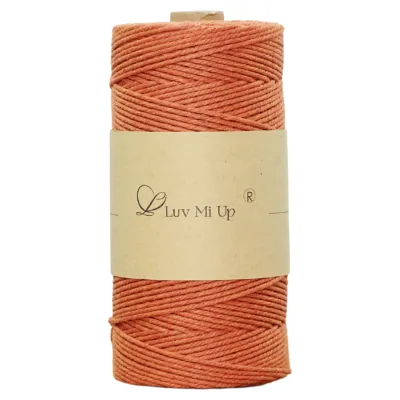
Prices are valid at publication and may change. Please refer to the product page for the latest price.
It is crucial to differentiate between true crochet thread and fine lace-weight yarn, as they behave differently on the hook. Crochet thread is typically composed of multiple plies of cotton that have been tightly twisted and mercerized. This construction results in a dense, structured cord with minimal stretch, making it ideal for projects that require crisp geometric shapes, such as doilies, bookmark borders, and structured jewelry. Conversely, fine lace-weight yarn—often made from wool, silk, alpaca, or acrylic—possesses a looser twist and a distinct “halo” (the fine, fuzzy fibers extending from the strand). Lace-weight yarn offers superior drape and softness, making it the preferred choice for delicate garments, shawls, and lightweight summer tops.
Fine detail work demands specific structural properties from yarn to ensure that complex stitches remain visible and defined. When working intricate stitches like picots, bullion stitches, or delicate pineapple lace, a yarn with poor structural integrity will compress or bloom excessively, causing the design to look muddy or indistinct. A high-quality 2mm yarn must maintain its round profile under tension, allowing each loop and wrap to sit cleanly against the next. This structural stability also ensures that the finished project retains its blocked dimensions, resisting the sagging or shrinking that can occur when exposed to ambient humidity.
How to Evaluate Quality in Fine Crochet Yarn
Evaluating the quality of a fine crochet yarn requires a systematic approach, looking beyond the brand name to analyze the physical characteristics of the fiber and its construction. Since fine detail work is highly time-consuming, investing in high-quality materials ensures your labor is preserved for years to come.

Fiber Content
The composition of the fiber dictates the yarn’s behavior, appearance, and suitability for different projects.
- Mercerized Cotton: This is the gold standard for structural fine detail work. The mercerization process treats the cotton fibers with sodium hydroxide, which swells the cell walls, rounds out the fiber shape, and aligns the microscopic structure. This results in a yarn with a brilliant, silk-like sheen, enhanced tensile strength, and superior dye absorption. It yields exceptional stitch definition and does not stretch out of shape easily.
- Silk and Bamboo Blends: For projects requiring drape, softness, and a luxurious feel—such as fine shawls or summer garments—silk and bamboo are outstanding choices. Bamboo offers natural breathability and a cool hand-feel, which is highly comfortable in Singapore's warm climate. Silk adds a subtle luster and incredible tensile strength, though it can be slippery to work with on the hook.
- High-Twist Wool and Acrylic: While less common for structured lace, fine merino wool or premium acrylics provide elasticity and warmth. They are excellent for miniature amigurumi where a softer, seamless look is desired, though they lack the crisp stitch definition of mercerized cotton.
Twist and Ply Construction
The way a yarn is spun directly impacts its performance on your crochet hook. A high-quality 2mm yarn should feature a tight, consistent twist with multiple plies (usually 3-ply or 4-ply). When yarn is loosely twisted, the individual plies tend to separate or “split” as you insert your hook into a stitch. This splitting not only slows down your crafting speed but also creates unsightly snags that ruin the clean lines of fine detail work. Examine the yarn closely: the plies should form a cohesive, rounded strand that springs back into shape when compressed.
Colorfastness and Dye Quality
For intricate, multi-colored projects or pieces that require regular washing, dye stability is paramount. High-quality brands use professional-grade dyes that bind permanently to the fiber. To verify colorfastness before starting a major project, perform a simple damp-cloth test: moisten a small snippet of the yarn and press it firmly between two layers of white cotton cloth. If any color transfers to the white cloth, the dye is unstable, and the colors are likely to bleed when the finished piece is blocked or washed.
Durability and Pilling Resistance
Fine fibers are subjected to significant friction as they pass through your fingers and the eye of the hook. Lower-quality yarns often shed short fibers during this process, leading to immediate pilling and a fuzzy appearance before the project is even completed. Look for yarns made from long-staple fibers, which are longer individual strands spun together to create a smoother, more durable thread. This structural integrity ensures the yarn can withstand the tight tension required for detailed work without fraying or snapping.
Reputable Yarn Brands for 2mm Projects Available in Singapore
Several international yarn manufacturers have established a strong reputation among Singapore’s fiber arts community for delivering consistent, high-quality fine yarns. These brands can be found through specialized local retailers, official distributors, and dedicated craft boutiques.
Established Thread and Lace Specialists
For traditional lace, structural home decor, and micro-crochet, heritage brands specializing in mercerized cotton threads remain unmatched.
- DMC: Renowned globally for its embroidery floss, this French brand also produces some of the finest crochet threads available. Lines like DMC Cebelia and DMC Petra are highly regarded. Cebelia is a three-cord, double-mercerized cotton thread that offers incredible strength, a smooth finish, and absolute consistency in thickness. It is highly resistant to splitting and is perfect for heirloom-quality doilies and table runners. DMC Petra is slightly softer but retains excellent stitch definition, making it versatile for both home decor and fine apparel accessories.
- Anchor: Another historic European brand, Anchor offers premium threads such as Anchor Freccia and Anchor Artiste. These threads feature a multi-ply construction made from 100% Egyptian Giza cotton. They are highly valued for their silky texture, exceptional colorfastness, and resistance to distortion under high tension. Anchor threads are particularly popular for delicate lace borders, tatting-style crochet, and miniature floral motifs.
Premium International Yarn Lines
If your project leans toward wearable garments, modern accessories, or colorful amigurumi, international brands offering specialized fine cotton and blend ranges are highly recommended.
- Scheepjes: This Dutch brand is immensely popular in Singapore for its extensive color palettes and high-quality fibers. Scheepjes Catona is a 100% mercerized cotton yarn that falls into the fingering weight category, making it an excellent choice for 2mm projects. It is smooth, robust, and comes in over 100 shades, allowing for intricate colorwork in amigurumi or mandalas. For even finer work, Scheepjes Maxi Sweet Treat and Maxi Sugar Rush are lace-weight, highly twisted mercerized cottons that provide superb crispness for delicate lace patterns.
- Katia: Hailing from Spain, Katia offers premium fine yarns like Katia Capri, a mercerized cotton that provides a beautiful sheen and a soft hand-feel. Katia's fine yarn lines often blend cotton with acrylic or viscose, creating a lightweight fabric with excellent drape and breathability, which is ideal for Singapore’s tropical climate.
Specialty and Independent Dyers
For unique projects that require a touch of luxury or highly customized colorways, sourcing from specialty and independent dyers is an excellent alternative.
Many independent dyers offer exquisite lace-weight bases made from pure mulberry silk, baby alpaca, or superwash merino wool. These yarns are hand-dyed in small batches, resulting in deep, complex variegated colors and subtle semi-solids that machine-dyed yarns cannot replicate.
When choosing hand-dyed yarns for a 2mm project, it is essential to verify the exact meterage per gram (such as 600m to 800m per 100g for a true lace weight) and to purchase sufficient yarn from the same dye lot. Because hand-dyeing is an artisanal process, slight variations in thickness and color saturation can occur between batches, which can become highly visible in fine, uniform stitch patterns.
Where to Source and Verify Fine Yarn in Singapore
Finding the right yarn in Singapore involves navigating both physical retail spaces and online platforms. Because fine detail work requires precision, verifying the yarn’s physical characteristics before purchasing is highly recommended.
Physical Craft and Yarn Stores
Singapore hosts several specialized Local Yarn Shops (LYS) and general craft retailers. Large general craft stores, such as those found in major shopping malls like Plaza Singapura or Orchard Road, offer convenience and a broad selection of utility yarns. However, for specialized 2mm crochet threads and premium international brands, visiting a dedicated LYS (often located in central areas or historic districts like Chinatown) is highly beneficial.
In a physical store, you can perform a “squish test” to evaluate the softness and springiness of the fiber. You can also inspect the yarn under bright light to check the tightness of the twist and ensure there is no excessive halo or splitting. Store owners and staff at specialized shops are typically experienced crafters who can offer valuable advice on hook compatibility and pattern selection.
Online Platforms and Official Distributors
When shopping on regional e-commerce platforms or online marketplaces, extra caution is required. Search queries for “2mm yarn” can often return results for 2mm macrame cotton cord or thick paper twine, which are entirely unsuitable for fine detail crochet.
To ensure you are purchasing genuine, high-quality crochet yarn:
- Search specifically for established brand names (e.g., "DMC Cebelia Size 10" or "Scheepjes Catona").
- Purchase from official brand stores or highly-rated specialty craft sellers with verified positive feedback.
- Examine customer review photos to verify the yarn's actual scale, texture, and color accuracy.
- Avoid generic, unbranded listings that promise "ultra-cheap" multi-packs, as these often feature inconsistent thicknesses, weak tensile strength, and unstable dyes that bleed during washing.
Reading and Interpreting the Yarn Label
The yarn label is your most reliable tool for verifying that a product meets your 2mm requirement.
- Recommended Hook Size: For a true 2mm yarn or thread, the label should recommend a hook size between 1.5mm and 2.5mm. If the recommended hook size is 3.0mm or larger, the yarn is likely too thick for delicate, fine detail work.
- Yarn Weight Symbols: Look for the standard Craft Yarn Council (CYC) symbols. A rating of "0 – Lace" or "1 – Super Fine" indicates the correct thickness range.
- Meterage-to-Weight Ratio: This ratio is an excellent indicator of thickness. For a 50g ball of 100% cotton yarn, a length of 125 meters to 200 meters typically indicates a fingering or heavy lace weight suitable for fine work. For pure lace-weight thread, a 50g ball may contain 280 meters or more.
Techniques for Working with Delicate 2mm Yarn
Working with fine 2mm yarn requires a shift in technique, tools, and ergonomics to ensure clean stitches and prevent physical strain.
Hook Selection
Matching your fine yarn with the correct hook material and size is critical for maintaining clean stitch definition.
- For highly twisted crochet threads (like DMC or Anchor), steel hooks are the industry standard. Steel hooks do not bend under the high tension required for thread crochet, and their precise, sharp tips slide easily into tiny stitches. Sizes ranging from 1.25mm to 1.75mm are ideal for these threads.
- For softer lace-weight yarns (such as Scheepjes or Katia), aluminum hooks with smooth, polished finishes or hooks featuring comfortable ergonomic handles are preferred. These hooks prevent hand fatigue during long crafting sessions and ensure the yarn glides smoothly without snagging.
Tension and Ergonomics
Fine detail work naturally demands tighter tension control, which can easily lead to hand fatigue, cramping, or repetitive strain injuries.
- Avoid gripping the hook too tightly; instead, let the ergonomic handle rest naturally in your palm or use a "pencil grip" if it provides better control.
- Consider using a tension ring or wrapping the yarn around your pinky finger to maintain consistent tension without squeezing your fingers shut.
- Take regular breaks—ideally every 30 to 45 minutes—to stretch your hands, wrists, and shoulders. Prolonged body contact with small hooks and tight yarn can cause muscle stiffness if not managed carefully.
Environment Setup
Because fine stitches are incredibly small, proper environmental setup is essential to prevent eye strain and maintain stitch accuracy.
- Lighting: Work under a bright, adjustable LED task lamp that mimics natural daylight. Avoid crafting in dim ambient room lighting, which makes it difficult to see individual loops.
- Contrast: Lay a contrasting cloth across your lap while working. If you are crocheting with a light-colored yarn, place a dark towel or cloth on your lap; if working with dark yarn, use a white cloth. This simple visual aid makes the tiny stitches stand out clearly.
- Magnification: For micro-crochet or ultra-fine lace, consider using a hands-free magnifying glass or a craft lamp equipped with a built-in magnifier to ensure perfect hook placement.
Frequently Asked Questions (FAQ)
Can I use standard sewing thread instead of 2mm crochet thread?
Standard sewing thread is not a suitable substitute for 2mm crochet thread. Sewing thread is engineered for sewing machines or hand stitching; it is extremely thin, lacks the necessary multi-ply twist, and does not have the structural body required to form stable crochet stitches. Attempting to crochet with sewing thread will result in a limp, unstructured fabric that easily tangles, knots, and breaks under the tension of a crochet hook. For fine detail work, always use dedicated crochet threads (such as Size 10 or 20) or lace-weight yarns designed specifically to hold their shape.
How do I prevent fine cotton yarn from tangling or knotting during a project?
To keep fine cotton yarn from tangling, always use a yarn bowl or a heavy ceramic mug to keep the ball from rolling around and picking up dust. If using a skein or cake, pulling the yarn from the outside of the ball is often more stable than a center pull, which can collapse inward and cause a tangled cluster of yarn. Work in a clean, static-free environment, and store your active project in a clean zip-lock bag when not in use to protect it from Singapore’s high humidity, which can make fine fibers cling to one another.
Is mercerized cotton better than regular cotton for fine detail crochet?
Yes, mercerized cotton is highly superior to regular cotton for fine detail crochet. The mercerization process chemically alters the cotton fibers, making them stronger, smoother, and highly reflective. This results in a yarn with a beautiful silk-like sheen and outstanding stitch definition, allowing intricate lace patterns to stand out clearly. Regular cotton is typically matte, softer, and fuzzier, which can cause fine stitches to look blurry and run the risk of pilling over time under friction.

Community discussion
Share your experience or ask a question. Comments are reviewed before publication.