
The Gardenia EZ-Link card is a co-branded, reloadable contactless smart card used primarily for public transit and retail transactions in Singapore. Typically released as a limited-edition promotional item or collectible collaboration between the popular bakery brand Gardenia and EZ-Link, this card functions exactly like a standard transit card while featuring unique, brand-specific artwork. To obtain one, consumers generally need to participate in specific retail promotions, purchase qualifying bread products, or visit authorized distribution channels during active campaign periods. Because these cards are tied to promotional windows, securing one requires verifying current campaign terms, checking participating supermarket shelves, or visiting designated transit ticketing offices.
Understanding the nature of these promotional releases helps you avoid common pitfalls, such as purchasing expired cards from unauthorized resellers or missing out on active redemption windows. Whether you are a daily commuter looking to add some color to your morning routine or a dedicated collector of local memorabilia, this guide outlines how to evaluate the card’s utility, verify its availability, and manage its stored value effectively.
What the Gardenia EZ-Link Card Actually Is
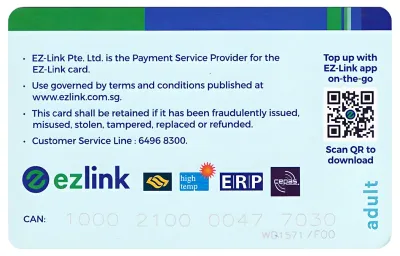
The Gardenia EZ-Link card represents a creative partnership between one of Singapore’s most recognizable packaged bread brands and the national transit payment authority. At its core, the card is built on the standard CEPAS (Contactless e-Purse Application System) platform, which is the national standard for smart card transactions. This means that despite its playful, bread-themed exterior, the card houses the exact same contactless microchip and antenna technology found in standard blue or silver transit cards.
Products mentioned in this guide
![[Exp: March 2030] Brand New EZ-Link Ezlink Blue Sanrio Hello Kitty 50th Anniversary EZ-Link Card Blue (Non SimplyGo)](https://img.lazcdn.com/g/ff/kf/Sffe01e531df94563abf64ba29a6c06d0N.jpg_400x400q80.jpg_.webp)
Prices are valid at publication and may change. Please refer to the product page for the latest price.
Physically, the card adheres strictly to the international CR80 standard, measuring approximately 85.60 mm by 53.98 mm with a thickness of 0.76 mm. This standard sizing ensures that the card fits perfectly into standard wallet slots, plastic card sleeves, lanyard badge holders, and stationery organizers. The exterior surface typically features high-quality, full-color UV or thermal transfer printing to showcase Gardenia’s iconic branding, designed to withstand the daily friction of being slid in and out of wallets.
Unlike standard transit cards that are permanently available at transit stations, these co-branded versions are typically released as limited-run promotional tie-ins. They are often introduced to celebrate brand milestones, festive seasons, or specific marketing campaigns. Once the promotional period ends or the allocated stock is depleted, these specific designs are rarely reprinted, transitioning them from everyday utility items into sought-after collectibles.
Diagnosing Your Need: Is This Co-Branded Card Right for You?
Before spending time searching for this specific card, it is helpful to evaluate whether a co-branded transit card aligns with your daily habits and organizational preferences. The primary audience for this card includes brand enthusiasts, novelty collectors, and parents looking for visually distinct cards to help their children identify their own transit passes. The bright, recognizable design makes it easy to spot inside a cluttered bag or stationery pouch.

From a functional standpoint, there is no performance difference between this co-branded card and a standard SimplyGo EZ-Link card. Both utilize the same tap-and-go technology, offer identical transaction speeds at MRT gantries, and share the same compatibility with transit readers. If your primary goal is purely utilitarian commuting, a standard card or even a digital transit payment linked to your mobile phone may be more convenient and immediately accessible.
There are also physical and administrative trade-offs to consider. If you use a heavy, RFID-blocking metal wallet or a thick leather cardholder, the contactless signal may be obstructed, requiring you to remove the card for every transaction regardless of its design. Furthermore, if you lose a co-branded card, the transit authority’s standard replacement policy typically issues a generic replacement card rather than another limited-edition Gardenia design, meaning the collectible value is lost upon replacement.
How to Verify Current Availability and Claim Yours
Because co-branded cards are highly dependent on active promotional campaigns, you should always verify current availability before heading to a retail store. Start by checking the official social media channels and press releases of both Gardenia Singapore and EZ-Link. These official sources provide the most accurate details regarding campaign start dates, qualifying purchase criteria, and participating retail partners.
When visiting physical retail locations such as supermarkets or convenience stores, look for explicit promotional signage or custom packaging. During active campaigns, qualifying Gardenia bread loaves may feature promotional neck tags, stickers, or bundled packaging that contains the card or a redemption voucher. Inspect the packaging carefully to ensure the promotional seal is intact and has not been tampered with on the retail shelf.
If the promotion involves a redemption process rather than an on-pack bundle, you may need to present your physical retail receipts at designated customer service counters or transit ticketing offices. Always read the specific terms and conditions of the campaign, paying close attention to minimum spend requirements, eligible product lists, and stock availability statements. Be aware that promotional items are typically distributed on a first-come, first-served basis, and stock may run out before the official campaign end date.
Reloading and Managing Your Card After Acquisition
Once you have successfully acquired your card, managing its stored value follows the standard procedures established for all CEPAS cards. You can top up the card’s balance at any standard transit ticketing machine located inside MRT stations and bus interchanges. Additionally, authorized convenience stores offer top-up services, though these transactions may be subject to a nominal service fee depending on the retailer’s policy.
For a more seamless experience, you can register the card on the official transit mobile application. This digital integration allows you to monitor your transaction history, track your remaining balance, and apply for automatic top-up services directly from your smartphone. Utilizing the app also provides an added layer of security, enabling you to block the card remotely and protect your remaining funds if the physical card is misplaced.
If your card becomes physically damaged or fails to read at transit gantries, you should visit a designated transit ticket office for diagnostic assistance. The customer service staff can verify if the internal chip is defective and assist you with transferring any remaining balance to a new card. Keep in mind that while the monetary balance can be recovered and transferred, the physical, branded card itself will generally be retained by the ticketing office during the refund process.
Frequently Asked Questions (FAQ)
Can I use this co-branded card for all public transport and retail payments?
Yes, the card functions identically to any standard contactless transit card. It is fully compatible with all public buses, MRT and LRT trains, and Electronic Road Pricing (ERP) readers. Additionally, you can use it to make payments at supermarkets, convenience stores, hawker centers, and any other retail merchants across Singapore that accept standard contactless transit card payments.
Does the card or its stored value expire over time?
Yes, physical transit cards built on this platform typically have an operational lifespan of five years from the date of manufacture. The physical card will cease to function at transit readers once this expiration date is reached. The stored monetary value remains valid until the card expires, after which you must apply for a refund or transfer the remaining balance to an active card within the transit authority’s stipulated grace period.
Is it possible to transfer the balance to a standard transit card?
Yes, you can transfer your remaining balance to another active transit card or request a refund. This process can be completed by visiting any authorized transit ticketing office or customer service counter. Once a full refund is processed, the co-branded card is permanently deactivated and cannot be reloaded, though you are usually allowed to keep the deactivated physical card as a collectible item.

Community discussion
Share your experience or ask a question. Comments are reviewed before publication.