
Finding the perfect Teacher’s Day card in Singapore involves matching the design to your teacher’s personality, verifying the physical quality of the paper, and knowing where to shop. Whether you prefer a minimalist aesthetic, a playful illustration, or an intricate 3D pop-up, selecting a card that reflects genuine appreciation requires a balance of thoughtful design and tactile quality. By focusing on material standards and sourcing from reliable local retailers or boutique designers, you can present a memorable token of gratitude that stands out on any staffroom desk.
Understanding Your Teacher's Style and Preferences
Selecting a greeting card is more than a routine errand; it is an exercise in empathy and observation. To choose a design that truly resonates, start by reflecting on the teacher’s daily personality, teaching style, and the unique dynamic you share in the classroom.
Teachers who appreciate structure, clarity, and modern aesthetics often gravitate toward minimalist designs. These cards typically feature clean typography, generous white space, and subtle geometric accents, allowing the written message inside to remain the focal point.
Products mentioned in this guide
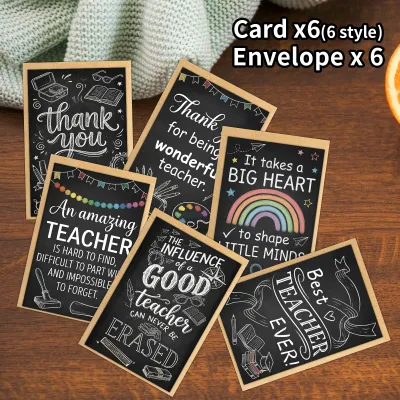
![[MIN 3 CARDS] 🇸🇬SG Punny Teacher Appreciation Card Special Editions for Graduation Greeting Thank You Heartfelt Support Message Card](https://img.lazcdn.com/g/ff/kf/S46b8562713de4564b8cea4c9945a655fF.jpg_400x400q80.jpg_.webp)
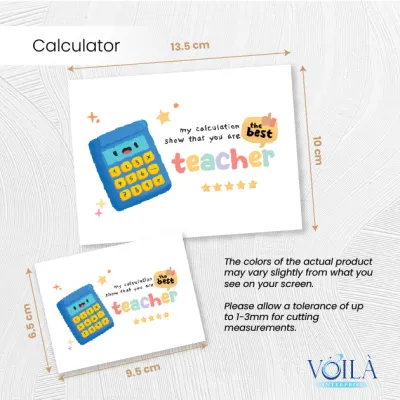
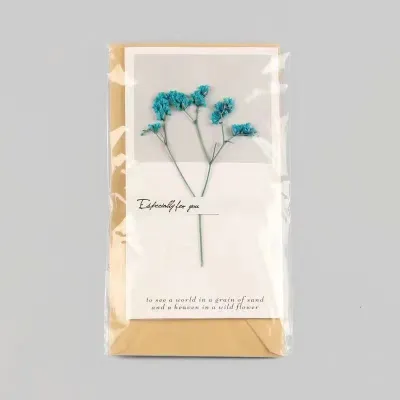

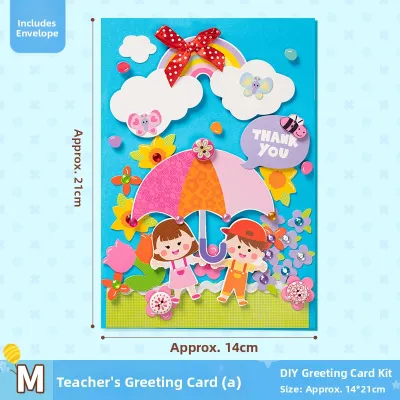
Prices are valid at publication and may change. Please refer to the product page for the latest price.
For educators who bring high energy and warmth to their lessons, playful or illustrative cards are an excellent match. These designs often incorporate whimsical drawings, lighthearted school-themed puns, or colorful patterns that mirror a lively classroom environment.
If you are selecting a card for a subject specialist, consider designs with subtle nods to their field. A mathematics teacher might smile at a clever geometry pun, a science teacher might appreciate a vintage botanical or chemical structure illustration, and a literature teacher might prefer a card adorned with classic literary quotes or elegant calligraphy.
While humor can make a card memorable, it is essential to navigate professional boundaries and cultural appropriateness carefully. Singapore’s educational landscape is built on mutual respect, meaning any humorous elements should remain light, polite, and universally appropriate.
Avoid inside jokes that could be misinterpreted out of context, and steer clear of designs that poke fun at teaching challenges in a way that might seem unprofessional. A safe rule of thumb is to ensure the card’s visual humor is cheerful and celebratory rather than sarcastic.
The age group of the teacher and the academic level can also guide your aesthetic choices. Younger primary school teachers often delight in bright, hand-drawn styles that feel approachable and energetic.
Conversely, secondary school teachers, junior college tutors, or university lecturers may appreciate sophisticated, elegant designs featuring deep color palettes, botanical illustrations, or classic gold foil accents. Matching the card’s visual complexity to the recipient’s professional persona ensures your gesture feels both thoughtful and respectful.
Evaluating Card Quality: Paper, Printing, and Finishes
The physical feel of a card speaks volumes before the recipient even reads the message inside. High-quality cardstock not only conveys a sense of prestige but also ensures the card remains durable when displayed on a desk or stored in a keepsake box.

When evaluating cards in person or reviewing specifications online, pay close attention to the paper weight, measured in grams per square meter (GSM). A premium greeting card should ideally be printed on cardstock ranging from 250 GSM to 350 GSM. Anything lighter than 250 GSM may feel flimsy, bend easily under its own weight, or crease during transit.
The texture of the paper is equally critical, as it directly affects how your pen interacts with the surface. Uncoated or matte cardstock offers a classic, tactile feel and is highly receptive to most writing instruments. It provides excellent ink absorption, which minimizes the risk of smudging and feathering.
Textured papers, such as felt-marked, linen, or laid cardstock, add an extra layer of sensory appeal, giving the card an artisanal, handcrafted quality. If you choose a card with a glossy or coated finish, keep in mind that the slick surface requires specialized ink to prevent smearing, as standard water-based inks cannot easily penetrate the coating.
Beyond the paper itself, the printing and finishing techniques employed can elevate a simple design into a work of art. Look for cards that utilize premium embellishments such as hot foil stamping, which applies a thin layer of metallic foil to specific design elements for a brilliant, light-catching effect.
Embossing and debossing create raised or recessed patterns in the paper, adding a tactile dimension that invites touch. Letterpress printing, a traditional technique where inked plates are pressed deep into thick paper, offers a distinctive, luxurious texture that modern digital printing cannot replicate.
Do not overlook the quality of the accompanying envelope, as it provides the first impression of your gift. A premium card should be paired with an envelope made from sturdy paper, typically between 100 GSM and 120 GSM. Thin, translucent envelopes can tear easily and fail to protect the card inside.
Additionally, inspect the adhesive seal on the envelope flap. High-quality envelopes feature a reliable gummed seal that activates evenly with moisture, or a convenient peel-and-seal adhesive strip protected by a removable paper backing. A secure seal ensures the card remains safely enclosed and protected from dust and moisture.
Exploring Card Formats, Sizes, and Structures
Greeting cards come in a variety of physical formats, each offering a different presentation style and writing experience. The traditional folded card remains the most popular choice, providing a clean cover design and a protected interior space for your personal message.
Folded cards are highly versatile, offering ample room for detailed writing or multiple signatures if a group of classmates is contributing to the message. They also stand upright easily, making them ideal for display on a classroom shelf or home desk.
Flat cards, which resemble postcards, offer a modern and minimalist alternative. With the design on the front and the message written directly on the back, flat cards are excellent for short, concise notes of appreciation.
Because they do not fold, flat cards require high-weight cardstock of at least 300 GSM to prevent warping. Flat cards are highly portable and slide easily into book pages or gift bags, making them a sleek option for students who prefer a streamlined presentation.
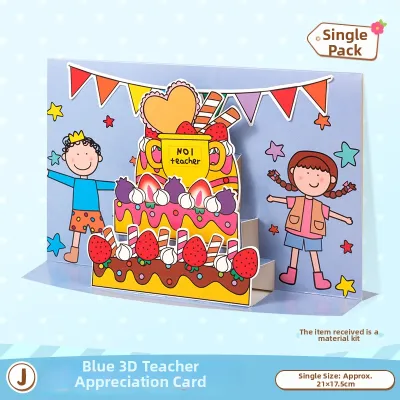
For a truly dramatic and memorable presentation, complex pop-up or 3D structural cards are an exceptional choice. These cards utilize intricate paper engineering to unfold into three-dimensional scenes—such as a bouquet of flowers, a classroom setting, or a celebratory banner—when opened.
While visually stunning, 3D cards require careful inspection before purchase. Verify that the scoring and fold lines are clean and precise, allowing the card to open smoothly without catching or tearing. The paper elements must be sturdy enough to support the structure, ensuring the card can stand upright on a flat surface without sagging or collapsing over time.
Size is another practical consideration when selecting a card format. Standard sizes like A6 (105mm x 148mm) and A5 (148mm x 210mm) are widely available and fit standard envelope sizes, making them easy to mail or carry.
If you plan to have an entire class sign a single card, look for oversized formats or multi-panel folding designs that provide sufficient surface area for everyone to write comfortably. Ensure that any non-standard or oversized card comes with a matching envelope, as finding a separate envelope for an unusual card shape can be challenging.
Where to Source Quality Teacher's Day Cards in Singapore
Finding the right place to purchase your Teacher’s Day card in Singapore depends on your timeline, budget, and desired level of customization. For those seeking convenience, immediate availability, and a wide selection of classic designs, large chain stationery stores and major bookstores located in shopping malls across Singapore are excellent starting points.
These retailers carry a reliable inventory of cards from established international and regional brands, making it easy to find a suitable option during a quick weekend shopping trip.
If you are looking for something unique, small-batch, or locally themed, independent boutique gift shops and local artisan markets are outstanding alternatives. Often situated in creative enclaves or operating online, these boutiques collaborate with local illustrators and designers to offer cards that you won’t find in major chains.
Many of these designs incorporate charming local elements, such as illustrations of classic Singapore school snacks, local landmarks, or lighthearted expressions of gratitude. Supporting these independent creators not only yields a highly distinctive card but also celebrates the local creative community.
For those who require personalized designs, photo-integrated cards, or bulk orders, e-commerce platforms and local custom printing services offer unparalleled flexibility. Online marketplaces allow you to browse thousands of designs from independent artists worldwide, with options to customize text, colors, and layouts.
If you are organizing a school-wide initiative or purchasing cards on behalf of a parent-teacher association, local digital printing services can produce high-quality, custom-designed cards in bulk at cost-effective rates.
When purchasing cards online, it is crucial to plan ahead and pay close attention to shipping conditions. Ensure the seller packages the cards in rigid, bend-resistant cardboard mailers or protective plastic sleeves to prevent creasing, water damage, or bent corners during transit.
Check the estimated delivery windows carefully, especially during the busy weeks leading up to Teacher’s Day, to ensure your cards arrive with plenty of time for writing and preparation.
Adding a Personal Touch: Writing and Presentation
Once you have selected a high-quality card, the way you write your message and present the card can significantly enhance its impact. The choice of writing instrument is a critical first step that depends heavily on the card’s paper finish.
For uncoated or matte cardstock, gel pens, rollerballs, and fountain pens glide smoothly and offer rich, vibrant lines. However, because these inks are water-based, they require a few moments to dry completely. To prevent smudging, allow the ink to dry fully before folding the card or placing it in the envelope.
If your card features a semi-glossy, coated, or metallic finish, standard gel pens and fountain pens may feather, bead up, or smear easily. For these surfaces, opt for a quick-drying ballpoint pen or a fine-tip permanent marker.
These oil-based or alcohol-based inks adhere securely to slick surfaces and dry almost instantly. Regardless of the paper type, it is always wise to perform a small test stroke with your chosen pen on a hidden corner of the card or on the envelope flap to verify the drying speed and ensure the ink does not bleed through to the other side.
The heart of the card is the message itself. To write a sincere and meaningful note, structure your thoughts into a clear progression. Begin with a warm, respectful greeting, addressing the teacher by their preferred title.
Next, highlight a specific instance where their guidance, encouragement, or teaching style made a positive impact on your learning journey. Mentioning a memorable classroom moment or a specific lesson shows that you have reflected deeply on their efforts. Conclude by expressing your ongoing gratitude and wishing them a wonderful Teacher’s Day.
Finally, consider how the card will be presented. A pristine, uncreased envelope is essential. You can seal the envelope with a decorative sticker, a wax seal, or a neat strip of washi tape for an elegant touch.
If you wish to pair the card with a small token of appreciation, choose practical, school-friendly items such as a high-quality metal bookmark, a premium pen, or a small notebook. Ensure any combined gift is packaged neatly, keeping the presentation clean, respectful, and aligned with school guidelines.
Frequently Asked Questions (FAQ)
Is it better to buy a pre-printed card or make a handmade one?
Deciding between a store-bought card and a handmade one depends on the student’s age, available time, and personal skills. Handmade cards carry immense sentimental value and are highly cherished, especially by preschool and primary school teachers who love seeing their students’ creativity and effort. If you choose the DIY route, ensure you use sturdy cardstock and safe, clean adhesives to maintain a neat presentation. For older students, secondary school levels, or tertiary education, a premium store-bought card paired with a deeply thoughtful, well-written message offers a polished and professional presentation while still conveying profound gratitude.
How far in advance should I order a custom Teacher's Day card?
If you plan to order a customized or personalized card from an online creator or a local printing service, you should ideally place your order at least two to three weeks in advance. This timeframe accounts for design proof approvals, printing production schedules, and local shipping transit times. During the peak season leading up to Teacher’s Day in Singapore, printing services and postal networks experience higher volumes, which can lead to unexpected delays. Ordering early provides a comfortable buffer, ensuring your custom cards arrive in perfect condition well before the school celebrations begin.

Community discussion
Share your experience or ask a question. Comments are reviewed before publication.