
Finding the right card to express gratitude to educators in Singapore requires balancing aesthetic appeal, paper quality, and personal sentiment. With Teachers’ Day celebrated annually on the first Friday of September, students and parents often search for cards that stand out and convey genuine appreciation. The local market offers a diverse array of options, ranging from established global stationery names to boutique local designers and independent illustrators.
Selecting the ideal card involves understanding the different brand categories available in Singapore and knowing how to evaluate their physical characteristics. A well-chosen card serves as a lasting keepsake that teachers often display on their desks or preserve in memory boxes for years. By focusing on paper weight, print finishes, and design relevance, you can find a card that perfectly matches your teacher’s personality and your personal message.
Key Criteria for Evaluating Teachers' Day Card Brands
When evaluating different card brands, the physical quality of the paper is the first and most apparent indicator of craftsmanship. Paper weight is measured in grams per square meter (gsm). Standard printer paper is typically around 80 gsm, which is far too flimsy for a greeting card. High-quality card brands use cardstock ranging from 250 gsm to 350 gsm. This thickness ensures the card can stand upright on a teacher’s desk without buckling or bending over time.
Products mentioned in this guide
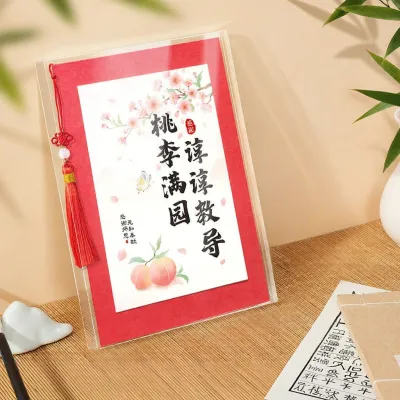
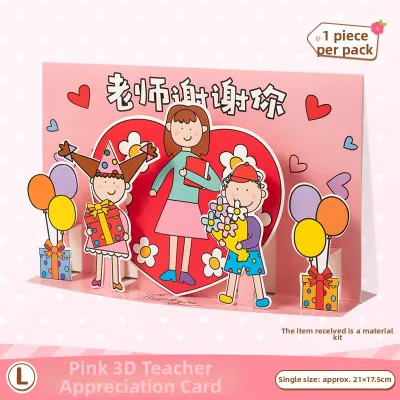
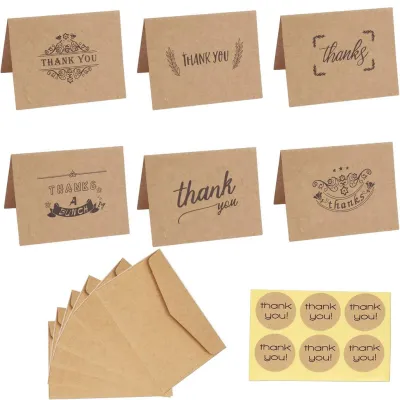
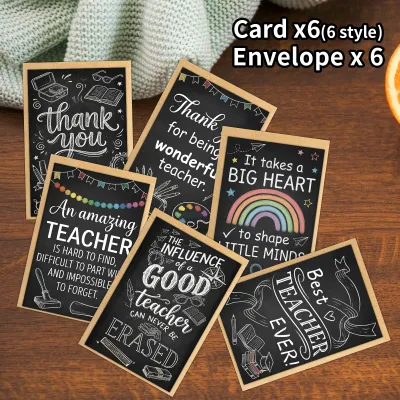

![[MIN 3 CARDS] 🇸🇬SG Punny Teacher Appreciation Card Special Editions for Graduation Greeting Thank You Heartfelt Support Message Card](https://img.lazcdn.com/g/ff/kf/S46b8562713de4564b8cea4c9945a655fF.jpg_400x400q80.jpg_.webp)
Prices are valid at publication and may change. Please refer to the product page for the latest price.
The texture of the paper also plays a critical role in both the card’s appearance and its usability. Matte paper offers a clean, non-reflective surface that is highly versatile. It is particularly suitable for writing with gel pens or fountain pens, as the ink absorbs quickly without smudging. Textured or felt-finish papers provide a premium, tactile feel that elevates the gifting experience, though they may require a slightly slower writing pace to ensure even ink distribution. Glossy paper, while excellent for vibrant color reproduction and photographic designs, is highly prone to fingerprint marks and ink smudging, requiring the use of a quick-drying ballpoint pen or a permanent marker.
Print quality and finishing details are what separate mass-produced cards from premium stationery brands. Inspect the card for sharp, crisp lines and vibrant, accurate colors. High-end brands often incorporate specialty finishes such as hot foil stamping, embossing, or debossing. Foil stamping adds a metallic luster—usually in gold, silver, or rose gold—that catches the light beautifully. Embossing raises specific design elements above the paper surface, while debossing presses them into the paper, creating a sophisticated three-dimensional effect. When evaluating these finishes, check that the foil is cleanly applied without flaking and that the embossing is perfectly aligned with the printed design.
Sustainability is an increasingly important consideration for many consumers in Singapore. Look for brands that use Forest Stewardship Council (FSC) certified paper, which ensures the wood pulp is sourced from responsibly managed forests. Many modern stationery brands also utilize recycled cardstock and vegetable-based inks, reducing the environmental impact of your purchase without compromising on visual or tactile quality.
Finally, the design theme and the layout of the writing space must be carefully considered. The visual elements should be respectful, encouraging, and appropriate for an educational setting. Equally important is the interior layout. A good card brand designs its products with the writer in mind, leaving ample blank space for a personalized message. Avoid cards with dark or heavily patterned interiors, as they make handwritten text difficult to read. A clean, white, cream, or light pastel interior provides the perfect canvas for your words of appreciation.
Types of Card Brands Available in Singapore
The retail landscape in Singapore offers a rich variety of card brands, catering to different budgets, aesthetic preferences, and levels of personalization. Whether you prefer a classic, formal card from an established international brand or a quirky, culturally relevant design from a local creator, understanding the market segments helps you target the right source.

To help you navigate the options, the table below summarizes the three primary brand categories available in Singapore, along with their typical design styles, relative price tiers, and primary retail channels.
| Brand Category | Typical Design Styles | Relative Price Tier | Primary Retail Channels |
|---|---|---|---|
| International Giants | Traditional, elegant, classic, mass-appeal | Mid-range | Major bookstores, department stores |
| Local Stationery Labels | Modern, culturally relevant, minimalist | Mid to high-range | Boutique shops, museum gift shops, brand websites |
| Independent Creators | Unique, hand-illustrated, customizable | Variable | Online marketplaces, local craft fairs |
International Greeting Card Brands
International greeting card brands are widely recognized for their highly polished, professional designs and consistent quality. These brands have spent decades refining their product lines, offering a vast selection of cards that cater to almost every imaginable sentiment. Their designs often feature classic floral patterns, elegant typography, and traditional school motifs like apples, blackboards, and books.
One of the primary advantages of choosing an international brand is the standardization of sizing. These cards typically conform to standard envelope sizes, such as C6 or DL, making them easy to mail or slip into a standard gift bag. The pre-printed messages inside these cards are professionally drafted, offering a safe and respectful option when you want to convey appreciation but may struggle to find the right words yourself.
These brands are highly accessible across Singapore. You can easily find them in major bookstore chains located in suburban malls, as well as in large department stores and specialty gift shops. When purchasing from these brands, check the card backing for licensing information and paper specifications to ensure you are getting an authentic, high-quality product.
Local Stationery and Paper Goods Brands
Homegrown Singaporean stationery brands have gained immense popularity for their unique ability to blend high-quality paper crafting with local cultural elements. These brands often feature illustrations and themes that resonate deeply with the Singaporean school experience. You might find cards adorned with lighthearted local phrases, illustrations of iconic school uniforms, or nostalgic depictions of traditional local snacks and classroom settings.
In addition to their cultural appeal, local brands frequently prioritize premium materials and unique artistic styles. Many collaborate with local illustrators to produce exclusive designs that you won’t find anywhere else. They often opt for specialty paper stocks, such as heavy textured felt paper or eco-friendly recycled cardstock, giving their cards a distinct, premium feel.
These local labels are typically available in boutique stationery shops, lifestyle stores in heritage districts like Tiong Bahru or Haji Lane, and local museum gift shops. Many also operate their own dedicated e-commerce websites, offering direct-to-consumer shipping across Singapore. Supporting these brands not only ensures a unique card but also contributes to the local creative community.
Independent Artists and Online Marketplaces
For those seeking a truly unique or highly personalized card, independent artists and illustrators offer an excellent alternative. These creators often produce cards in small batches, featuring hand-drawn illustrations, modern calligraphy, and whimsical designs that stand out from mass-produced options.
Online marketplaces and local craft platforms are the primary venues for finding these independent creators. Many artists offer customization options, allowing you to add the teacher’s name, the subject they teach, or even a custom illustration of the teacher to the front of the card. This level of personalization makes the card a highly cherished keepsake.
When purchasing from independent artists online, it is crucial to exercise due diligence. Always verify the seller’s reviews and ratings, paying close attention to feedback regarding print quality and paper thickness. Because these cards are often printed to order, check the production and shipping lead times carefully. Ensure the seller can guarantee delivery within Singapore well before the Teachers’ Day celebrations in early September to avoid last-minute stress.
Matching Card Designs and Messages to Different Teachers
Selecting the right card involves matching the visual design and the tone of the message to the specific teacher’s personality, subject, and relationship with the student. A thoughtful match demonstrates that you have put genuine effort into the gift.
For subject-specific teachers, choosing a card with relevant motifs is a highly effective way to show appreciation. A science teacher might appreciate a card featuring whimsical illustrations of laboratory beakers, chemical structures, or nature elements. An English or literature teacher would likely enjoy a card adorned with classic literary quotes, elegant typography, or vintage book illustrations. For mathematics or art teachers, look for designs incorporating geometric patterns or vibrant, artistic brushstrokes.
The age group of the students also influences the appropriate design style:
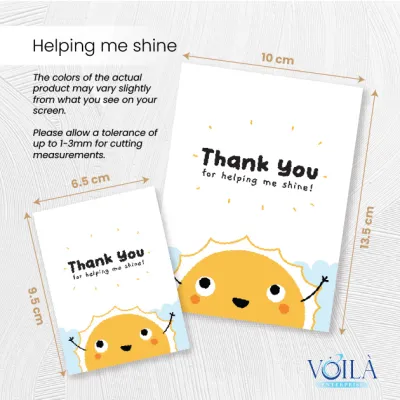
- Preschool and Kindergarten: Cards for early childhood educators should be bright, cheerful, and highly visual. Designs featuring cute animals, happy suns, or playful illustrations are ideal. These cards should have ample space for the young child to write their name, draw a small picture, or add a colorful fingerprint, making the card a collaborative effort between parent and child.
- Primary School: Primary school students can express more specific gratitude. Cards with encouraging, fun, and slightly structured designs work well. Look for cards that include simple prompts, which can help younger students organize their thoughts and write a meaningful message.
- Secondary School and Tertiary: For older students, the relationship with teachers and lecturers often evolves into mentorship. Cards for these educators should feature more sophisticated, minimalist, or elegant designs. The focus should be on deep appreciation, guidance, and the lasting impact of their teaching.
Balancing the pre-printed message with blank space is essential. While a beautifully written pre-printed sentiment can set a respectful tone, the most valuable part of any Teachers’ Day card is the handwritten note. Ensure the card you select has a clean, unlined interior that allows the student to write a personal message. If the student has a lot to say, opt for a completely blank card. For those who prefer a shorter note, a card with a simple, elegant “Thank You” on the front and a blank interior is the most versatile choice.
Practical Buying Tips and Quality Checks
To ensure your Teachers’ Day card meets your expectations and arrives in pristine condition, keep several practical buying tips and quality checks in mind.
First, always verify the inclusion and quality of the envelope. A high-quality card should always come with a matching envelope that fits perfectly. Test the opacity of the envelope by holding it up to the light; thin, translucent envelopes can spoil the surprise by revealing the card design inside. Additionally, check if the envelope has a reliable adhesive strip. If not, consider purchasing decorative stickers or wax seals to secure the envelope elegantly.
When shopping in physical retail stores, perform a quick quality check on the card itself. Inspect the fold line carefully; heavy cardstock must be properly scored before folding, otherwise, the paper fibers will crack, leaving an unsightly, jagged edge. Check the corners of the card and envelope for any signs of bending, fraying, or dirt. Run your fingers lightly over the printed surface to ensure there are no wet ink spots or smudges, which can sometimes occur with specialty finishes.
Singapore’s humid climate can affect paper products if they are not stored correctly. If you purchase your cards several weeks in advance, store them flat in a cool, dry place, away from direct sunlight. Keeping them inside a sealed plastic sleeve or under a heavy book can prevent the paper from absorbing moisture from the air, which can cause the card to warp or curl at the edges.
For online purchases, pay close attention to delivery timelines and return policies. Since Teachers’ Day is celebrated on the first Friday of September, the weeks leading up to it are a peak period for local postal services. Order your cards at least two to three weeks in advance to account for potential shipping delays. Opt for tracked shipping methods whenever possible to monitor your package’s progress. Finally, review the seller’s policy regarding damaged items, ensuring you can secure a replacement quickly if the card is bent during transit.
Frequently Asked Questions (FAQ)
Is it appropriate to give digital cards instead of physical ones?
Physical cards remain the preferred and most traditional way to express gratitude on Teachers’ Day in Singapore. Teachers highly cherish physical cards because they can be displayed on classroom desks, pinned to staffroom notice boards, or kept in memory boxes as lasting mementos of their teaching journey. The physical act of writing a card also conveys a level of effort and personal touch that digital alternatives often lack.
However, digital cards can be an acceptable alternative in specific scenarios. For tertiary students who may not see their lecturers regularly, or for students engaging in home-based or remote learning, a well-designed digital card sent via email is a thoughtful gesture. If you choose a digital card, ensure the message is highly personalized and sincere, rather than a generic, mass-sent graphic. It is also worth noting that while Singapore schools have strict guidelines regarding physical gifts to maintain professional boundaries, greeting cards—both physical and digital—are universally accepted and encouraged as they carry no commercial value.
How much should I expect to spend on a quality Teachers' Day card?
The cost of a Teachers’ Day card in Singapore varies depending on the brand category, paper quality, and level of customization. Standard mass-market cards from international brands typically range from S$3 to S$6. These cards offer consistent quality and professional designs at an accessible price point, making them an excellent choice if you need to purchase cards for multiple teachers.
Specialty cards from local stationery labels or hand-illustrated designs from independent artists generally range from S$6 to S$12. These cards often feature premium paper stocks, unique local motifs, and elegant finishes like foil stamping or embossing. If you are ordering online, remember to factor in local shipping costs, which typically range from S$1 to S$4 for standard mail, or more for tracked courier services. Planning your purchases early and buying in bulk from a single seller can often help you save on shipping fees.
Community discussion
Share your experience or ask a question. Comments are reviewed before publication.