
Selecting the right large paint brush is critical for any large-scale painting project, whether you are coating a spacious interior wall, finishing a wooden deck, or working on an expansive canvas. The debate between synthetic and natural bristle brushes does not have a single, universal winner. Instead, the ideal choice depends entirely on the chemical composition of your paint and the specific texture of the finish you want to achieve. Using the wrong brush material can lead to limp bristles, visible brush marks, or ruined tools. By understanding how water-based and oil-based mediums interact with different fiber structures, you can select a tool that ensures smooth application, optimal paint capacity, and long-term durability.
Understanding the Core Differences in Bristle Materials
To make an informed purchase, you must first understand the physical and structural characteristics that distinguish natural bristles from synthetic fibers. Natural bristles are typically sourced from animal hair, most commonly hog hair (often referred to as China bristle) or ox hair. The defining feature of natural bristles is their structural complexity. Each individual hair naturally tapers toward the end and splits into multiple fine tips, known as “flags.” These flags act like tiny fingers, holding a significant volume of paint and releasing it gradually for a highly controlled, smooth application.
In contrast, synthetic bristles are engineered from materials such as nylon, polyester, or a blend of both. Because they are manufactured, synthetic fibers offer absolute uniformity in thickness, length, and resilience. Modern manufacturing techniques allow producers to taper synthetic fibers and chemically split their tips to mimic natural flags, but they retain a consistent, springy structure that does not change when exposed to moisture.
Products mentioned in this guide
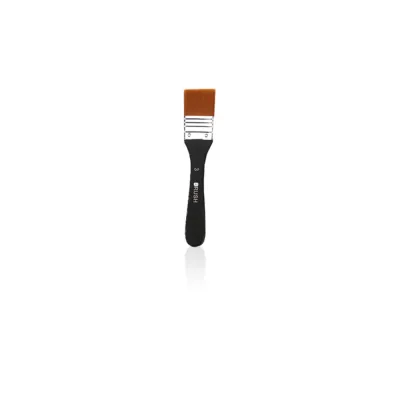
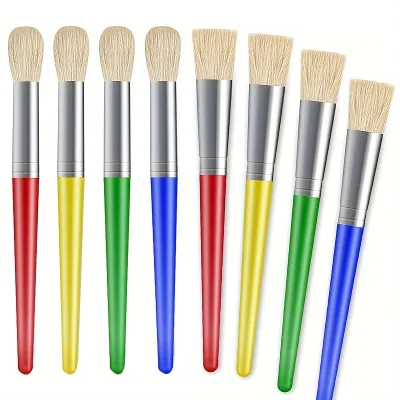
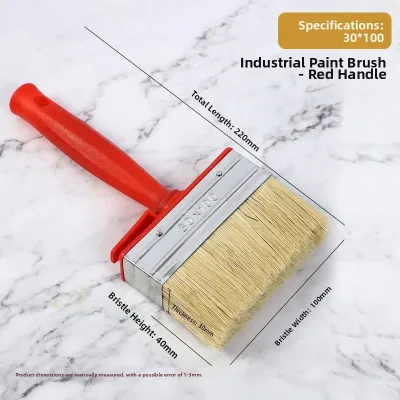
Prices are valid at publication and may change. Please refer to the product page for the latest price.
When shopping for a large paint brush, avoid relying solely on visual guesswork or generic packaging claims. Many budget brushes use low-grade plastic filaments that lack tapered tips, which can leave harsh, deep ridges in your paint. Instead, carefully inspect the manufacturer’s label for detailed fiber specifications. Look for terms like “chemically tipped polyester,” “solid round tapered nylon,” or “pure black hog bristle.” High-quality brushes will explicitly state their fiber blend and ferrule construction, giving you a clear indication of how the brush will perform under pressure.
Matching Bristle Material to Your Paint Type
The primary factor dictating your choice of bristle material is the chemical makeup of the paint or coating you plan to apply. Water-based paints, such as acrylics, latex, and water-based varnishes, interact very differently with brush fibers than oil-based paints, alkyds, and solvent-heavy varnishes.

Natural bristles are highly porous. When they come into contact with water-based paints, they absorb the water content rapidly, much like human hair in high humidity. This absorption causes the natural fibers to swell, lose their natural stiffness, and become limp and floppy. A waterlogged natural brush cannot maintain its shape, making it nearly impossible to paint a clean line or distribute paint evenly across a large surface.
Synthetic fibers, on the other hand, are completely non-porous. They do not absorb water, meaning they maintain their structural integrity, stiffness, and springiness even when fully saturated with water-based or acrylic mediums. This makes synthetic brushes the undisputed standard for modern latex and acrylic paints.
Conversely, natural bristles excel when paired with oil-based paints, varnishes, polyurethanes, and shellacs. Because these coatings do not contain water, they do not cause natural bristles to swell. Furthermore, natural bristles possess excellent natural resistance to the harsh solvents, such as mineral spirits or turpentine, required to clean oil-based paints. Some synthetic fibers, particularly cheaper plastics, can soften, curl, or even dissolve when exposed to strong solvents. Always verify brush compatibility by checking the product packaging against your specific paint brand’s recommendations before starting your project.
Best Matches for Water-Based and Acrylic Paints
When working with water-based and acrylic paints, a high-quality synthetic large paint brush is essential. The engineered stiffness of nylon and polyester blends allows the brush to hold its shape under the weight of heavy-bodied acrylics. This structural resilience is particularly useful when covering large areas, as it prevents the brush from splaying outward and losing its sharp edge.
However, not all synthetic brushes behave the same way. Pure nylon brushes are exceptionally smooth but can become overly soft in warm, humid conditions. Pure polyester brushes are highly rigid and heat-resistant but may feel too stiff, occasionally leaving faint brush tracks in self-leveling paints. For the best results, look for a blended synthetic brush that combines the smoothness of nylon with the stiffness of polyester. Additionally, check the packaging for “soft-tip” or “flagged synthetic” labels, which indicate that the fiber tips have been split to ensure a streak-free, uniform finish.
Best Matches for Oil-Based and Solvent-Heavy Paints
For oil-based paints, varnishes, and solvent-heavy stains, a natural bristle brush remains the traditional gold standard. The natural flags at the tips of hog or ox hair are uniquely suited to holding thick, viscous oil paints. This high paint-holding capacity means you can cover a larger surface area with a single load, reducing the frequency of trips back to the paint tray and minimizing lap marks.
The natural taper of these bristles also allows for an incredibly smooth, gradual release of paint, which is critical for achieving a mirror-like finish on woodwork, cabinetry, or fine art canvases. However, users must exercise caution regarding the solvents used for cleaning. While natural bristles tolerate mineral spirits well, using excessively harsh, unapproved chemical strippers or leaving the brush submerged in solvent for extended periods can degrade the epoxy glue holding the bristles inside the metal ferrule, leading to severe shedding.
Evaluating Finish Quality and Brush Control
Beyond paint chemistry, the physical effort required to control a large paint brush and the resulting surface texture are vital considerations. A large paint brush, typically measuring 75mm to 100mm or more in width, carries a significant amount of paint, making its weight, balance, and flexibility highly noticeable during prolonged use.
Natural bristle brushes are celebrated for their ability to deliver an exceptionally smooth, glass-like finish. Because the natural flags split into microscopic tips, they distribute oil-based enamels and varnishes with minimal surface disruption. If you use a stiff, unflagged synthetic brush with these delicate coatings, you risk leaving deep, permanent brush marks that ruin the glossy aesthetic.
On the other hand, synthetic brushes offer superior “spring” and “snap.” When you push a synthetic brush against a textured wall, primed plaster, or rough timber, the bristles bend and immediately snap back into their original position. This springiness provides excellent leverage for pushing heavy, viscous latex paints into deep crevices and uneven pores.
Before purchasing, it is highly beneficial to test the brush’s physical characteristics. If shopping in a physical store, gently press the bristles against your hand to evaluate their flexibility, weight, and how quickly they spring back. Check the density of the brush head; a high-quality brush should feel full and solid near the ferrule, not hollow. If you are purchasing online through an ecommerce platform, carefully read user reviews regarding tip retention and shedding, and verify the seller’s return policy to ensure you can exchange the brush if it does not feel balanced in your hand.
Durability, Maintenance, and Long-Term Value
Investing in a premium large paint brush—which can range from S$15 to over S$40 depending on the material and size—only makes sense if you maintain the tool properly. The lifespan of your brush is directly tied to your willingness to clean and store it correctly.
Synthetic brushes are generally much easier to clean and maintain. Because the fibers are non-porous, water-based paints wash away relatively easily with standard warm water and mild dish soap. The synthetic filaments are highly durable and resist abrasion, making them resilient against repeated scrubbing.
Natural bristle brushes require a much more meticulous maintenance routine. Because the organic hairs absorb paint oils, cleaning them requires specific solvents like mineral spirits, followed by a thorough wash with specialized brush soaps or conditioners. Skipping the conditioning step can cause the natural hairs to become dry, brittle, and prone to breaking off during your next project.
Regardless of the material, improper cleaning practices will quickly ruin a high-quality brush. Allowing paint to dry near the metal ferrule causes the bristle base to expand, permanently splaying the brush and destroying its straight edge. Storing a brush resting on its tips will bend the fibers permanently. To evaluate the true long-term value, consider your project frequency. If you paint occasionally and prefer low-maintenance cleanup, a durable synthetic brush offers the best cost-per-use. If you regularly work with fine wood finishes and do not mind spending fifteen minutes cleaning and conditioning your tools after every session, a natural bristle brush is a highly rewarding investment.
Decision Framework: Which Large Paint Brush Should You Buy?
To simplify your purchasing decision, use this condition-based framework to select the ideal large paint brush for your upcoming project.
Choose Synthetic If:
- You are using water-based, latex, or acrylic paints and primers.
- You want a quick, straightforward cleanup process using only soap and water.
- You require a stiff brush with excellent spring to push heavy paint over rough, textured, or large flat surfaces.
- You prefer a highly durable tool that resists wear and tear over multiple household projects.
Choose Natural If:
- You are applying oil-based paints, varnishes, polyurethanes, shellacs, or solvent-based stains.
- Your primary goal is an ultra-smooth, high-gloss, or streak-free finish on flat woodwork, furniture, or fine art.
- You are willing to invest time in meticulous cleanup using mineral spirits and specialized brush conditioners.
- You want maximum paint-holding capacity to minimize reloading during large-scale applications.
Verify First If:
- You are using hybrid paints (such as water-borne alkyds) or specialty chalk paints; always check the paint manufacturer's label, as some hybrids require specific synthetic blends designed to mimic natural bristles without absorbing water.
- You are working in extreme heat or humidity, where pure nylon may soften excessively, necessitating a high-polyester synthetic blend.
Frequently Asked Questions (FAQ)
Can I use the same large brush for both water-based and oil-based paints?
It is highly discouraged to use the same large brush for both paint types. If you use a natural brush for water-based paint, the water will swell and ruin the bristles. If you use a synthetic brush, switching back and forth introduces a high risk of cross-contamination. Even minor oil or solvent residues left deep within the ferrule can react chemically with water-based acrylics, causing the paint to clump, peel, or fail to adhere properly. To preserve brush life and ensure a flawless finish, dedicate specific large brushes to specific paint chemistries and label them clearly.
How do I store a large natural bristle brush to maintain its shape?
To prevent natural bristles from splaying or curling, never store a brush resting on its tips. After cleaning and conditioning, gently comb the bristles straight with a metal brush comb. Wrap the wet brush in its original heavy paper keeper or a clean piece of cardboard secured with a rubber band; this holds the bristles in their correct tapered shape as they dry. Hang the brush vertically by the hole in its handle. Avoid storing damp brushes in airtight plastic bags or containers, as this traps moisture, leading to mold growth and the degradation of the natural fibers.

Community discussion
Share your experience or ask a question. Comments are reviewed before publication.