
Every year as Teacher’s Day approaches, students and parents face a familiar creative dilemma: is it better to buy a ready-made card or craft one from scratch? Showing appreciation to the educators who guide, inspire, and support us is a cherished tradition. However, finding the right balance between a meaningful gesture and a practical timeline can be challenging.
The decision ultimately depends on how you balance your available time, your budget, and the level of personalization you want to achieve. A store-bought card offers immediate convenience and a flawless, professional finish that is difficult to replicate at home. On the other hand, a handmade card serves as a highly sentimental keepsake, demonstrating a deep investment of time and personal effort. By evaluating a few practical factors, you can choose the approach that best honors your teachers while fitting seamlessly into your schedule.
Key Decision Factors for Teacher's Day Cards
Before committing to a specific path, it is helpful to establish a clear decision framework based on your current circumstances. The first and most critical factor is your available lead time. Crafting a card from scratch requires several hours of planning, drawing, cutting, and drying, which is rarely feasible the night before the school celebration. If you are working within a tight window of less than forty-eight hours, a high-quality ready-made card is almost always the most practical choice.
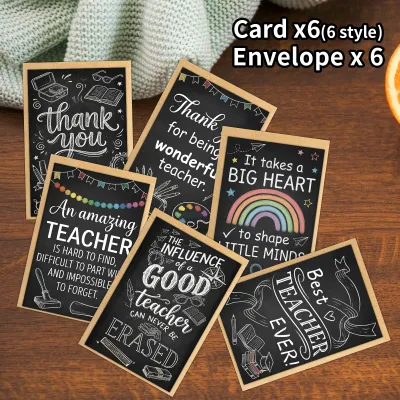
Products mentioned in this guide
![[Ready stock] Multi Style 10pcs Teachers Day Greeting Cards Gifts for Teachers Decorative Small Cards Handwritten Thank-you and Blessing Message Cards English Version](https://img.lazcdn.com/g/p/094b1b1987f07182c9e6dc49022ca53f.jpg_400x400q80.jpg_.webp)
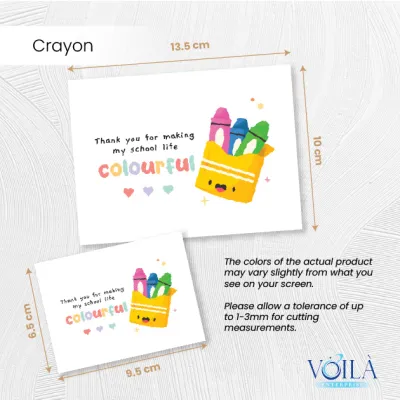
![[MIN 3 CARDS] 🇸🇬SG Punny Teacher Appreciation Card Special Editions for Graduation Greeting Thank You Heartfelt Support Message Card](https://img.lazcdn.com/g/ff/kf/S46b8562713de4564b8cea4c9945a655fF.jpg_400x400q80.jpg_.webp)
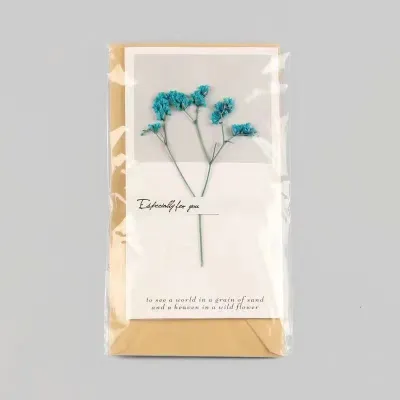
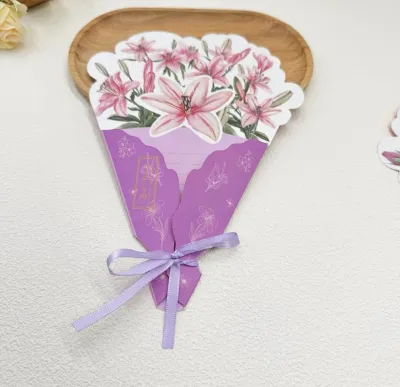
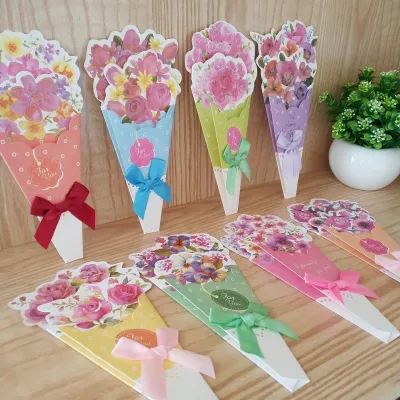
Prices are valid at publication and may change. Please refer to the product page for the latest price.
Budget is another important consideration, though it does not always scale the way you might expect. While a single retail card has a fixed, predictable price, starting a DIY project often requires purchasing entire packs of cardstock, specialized pens, and decorative embellishments. If you only need one card, buying a premium store-bought option is usually more economical. However, if you are preparing cards for multiple subject teachers, form teachers, and co-curricular activity (CCA) instructors, buying craft supplies in bulk can significantly lower the cost per card.
Finally, consider the specific preferences of the recipient and the nature of your relationship. Younger students in primary school or preschool often find that their teachers deeply cherish the charming imperfections of handmade drawings and handwritten notes. For secondary school, junior college, or tertiary educators, a more polished, elegant presentation might feel more appropriate. Matching the style of the card to the teacher’s personality ensures your gesture resonates deeply.
The Case for Ready-Made Cards
Ready-made cards are the gold standard for convenience, making them the ideal choice for busy families or students managing heavy academic workloads. When you need to show appreciation to a large number of teachers—such as subject specialists, tutors, and CCA mentors—crafting individual cards can quickly become overwhelming. Purchasing pre-designed cards allows you to maintain a high, consistent standard of presentation across all your gifts without sacrificing sleep the night before the event.

Another undeniable advantage of store-bought cards is the sheer quality of professional printing and finishing techniques. Commercial stationery often features premium design elements that are incredibly difficult to replicate with standard home crafting tools. These include metallic foil stamping, intricate blind embossing, precise die-cut windows, and ultra-heavy textured paper stocks, often exceeding 300 gsm (grams per square meter). These tactile details give the card an immediate sense of luxury and importance.
To select a high-quality store-bought card, pay close attention to the physical construction of the stationery. Feel the weight of the cardstock; a premium card should feel rigid and stand upright on a desk without bowing or sagging. Examine the envelope to ensure it is made from thick, opaque paper and features a clean, well-adhered lining. Finally, read the pre-printed message carefully to ensure the tone is respectful, warm, and suited to your specific student-teacher dynamic.
The Case for DIY Handmade Cards
A DIY handmade card carries an emotional weight that no commercial product can replicate. When a teacher receives a card created specifically for them, they immediately recognize the time, thought, and physical effort poured into the project. This makes handmade cards highly sentimental keepsakes that educators often preserve in desk drawers or memory boxes for decades. It allows you to tailor every design element to the teacher’s specific interests, such as incorporating their favorite colors, referencing an inside joke from class, or drawing a motif related to the subject they teach.
To execute a successful DIY card, you must gather the right stationery and tools. The foundation of any good card is the paper; standard printer paper is far too thin and will warp or bleed when exposed to ink or glue. Instead, opt for heavy cardstock with a minimum weight of 220 gsm, which provides a sturdy, professional feel. You will also need archival-quality pigment ink pens or gel pens that resist fading and water damage over time. For assembly, double-sided tape or acid-free glue sticks are preferred over standard liquid school glue, as liquid glues introduce excess moisture that can cause the paper to buckle.
Keep in mind that DIY crafting requires a realistic assessment of your skills and schedule. You must plan for drying times, especially if you are using watercolors, heavy ink washes, or slow-curing adhesives. If you plan to involve younger children in the crafting process, expect the project to take twice as long. Ensure you use child-safe, non-toxic materials and safety scissors, and focus on simple, high-impact techniques like finger-painting patterns or using pre-cut foam stickers to keep the experience enjoyable rather than stressful.
Comparing Time, Cost, and Personalization
To help you weigh the practical trade-offs of both approaches, it is useful to compare them across key metrics.
| Factor | Ready-Made Card | DIY Handmade Card | Hybrid Card |
|---|---|---|---|
| Estimated Time | 5 to 15 minutes | 1 to 3 hours | 20 to 45 minutes |
| Typical Cost (S$) | S$3.00 to S$12.00 per card | S$15.00 to S$30.00 (initial supplies) | S$5.00 to S$15.00 (blank base + details) |
| Personalization | Low to Medium | High | Medium to High |
| Best Suited For | Last-minute prep, multiple teachers | Single special teacher, creative projects | Balanced schedules, semi-crafters |
As the table illustrates, the hidden costs of DIY lie in the initial acquisition of tools. Buying a single pack of premium colored cardstock, a set of fine-liner pens, and a roll of decorative washi tape can easily reach S$20.00 or more at a local stationery boutique. If you only intend to make one card, this represents a high cost per unit. However, if you already have a well-stocked craft drawer, or if you are creating cards for a group of ten teachers, the cost per card drops to a fraction of a retail purchase.
If you find yourself torn between these two options, the hybrid approach offers an excellent compromise. You can purchase blank, pre-folded premium cards and envelopes from a stationery store. This provides you with a perfectly cut, high-gsm paper base, saving you the trouble of measuring and scoring cardstock. You can then focus your creative energy entirely on personalizing the cover with hand-lettering, adding a simple sketch, or pasting a small, neat photo, achieving a beautiful balance of professional structure and personal warmth.
Final Decision Framework
To make your final choice, use these simple guidelines to match your situation to the best method.
Choose a ready-made card if:
- You are preparing your gifts less than forty-eight hours before Teacher's Day.
- You need to write cards for a large number of teachers and want to ensure they all receive a gift of equal quality.
- You prefer a highly polished, minimalist, or modern design aesthetic that requires specialized printing techniques.
Choose a DIY card if:
- You have at least a week of lead time and genuinely enjoy the process of crafting and drawing.
- You want to create a highly personalized, sentimental keepsake for a form teacher or mentor who has made a significant impact on your life.
- You want to engage your children in a meaningful, hands-on activity to teach them the value of gratitude.
Regardless of the path you choose, always run through a final preparation checklist before presenting your card. First, verify the spelling of the teacher’s name and their correct title (such as Mr., Ms., Mdm., or Dr.). Second, perform an ink smudge check: gently press a clean piece of scrap paper over your handwritten message to ensure the ink is completely dry before folding the card or placing it in the envelope. Finally, ensure the envelope is cleanly sealed, and write the teacher’s name clearly on the front using a steady, legible hand.
Frequently Asked Questions (FAQ)
Can I personalize a store-bought card to make it feel more DIY?
Absolutely. You can easily elevate a ready-made card by adding thoughtful, handmade touches that do not require starting from scratch. Consider sealing the envelope with a classic wax seal or wrapping a piece of natural twine around the card before placing it in the envelope. You can also use high-quality gel pens or brush markers in metallic gold or silver to write your message, which instantly looks more elegant than standard ballpoint ink.
Another simple technique is to test your pens on a scrap piece of paper first to check for feathering or bleed-through, ensuring your writing remains crisp. You can also tuck a small, flat keepsake inside the card, such as a pressed flower or a printed photo of a memorable class activity. These small additions show the teacher that you took the time to customize their gift, even if you started with a pre-designed base.

Community discussion
Share your experience or ask a question. Comments are reviewed before publication.