
Determining the right stationery tools can significantly impact a student’s study efficiency and organization. When evaluating whether Sticki Rolls Series 3 is suitable for your child, the decision largely depends on their school grade and the complexity of their subjects. While primary school students can find creative uses for these customizable adhesive rolls, secondary school students generally derive the greatest organizational benefit from them. The transition from general primary education to specialized secondary subjects requires a shift from simple reminders to dense, structured note-taking, making the flexible format of roll-style sticky notes highly valuable.
Understanding Sticki Rolls Series 3 for Student Note Organization
To determine if this stationery format fits your child’s routine, it is essential to understand its physical characteristics. Unlike traditional flat pads of sticky notes, roll-style notes are housed on a continuous spool, often featuring a wearable or portable dispenser. Before purchasing, parents should check the product packaging for specific dimensions, total roll length, and adhesive specifications. This helps you understand how much usable paper is provided relative to the size of your child’s pencil case. The primary advantage of a roll-style note is its customizable length, allowing students to tear off a tiny tab for a single word or a long strip for a detailed diagram. However, because the paper surface on specialty rolls can vary, it is important to verify stationery compatibility. Have your child test their preferred gel pens, highlighters, or fine-liner markers on a small section of the roll first. This test ensures the ink dries quickly and does not smudge or bleed through the paper, which is crucial for maintaining neat, legible study guides.
Matching Note-Taking Needs by School Level
Primary School Organizational Needs
Primary school students, particularly those in the lower primary levels, are still developing their fine motor skills and basic study habits. For these younger learners, manually measuring, pulling, and tearing paper from a continuous roll can sometimes be frustrating, leading to wasted stationery or crumpled notes. At this stage, simpler, pre-cut sticky notes are often more developmentally appropriate for marking reading progress or writing simple homework reminders. However, as students enter upper primary, their organizational needs begin to evolve. At this level, students can start using roll-style notes for basic color-coding of different subjects or creating custom labels for science diagrams. When introducing these rolls to upper primary students, parents should prioritize ease of use and durability over complex organizational systems. The goal is to encourage neatness and basic task management without overwhelming the student with highly technical note-taking methods.
Products mentioned in this guide
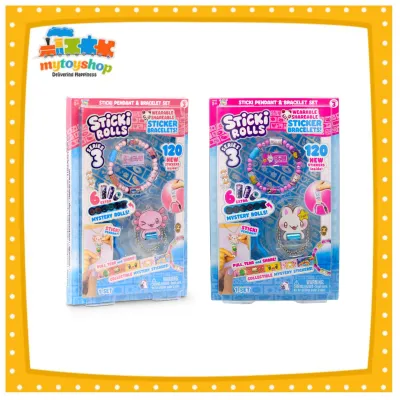
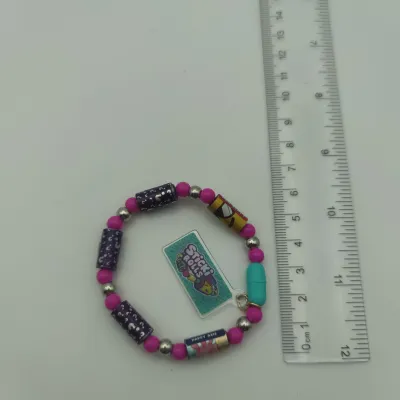
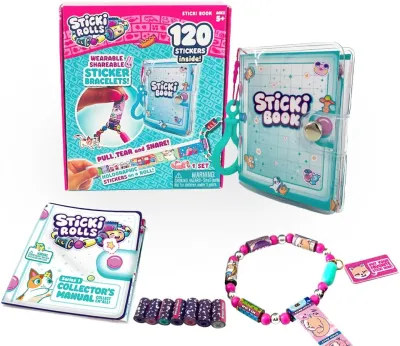
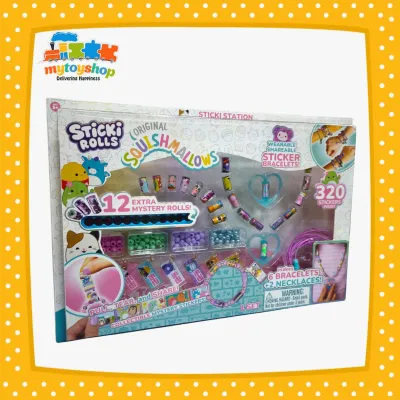
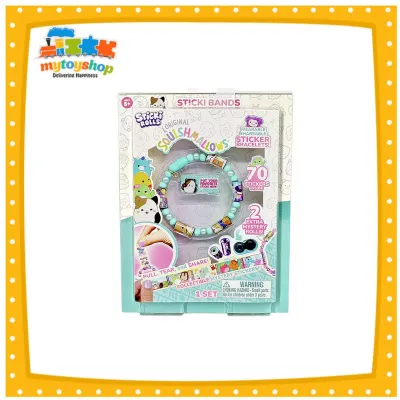
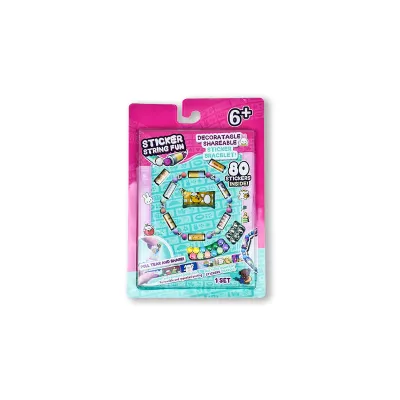
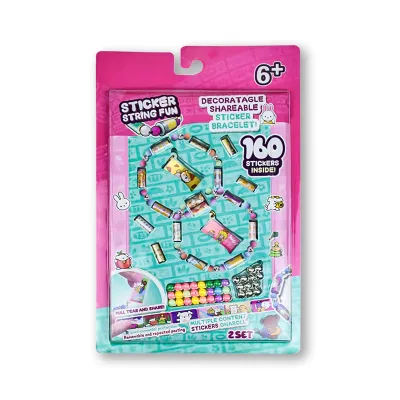
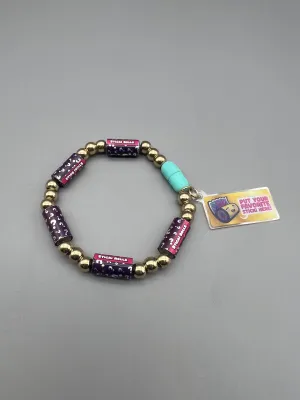
Prices are valid at publication and may change. Please refer to the product page for the latest price.

Secondary School Organizational Needs
Secondary school students face a dramatic increase in academic volume, managing a wider array of subjects, dense textbooks, and rigorous preparation for national examinations. At this level, the ability to customize the length of study notes becomes a powerful asset. Secondary students can use continuous rolls to create extensive textbook annotations, map out complex historical timelines, or summarize dense chapters without cluttering their actual books. The flexibility of roll-style notes allows them to integrate seamlessly with advanced study systems. For instance, a student utilizing the Cornell note-taking method can use a long strip of adhesive paper to add a summary section directly to the margin of a textbook page. Similarly, those who prefer modular study methods, like the Zettelkasten system, can tear off uniform, custom-sized cards to create movable study boards. The ability to adjust the note size on the fly ensures that secondary students can adapt their stationery to match the specific demands of each subject.
Subject Applications for Sticky Note Rolls in School
Different academic subjects present unique organizational challenges, and understanding where roll-style notes excel can help students maximize their utility. In Science and Mathematics, students frequently need to document multi-step formula breakdowns, draw detailed anatomical diagrams, or map out chemical equations. Standard square sticky notes often lack the horizontal or vertical space required for these tasks, forcing students to use multiple sheets that can easily become disorganized. A continuous roll allows the student to tear off a perfectly sized strip to fit a long equation, which can then be pasted directly next to the relevant textbook problem. This is also highly useful for correcting workbook mistakes; instead of crossing out work and making the page messy, a student can paste a custom-sized strip over the error to write the correct steps clearly. In contrast, Humanities and Languages—such as Literature, History, and Geography—benefit from the roll’s capacity for dense annotation and tracking. Students can use different colored rolls to track specific literary themes, define complex vocabulary words, or create physical timelines across their study desks. While traditional index cards are excellent for standalone flashcards, they lack adhesive backing and can easily slip out of textbooks. Standard pre-cut notes are often too small for long quotes or detailed historical context. The customizable roll bridges this gap, offering the adhesive convenience of a sticky note with the spaciousness of an index card.
How to Evaluate if Sticki Rolls Series 3 Fits Your Child's Workflow
Deciding whether to add Sticki Rolls Series 3 to your child’s back-to-school checklist involves evaluating their personal workflow and study environment. Begin by reviewing your child’s current note-taking habits and their willingness to adopt new stationery tools. If your child already enjoys creative journaling, color-coding, or active textbook annotation, they are highly likely to appreciate and utilize a roll-style system. However, if they prefer digital notes or minimal stationery, a specialized roll dispenser might end up unused in the bottom of their bag. Next, consider the physical constraints of their daily school routine. Check the available desk space at school and the capacity of their pencil case. A bulky dispenser might take up too much room on a small school desk or fail to fit into a standard zippered pencil case, meaning a more compact storage solution or loose rolls might be necessary. It is also wise to consider the cost-per-use and overall longevity of roll-style notes compared to standard pads. While a roll offers the efficiency of zero-waste custom sizing, the initial cost of the dispenser and specialized refills should be weighed against your household’s stationery budget. To make an informed decision, establish a short trial period. Purchase a single starter pack and have your child test the notes on their actual textbooks and notebooks for a week. This trial allows you to observe their actual adoption rate and verify how well the adhesive performs under daily handling and local environmental conditions, such as humidity, before investing in a larger supply.
Frequently Asked Questions (FAQ)
Can sticky note rolls be used on all types of textbook paper?
Before applying any adhesive notes to school-issued or expensive textbooks, it is important to verify paper compatibility to prevent damage. Check the product packaging for specific claims such as ‘repositionable,’ ‘removable,’ or ‘acid-free,’ which indicate the adhesive is designed to lift off easily without tearing the page. To ensure safety, always perform a quick spot test by applying a small piece of the roll to an inconspicuous area of the book, such as the inside back cover or the edge of an index page. Leave it in place for a day, then gently peel it off to check for paper tearing or adhesive transfer. If you encounter a page where the adhesive has bonded too strongly over time, do not pull it quickly. Instead, slowly peel the note back at a sharp angle, parallel to the page, and use a clean finger or a soft eraser to gently roll away any remaining sticky residue without damaging the fibers of the paper.
How do I prevent the sticky note roll from unrolling in a school bag?
Keeping roll-style stationery organized during a daily school commute requires a bit of planning to prevent accidental unrolling and damage. The most effective method is to keep the rolls stored inside their original dispenser or a rigid, hard-shell pencil case that protects the paper edges from friction against heavy textbooks and water bottles. If your child prefers to carry the rolls loosely without a dispenser, you can easily secure the loose outer edge to prevent it from unraveling. Recommend that they use a small paperclip, a binder clip, or a tiny strip of low-tack washi tape to hold the end of the roll firmly against the body of the spool. This simple step keeps the roll tightly wound, prevents dirt and lint from sticking to the exposed adhesive, and ensures the stationery remains clean and ready for use when class begins.

Community discussion
Share your experience or ask a question. Comments are reviewed before publication.