
Selecting the correct moving box sizes is essential for a smooth, damage-free relocation. Using the wrong carton size often leads to overloaded boxes that break at the bottom, or oversized containers that collapse under the weight of other items during transit. Matching your household goods to the appropriate box dimensions ensures that your belongings remain secure, your packing process stays organized, and the physical effort of lifting remains manageable.
Understanding Standard Moving Box Dimensions
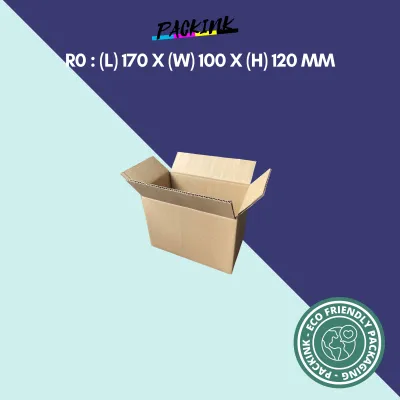
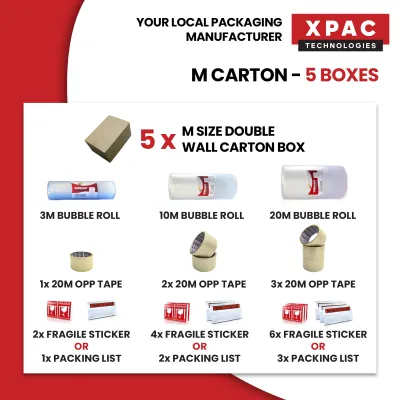
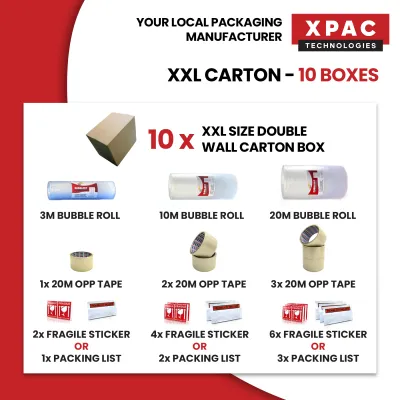
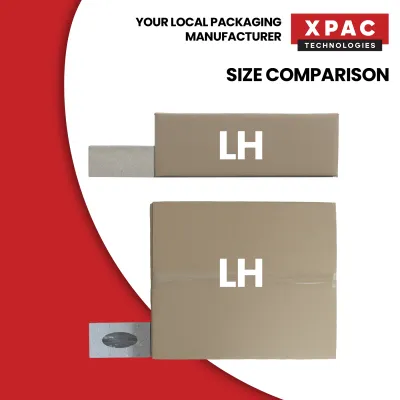
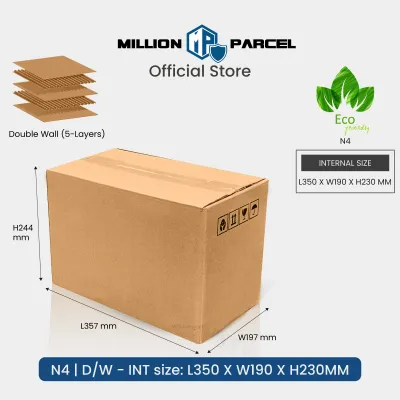
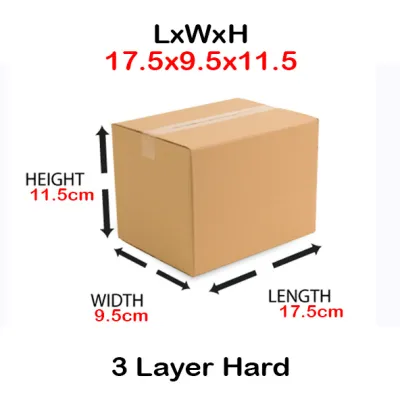
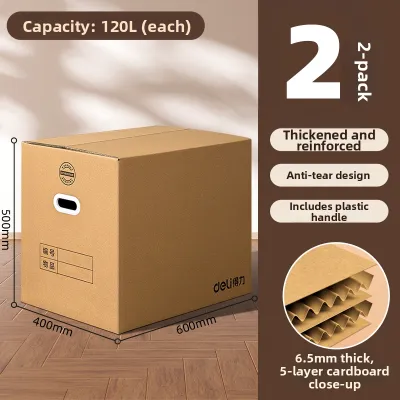
Standard moving boxes generally fall into four primary size categories: small, medium, large, and extra-large or specialty cartons. While exact measurements can vary slightly depending on the packaging supplier, small boxes typically measure around 30 to 40 centimeters on each side. Medium boxes generally range from 40 to 50 centimeters, while large and extra-large boxes often exceed 50 to 60 centimeters in length. It is always wise to verify the exact dimensions printed on the product label or supplier listing before purchasing, as naming conventions are not universally standardized.
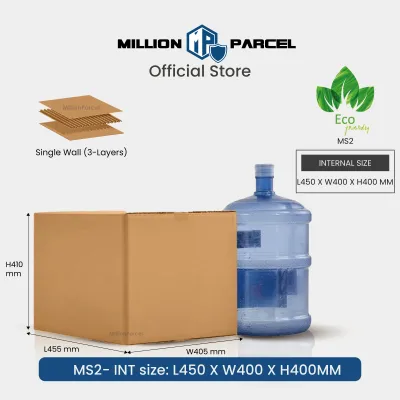
Beyond physical dimensions, the structural integrity of a moving box depends heavily on its corrugated cardboard construction. Single-wall corrugated cardboard features a single wavy fluting layer sandwiched between two flat linerboards, making it lightweight and suitable for everyday items. Double-wall corrugated cardboard adds a second layer of fluting and an extra linerboard, which significantly increases the box’s resistance to crushing and bending. When planning a move, identifying whether a carton is single-wall or double-wall helps you determine its suitability for heavy or fragile items.
Products mentioned in this guide
Prices are valid at publication and may change. Please refer to the product page for the latest price.
Because different packaging manufacturers use distinct machinery and paper grades, a “medium” box from one supplier might have slightly different dimensions or weight tolerances than a “medium” box from another. Some suppliers define their sizes by volume in liters, while others use precise millimeter measurements. Checking these specifications directly on the supplier’s product sheet prevents unexpected compatibility issues when stacking boxes in a moving vehicle.
Matching Box Sizes to Specific Item Categories
The fundamental rule of packing is to place high-density, heavy items into small boxes, and low-density, lightweight items into large boxes. Small moving boxes are ideal for dense goods such as books, files, documents, hand tools, and heavy kitchenware like canned goods or cast-iron pans. Packing these items into a small container keeps the overall weight of the individual box manageable, reducing the risk of physical strain during lifting and preventing the bottom of the carton from giving way.

Medium moving boxes serve as the versatile workhorses of the packing process, accommodating items that have moderate weight and volume. This category is highly suitable for shoes, folded clothing, toys, games, small kitchen appliances, and decorative home accessories. When packing medium boxes, you can combine slightly heavier items at the bottom with lighter items on top to balance the load, ensuring the box remains easy to carry without warping.
Large and specialty wardrobe boxes should be reserved strictly for bulky, lightweight items that occupy a lot of space but do not weigh much. Bedding, pillows, winter coats, lightweight linens, and plush toys are highly suitable candidates for these larger containers. Wardrobe boxes, which often feature a metal or plastic hanging bar, allow you to transfer clothes directly from the closet on their hangers. Overloading a large box with heavy items like books or kitchenware makes the box nearly impossible to lift safely and almost guarantees structural failure during transport.
Key Specifications to Check Before Purchasing
Before purchasing moving boxes from a local stationery supplier or online marketplace, it is important to evaluate their quality and safety limits. Many professional-grade moving boxes feature a manufacturer’s stamp on the bottom flap, which details the maximum gross weight limit and construction specifications. Checking this stamp ensures you do not exceed the rated capacity of the cardboard during packing.
Another key indicator of box strength is the Edge Crush Test (ECT) rating or the flute profile, which suppliers often list in their product descriptions. The ECT rating measures the top-to-bottom compression strength of the box, indicating how well it can withstand stacking pressure in a moving truck. A higher ECT rating generally points to a sturdier box that is less likely to buckle when other cartons are stacked on top of it.
Additionally, a physical inspection of the cardboard is crucial, especially if you are purchasing boxes in bulk or sourcing them from storage. Check the sheets or assembled boxes for any signs of moisture damage, soft spots, or creased corners, as these defects severely compromise the structural integrity of the cardboard. Stiff, dry, and uncreased corrugated board provides the reliable protection needed to safeguard your belongings.
Packing and Handling Best Practices
Proper assembly is just as important as choosing the right box size. When sealing the bottom of a moving box, avoid simply folding the flaps over one another in an interlocking pattern, as this offers very little structural support. Instead, use the H-tape method: apply a strip of high-quality packing tape along the center seam, and then apply additional strips along the side edges to form the letter “H”. This technique seals all open seams and distributes the weight of the contents evenly across the bottom flaps.
Using appropriate void fill and cushioning materials is essential to prevent items from shifting inside the box during transit. Crumpled packing paper, bubble wrap, or biodegradable packing peanuts can fill empty spaces and create a protective barrier between items. For fragile goods, wrap each item individually before placing it in the box, and ensure there is a layer of cushioning at both the bottom and the top of the carton.
Finally, manage the weight distribution inside each box carefully and establish a clear stop-condition during packing. A good practical limit is to keep the total weight of any single box under 15 to 20 kilograms, or whatever limit you can comfortably lift without straining. If a box begins to bulge at the sides or feel unstable when lifted slightly off the ground, it is a clear sign that you need to redistribute the contents into smaller containers.
Frequently Asked Questions (FAQ)
Can I reuse regular delivery cartons for moving?
While reusing delivery cartons from online marketplaces is an eco-friendly option, these boxes are often designed for single-use transit and may have suffered hidden structural wear. Before using them, inspect the cardboard for crushed flutes, soft corners, or puncture marks that reduce their load-bearing capacity. It is safer to reserve reused delivery cartons for lightweight, non-fragile items, and avoid using them for heavy books or delicate glassware.
How do I prevent heavy boxes from breaking at the bottom?
To prevent heavy boxes from breaking, use small-sized, double-wall corrugated cartons for dense items like books or tools. Reinforce the bottom seams using the H-tape method with wide, heavy-duty packing tape, ensuring the tape extends several centimeters up the sides of the box. Additionally, avoid overfilling the box, and test its stability by lifting it slightly off the floor before carrying it to your moving vehicle.

Community discussion
Share your experience or ask a question. Comments are reviewed before publication.