
Choosing the right money envelope size depends on whether you want to present your banknotes flat or folded, and the total volume of the cash gift. Standard money envelopes generally fall into three categories: compact sizes (around 80 mm x 115 mm) for folded notes, medium or standard sizes (around 90 mm x 165 mm) that fit most local banknotes flat, and large or extended sizes for thick stacks, checks, or vouchers. Matching the envelope dimensions to your specific banknotes ensures a neat presentation without damaged edges or torn paper.
Understanding Standard Money Envelope Size Categories
Small or compact money envelopes are highly portable and popular for casual gifting or specific festive traditions. These typically require you to fold banknotes in half or into thirds. They are ideal for holding a few coins or a single folded note, making them a discreet option when you want to keep the physical profile of the gift minimal.
Standard or medium envelopes are the most common choice for formal occasions, weddings, and major festive celebrations. These dimensions are specifically designed to hold banknotes flat without any folding. For example, a standard Singapore dollar note like the S$10 or S$50 note fits comfortably inside a standard 170 mm length envelope, preserving the crisp, uncreased condition of new currency.
Products mentioned in this guide
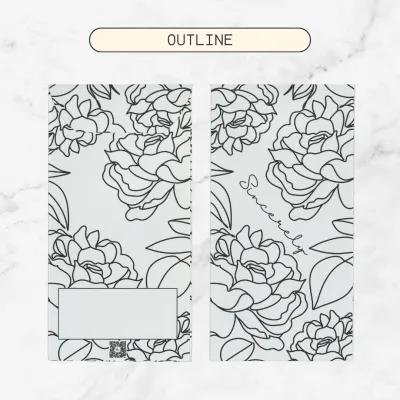
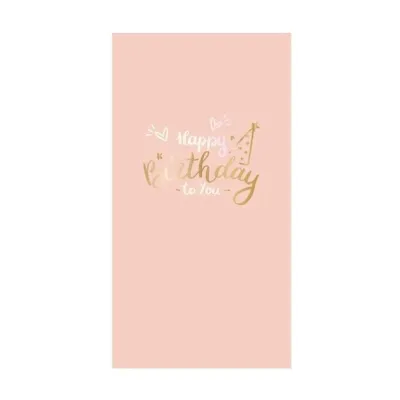

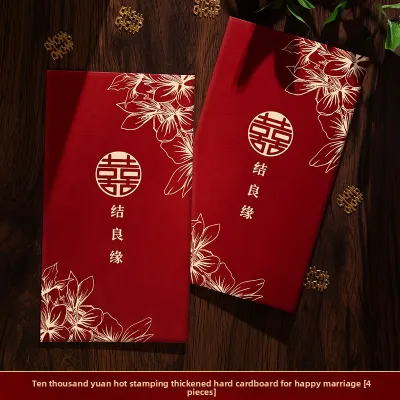
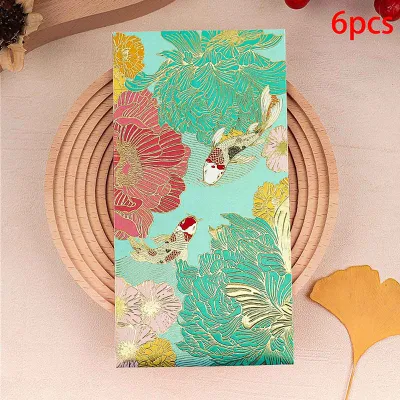
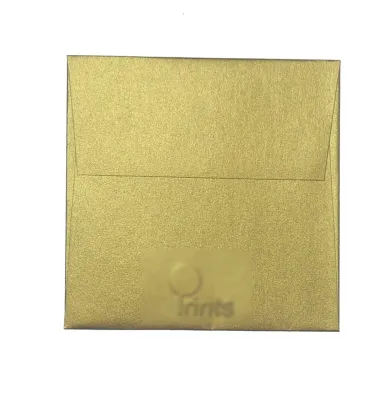
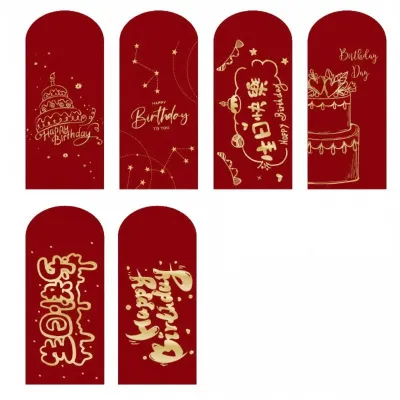
Prices are valid at publication and may change. Please refer to the product page for the latest price.
Large or extended sizes are necessary when your gift includes more than just a few flat banknotes. If you are presenting a thick stack of cash, a bank check, a gift certificate, or an accompanying greeting card, these larger dimensions prevent the envelope from bulging. They offer the structural support needed to keep documents flat and professional.
Before purchasing any money envelope, it is essential to perform a quick pre-purchase check of your banknotes. Measure the length and height of the largest note you plan to gift, and compare these to the inner dimensions of the envelope. Remember to allow at least 5 mm to 10 mm of clearance on all sides so the contents slide in and out easily.
Matching Envelope Size to Your Event and Content
The context of your gift often dictates the style and size of the envelope you should choose. During cultural and festive events, such as Lunar New Year or weddings, traditional red packets or green packets are standard. While classic designs often favor the standard flat size to keep notes pristine, modern minimalist designs sometimes use smaller, square formats that require folding but offer a contemporary aesthetic.

For formal and business contexts, presentation is key to maintaining professionalism. When enclosing corporate cash gifts, checks, or official certificates, larger envelopes are generally preferred. A standard business-sized envelope or a dedicated premium document-sized money packet ensures that formal papers do not need to be folded, maintaining a clean and respectful presentation.
You must also evaluate the physical thickness and capacity limits of your cash stack. Standard paper envelopes have flat seams and no depth, meaning they can only hold a few flat notes before the paper begins to stretch or tear. If you are gifting a larger sum of notes, look for envelopes with a gusseted design or a wider flap that can close securely without putting pressure on the adhesive.
Key Physical Specs to Verify Beyond Basic Dimensions
Beyond the basic length and width, several physical specifications affect how well an envelope performs. Paper weight and opacity are critical for security and presentation. Opt for envelopes made from heavier paper stock, typically 120 gsm or higher, to ensure that the colors and denominations of the cash inside do not show through the paper under bright light.
The closure mechanism is another important feature to compare based on your needs. Peel-and-seal strips offer the most secure closure for transit, while tuck-in flaps are convenient for hand-delivered gifts where the recipient might want to open the envelope without tearing the paper. For high-end or formal events, a wax seal or a decorative sticker can add an elegant touch.
Finally, look for interior printing or lining when selecting premium money envelopes. A dark or patterned interior lining provides an extra layer of privacy, preventing anyone from reading the contents when held up to the light. This lining also adds structural rigidity, helping the envelope maintain its shape even when handled frequently.
Frequently Asked Questions (FAQ)
Can I use a standard business envelope for cash gifts?
While a standard business envelope can physically hold cash, it is generally not recommended for personal or festive gifts. Business envelopes are typically made of thinner, semi-translucent paper that exposes the contents, and they lack the decorative, respectful presentation of dedicated money packets. However, for formal corporate transactions or when enclosing a check alongside an official letter, a high-quality business envelope is perfectly acceptable.
How do I measure an existing money envelope accurately?
To measure an envelope, lay it flat on a hard surface with the flap closed. Use a ruler to measure the width from the left edge to the right edge, and the height from the bottom edge to the top fold of the flap. To find the usable inner space, subtract about 5 mm from both measurements to account for the glued seams and the fold of the flap.

Community discussion
Share your experience or ask a question. Comments are reviewed before publication.