
Decoding Standard Empty Carton Box Dimensions
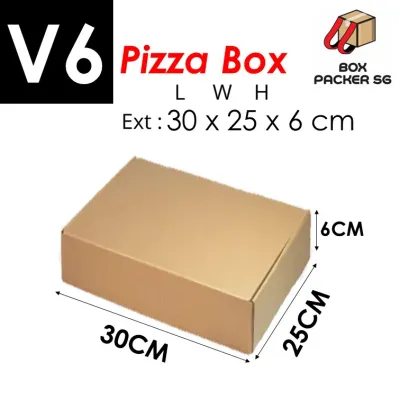
Finding the right empty carton box starts with understanding how manufacturers measure and label their packaging. Standard carton boxes are universally defined by three primary dimensions: Length, Width, and Height (L x W x H). Length is always the longest side of the opening, width is the shorter side, and height is the vertical distance from the bottom of the box to the top opening.
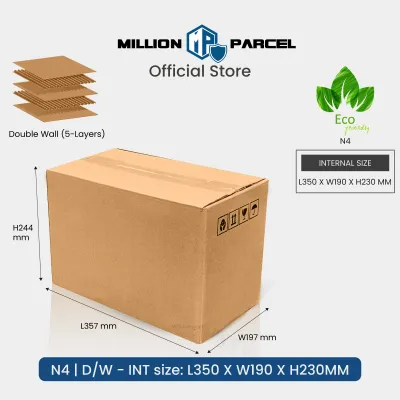
A common mistake when purchasing packaging materials is confusing external dimensions with internal dimensions. External measurements dictate how much physical space the box will occupy in a delivery vehicle or storage unit, which is crucial for calculating shipping rates. However, internal dimensions represent the actual usable space available for your items. Because corrugated cardboard has thickness, the internal space is always slightly smaller than the external measurements.
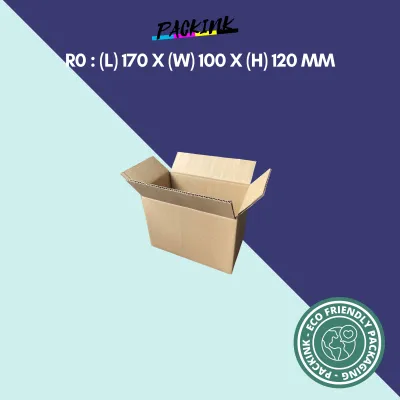
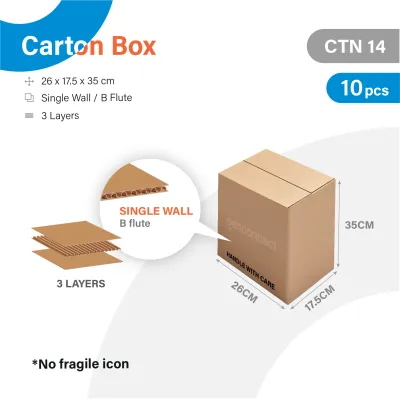
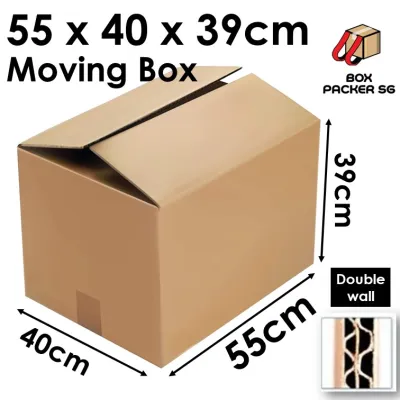
While exact dimensions vary across different suppliers in Singapore, standard empty carton boxes generally fall into four broad categories. Small boxes typically range around 30 to 40 centimeters in length, making them highly manageable for single-person handling. Medium boxes generally span 40 to 50 centimeters, offering a balanced volume for everyday household items. Large and extra-large boxes exceed 50 to 60 centimeters in length, providing massive volume but requiring careful weight management.
Products mentioned in this guide
Prices are valid at publication and may change. Please refer to the product page for the latest price.
Relying solely on generic labels like “medium” or “large” can lead to packing errors, as one supplier’s medium might be another’s small. Always prioritize the exact internal measurements provided by the manufacturer. This ensures that your items will physically fit inside the walls without stretching the cardboard or leaving excessive empty space that requires costly void fill.
Matching Box Sizes to Your Packing Scenarios
Selecting the correct box size is not just about volume; it is a critical decision that affects the safety of your items and the physical strain of transport. Heavy, dense items require small carton boxes. Packing heavy items like books, tools, files, or canned goods into a large box makes the package incredibly difficult to lift and increases the risk of the bottom bursting open during transit. Keeping dense items in smaller containers ensures the total weight remains safe for manual handling.

Medium carton boxes serve as the versatile workhorses of packing and moving. These boxes are ideal for items of moderate density, such as kitchenware, small home appliances, toys, and pantry goods. Because they offer a moderate volume, you can pack a mix of heavier and lighter items together—such as placing a heavy pot at the bottom and wrapping lighter plastic containers on top—without exceeding safe lifting limits.
Large and extra-large carton boxes should be reserved strictly for bulky, lightweight goods. Items such as pillows, blankets, winter clothing, cushions, and soft toys are perfect candidates for these spacious containers. These items occupy significant physical volume but add very little weight, allowing you to maximize the box’s capacity without compromising structural integrity.
Overpacking a large box with heavy items is one of the most common packing mistakes. When a box is too heavy, handlers are more likely to drop it, and the cardboard walls can buckle under the internal pressure. Furthermore, stacking overweighted large boxes in a truck or storage room can cause the boxes underneath to collapse, leading to damaged goods and unstable stacks.
Evaluating Material and Structural Specifications
A box’s physical dimensions only tell half the story; you must also evaluate its material strength to ensure it can support your items. Most standard empty carton boxes are made from corrugated cardboard, which features a wavy inner layer known as fluting sandwiched between flat outer liners. The thickness and structure of this fluting determine how much weight the box can safely carry and stack.
You can easily differentiate between single-wall and double-wall corrugated board through a quick visual and tactile inspection of the open flaps. Single-wall boxes feature one layer of fluting between two flat liners, offering lightweight protection suitable for standard shipping and light household items. Double-wall boxes contain two layers of fluting separated by an extra liner, providing significantly higher puncture resistance and stacking strength for fragile or heavy goods.
To verify the exact weight capacity of a carton box, look for the manufacturer’s stamp or the Box Maker’s Certificate (BMC) usually printed on one of the bottom flaps. This circular or rectangular stamp provides official specifications, including the gross weight limit and the burst strength or edge crush test (ECT) rating. If your items are particularly heavy, ensure the total weight of the contents does not exceed the certified limit printed on the box.
For fragile, high-value, or oddly shaped items, standard cardboard walls may not offer sufficient protection. In these cases, look for boxes with reinforced edges, double-thickness corners, or heavy-duty fluting grades. Conversely, you should immediately reject any box that shows signs of structural compromise, such as deep creases, soft spots from moisture exposure, torn corners, or severe wear from previous use, as these defects can reduce a box’s load-bearing capacity by more than half.
Step-by-Step Guide to Measuring and Selecting Your Box
To avoid guesswork and minimize packaging waste, follow a systematic workflow when preparing your items for packing. Begin by gathering all the items you plan to pack into a single container and grouping them together on a flat surface. Arrange them as tightly and efficiently as possible, then use a tape measure to measure the overall length, width, and height of the entire cluster to establish your baseline dimensions.
Once you have your baseline measurements, add a safety allowance of at least 3 to 5 centimeters on all sides to accommodate protective packaging materials. Fragile items require sufficient space for bubble wrap, packing paper, or foam peanuts to absorb external shocks during transit. Neglecting this allowance means your items will press directly against the cardboard walls, leaving them vulnerable to damage from external impacts.
Before placing your items inside, inspect the empty carton box to ensure it is in pristine structural condition. Fold the bottom flaps together and check that they meet perfectly flat in the center without overlapping or leaving wide gaps. If the flaps are warped or do not align properly, the box’s structural integrity will be compromised once taped, making it difficult to stack safely.
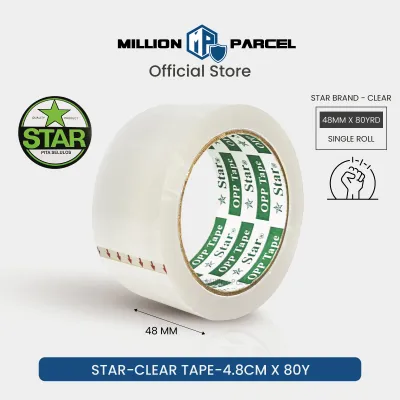
Finally, apply a secure taping method to seal the box. For standard loads, use the “H-taping” method by applying heavy-duty packaging tape across the center seam and along both side seams of the top and bottom flaps. This seals all open edges, prevents dust and moisture from entering, and distributes the weight of the contents evenly across the structural seams of the box.
Frequently Asked Questions (FAQ)
Can I use the same standard box size for both moving and shipping?
While you can physically use the same box sizes, the structural demands of local moving and courier shipping are quite different. Local moving typically involves placing boxes directly onto a moving truck with minimal handling, where standard single-wall boxes are often sufficient if stacked carefully. In contrast, courier shipping subjects boxes to automated sorting belts, drops, and heavy vibrations, requiring much tougher double-wall boxes and strict adherence to courier-specific size and weight limits to avoid surcharges.
How do I know if an empty carton box is strong enough for my items?
You can verify a box’s strength by checking the printed Box Maker’s Certificate or weight limit label on the bottom flaps, which states the maximum allowable gross weight. You can also perform a physical check by pressing firmly against the sides of the box; a strong box will resist bowing and feel rigid. If the box feels flimsy, bends easily under light pressure, or lacks a clear manufacturer rating, it is best to upgrade to a double-wall box or consult your packaging supplier for a heavy-duty alternative.

Community discussion
Share your experience or ask a question. Comments are reviewed before publication.