
When planning a residential relocation, selecting moving boxes large enough to accommodate your bulky household goods is a critical first step. Standard large moving boxes typically measure between 60x40x50 cm and 70x50x60 cm (approximately 24x18x18 inches). While these dimensions offer generous volume, they are specifically engineered for lightweight, high-volume items rather than dense, heavy belongings. Understanding how to utilize these dimensions safely ensures your items remain secure and your move proceeds without physical strain or box failure.
Standard Dimensions and Weight Limits of Large Moving Boxes
Large moving boxes are a staple of any residential move, but their physical capacity is often misunderstood. In Singapore, standard large cartons generally fall within the range of 60x40x50 cm to 70x50x60 cm. These dimensions translate to a volume of roughly 120 to 210 litres. While this provides ample space to pack half a bedroom, the physical size of the box does not scale proportionally with safe weight limits.
The relationship between box volume and weight capacity is a matter of structural limits. A large box can hold a massive amount of material, but filling it entirely with dense items will quickly exceed both the structural limits of the cardboard and safe human lifting capacities. For most standard residential moves, a fully loaded large box should not exceed 20 to 25 kilograms. Exceeding this makes the box difficult to handle and increases the risk of physical injuries during transport.
Products mentioned in this guide
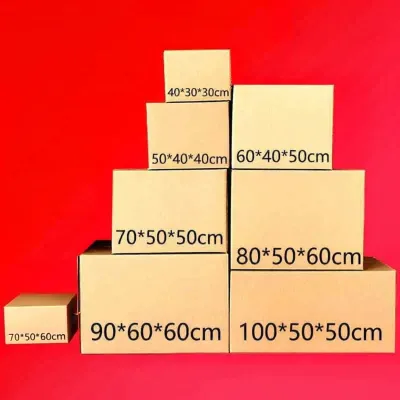
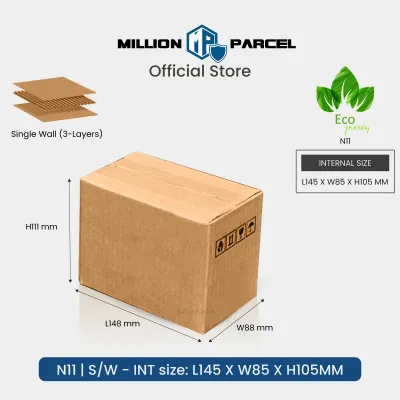
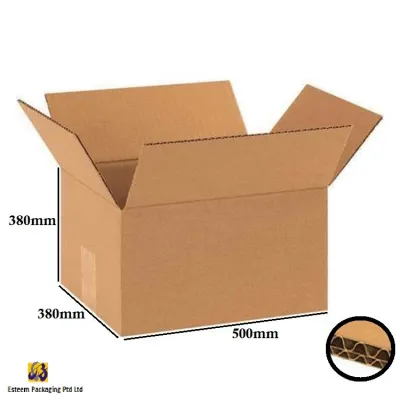
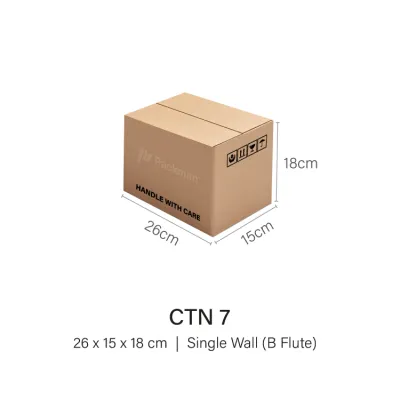
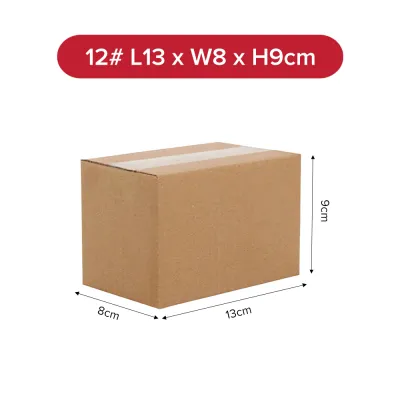
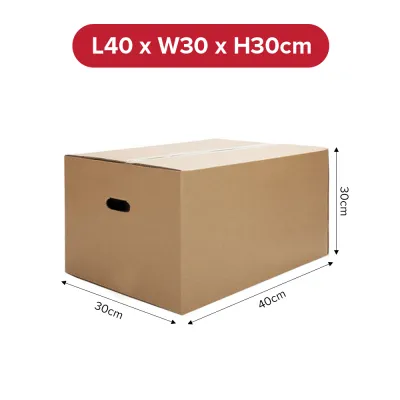
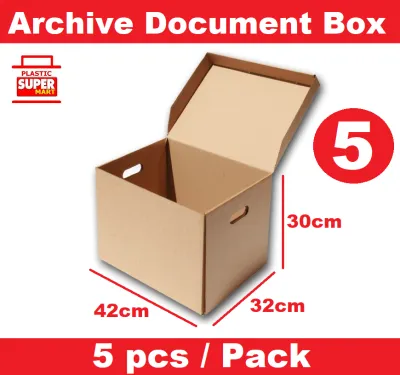
Prices are valid at publication and may change. Please refer to the product page for the latest price.
There are clear, observable signs that a large box is overpacked or exceeding its weight limit. If the sides of the cardboard begin to bulge outward, or if the bottom panel sags when lifted slightly, the structural integrity of the carton has been compromised. Another common indicator is difficulty taping the top seams securely; if the flaps do not meet flat without significant tension, the contents are putting too much upward pressure on the cardboard.
Before loading any items, inspect the box for manufacturer specifications. Most professional-grade cartons feature a circular stamp on the bottom known as the Box Maker’s Certificate (BMC), which details the gross weight limit. Additionally, verify whether the box is constructed from single-wall or double-wall corrugated cardboard. Single-wall cardboard is suitable for light, bulky items, whereas double-wall cardboard offers the extra rigidity required for heavier or more valuable household goods.
What Fits Best: Bulky and Lightweight Household Items
To maximize the efficiency of your packing strategy, reserve your large moving boxes for items that occupy substantial physical space but contribute very little to the overall weight. The most suitable categories for these containers include bulky bedding such as comforters, pillows, duvets, blankets, and bedsheets. Out-of-season clothing, winter jackets, large bath towels, and decorative linens are also excellent candidates because they naturally fill the volume without creating a heavy load.

Beyond textiles, large cartons are ideal for lightweight but awkwardly shaped household objects. Stuffed toys, empty plastic storage bins, lightweight plastic kitchenware, mixing bowls, and fabric lampshades fit well inside these spacious boxes. Packing these items together prevents them from rolling around loose in the moving truck while keeping the total weight of the box easily manageable.
Employing smart packing techniques can help you make the most of this space. For instance, placing fluffy comforters and pillows into vacuum-seal bags before packing them can reduce their volume by up to 75 percent, allowing you to fit more items into a single carton. Alternatively, you can leave these soft items uncompressed and use them as natural, protective cushioning around fragile but lightweight objects, such as plastic picture frames or decorative baskets.
Regardless of what you pack, always fill any remaining empty voids inside the box before sealing it. Empty pockets of air allow the contents to shift during transit, which can cause the box to lose its structural shape. When boxes are stacked inside a moving van or HDB lift, a box with empty voids is highly susceptible to collapsing under the weight of the boxes placed on top of it. Use crumpled packing paper, clean towels, or small cushions to fill these gaps completely.
What to Avoid: Heavy and Dense Items That Break Large Boxes
The most common packing mistake is filling large boxes with dense, heavy items simply because they fit. Items that should never be packed into large moving boxes include books, magazines, reference files, heavy kitchen appliances, cast iron cookware, hand tools, and large bottles of liquids. These items concentrate an immense amount of weight into a relatively small footprint, creating a severe hazard during the moving process.
The physical risks of overloading a large box are substantial. The bottom seams of standard large boxes are secured only by adhesive tape, which can easily fail under concentrated heavy loads, causing your belongings to crash onto the floor. Furthermore, a large box filled with books or heavy kitchenware can easily weigh over 40 kilograms. This makes the box virtually impossible for one or even two people to carry safely down narrow hallways, stairs, or into vehicles, leading to drop damages and physical injuries.
Some packers attempt to compromise by only partially filling a large box with heavy items and leaving the rest of the space empty. This is highly inefficient and creates an unstable load. The heavy items will shift to one side during transport, throwing off the balance of whoever is carrying the box. Additionally, the empty upper half of the box lacks internal support, making it highly vulnerable to being crushed when other cartons are stacked on top of it in the moving vehicle.
To avoid these risks, always pack dense, heavy items in small or medium-sized boxes, which are often specifically marketed as “book boxes.” These smaller containers naturally limit the volume of heavy items you can pack, keeping the total weight within a safe lifting range of 15 to 20 kilograms. This ensures that each box remains structurally sound, stackable, and easy to handle.
How to Match Your Belongings to the Right Box Size
A successful move relies on a simple, actionable decision framework to sort your household items before packing begins. The core rule of thumb to follow is: use large boxes for light, bulky items; small boxes for heavy, dense items; and medium boxes for a balanced mix of everyday household goods. Adhering to this basic guideline prevents packing bottlenecks and ensures your moving day runs smoothly.
To determine if an item belongs in a small or large box, you can perform a practical pre-packing lift test. If an individual item is heavy enough that you must use both hands, bend your knees, and consciously brace your core to lift it off the ground, it should always be placed in a small box. This rule applies regardless of the item’s physical dimensions; if it is heavy on its own, it does not belong in a high-volume container.
Before loading any items, always verify the physical condition of your large boxes. Ensure that the cardboard is dry, stiff, and free of deep creases or structural tears. When sealing the bottom of a large box, always apply high-quality packing tape in an “H” pattern. This involves running one long strip of tape down the center seam, followed by two perpendicular strips along the side edges, which reinforces the flaps and prevents them from splitting under pressure.
Finally, recognize that certain fragile or awkwardly shaped items require specialized packaging rather than standard large cartons. Items such as large wall mirrors, framed artwork, flat-screen televisions, and delicate musical instruments should never be forced into standard moving boxes. These valuables require specialized picture boxes, telescoping cardboard sleeves, or custom wooden crating paired with dense foam corner protectors to ensure safe transit.
Frequently Asked Questions (FAQ)
Can I pack books in a large moving box if I only fill it halfway?
No, you should avoid doing this. Filling a large box halfway with books still creates a heavy, concentrated load that is difficult to carry safely. Furthermore, the empty space in the top half of the box deprives it of internal support, making the carton highly susceptible to collapsing and damaging its contents when stacked under other boxes in the moving truck. Books should always be packed flat in small, heavy-duty boxes.
How do I know if a large moving box is strong enough for my items?
To determine the strength of a large box, check the bottom or side flaps for the Box Maker’s Certificate (BMC), which displays the manufacturer’s official weight limits and burst strength. Additionally, feel the thickness of the cardboard to identify if it is single-wall or double-wall corrugated cardboard. If the box feels flimsy, shows signs of previous water exposure, or has worn creases from prior use, it should be recycled rather than trusted with your household belongings.

Community discussion
Share your experience or ask a question. Comments are reviewed before publication.