
To choose the right delivery box, you must align the physical dimensions of your items with the internal usable space of the carton, leaving just enough room for protective cushioning. Selecting the correct size prevents items from shifting during transit, minimizes shipping costs calculated by dimensional weight, and ensures the structural integrity of the package. Whether you are shipping stationery, books, or delicate electronics, understanding how to read box specifications and measure your items accurately is the first step toward damage-free delivery.
Understanding Delivery Box Dimensions and Specifications
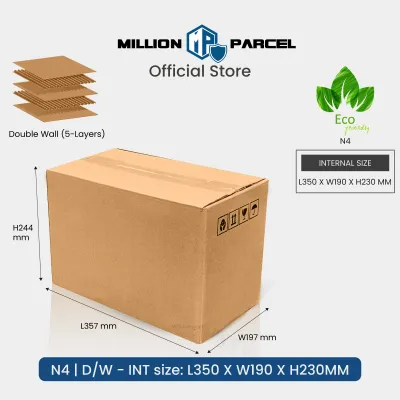
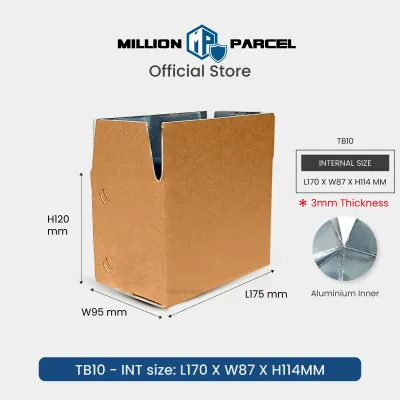
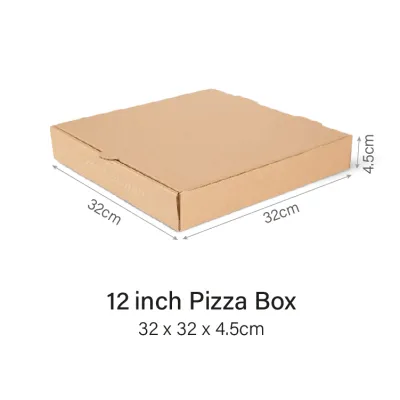
When sourcing packaging materials, the most common pitfall is confusing the external footprint of a box with its actual usable capacity. Manufacturers list delivery box dimensions using internal measurements—Length x Width x Height—specifically because these figures dictate what can actually fit inside. The length and width represent the opening of the box, while the height represents the depth of the carton.
External dimensions, on the other hand, determine the physical space the package occupies in a delivery vehicle or sorting facility. This distinction is critical because shipping carriers often calculate postage based on dimensional weight (the volume of the box) rather than actual weight. Packing an item in a box with unnecessarily large external dimensions can significantly increase your shipping fees.
Products mentioned in this guide
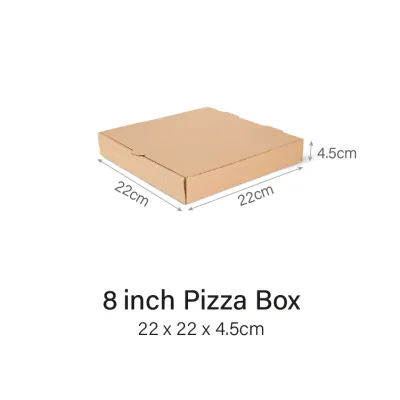
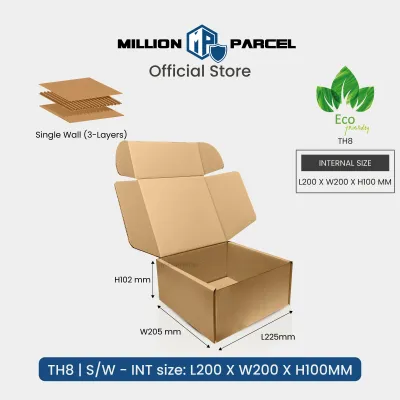
Prices are valid at publication and may change. Please refer to the product page for the latest price.
The difference between internal and external measurements is primarily determined by the thickness of the corrugated board. Corrugated boxes are typically classified as single-wall or double-wall. Single-wall boxes feature a single layer of fluted paper sandwiched between two flat linerboards, which is lightweight and suitable for standard shipments. Double-wall boxes add an extra layer of fluting and linerboard, providing superior structural rigidity and stacking strength. However, this extra thickness reduces the internal usable space. When switching from single-wall to double-wall cartons, you must check that the reduced internal dimensions can still accommodate your items and their protective wrapping.
How to Measure Your Items for the Right Box Size
To find the perfect box, you must first determine the exact dimensions of the item or group of items you plan to ship. Start by placing the item on a flat surface. Use a reliable measuring tape to find the maximum length, width, and height. Always measure the widest points of the item; this includes any protruding parts, handles, or irregular shapes that extend beyond the main body. For soft goods like clothing, gently press the item down to its natural shipping state before measuring to avoid overestimating the required height.

Once you have the base measurements of the item, you must calculate the necessary clearance for protective void fill. Fragile items require a buffer zone on all sides to absorb shocks during transit. If you are using bubble wrap, air pillows, or crumpled kraft paper, you should generally add a consistent clearance margin to your item’s dimensions. For example, adding a margin of 15mm to 30mm to the length, width, and height ensures there is sufficient space to wrap the item securely without compressing the protective materials, which would reduce their cushioning effectiveness.
When consolidating multiple items into a single delivery box, dimension stacking requires careful planning. Group the items together on a table in the exact configuration you plan to pack them. Measure this collective arrangement as a single block to find the total length, width, and height. To optimize space and prevent damage, place heavier items at the bottom of the stack and lighter, more delicate items on top. If items are prone to scratching each other, remember to account for thin protective sheets or tissue paper between them when calculating your final dimensions.
Matching Common Item Categories to Standard Box Sizes
Different types of goods require specific carton styles and space allocations to ensure they arrive safely. Small, dense items such as stationery, cosmetics, or small hardware accessories are highly susceptible to damage if they are allowed to roll or slide inside a box. For these items, a snug-fitting die-cut mailer box is often the most efficient choice. These boxes feature double-thickness sides when folded, offering excellent edge protection while minimizing the need for excessive void fill.
Medium-sized items like shoeboxes, small electronics, or books require a careful balance of weight distribution and structural support. Books are heavy and should be packed flat in shallow boxes to prevent their spines from warping or their corners from bending. Small electronics should be packed in standard regular slotted cartons (RSC) with dedicated space for anti-static wrapping and shock-absorbing corner inserts. Avoid using boxes that are significantly larger than these items, as heavy objects can easily burst through the sides of a box if they are allowed to slide around during handling.
Large or fragile items demand specialized box styles to maintain structural integrity. Elongated items like posters, blueprints, or umbrellas fit best in long, narrow boxes or shipping tubes that prevent bending. Flat items like artwork, mirrors, or laptop screens require shallow, wide boxes—often referred to as picture boxes or folder mailers—which keep the item upright and prevent pressure from being applied directly to the flat surfaces.
| Item Category | Relative Volume | Recommended Box Style | Key Packing Requirement |
|---|---|---|---|
| Stationery & Pens | Very Small | Flat Mailer / Small Folding Box | Snug fit to prevent sliding and scratching |
| Cosmetics & Accessories | Small | Die-Cut Mailer Box | Cushioning on all sides to protect containers |
| Books & Documents | Medium | Bookfold / Shallow RSC | Flat stacking to prevent corner damage |
| Small Electronics | Medium | Regular Slotted Carton (RSC) | Anti-static wrap and edge-shock protection |
| Shoes & Apparel | Medium to Large | Shoe Box Style / Standard RSC | Dust protection and minimal void fill |
| Large Homeware | Large | Double-Wall RSC | Heavy-duty tape and structural corner inserts |
Checking Box Strength and Material Suitability
Choosing the right size is only half the battle; you must also verify that the delivery box is strong enough to support the weight of your shipment. To do this, inspect the bottom flaps of the carton for the Box Maker’s Certificate (BMC). This circular stamp is printed by the manufacturer and provides critical specifications about the box’s construction. It typically lists the minimum thickness of the linerboards, the maximum gross weight limit, and either the burst strength or the Edge Crush Test (ECT) rating.
The ECT rating measures the box’s top-to-bottom stacking strength, which is crucial for shipments that will be stacked on pallets or in delivery trucks. A higher ECT rating indicates that the box can withstand greater vertical pressure before crushing. If you are shipping heavy or fragile items, look for a box with a higher ECT rating to ensure the bottom packages in a stack do not collapse under the weight of those above them.
The construction of the box’s bottom also plays a significant role in load-bearing safety. Standard regular slotted cartons (RSC) require heavy-duty packaging tape applied in an “H-tape” pattern across all seams to secure the bottom flaps. For lighter items, interlocking auto-bottom boxes offer rapid assembly without tape, but they should not be used for heavy goods as the interlocking flaps can fail under high vertical pressure. Always match the box closure style to the weight and fragility of your contents to prevent accidental opening during transit.
Frequently Asked Questions (FAQ)
What happens if my delivery box is too large for the item?
Using an oversized delivery box increases the risk of damage, as the item has more room to slide around and gain momentum before colliding with the box walls. To prevent this, you will need to use excessive amounts of void fill, which increases packaging waste and material costs. Additionally, major shipping carriers calculate shipping rates based on the dimensional weight of the package. A larger box occupies more space in delivery vehicles, which can lead to significant shipping surcharges even if the actual item inside is very lightweight.
Can I reuse old delivery boxes for shipping new items?
You can reuse old delivery boxes, but you must carefully inspect their structural integrity first. Corrugated cardboard loses a significant percentage of its stacking strength and puncture resistance after its first journey, especially if it has been exposed to moisture, dented corners, or deep creases. Check that the box is dry, rigid, and free of structural tears. You must also completely remove or black out all old shipping labels, barcodes, and addresses to prevent sorting machines at the courier facility from misrouting your package.

Community discussion
Share your experience or ask a question. Comments are reviewed before publication.