
Choosing the right contactless transit card in Singapore is essential for navigating the city’s public transportation network efficiently. Whether you are a daily commuter, a long-term resident, or a short-term visitor, selecting the appropriate card variant directly impacts your daily travel expenses and convenience. The standard transit card serves as the universal baseline for the general public, offering a reliable, multi-year payment tool for buses, trains, and various retail merchants. For eligible demographics, specialized concession cards provide heavily subsidized fares that significantly lower commuting costs over time. Meanwhile, temporary tourist passes are engineered specifically for short-term visitors who require unlimited travel over a consecutive-day period. By evaluating your residency status, travel frequency, and planned itinerary, you can easily identify which card type aligns with your personal needs.
Overview of Standard, Concession, and Tourist Cards
Understanding the primary function and basic positioning of each card variant is the first step in making an informed decision. These cards utilize contactless radio-frequency identification (RFID) and near-field communication (NFC) technology, adhering to standard ISO/IEC 7810 ID-1 dimensions. This standard size ensures that every card fits seamlessly into standard wallets, cardholder slots, and protective card sleeves. While they share the same physical form factor, their internal programming, fare structures, and intended user bases differ significantly.
The Standard card is the default option for the general public, including working adults, expatriates, and long-term visitors. It functions as a reloadable electronic purse that deducts distance-based fares for every journey taken on the Mass Rapid Transit (MRT), Light Rail Transit (LRT), and public buses. Beyond public transport, the Standard card is widely accepted as a payment method at ERP (Electronic Road Pricing) gantries, EPS (Electronic Parking System) car parks, convenience stores, hawker centers, and supermarkets. This versatility makes it an indispensable daily tool for anyone living or working in Singapore for an extended period.
Products mentioned in this guide
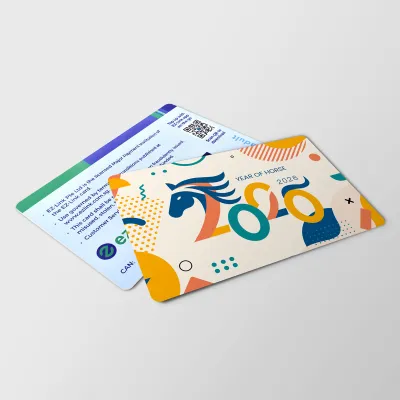

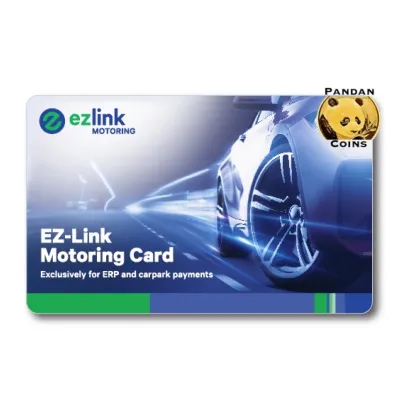


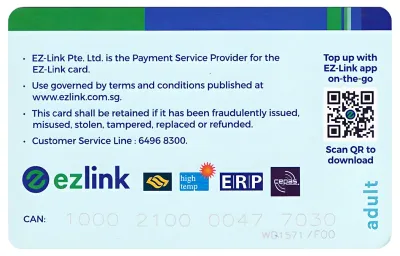
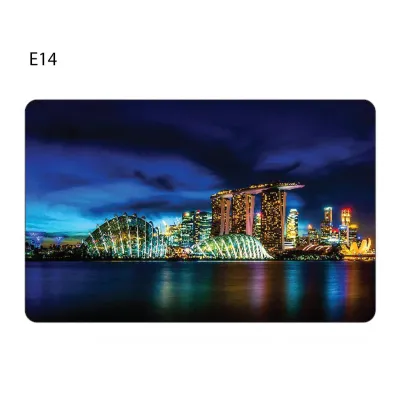
Prices are valid at publication and may change. Please refer to the product page for the latest price.
The Concession card is a specialized, highly regulated transit tool designed to provide subsidized travel rates for specific demographic groups. Unlike the anonymous Standard card, a Concession card is typically personalized with the cardholder’s photograph and name printed on the physical plastic. It is programmed to apply discounted fare rates automatically at transit readers, helping students, senior citizens, and other eligible individuals manage their monthly transport budgets. Because these cards are tied to specific legal statuses, they cannot be shared or transferred to other commuters.
The Tourist Pass is a time-bound, prepaid card designed exclusively for short-term visitors who plan to explore Singapore intensively over a few days. Instead of deducting individual fares per trip, the Tourist Pass offers unlimited travel on basic public bus services and MRT/LRT trains for a fixed number of consecutive days. This model eliminates the need to monitor card balances or calculate individual journey costs, allowing tourists to hop on and off public transport as frequently as their itinerary demands. However, its specialized nature means it has distinct limitations regarding retail payments and long-term reuse.
Checking Your Eligibility and User Profile
Before purchasing a transit card, you must verify which options you are legally and practically qualified to obtain. Eligibility is strictly governed by transit authorities, and choosing a card for which you do not qualify can lead to rejected applications or administrative issues at transit stations.

The Standard card has no eligibility restrictions. It is open to all locals, permanent residents, expatriates, and international visitors without the need for any special documentation or proof of status. Anyone can walk up to a transit ticketing office, a passenger service center, or an authorized convenience store and purchase a Standard card immediately. This universal accessibility makes it the default fallback option for anyone who does not qualify for subsidized concession rates or who does not require the unlimited travel model of a tourist pass.
The Concession card has strict eligibility criteria and requires official proof of status during the application process. Eligible groups generally include primary, secondary, and tertiary students enrolled in registered local educational institutions, senior citizens aged 60 and above, persons with disabilities, and lower-wage workers enrolled in specific government assistance schemes. To obtain a Concession card, individuals must submit formal applications accompanied by official identification, such as a National Registration Identity Card (NRIC), a student pass, or a valid work permit. Because these cards grant access to subsidized public funds, transit staff regularly conduct random checks, and using another person’s concession card is a serious violation of transit regulations.
The Tourist Pass is designed specifically for short-term visitors, such as holidaymakers and business travelers who will only remain in Singapore for a limited duration. While anyone can technically purchase certain tourist-oriented cards, obtaining the official unlimited-travel Tourist Pass typically requires presenting a valid foreign passport at designated transit ticket offices or tourist information centers. This requirement ensures that the subsidized unlimited-travel privileges are reserved for genuine short-term visitors rather than long-term residents who should be using standard distance-based cards.
Comparing Costs, Validity, and Usage Limits
Evaluating the financial and operational structures of each card variant requires checking official parameters rather than relying on fixed, static pricing. Card issuance fees, validity periods, and fare structures can adjust over time, so commuters should always verify current rates through official transit portals.
When purchasing a card, it is important to distinguish between the non-refundable card issuance fee and the usable stored value. For Standard cards, the purchase price typically consists of a physical card fee (which covers the cost of the plastic, the internal contactless chip, and administrative overhead) and an initial amount of stored value that is immediately available for transit fares. This physical card fee is non-refundable. Concession cards may also involve administrative fees or card replacement costs, though initial cards for students and seniors are often subsidized or issued through their respective institutions. Tourist Passes, on the other hand, often require a flat upfront payment that covers unlimited travel for the specified duration, and some variants may include a refundable rental deposit that is returned to the visitor upon surrendering the physical card at a designated office within a specific timeframe.
The validity periods of these cards represent another major point of comparison. Standard and Concession cards are built for long-term durability, typically boasting a physical and digital lifespan of up to five years from the date of manufacture. Commuters can easily verify their card’s exact expiry date by tapping it at self-service ticketing machines or linking it to official mobile transit applications. In contrast, Tourist Passes operate on a strict consecutive-day limit (such as one, two, or three days). The validity period activates the moment the card is first tapped at a transit barrier and expires at the end of the designated consecutive days, regardless of how many journeys were actually made. Once expired, the unlimited travel privilege ceases, though some tourist cards can be converted into standard reloadable cards by topping them up with regular stored value.
Fare structures vary dramatically across the three types. Standard cards utilize a distance-based fare system, where the cost of the journey is calculated precisely from the boarding point to the alighting point, allowing for seamless transfers between buses and trains within a specific time window. Concession cards utilize the same distance-based system but apply heavily discounted rates, allowing eligible users to travel the same distance at a fraction of the standard adult fare. Tourist Passes bypass distance-based calculations entirely, offering a flat-rate model where the upfront cost covers all basic transit rides. To determine if a Tourist Pass is financially viable, visitors should estimate their daily itinerary; if they plan only one or two short trips per day, a Standard card using distance-based fares may actually be more cost-effective than an unlimited pass.
Managing Top-Ups, Refunds, and Daily Use
Proper maintenance, balance management, and physical care are essential to ensure your transit card functions reliably throughout its lifespan. Contactless cards contain delicate internal copper antennas and microchips that can fail if subjected to physical stress.
Standard and Concession cards rely on regular top-ups to maintain a positive balance. Commuters can add funds to their cards through multiple convenient channels, including self-service ticketing machines located at all MRT and LRT stations, bus interchanges, and authorized convenience stores. Many convenience stores charge a nominal service fee for top-up transactions, which users should verify before proceeding. Additionally, official mobile applications allow users to link their cards to digital payment methods, enabling automatic top-ups when the balance falls below a certain threshold or allowing manual top-ups directly via NFC-enabled smartphones. Tourist Passes generally do not require top-ups for transit use during their active validity period, but if a visitor wishes to use the card for retail purchases, they must verify if the card supports a separate stored-value wallet that can be topped up at standard machines.
When a card is no longer needed, understanding the refund policy helps you reclaim any remaining funds. For Standard and Concession cards, users can visit any designated transit ticketing office to request a refund of the remaining stored value. The refund is processed on the spot, though the physical card fee itself remains non-refundable, and the card is typically deactivated to prevent further use. For Tourist Passes that require a rental deposit, visitors must return the physical card to an authorized ticketing counter within the stipulated refund window (often within several days of the pass’s expiry) to reclaim their deposit. If the refund window is missed, the deposit is forfeited, though the visitor may keep the card as a souvenir.
Physical card care is vital to prevent transit delays. Because these cards use contactless technology, they do not need to be removed from a wallet or card sleeve to be read, provided there are no other contactless cards nearby causing signal interference. To protect the internal RFID chip and antenna, avoid bending the card, punching holes in it, or exposing it to high temperatures, such as leaving it in a hot vehicle. If a card becomes physically damaged or cracked, transit readers will fail to detect it, requiring the user to purchase a replacement card and apply for a balance transfer through official service centers. Regularly checking your card balance before passing through transit barriers prevents unexpected rejections and ensures a smooth flow of commuters at busy stations.
Final Decision Checklist: Which Card Should You Get?
To finalize your selection, review this conditional framework based on your verified residency status, eligibility, and travel patterns:
- Choose the Standard Card if: You are a working adult, long-term resident, or expatriate who does not qualify for any concession schemes. It is also the ideal choice for tourists staying in Singapore for more than three days, or those who plan to travel infrequently (fewer than four transit trips per day) and want a card that doubles as a retail payment tool at local hawker centers and convenience stores.
- Choose the Concession Card if: You are a student, senior citizen, person with disabilities, or eligible lower-wage worker who holds valid, official documentation proving your status. The significant fare discounts make this the most economical choice for daily commuting over a long period.
- Choose the Tourist Pass if: You are a short-term visitor staying in Singapore for three days or fewer, and your itinerary involves intensive, multi-stop travel across the island every day. The convenience of unlimited rides eliminates the need to calculate fares or manage card balances.
- Verify First: Before making your purchase, check if your concession eligibility is nearing its expiration date, as you will need to transition to a Standard card soon. If you are a tourist, verify whether your planned itinerary includes extensive non-transit retail payments, as a Standard card offers broader merchant acceptance than some specialized tourist passes.
Frequently Asked Questions (FAQ)
Can I Use a Tourist Pass for Retail Purchases?
Whether a Tourist Pass can be used for retail purchases depends entirely on the specific variant of the pass you purchase. While standard reloadable transit cards are widely accepted at convenience stores, supermarkets, and hawker stalls, some Tourist Pass variants are strictly programmed for public transit use only. Other variants may include a dual-pocket system where you can top up a separate stored-value wallet for retail transactions. Before attempting to make a purchase at a retail merchant, check the specific terms and conditions printed on your Tourist Pass packaging or consult the official transit authority guidelines to confirm its retail payment compatibility.
What Happens When My Concession Status Expires?
When your eligibility for a concession rate ends—such as when you graduate from an educational institution or when a specific work permit expires—your Concession card will lose its subsidized status. The transit system will typically send an automated notification when you tap your card, or the card may simply stop working at transit barriers. Once expired, the card will either revert to charging standard adult fares or require immediate replacement. To transition smoothly, you should visit a transit ticketing office or use official digital portals to purchase a Standard card and arrange for the transfer of any remaining stored value from your expired concession card to your new card.

Community discussion
Share your experience or ask a question. Comments are reviewed before publication.