
Selecting the right carton box size requires balancing the physical dimensions of your items with their total weight and fragility. While many suppliers categorize boxes into general tiers like small, medium, and large, there is no single universal standard for these measurements. To ensure your belongings remain secure during transit or storage, you must match the item’s weight and volume to the structural design of the box, leaving adequate space for protective cushioning.
In Singapore, where moving between high-rise apartments or organizing compact HDB storerooms is common, choosing the correct packing materials is essential to prevent damage and maximize space. Relying on guesswork often leads to collapsed boxes, damaged goods, or unexpected courier surcharges. By understanding how carton dimensions, wall thickness, and weight capacities interact, you can systematically select the most efficient and secure packaging for any scenario.
Understanding Common Carton Box Categories and Dimensions
When browsing packing materials, you will typically encounter relative size categories ranging from small to extra-large, alongside specialty designs. Small boxes are generally suited for heavy, dense items such as books, files, and small kitchen appliances. Medium boxes offer a versatile middle ground, often used for toys, office supplies, and moderate-weight household goods. Large and extra-large boxes provide the volume needed for lightweight, bulky items like bedding, pillows, winter clothing, and cushions.
Products mentioned in this guide
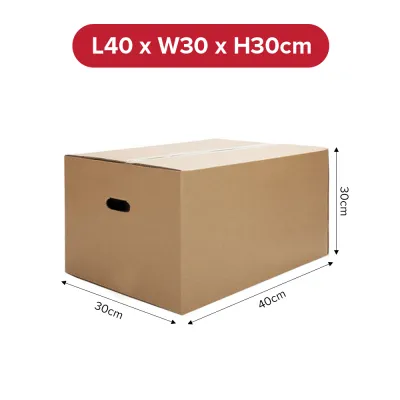
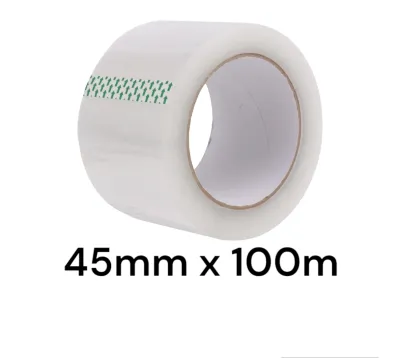
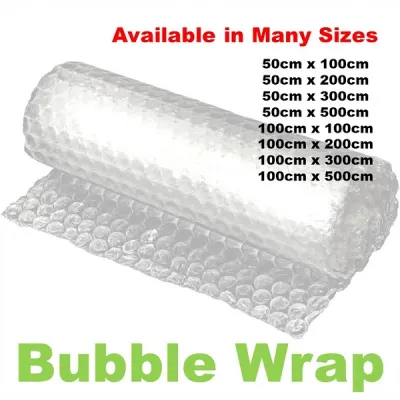
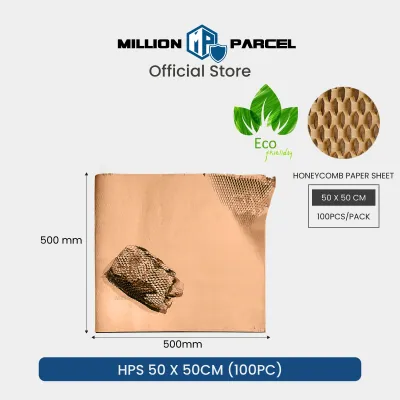
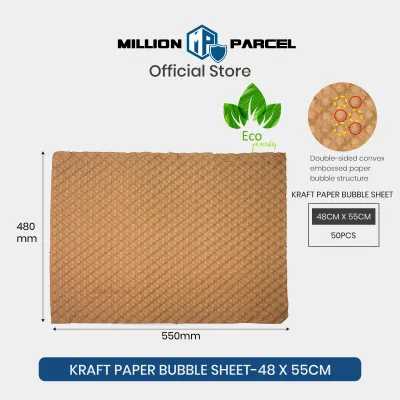
Prices are valid at publication and may change. Please refer to the product page for the latest price.
Specialty boxes are engineered for specific household goods to simplify packing and offer targeted protection. For example, wardrobe boxes feature an integrated hanging bar, allowing you to transfer clothes directly from the closet without folding them. Book boxes are designed with reinforced bases and compact dimensions to prevent the contents from becoming too heavy to lift safely. Understanding these categories helps you map out your packing strategy before purchasing materials.
However, it is critical to recognize that “standard” dimensions vary significantly between manufacturers and regions. A “medium” box from one local supplier might have completely different measurements than a “medium” box from an online marketplace. Because there is no official universal standard, you should never purchase boxes based on category names alone. Always verify the exact length, width, and height specifications provided by the seller.
To match your items to these categories effectively, group your belongings by density and fragility. Fragile electronics, delicate glassware, and heavy kitchenware require different structural support than soft linens or plastic toys. By categorizing your items first, you can estimate how many boxes of each size tier you will need, reducing waste and ensuring every item has a suitable enclosure.
Decoding Box Specifications: Wall Thickness and Weight Capacity
The structural integrity of a corrugated carton box depends heavily on its wall construction. Single-wall boxes consist of a single fluted medium glued between two flat linerboards, offering lightweight and cost-effective protection for standard items. Double-wall boxes feature two layers of fluted medium and three linerboards, providing significantly higher resistance to crushing and bending. For heavy items, long-term storage, or international shipping, double-wall construction is generally the safer choice.

To determine how much weight a box can safely support, look for the manufacturer’s specification sheet or the box certificate stamp, which is often printed on the bottom flaps. This stamp typically indicates either the Bursting Test rating or the Edge Crush Test (ECT) value. The ECT measures the box’s top-to-bottom stacking strength, which is crucial if you plan to stack multiple boxes in a storage unit or moving truck. Always check these ratings to ensure your packed items do not exceed the recommended limits.
A common mistake is assuming that a larger box can carry more weight simply because it has more volume. In fact, the opposite is often true; larger boxes filled with heavy items are highly prone to bottom blowouts, where the tape or cardboard fails under tension. Large boxes are structurally designed for high-volume, low-weight items. If you must pack heavy goods, distribute them across multiple smaller, sturdier boxes rather than consolidating them into one large container.
Additionally, environmental factors like humidity can drastically reduce a box’s load-bearing capacity. In warm, humid climates like Singapore’s, cardboard naturally absorbs moisture from the air over time, which softens the fibers and weakens the structure. If you are storing items in non-air-conditioned spaces, choose double-wall boxes with high ECT ratings and avoid stacking them too high, as the bottom boxes may buckle under prolonged pressure.
Matching Box Sizes to Your Specific Packing Scenarios
Achieving a successful pack requires matching the physical characteristics of your items to the appropriate box volume. The golden rule of packing is to place heavy items in small boxes and light items in large boxes. This approach keeps individual boxes at a manageable weight, reducing the risk of personal injury during lifting and preventing the box structure from failing. For instance, pack heavy reference books in small cartons, and reserve large cartons for bulky duvets or plastic storage containers.
When packing fragile or irregularly shaped items, you must account for the necessary void space required for cushioning materials. A box should never be packed tight against the edges with delicate items; instead, leave a buffer zone of at least five centimeters on all sides. This space should be filled with bubble wrap, packing paper, or biodegradable loose-fill peanuts to absorb shocks during transit. When calculating the box size you need, remember to add this buffer to the item’s physical dimensions.
Your choice of box size also depends on whether the items are intended for shipping or long-term storage. For shipping via postal services or local couriers, transport providers calculate shipping fees based on dimensional weight (also known as volumetric weight) if it exceeds the actual physical weight. Using an oversized box filled mostly with air and packing peanuts can significantly increase your shipping costs. Selecting a snug, properly sized box minimizes both dimensional weight and material waste.
For storage scenarios, uniformity is key to maximizing space and maintaining stability. Using standardized box sizes allows you to stack them neatly like building blocks, preventing awkward gaps and reducing the risk of stacks tipping over. If you are renting a self-storage unit, choosing two or three consistent box sizes rather than a chaotic mix of random containers will make organizing and accessing your belongings much easier.
A Step-by-Step Guide to Measuring and Selecting the Right Fit
To ensure your items fit perfectly without damaging the box or the contents, follow a systematic measurement workflow before purchasing your packing materials. First, gather the items you plan to pack together and arrange them as they would sit inside the box. Using a standard measuring tape, measure the total length, width, and height of this arrangement at the absolute widest, longest, and highest points, taking into account any protruding handles, cords, or decorative elements.
Next, understand the critical distinction between internal and external box dimensions. Manufacturers typically publish external dimensions, which are important for calculating shipping costs and storage space. However, the internal dimensions—which are smaller due to the thickness of the corrugated cardboard walls—dictate the actual usable space. Always verify the internal measurements with the supplier to ensure your items, along with their protective wrapping, will fit comfortably inside.
Once you have your minimum internal dimensions, add the necessary allowance for protective cushioning. For fragile items, add five to ten centimeters to each dimension to accommodate bubble wrap or foam inserts. For non-fragile items, a smaller clearance of one to two centimeters is usually sufficient to allow easy loading and unloading without tearing the cardboard.
Finally, recognize when standard carton boxes may not be sufficient. If you are packing exceptionally heavy machinery, high-value artwork, or extremely long, awkward items, standard retail boxes may fail. In these cases, stop and consult a professional packaging supplier. They can provide custom-sized boxes, heavy-duty wooden crates, or specialized structural inserts designed to secure unique or high-risk shipments safely.
Frequently Asked Questions (FAQ)
What is the difference between internal and external box dimensions?
External dimensions measure the outer limits of the box, including the thickness of the corrugated cardboard walls and any folded flaps. These measurements are used by couriers to calculate shipping volumes and by storage facilities to plan shelf space. Internal dimensions measure the actual space available inside the box. Because double-wall boxes have thicker walls than single-wall boxes, their internal space is noticeably smaller than their external footprint, making it essential to check internal specs before buying.
Is it safe to reuse old carton boxes for packing and moving?
Reusing old carton boxes is an eco-friendly option, but you must carefully inspect their structural integrity first. Check for soft spots, moisture damage, torn corners, or deep creases, as these defects can reduce a box’s weight capacity by half or more. Avoid reusing boxes that previously held fresh produce, as they may carry moisture or pests. For heavy, valuable, or highly fragile items, it is always safer to use new, structurally sound boxes to prevent accidental damage during transit.

Community discussion
Share your experience or ask a question. Comments are reviewed before publication.