
Soft leather refers to animal hides that have undergone specialized tanning and conditioning processes to achieve a highly pliable, flexible, and drapeable texture. Unlike stiff, heavy tooling leathers, soft leather bends easily without creasing permanently, offers a supple hand feel, and behaves more like heavy fabric on a sewing table. For home sewists and crafters, working with this material opens up possibilities for creating elegant garments, comfortable gloves, lightweight bags, and refined accessories. Understanding the nuances of soft leather—from its animal origin to the tanning methods used—is the first step toward achieving professional, durable results in your sewing projects.
Understanding Soft Leather: Definition and Key Characteristics
To select the right material for your next project, it helps to understand why certain leathers are incredibly pliable while others remain rigid. The softness of a hide is primarily determined by the tanning process and the natural fiber structure of the animal. Most exceptionally soft leathers undergo chrome tanning, a chemical process utilizing chromium salts that alters the protein structure of the hide. This method results in a highly flexible, heat-resistant, and water-resistant material. Following tanning, a process called fatliquoring reintroduces oils and fats into the fibers, lubricating them so they slide past one another easily, creating that signature supple hand feel.
Another critical aspect is the distinction between softness and thickness. It is a common misconception that a leather must be paper-thin to be soft. In reality, a heavy-weight deerskin can be 1.6 mm thick yet remain incredibly spongy and pliable, while a thin vegetable-tanned goat skin might be only 0.6 mm thick but feel stiff and paper-like. When planning a sewing project, you must evaluate both properties. Thickness determines whether your sewing machine needle can physically pierce the layers, while softness dictates how the finished item will drape, fold, and conform to the body.
Products mentioned in this guide
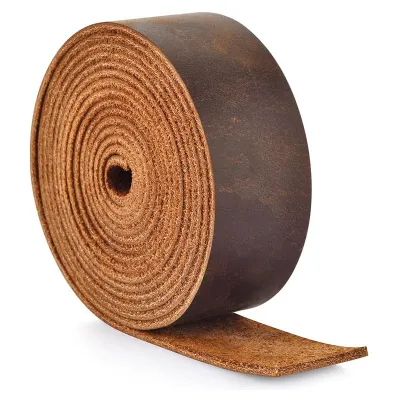
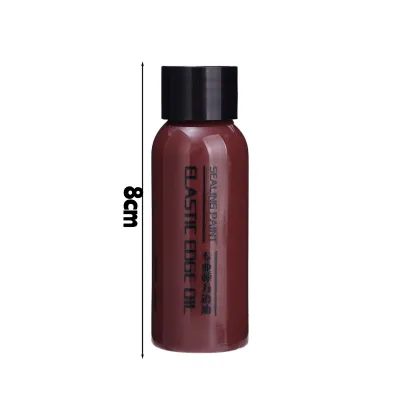
Prices are valid at publication and may change. Please refer to the product page for the latest price.
Top Types of Soft Leather and Their Sewing Properties
Different animal hides yield distinct characteristics, affecting how they behave under a sewing machine presser foot. Choosing the correct type ensures your project has both the aesthetic drape and the structural durability required for its intended use.

Lambskin (Sheepskin)
Lambskin is renowned for its ultra-soft, velvety texture and lightweight nature. It features an incredibly fine grain and a high drape that mimics heavy silk or wool, making it the premier choice for luxury fashion.
- Sewing Properties: Highly pliable and easy to feed through domestic machines, though it has low tensile strength and can tear under high stress.
- Best Applications: Garments like skirts, lightweight jackets, soft linings, and delicate cosmetic pouches.
- Handling Tips: Avoid tight patterns with sharp, angular seams that concentrate stress on a single point.
Calfskin
Calfskin offers an exceptional balance of softness and durability, featuring a much tighter grain structure than adult cowhide while remaining remarkably supple.
- Sewing Properties: Offers slightly more resistance than lambskin but remains highly cooperative under the needle, holding structural shapes beautifully.
- Best Applications: High-end handbags, wallets, structured yet soft garments, and book covers.
- Handling Tips: Use a fresh wedge-point needle to pierce the tight fiber structure cleanly without skipping stitches.
Deerskin
Deerskin is famous for its unique spongy texture, high breathability, and natural elasticity. It is one of the few leathers that can get wet and dry out without losing its characteristic softness.
- Sewing Properties: Extremely soft with a noticeable natural stretch, which requires careful tension adjustments and even feeding to prevent distortion.
- Best Applications: Gloves, moccasins, fringe details, and casual, form-fitting wearables.
- Handling Tips: Avoid pulling or stretching the leather as you guide it through the feed dogs.
Pigskin
Pigskin is a highly breathable and cost-effective option characterized by a distinctive three-pore hair pattern on its surface.
- Sewing Properties: Lightweight with a relatively loose fiber structure, offering a soft drape that is highly flexible but less elastic than deerskin.
- Best Applications: Inner linings for bags and jackets, lightweight suede-finish shirts, and bookbinding projects.
- Handling Tips: Pay close attention to the pore direction when cutting your pattern pieces to ensure a uniform surface appearance.
Matching Soft Leather to Your Sewing Project
Selecting the perfect soft leather requires balancing thickness, stretch, and surface finish against the demands of your specific design. Failing to match these elements can lead to broken needles, stretched-out seams, or a finished product that collapses under its own weight.
First, always verify the weight and thickness of the hide. Leather thickness is commonly measured in ounces (oz) per square foot or in millimeters (mm), where 1 oz equals approximately 0.4 mm. For standard domestic sewing machines, keeping the total thickness of all joined layers under 1.2 mm (approximately 3 oz) is highly recommended. Always check your sewing machine manual to confirm its maximum material clearance and motor capabilities before sewing.
Next, evaluate the stretch and drape of the leather. High-stretch options like lambskin or deerskin will sag and lose shape if used for structured bags without proper stabilization. If your goal is a slouchy, relaxed hobo bag, these leathers are ideal. However, if you are crafting a structured tote, you must either choose a firmer calfskin or apply a fusible stabilizer to the flesh side of the soft leather.
The surface finish of the leather also plays a major role in its long-term durability and maintenance, especially in humid climates like Singapore.
- Aniline Finish: Dyed with soluble dyes, preserving the natural markings and offering maximum breathability. However, it easily absorbs moisture and oils, making it susceptible to mold and stains in humid conditions.
- Semi-Aniline Finish: Features a very thin protective topcoat with a small amount of pigment. This preserves the natural look while offering moderate stain and moisture resistance.
- Pigmented Finish: Coated with a protective layer of pigments and resins. This finish is highly water-resistant and easy to wipe clean, making it incredibly practical for everyday items exposed to tropical humidity.
To simplify your selection, refer to this general decision framework:
- Apparel (Jackets, Skirts): Use Lambskin or light Deerskin (1.5 to 2.0 oz / 0.6 to 0.8 mm) for natural drape and movement.
- Bags (Slouchy Hobo, Drawstring): Use Calfskin or thick Lambskin (2.5 to 3.0 oz / 1.0 to 1.2 mm). Reinforce handles and bases with stabilizers.
- Small Leather Goods (Wallets, Pouches): Use Calfskin or Pigskin (2.0 to 3.0 oz / 0.8 to 1.2 mm) to provide enough body to hold cards and coins without collapsing.
Practical Techniques for Sewing Soft Leather Successfully
Working with soft leather requires a shift in your standard sewing habits. Because leather is a non-woven material, every needle penetration leaves a permanent hole, meaning there is little room for error.
Needle and Thread Selection
Never use a standard universal sewing needle for leather. Instead, use a dedicated leather needle, which features a wedge-shaped cutting point designed to slice a clean hole through the fibers. A size 80/12 needle is ideal for thin leathers under 1.0 mm, while a 90/14 or 100/16 needle is better suited for thicker layers. Pair your needle with a strong, continuous-filament polyester or nylon thread. Avoid cotton thread, as the chemicals used in the tanning process can break down natural cotton fibers over time.
Machine Feeding
Soft leather has a naturally high-friction surface that tends to stick to metal throat plates and standard metal presser feet. This sticking causes the machine to feed unevenly, leading to skipped stitches, puckering, and stretched-out edges. To prevent this, equip your machine with a Teflon (non-stick) foot, a roller foot, or a walking foot. These tools allow the presser foot to glide smoothly over the surface, ensuring both the top and bottom layers feed at the exact same rate.
Stitch Length and Tension
Set your stitch length to a longer setting, typically between 3.0 mm and 4.0 mm. Short stitches place the needle holes too close together, creating a perforated line that makes the leather highly susceptible to tearing along the seam. Additionally, lower your upper thread tension slightly to prevent the stitches from pulling too tightly and puckering the pliable hide. Always test your stitch length and tension on a scrap piece of the exact same leather thickness before sewing your final project.
Seam Finishing and Stabilization
Traditional sewing pins will leave permanent, unsightly holes in your soft leather. Instead, secure your seams before sewing using wonder clips, hairpins, or double-sided leather tape. If a seam requires extra support or structural integrity, apply a thin strip of lightweight fusible interfacing or leather reinforcing tape to the flesh side of the leather. When using an iron to apply interfacing, always use a low heat setting, a dry iron, and a protective pressing cloth, testing on a scrap piece first to ensure the heat does not shrink or damage the leather.
Frequently Asked Questions (FAQ)
Can I use a regular domestic sewing machine for soft leather?
Yes, a standard domestic sewing machine can successfully sew thin, soft leathers under 2 oz (0.8 mm) in thickness. To do this safely, you must use a dedicated leather needle, a non-stick presser foot, and high-quality synthetic thread. However, domestic machines may struggle when joining multiple layers where seams intersect. For projects involving multiple thick layers, a heavy-duty domestic machine or an industrial sewing machine is highly recommended to avoid motor strain and skipped stitches.
Does soft leather stretch out of shape over time?
Yes, because of its pliable fiber structure, soft leather has natural elasticity and can stretch out of shape when subjected to continuous weight or tension. This is especially true for lambskin and deerskin. To prevent your finished projects from sagging or warping, reinforce high-stress areas like bag straps, pocket openings, and shoulder seams with non-stretch stabilizing tape, heavy fabric linings, or iron-on interfacing during the assembly process.

Community discussion
Share your experience or ask a question. Comments are reviewed before publication.