
Selecting the correct box for moving is one of the most critical decisions you will make during a relocation. A common mistake is assuming that any cardboard container can hold any household item, as long as it fits inside. In reality, matching the density and weight of your belongings to the structural capacity of your carton is the key to preventing damaged goods, collapsed stacks, and physical injuries.
When preparing for a move, organizing your packing strategy around the right box for moving ensures that your items remain intact from your old home to your new one. This guide analyzes how to distribute your belongings across different box sizes, taking into account the unique challenges of structural load, weight limits, and environmental factors like humidity.
Quick Answer: Which Moving Box Size Fits Your Items?
The foundational rule of efficient packing is simple: the heavier and denser the item, the smaller the box should be. Conversely, large boxes must be reserved exclusively for voluminous, lightweight items that will not compromise the structural integrity of the cardboard when stacked.
Products mentioned in this guide
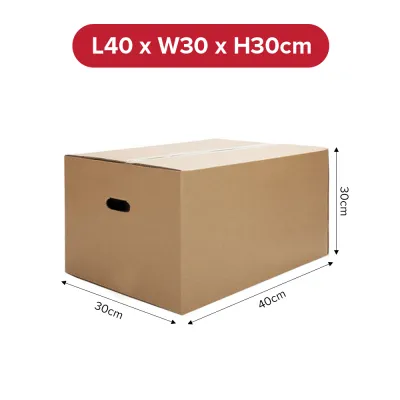
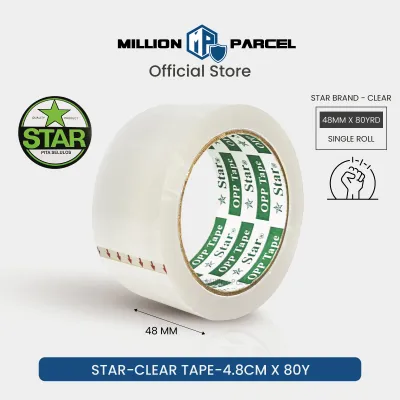
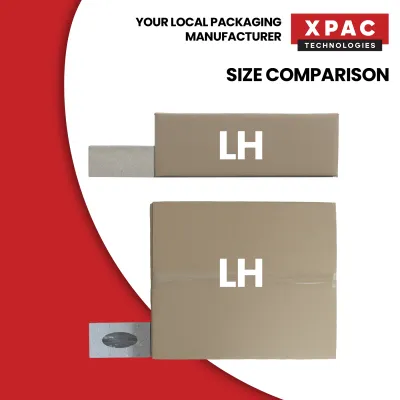
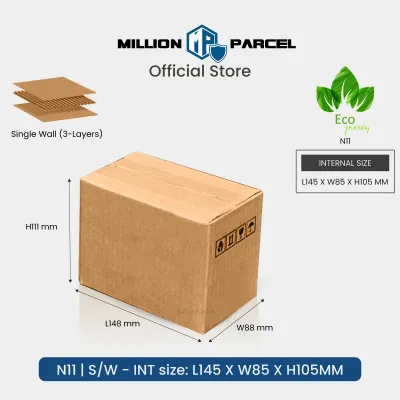
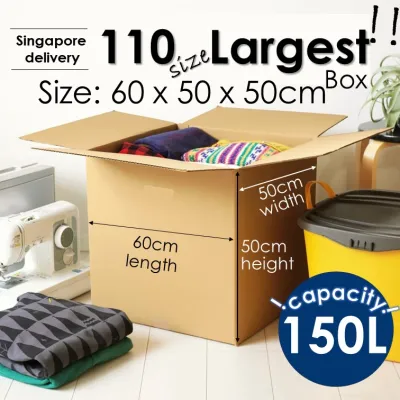
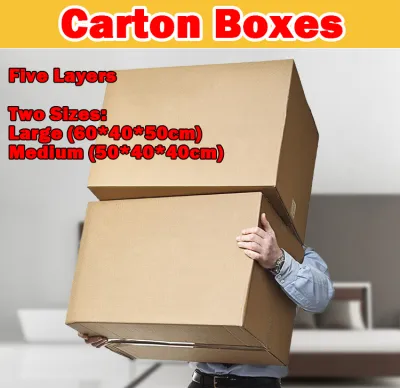
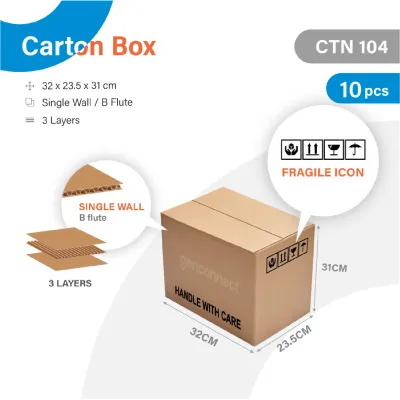
Prices are valid at publication and may change. Please refer to the product page for the latest price.
Following this principle prevents the dangerous situation where a box becomes too heavy to lift safely or ruptures from the bottom during transit.
- Small boxes: Engineered for dense, heavy objects such as books, documents, kitchen crockery, and small electronics.
- Medium boxes: The versatile workhorse of your move, ideal for everyday household goods, clothing, toys, and moderate-weight pantry items.
- Large boxes: Designed for high-volume, low-weight items like pillows, comforters, linens, and winter coats.
By adhering to these boundaries, you maintain a balanced distribution of weight across your entire inventory, making loading and unloading significantly safer.
Selecting a Box for Moving: Dimensions and Weight Limits
While exact dimensions vary slightly by manufacturer, standard industry volumes are relatively consistent. Small boxes typically range from 1.5 to 2.0 cubic feet (approximately 40 x 30 x 30 centimeters). Medium boxes generally span 3.0 to 3.5 cubic feet (roughly 45 x 45 x 40 centimeters), while large boxes offer 4.5 to 6.0 cubic feet of space (often measuring 60 x 45 x 45 centimeters).

The relationship between a box’s volume and its weight limit is governed by material stress. A large box has a much wider base and taller walls. If filled with dense items like books or canned goods, the total weight can easily exceed 40 kilograms. This far surpasses safe manual lifting limits and puts immense pressure on the bottom seams of the cardboard. A bottom blowout is highly likely under such stress, risking damage to fragile items and physical injuries.
To make an informed purchase, look closely at the manufacturer’s specifications printed on the box, often found on the bottom flap in a circular stamp known as the Box Maker’s Certificate. This stamp details the Edge Crush Test (ECT) rating or the bursting test rating. For standard residential moves, a 32 ECT rating is typically sufficient for light to medium loads in single-wall corrugated cardboard. However, for heavier items or when stacking boxes several layers high in a moving truck, upgrading to a 44 ECT rating or double-wall corrugated cardboard is highly recommended. Double-wall construction features two layers of fluted paper sandwiched between three flat linerboards, providing exceptional resistance to crushing.
In tropical regions like Singapore, high relative humidity can weaken cardboard fibers, reducing a box’s stacking strength by up to 50 percent. This environmental factor makes the choice of material quality and reinforcement even more critical. You must secure every seam using high-quality, heavy-duty packing tape with a strong adhesive backing. Applying tape in an “H” pattern across both the top and bottom flaps seals the edges completely, preventing moisture ingress and reinforcing structural joints.
Small Moving Boxes: Best for Heavy and Fragile Items
Small boxes are the unsung heroes of a successful move because they keep the heaviest items in your home manageable and safe to transport. By restricting the physical space available, these cartons naturally limit the total weight you can pack into a single container.
Books, Files, and Documents
Paper is exceptionally heavy and dense when packed in large quantities, which is why small boxes are mandatory for books and files. Packing books in larger boxes almost guarantees that the box will warp, tear, or become completely unliftable.
To protect your library, pack books flat or spine-down to prevent damage to the bindings and covers. Avoid packing books with the pages facing downward, as this can cause the pages to bend and the spines to crack under the weight of the books above. If there are empty pockets of space left in the box, fill them with crumpled packing paper to prevent the books from shifting during transport.
Kitchenware, Dishes, and Glassware
Kitchen items are heavy and highly fragile, requiring a packing strategy that minimizes movement. Small boxes are ideal because they allow you to pack a reasonable number of plates, bowls, and glasses without creating a crushing weight at the bottom of the box.
When packing dishes, always line the bottom of the small box with a thick layer of crumpled packing paper or bubble wrap to act as a shock absorber. Wrap each item individually in packing paper, and place plates and bowls on their edges rather than stacking them flat; flat plates are much more susceptible to breaking when subjected to vertical vibrations. Use cardboard cell dividers inside the box to keep glassware separated and immobilized, and fill any remaining voids with paper to ensure nothing rattles when the box is moved.
Electronics and Small Appliances
Delicate electronic devices like game consoles and small appliances require tight, secure spaces to prevent internal damage. Small boxes provide the snug fit necessary to keep these items stationary during transit.
Before packing, wrap all power cords and connection cables neatly, securing them with twist ties or velcro straps to prevent them from scratching screens or delicate surfaces. Wrap the main unit in anti-static bubble wrap or thick packing paper, and place it in the center of the box. If you still have the original manufacturer packaging, using it inside a small moving box offers the absolute best protection, as the molded foam inserts are custom-designed for that specific device.
Medium Moving Boxes: The Versatile Choice for Everyday Goods
Medium boxes represent the sweet spot of your packing inventory, offering a balanced combination of volume and manageability. They are highly versatile and accommodate the vast majority of standard household goods that are too bulky for small boxes but too heavy for large ones.
Clothing, Shoes, and Accessories
Folded clothing and shoes are perfect candidates for medium boxes. Unlike heavy winter gear, everyday apparel like t-shirts, jeans, and lightweight dresses can be packed densely without making the box too heavy to carry.
To maximize space, fold your clothes tightly or use the rolling method, which minimizes wrinkles and allows you to pack more systematically. Keep shoes in their original shoeboxes if possible to prevent them from being crushed or scuffed by other items. If packing shoes loose, wrap each pair in packing paper to protect the materials, and place heavier footwear like boots at the bottom of the box, keeping lighter sandals and accessories near the top. Avoid overstuffing the box to the point where the top flaps bulge, as this prevents proper stacking in the moving vehicle.
Toys, Decor, and Medium-Sized Household Items
Toys, decorative pieces, and board games often have irregular shapes that make them difficult to pack in small containers. Medium boxes provide the necessary physical clearance while keeping the total weight within a comfortable lifting range.
When dealing with irregularly shaped items, place the heaviest and sturdiest objects at the bottom of the box to establish a stable base. Wrap delicate decorative items in bubble wrap or packing paper, and use soft household goods like towels, t-shirts, or clean socks to fill the gaps around them. This dual-purpose strategy cushions your fragile decor while simultaneously packing away your everyday linens, preventing any internal movement that could lead to breakage.
Pantry Goods and Canned Foods
Kitchen pantries contain items ranging from lightweight cereal boxes to heavy canned goods and glass jars. A medium box is the absolute maximum size you should use for these dense food items to ensure the box remains safe to lift.
Group canned foods and heavy jars at the bottom of the medium box, but limit their height to about half the box’s depth, filling the remaining upper half with lightweight items like pasta boxes, spices, or bags of chips. Always check the expiration dates of your pantry items before packing, discarding any expired goods to save space. To prevent disastrous leaks, seal all liquid containers, oils, and opened packages in plastic zip-top bags before placing them in the box.
Large Moving Boxes: Ideal for Bulky and Lightweight Goods
Large boxes are highly specialized tools that must be used with strict discipline. Their expansive volume makes them highly tempting to overpack, but they should be reserved solely for items that take up a lot of physical space without adding significant weight.
Bedding, Pillows, and Linens
Bulky bedding items like duvets, blankets, and pillows are the primary reason large boxes exist. These items are highly voluminous but exceptionally light, meaning you can fill a large box to the top without exceeding safe weight limits.
To make the most of your large boxes, consider placing these soft items inside vacuum-seal space-saving bags before packing them. This compresses the bedding down to a fraction of its original volume, allowing you to fit multiple duvets and pillows into a single box while protecting them from dust, dirt, and ambient moisture during the move. If you do not use vacuum bags, ensure the box flaps close completely flat so they can be stacked securely in the moving truck.
Winter Coats, Jackets, and Bulky Clothing
Heavy winter coats and puffy jackets take up an immense amount of space. When preparing for a move, these bulky apparel items should be packed into large boxes to keep them organized and clean.
Instead of using expensive wardrobe boxes for every piece of clothing, you can fold heavy coats and jackets neatly and layer them inside a large box. This method saves significant space and keeps the weight manageable, as even a large box filled with folded jackets rarely exceeds safe lifting thresholds. Avoid packing delicate silk or highly structured garments this way, reserving the large box for durable outerwear and casual cold-weather gear.
Lightweight Household Items and Empty Bins
Large boxes are excellent for transporting lightweight but awkwardly shaped items like plastic bins, plush toys, and lampshades.
You can stack empty plastic bins inside one another within a large box to save space, filling the interior of the bins with soft items like stuffed animals or cushions. Never use large boxes for heavy items like hand tools, gardening equipment, or metal kitchen appliances, as the structural walls of a large box are highly prone to buckling under dense weight. Always reinforce the bottom seams of your large boxes with heavy-duty packing tape, applying at least three strips in a cross-pattern to provide extra support for the wide base.
Decision Framework: Matching Your Items to the Right Box
Following a structured decision framework based on the physical characteristics of your belongings streamlines your packing process. This systematic approach ensures that every item is placed in a container that matches its weight and fragility.
Use this quick reference guide when sorting your household goods:
- Choose Small if: The items are highly dense, heavy, or exceptionally fragile. This includes books, files, financial documents, ceramic plates, glassware, heavy kitchen pots, small electronics, and delicate decorative items.
- Choose Medium if: The items are of average weight and moderate volume, representing the bulk of your everyday household possessions. This includes folded clothing, shoes, toys, board games, medium-sized decor, and mixed pantry items like cans and dry goods.
- Choose Large if: The items are highly voluminous but very light. This includes duvets, pillows, comforters, blankets, bath towels, bulky winter coats, lightweight plastic bins, and large plush toys.
- Verify first if: You are unsure about the final weight of a packed box. Perform a quick lift test before sealing the box completely. If the box feels awkward, heavy, or if the cardboard begins to bow outward, immediately reopen it and distribute the contents into smaller containers.
Before you begin packing, conduct a thorough inspection of your boxes. Check for any pre-existing structural damage, soft spots, or signs of moisture absorption, especially if you are reusing old boxes. Given Singapore’s humid tropical climate, cardboard can easily absorb ambient moisture, which severely compromises its load-bearing capacity. To protect your belongings, store your flat boxes in a dry, air-conditioned room prior to packing. Once packed, keep the boxes elevated off damp concrete floors by placing them on plastic sheets or pallets, and store them away from direct sunlight and open windows to prevent moisture from weakening the cardboard seams.
Frequently Asked Questions (FAQ)
Can I use large boxes for books if I don't fill them to the top?
Avoid this practice. Even if you only fill a large box halfway with books, the wide base of a large box is structurally weaker than that of a small box, making it prone to sagging and tearing under dense weight. Additionally, partially filled boxes leave a large empty void at the top; if this void is not completely filled with lightweight packing material, the box will collapse when other boxes are stacked on top of it in the moving truck. To maintain structural integrity and ensure safe lifting, always stick to small boxes for books and documents.
How do I prevent moving boxes from breaking in humid weather?
High humidity quickly softens cardboard, making material selection critical. Opt for double-wall corrugated boxes rather than standard single-wall boxes, as the extra layer of fluting provides superior resistance to moisture-induced warping. Keep your unassembled, flat boxes in a dry, air-conditioned environment until you are ready to pack them. When sealing the boxes, use moisture-resistant synthetic packing tape, and avoid placing packed boxes directly on damp concrete floors or against exterior walls where condensation can accumulate.
Is it better to buy a moving kit or individual boxes?
The choice depends on your household inventory. Pre-packaged moving kits are highly convenient because they offer a standard mix of small, medium, and large boxes, along with packing tape and markers. However, these kits often underestimate the number of small boxes required for dense items like books, files, and kitchenware. If you have an extensive home library, a large collection of heavy kitchen equipment, or very few bulky linens, you will likely need to supplement a standard kit with extra individual small boxes to ensure a safe and efficient packing process.

Community discussion
Share your experience or ask a question. Comments are reviewed before publication.