
When preparing items for shipping, storage, or relocation, selecting the appropriate protective packaging is essential to ensure your goods arrive undamaged. The choice between small and large bubble sizes is a technical decision based on the item’s weight, surface vulnerability, and the dimensions of the shipping container.
Small bubble wrap, typically featuring bubbles with a diameter of 10 millimeters and a height of 3 to 4 millimeters, is designed for surface protection, scratch prevention, and wrapping lightweight, intricately shaped objects. Conversely, large bubble wrap, featuring bubbles with a diameter of 25 to 30 millimeters and a height of 10 to 12 millimeters, is engineered for heavy-duty shock absorption, cushioning heavy items, and filling large empty spaces inside shipping cartons. Understanding how these two sizes function under pressure allows you to create a secure packaging strategy that minimizes damage while optimizing material usage.
Understanding the Core Differences in Bubble Sizes
To make an informed decision, it is important to understand how bubble diameter and air volume dictate cushioning behavior. Small bubbles contain a smaller volume of air per pocket, resulting in a high density of bubbles per square meter. This dense configuration provides a flat, consistent contact surface that excels at distributing pressure evenly across the face of an item.
Products mentioned in this guide
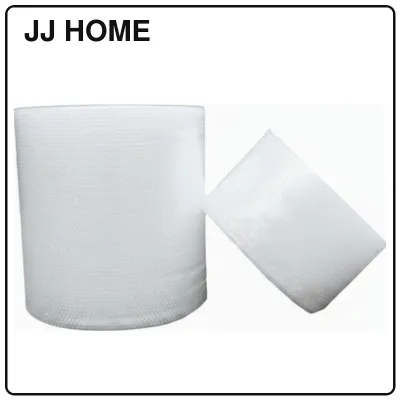
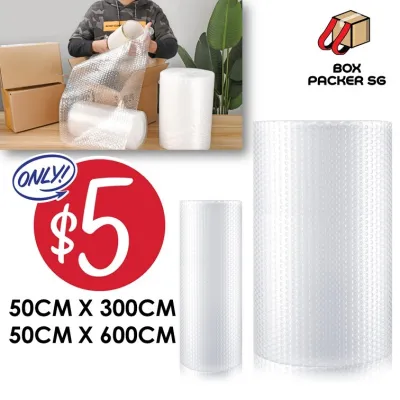
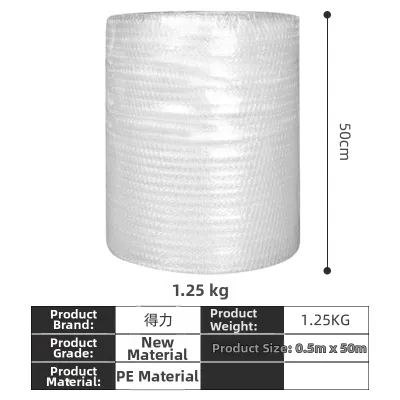
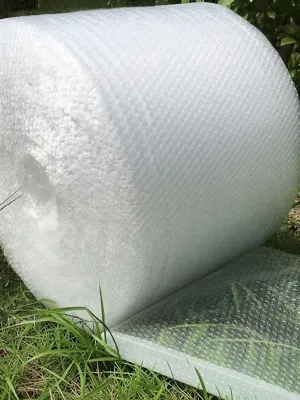

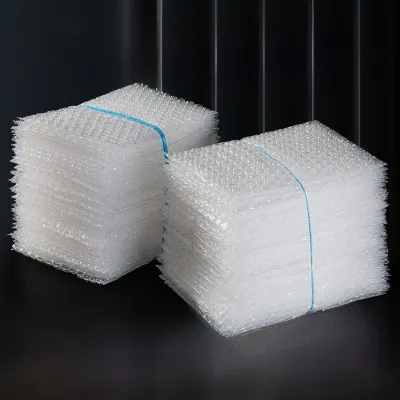
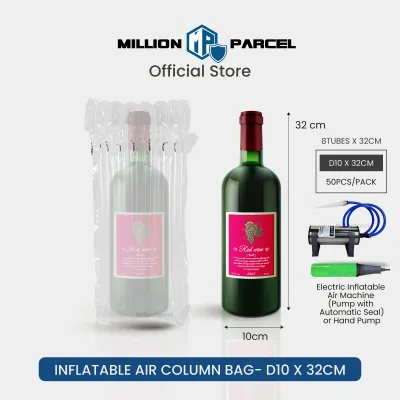
Prices are valid at publication and may change. Please refer to the product page for the latest price.
In contrast, large bubbles contain a significantly larger volume of air per pocket, increasing the overall thickness of the wrap. This added thickness creates a deeper deceleration zone when an item is subjected to an impact. When a package is dropped, the large air pockets compress slowly, absorbing the kinetic energy and preventing the item from colliding with the hard outer walls of the shipping box.
However, actual protection relies on a complete packaging system rather than bubble size alone. The number of layers applied, wrapping technique, and proper box void fill all play vital roles. For instance, wrapping an item too tightly can pre-compress the bubbles, reducing their ability to absorb further impacts. Furthermore, the durability and popping resistance of the wrap depend heavily on the exact plastic formulation, such as co-extruded barrier layers that trap air longer than standard single-layer low-density polyethylene (LDPE). Since these material specifications are rarely detailed on retail packaging, you can perform an observable trial by firmly squeezing a sample bubble between your fingers; a high-quality wrap will resist popping under moderate pressure, indicating reliable air retention.
Best Use Cases for Small Bubble Wrap
Small bubble wrap is a highly suitable choice for lightweight, delicate, or high-surface-area items that require close-fitting protection. Common examples include glassware, porcelain figurines, small electronics, framed artwork, and premium stationery sets. Because the small bubbles are highly flexible, they conform easily to irregular shapes, sharp corners, and delicate handles without creating awkward, bulky packages.

The primary strength of small bubble wrap lies in its surface protection capabilities. During transit, items inside a box are subjected to continuous micro-vibrations from delivery vehicles. These vibrations can cause the packaging material to rub against the item’s surface, leading to scratches, scuffs, and minor abrasions. Small bubble wrap acts as a soft, protective barrier that absorbs these micro-vibrations, preserving the aesthetic and structural integrity of polished, painted, or glazed finishes.
Additionally, the flexibility of small bubble wrap allows for tight, secure wrapping of multiple small items individually. For example, when packing a set of delicate ceramic teacups or a collection of fountain pens, wrapping each piece in a single or double layer of small bubble wrap prevents them from knocking against one another. This method keeps the overall package profile slim and compact, which is particularly advantageous for local courier shipments in Singapore, where shipping rates are often calculated based on package volume or dimensional weight.
Best Use Cases for Large Bubble Wrap
Large bubble wrap is engineered for scenarios that demand heavy-duty shock absorption and robust cushioning. It is commonly selected for heavier, bulkier, or highly fragile items with deep protrusions, such as large household appliances, automotive parts, oversized ceramic vases, or heavy desktop organizers. These items possess significant mass, meaning they generate substantial kinetic energy when dropped or shifted during transit.
The primary function of large bubble wrap is impact resistance. The large air pockets act as heavy-duty springs that can withstand significant compression forces. When a heavy box is dropped from a delivery truck or sorted on a high-speed conveyor belt, the large bubbles compress to absorb the shock, protecting the heavy item inside from bottoming out against the cardboard carton.
Beyond direct cushioning, large bubble wrap serves a vital secondary role as an effective void fill material. When packing items in standard-sized shipping cartons, there is often a significant amount of empty space left over. If these voids are not filled, the items will shift violently during transit, leading to damage. Large bubble wrap fills these empty spaces quickly and efficiently, requiring far fewer wraps and less material than small bubble wrap. This not only keeps the item securely centered in the box but also adds structural support to the carton itself, preventing the box from collapsing when stacked under heavier packages in a delivery vehicle or warehouse.
Packing Variables to Verify Before Wrapping
Before selecting a specific bubble size, it is important to evaluate several physical and logistical variables to ensure optimal protection. First, assess the item’s weight and center of gravity. Extremely heavy items will easily compress or burst small bubbles under sustained load, rendering the protection useless. If you are packing a heavy object, verify that the bubble wrap can support its weight without flattening completely.
Second, measure the dimensions of the shipping box and the available void space. If the gap between the wrapped item and the box walls is narrow (less than 2 centimeters), small bubble wrap is more appropriate as it provides slim, efficient protection. If the gap is wide (greater than 5 centimeters), large bubble wrap is necessary to fill the void and prevent the item from shifting.
Third, consider the transit environment and the shipping journey. In Singapore’s warm and highly humid climate, cardboard boxes can absorb moisture from the air, which significantly reduces their structural strength. Under these conditions, relying solely on the box for protection is risky. Using large bubble wrap to line the interior walls of the box provides an extra layer of structural support. Additionally, if the package is traveling a long distance or undergoing multiple sorting stages, it will be subjected to prolonged vibration and potential mishandling, requiring a more robust, multi-layered wrapping approach.
Finally, always check the manufacturer’s packaging guidelines for the specific item you are shipping. Some high-end electronics, optical instruments, or delicate collectibles come with original packaging instructions that specify the type of cushioning required. For instance, certain electronic components may require anti-static plastic bubble wrap to prevent electrostatic discharge, while highly polished metal surfaces may require a protective paper barrier to prevent the plastic bubbles from leaving marks.
Decision Framework: Small vs Large Bubble Wrap
To finalize your packaging choice, use the following conditional framework based on your specific shipping scenario:
Choose small bubble wrap if:
- The item is lightweight, delicate, or has an irregular shape with intricate details.
- The primary goal is to prevent surface scratches, scuffs, and minor abrasions.
- You need to wrap multiple small items individually and pack them tightly into a compact box.
- You want to keep the package dimensions as small as possible to avoid dimensional weight surcharges from local couriers.
Choose large bubble wrap if:
- The item is heavy, bulky, or highly fragile with a high risk of impact damage.
- The primary goal is to absorb heavy shocks, drops, and vibrations during transit.
- You need to fill large empty spaces (voids) inside a shipping carton to prevent the item from shifting.
- You want to provide structural reinforcement to the shipping box to prevent crushing.
For robust protection of highly valuable or extremely fragile items, such as antique porcelain or delicate glass instruments, consider combining both sizes. Wrap the item first in small bubble wrap to protect its delicate surfaces and conform to its shape. Then, wrap the exterior with a layer of large bubble wrap to provide heavy-duty shock absorption. This dual-layer approach combines the surface protection of small bubbles with the impact resistance of large bubbles, offering comprehensive defense against transit damage. Before sealing the package, verify that the bulky wrap does not exceed the carrier’s dimensional weight limits, as oversized packages can incur unexpected shipping fees.
Frequently Asked Questions (FAQ)
Should the bubbles face inward or outward against the item?
The standard practice is to face the bubbles inward, directly against the item being wrapped. This configuration allows the individual air pockets to conform closely to the item’s shape, trapping it securely and preventing it from sliding within the wrap. However, there are exceptions to this rule. For items with highly polished flat surfaces, glass, or delicate plastics, the concentrated pressure of the bubbles can sometimes leave circular imprints or plasticizer marks, especially when stored in warm, humid environments like Singapore. To prevent this, you can perform a test wrap on a scrap piece of similar material and leave it in a warm environment for 24 hours to verify that the plastic does not leave residue. If imprinting is a concern, wrap the item in acid-free tissue paper or interleaving paper first, or face the bubbles outward so that the smooth plastic backing of the wrap rests against the delicate surface.
Can I mix small and large bubble wrap in the same package?
Yes, mixing small and large bubble wrap in the same package is a highly effective and cost-efficient packaging strategy. This dual-layer method allows you to leverage the unique benefits of both bubble sizes. Start by wrapping the item securely in small bubble wrap to protect its surface from scratches and conform to any intricate details. Once the inner layer is secured, use large bubble wrap as an outer layer to line the bottom, sides, and top of the shipping box, or to fill any remaining empty spaces. Secure the layers firmly with high-quality packing tape to ensure they do not shift during transit, creating a robust, multi-tiered defense system for your most valuable shipments.

Community discussion
Share your experience or ask a question. Comments are reviewed before publication.