
When preparing items for shipping, moving, or storage, selecting the correct type of bubble wrap is critical to ensuring your valuables survive transit. The choice between small and large bubbles is not a matter of which material is universally superior, but rather which physical profile matches the specific vulnerabilities of your items. The right decision depends entirely on the object’s weight, structural fragility, and surface sensitivity.
Choose Small Bubble Wrap If:
- You are packing lightweight, highly delicate items like glassware, ceramics, or porcelain figurines.
- The item has a polished, painted, or easily scratched surface that requires a smooth, uniform protective layer.
- You need to wrap complex, contoured shapes tightly, requiring high material flexibility.
Choose Large Bubble Wrap If:
Products mentioned in this guide
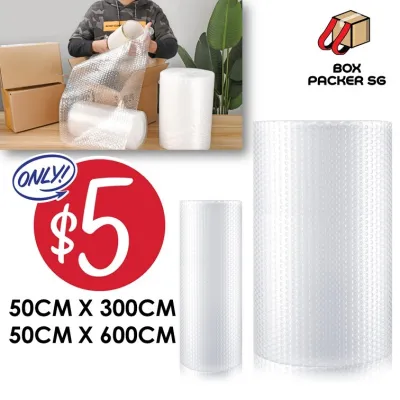
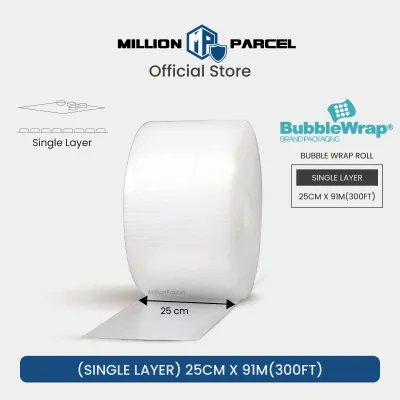
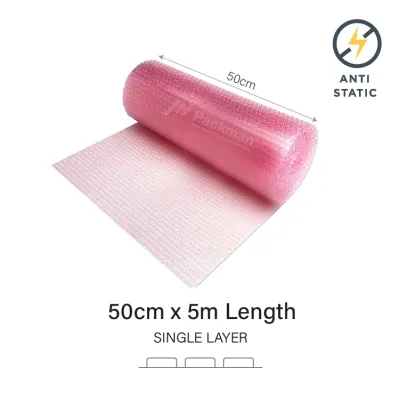
![[SG SELLER] Heavy Duty Bubble Wrap Roll Foam Wrap Air Cushion Packaging Stretch Film Shrink Wrap Protection Material](https://img.lazcdn.com/g/p/044501857b9d7b93587e94cbbcbac682.png_400x400q80.png_.webp)
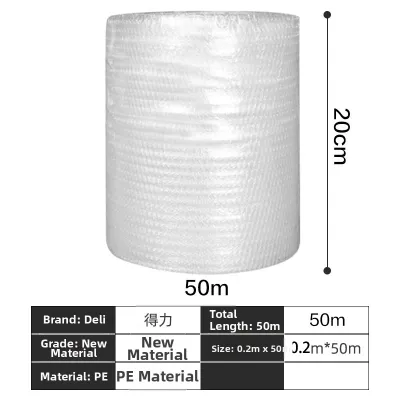
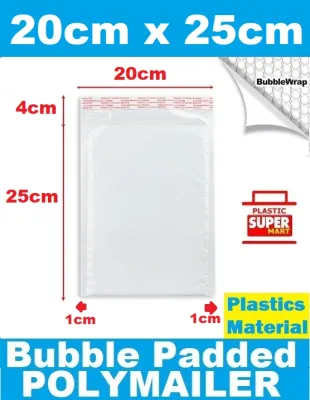
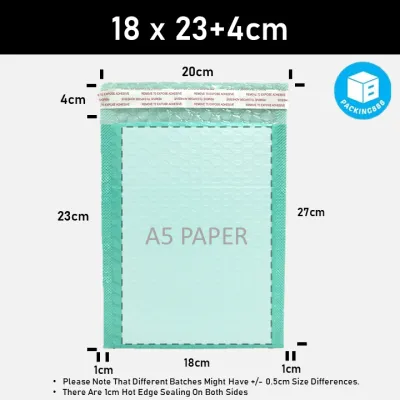
Prices are valid at publication and may change. Please refer to the product page for the latest price.
- You are packing heavy, bulky, or high-value items such as household appliances, large electronics, or heavy tools.
- The primary risk is severe shock, drops, or high-impact compression during transit.
- You need to fill large empty spaces (void fill) inside shipping boxes to prevent items from shifting.
Small vs Large Bubbles: How They Protect Your Items Differently
Bubble wraps are engineered with distinct physics of air displacement and distribution. Understanding these mechanical differences allows you to construct a packaging strategy that targets the exact risks your items will face during transport.
Small Bubble Wrap Characteristics
Small bubble wrap typically features bubbles with a standard diameter of 10 mm (approximately 3/8 inch) and a height of 3 mm to 4 mm. The defining feature of this size is the high density of these tiny air pockets across the sheet. Because the bubbles are small and closely packed, they distribute the weight of the wrapped item evenly across hundreds of points of contact. This creates a remarkably smooth, uniform barrier that minimizes localized pressure points, making it highly effective at preventing surface abrasions, scuffs, and fine scratches.
Additionally, the thin profile and high bubble density lend excellent flexibility to the plastic film. You can easily fold, roll, and wrap it around tight corners, handles, and intricate shapes without creating stiff, awkward folds that leave gaps. This high flexibility is ideal for conforming to the exact shape of small or complex items. However, the limitation of small bubble wrap lies in its low air volume per bubble. When subjected to heavy impact or dropped from a significant height, the small volume of air can be easily compressed to its limit, causing the bubble to bottom out and transfer the kinetic energy directly to the item.
Large Bubble Wrap Characteristics
Large bubble wrap usually consists of bubbles with a diameter of 25 mm to 32 mm (approximately 1 inch to 1.25 inches) and a height of 10 mm to 12.7 mm. This profile results in a much lower density of bubbles per square meter but a vastly higher volume of trapped air within each individual pocket. This massive air cushion acts as a heavy-duty shock absorber, designed to compress under extreme force and slowly dissipate kinetic energy before it reaches the packed item.
Large bubbles are ideal for absorbing high-impact forces, such as when a heavy shipping box is dropped onto concrete or jostled violently in a delivery truck. They also serve as an excellent, lightweight void filler to block and brace items within a box. The trade-offs are flexibility and surface coverage. The bulky profile makes it stiff and difficult to wrap tightly around small or detailed objects. Furthermore, the large gaps between the wide bubbles mean that if a sharp corner or small protrusion slips between the bubbles, it can experience direct point-impact without any cushioning.
Match the Bubble Size to Your Specific Items
To optimize your packaging strategy, you must analyze the physical attributes of your goods. Matching the bubble size to the specific weight, material, and shape of your items ensures maximum protection while minimizing packaging waste.

Fragile, Lightweight, and Surface-Sensitive Items
For items like delicate glassware, fine china, glazed ceramics, polished wooden frames, and gallery art, surface preservation is just as important as structural integrity. Small bubble wrap is the premier choice for these items. The high-density bubble pattern ensures that the plastic film lies flat against the surface, preventing the concentrated pressure points that can leave circular bubble imprints on delicate finishes.
In Singapore’s warm and highly humid climate, plastic materials can sometimes cling or transfer plasticizer residue to polished wood, lacquerware, or leather over long storage periods. To prevent this, place an initial barrier layer of acid-free tissue paper or glassine paper around the item before applying the bubble wrap. Wrap the item snugly so that the film conforms to its exact contours, immobilizing the item within its protective sleeve to prevent micro-movements that cause friction and subsequent scuffs.
Heavy, Bulky, and High-Value Items
Heavy items like kitchen appliances, computer monitors, metal tools, and large consumer electronics generate significant kinetic energy when in motion. If a box containing a 10-kilogram item is dropped, small bubbles will instantly collapse under the weight, offering virtually zero protection. Large bubble wrap is essential here because its high-volume air pockets can withstand substantial weight and compress gradually to absorb the impact.
For these bulky items, large bubble wrap should be used to line the entire interior of the shipping carton, creating a thick, cushioned cradle on the bottom, sides, and top. This ensures that even if the box is dropped on its corner, the heavy item remains suspended away from the hard outer walls. When shipping high-value items, the cost of using premium, large-bubble cushioning is a minor investment compared to the expense of replacing damaged electronics or appliances.
Oddly Shaped and Hollow Items
Items such as ceramic vases, glass lamps, musical instruments, and decorative figurines present a double challenge: they have delicate, complex outer shapes and fragile, hollow interiors. Protecting these items requires a hybrid packaging approach that utilizes the strengths of both bubble sizes.
Begin by addressing the hollow interior. If you leave a vase or a glass bowl empty, the structural walls can easily collapse inward under external pressure. Fill these internal voids first using crumpled packing paper, tissue paper, or biodegradable packing peanuts until the interior is firm and self-supporting. Once the hollow space is stabilized, wrap the intricate outer contours tightly with small bubble wrap to protect detailed handles, spouts, or carvings. Finally, wrap a secondary outer layer of large bubble wrap around the entire assembly to provide a robust shield against external shocks.
Beyond Size: Why Thickness and Layering Matter Just as Much
While bubble diameter is the most visible selection criterion, the thickness of the plastic film itself—often measured in microns or gauge—plays a critical role in the overall protection level. A small bubble wrap manufactured with a high-density, heavy-duty film can frequently outperform a cheaply made, thin-gauge large bubble wrap. Thicker films offer superior puncture resistance, preventing sharp edges on your items from piercing the plastic and popping the air pockets.
Before committing to a large packing project, perform a simple squeeze test as an observable trial: pinch a bubble firmly between your thumb and forefinger. A high-quality bubble wrap will resist popping and maintain its shape under moderate pressure, whereas low-quality films will pop easily, indicating poor air retention and weak heat-sealed seams.
Understanding the “Rule of Layers” can also transform your packing outcomes. You do not have to rely on a single layer of large bubbles for shock absorption; instead, applying multiple layers of small bubble wrap can create a custom, high-performance cushion. Three to four layers of small bubble wrap not only provide excellent surface protection and flexibility but also build up a collective air volume that rivals or exceeds the shock absorption of a single layer of large bubble wrap.
Furthermore, polyethylene bubble wrap is inherently water-resistant, which is crucial for protecting paper documents, books, or electronics from Singapore’s sudden tropical downpours during courier transfers. To verify the water resistance of your packaging setup, you can conduct a quick water-droplet test on a scrap piece of the bubble wrap to ensure moisture beads up and does not penetrate the seams.
Specialized material variants also exist to address specific environmental and physical risks. Anti-static bubble wrap (typically colored pink) is treated to prevent the buildup of electrostatic discharge, which can instantly destroy sensitive electronic components like computer motherboards or graphics cards. Cohesive bubble wrap is coated with a special adhesive that sticks only to itself, allowing you to seal packages quickly without using packing tape that might leave sticky residue on your items. Always verify the care instructions of your specific items to determine if these specialized variants are required.
Step-by-Step Wrapping Techniques for Maximum Protection
Applying bubble wrap correctly is just as important as choosing the right size. Follow these practical steps to ensure your packaging functions exactly as intended during transit.
- Step 1: Prepare the item: Ensure the item is completely clean and dry before wrapping. Dust, moisture, or grit trapped beneath the plastic can act as an abrasive under the pressure of transit, leading to scratches. Secure any loose parts, detachable lids, or power cords using removable painters' tape or elastic bands so they do not bang against the main body of the item.
- Step 2: Orient the bubbles correctly: The general industry standard is to place the bubble wrap with the bubbles facing inward toward the item. This configuration allows the individual air pockets to cradle the item's contours directly, maximizing cushioning while keeping the smooth plastic backing on the outside to resist external friction. However, if you are wrapping items with highly polished, delicate, or freshly painted finishes, place a protective layer of plain packing paper or soft tissue paper over the item first to prevent the plastic bubbles from leaving permanent circular imprints under heat or pressure.
- Step 3: Wrap and secure: Roll the item in the bubble wrap, ensuring an overlap of at least 5 to 10 centimeters at the seams. When cutting the bubble wrap to size, use a utility knife or scissors safely, cutting away from your body on a flat, stable surface. Secure the wrap with high-quality packing tape. In Singapore's humid climate, acrylic or rubber-based adhesives perform best, as cheap adhesives can degrade and peel off. Apply the tape only to the bubble wrap itself; never allow adhesive tape to come into direct contact with the item's surface, as it can peel off paint, varnish, or leave hard-to-remove adhesive residue.
- Step 4: Box selection and void fill: Select a rigid, double-walled shipping box that is slightly larger than your wrapped item, leaving a gap of about 5 centimeters on all sides. Place a layer of bubble wrap or crumpled paper at the bottom of the box, insert the wrapped item, and fill all remaining empty spaces around the sides and top. The goal is to eliminate all voids so that when you seal and shake the box, the item does not shift at all. Shifting allows the item to build momentum inside the box, which can compress and pop the bubbles during transit.
Common Packing Mistakes That Compromise Protection
Even with the highest quality materials, simple packing errors can render your protective efforts useless. Avoid these common pitfalls to ensure your items remain safe:
- Under-layering heavy items: Using only a single thin layer of small bubble wrap for a heavy item is a recipe for damage. Under the weight of the item, the small bubbles will instantly bottom out upon impact, transferring the full force of a drop directly to the item's structure. Always use multiple layers of small bubble wrap or transition to large bubble wrap for heavier goods.
- Leaving empty voids: Failing to fill the empty spaces inside the shipping carton allows the item to slide and bounce. This repetitive movement subjects the bubble wrap to constant friction and compression, eventually popping the bubbles and exposing the item to damage.
- Direct taping: Taping directly onto delicate surfaces or using cheap, low-tack tape that easily unravels. This can cause the protective wrap to fall away during handling, leaving the item completely unprotected.
- Popping bubbles during wrapping: Pulling the wrap too tightly or squeezing it aggressively can pop the air pockets before the package even leaves your hands. Every popped bubble is a dead zone in your defense system; handle the wrap firmly but carefully to preserve the air volume.
Frequently Asked Questions (FAQ)
Can I use small and large bubble wrap together?
Yes, combining both bubble sizes is an industry best practice for packing highly fragile, valuable, or complex items. To execute this hybrid technique, first wrap the item snugly in one or two layers of small bubble wrap to protect its delicate surfaces and secure intricate corners. Next, wrap an outer layer of large bubble wrap around the small-bubble sleeve to provide a heavy-duty shock barrier. This dual-layer system delivers the ultimate combination of surface preservation and impact absorption.
Does the bubble side face in or out when wrapping?
For standard applications, the bubbles should always face inward toward the item. This allows the individual air pockets to conform tightly to the item’s shape, providing direct, localized cushioning. The smooth plastic backing remains on the outside, where it can easily slide against other packaging materials and resist tearing. If you are wrapping highly sensitive or polished surfaces, remember to place a layer of soft packing paper or tissue paper over the item first to prevent the plastic bubbles from leaving circular imprints.
Is anti-static bubble wrap necessary for all electronics?
Anti-static bubble wrap is not strictly necessary for fully enclosed consumer electronics with non-conductive plastic casings, such as television remotes or plastic-housed toys. However, you must use anti-static bubble wrap (typically pink) for bare circuit boards, internal computer components, graphics cards, or any device with exposed electronic paths. Standard plastic bubble wrap easily generates static electricity during handling, which can discharge into sensitive circuits and cause permanent, invisible electrical damage.
Community discussion
Share your experience or ask a question. Comments are reviewed before publication.