
Selecting the right packing materials is the foundation of any successful move, storage project, or shipping process. Whether you are preparing a parcel for local delivery, packing up household goods for a move to a new apartment, or shipping delicate items overseas, protecting your belongings from damage is a top priority. The choice between small bubble wrap and large bubble wrap is not merely a matter of preference; it is a functional decision based on the physical properties of the items you are packing. Understanding how these two materials differ in structure and performance ensures your items arrive at their destination completely intact.
While both options rely on trapped air to create a protective barrier, they serve entirely different roles in the packaging process. Small bubble wrap is designed to hug the contours of delicate objects, acting as a shield against scratches, dust, and minor surface impacts. Large bubble wrap, with its deep air pockets, acts as a heavy-duty shock absorber and a highly efficient space filler. Choosing the wrong type can lead to inadequate protection, wasted material, or unnecessary shipping costs. By matching the bubble size to your specific item’s weight, fragility, and shape, you can create a secure packaging setup that withstands the rigors of transit.
Understanding the Structural Differences
To make an informed decision, it helps to look at the physical dimensions and cushioning mechanisms of both materials. Small bubble wrap typically features bubbles with a diameter of approximately 10 mm and a height of 3 mm to 4 mm. These tiny pockets of air are densely packed across the plastic sheet, creating a low-profile, highly flexible barrier. Because the bubbles are small and numerous, they distribute weight across a vast number of contact points, which minimizes localized pressure on the item’s surface.
Products mentioned in this guide
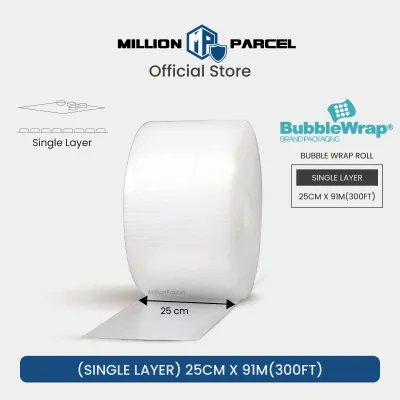
Prices are valid at publication and may change. Please refer to the product page for the latest price.
Large bubble wrap features much larger air pockets, usually measuring 25 mm or more in diameter and up to 12 mm in height. This dramatic increase in size means each bubble holds a significantly larger volume of air. When a heavy object presses against large bubble wrap, the air inside the bubbles compresses deeply, absorbing high-impact forces that would easily flatten smaller bubbles. However, because the bubbles are larger, there are fewer contact points per square centimeter, meaning the pressure is concentrated on specific areas rather than distributed evenly.
This structural difference also affects how the materials interact with the surfaces of your items. Small bubble wrap offers a high surface contact area, making it exceptionally good at preventing fine scratches, scuffs, and abrasions on polished or delicate surfaces. Large bubble wrap, while offering superior impact resistance, has a lower surface contact area. If used incorrectly on highly sensitive surfaces, the concentrated pressure points of the large bubbles can sometimes leave temporary marks or fail to protect against fine scratches, making the physical structure of the bubble a critical factor in your packing strategy.
When to Choose Small Bubble Wrap
Small bubble wrap is the ideal choice for lightweight, fragile items with smooth or highly polished surfaces. Items such as glassware, ceramic mugs, porcelain figurines, and electronic screens require a material that can wrap tightly around them without leaving gaps. The small, flexible bubbles conform easily to complex shapes, handles, and tight curves, ensuring that every part of the item is covered. This tight fit is essential for preventing items from rubbing against each other or the inside of the shipping box.

Another primary use case for small bubble wrap is protecting items that are highly susceptible to surface damage. For example, when packing tablets, smartphones, or laptop screens, a layer of small bubble wrap prevents the keys or casing from scratching the display. It also works beautifully for packing delicate kitchenware, such as plates and saucers, where you can place a sheet of small bubble wrap between each dish to prevent friction and chipping during transit.
Because of its low profile, small bubble wrap is also highly space-efficient. If you are shipping items in compact boxes to keep shipping costs down, small bubble wrap provides excellent surface protection without adding unnecessary bulk. It allows you to maximize the internal space of your shipping carton while still ensuring that your delicate items are shielded from the minor bumps and vibrations that occur during standard courier handling.
When to Choose Large Bubble Wrap
Large bubble wrap is engineered for heavy, bulky, or irregularly shaped items that require deep cushioning to survive drops and rough handling. Items such as heavy kitchen appliances, large picture frames, wooden furniture legs, and bulky electronics possess too much mass for small bubble wrap. The weight of these items would instantly pop or flatten small bubbles, leaving the item vulnerable to damage. The deep air pockets of large bubble wrap provide the robust support needed to keep heavy items suspended and protected.
In addition to protecting heavy items, large bubble wrap is highly effective at absorbing high-impact shocks and dampening vibrations. When a shipping carton is dropped or stacked under heavier boxes, the large bubbles compress to absorb the kinetic energy, preventing the force from transferring directly to the item inside. This makes it the preferred choice for lining the inner walls of shipping boxes containing fragile but heavy goods.
Furthermore, large bubble wrap serves as an exceptional void fill material. When shipping items in boxes that are slightly too large, empty spaces can allow the contents to shift violently during transit. Filling these empty pockets with large bubble wrap blocks the item’s movement securely. Because it consists mostly of air, it adds virtually no weight to your package, helping you avoid increased shipping fees while ensuring your items remain locked in place.
Key Decision Factors for Your Packing Scenario
When deciding which bubble wrap to use, you should systematically evaluate your specific packing scenario using a few key criteria. First, assess the weight and fragility of the item. As a general rule, lightweight items under two kilograms that are highly sensitive to scratches should be wrapped in small bubble wrap. Heavy items over two kilograms, or those with robust surfaces that require deep impact protection, are better suited for large bubble wrap.
Next, consider the dimensions of your shipping carton and the amount of empty space inside. If your item fits snugly within the box, small bubble wrap is the practical choice because it provides a slim protective layer that does not force you to upgrade to a larger box size. However, if there is a gap of more than five centimeters between the item and the box walls, you should use large bubble wrap to fill that space and create a thick, protective buffer.
For high-value or extremely fragile items, a hybrid approach often yields the best results. You can wrap the item first in a layer of small bubble wrap to protect its delicate surface from scratches and ensure a tight, conforming fit. Then, wrap the entire bundle in a secondary layer of large bubble wrap, or line the inside of the shipping box with large bubbles. This dual-layer method combines the surface protection of small bubbles with the heavy-duty shock absorption of large bubbles, offering maximum security.
Practical Wrapping Techniques for Maximum Protection
To ensure your chosen bubble wrap performs effectively, you must apply it using proper wrapping techniques. One of the most common questions is which way the bubbles should face. Always wrap your items with the bubbles facing inward, toward the item. The individual bubbles act as tiny cushions that grip the item’s surface, preventing the wrap from sliding around, while the smooth outer plastic backing allows you to slide the wrapped item easily into the shipping box without snagging.
Securing the bubble wrap is equally important for maintaining its protective qualities. Use high-quality packaging tape to seal the edges and seams of the wrap. Be careful not to tape directly onto the surface of sensitive items, as the adhesive can leave a stubborn residue or damage delicate finishes; instead, tape the bubble wrap to itself. Ensure the wrap is snug but not pulled so tightly that you compress or pop the bubbles, which would compromise their cushioning ability.
Finally, consider how your bubble wrap interacts with other packing materials. For extremely fragile or heavy items, bubble wrap alone may not be enough. Combining bubble wrap with corrugated cardboard sheets, foam corner protectors, or packing paper can significantly increase structural support. For instance, placing cardboard inserts between wrapped items prevents them from crushing one another, while foam corners protect the bubble wrap from being punctured by sharp edges during transit.
Frequently Asked Questions (FAQ)
Can I use large bubble wrap for small fragile items?
Using large bubble wrap for small, delicate items is generally not recommended. The large bubbles are stiff and do not conform well to small, intricate shapes, which can leave large empty gaps where the item can slide around inside the wrapping. Additionally, the concentrated pressure from large, fully inflated bubbles can cause point-loading on delicate surfaces, potentially leaving marks or causing structural damage to highly fragile items. For small, delicate objects, small bubble wrap is always the safer and more effective choice.
Does the plastic film thickness matter as much as the bubble size?
Yes, the thickness of the plastic film, often measured in microns or mils, is just as important as the bubble size. A large bubble made from very thin, low-grade plastic can pop easily under moderate pressure, rendering its large size useless. Conversely, a small bubble wrap made from heavy-duty, high-density polyethylene can withstand significant weight and resist punctures from sharp edges. When packing heavy or sharp items, always check the manufacturer’s specifications for film thickness to ensure the material can handle the load.
How do I know if I have used enough bubble wrap?
You can verify if your item is adequately protected by performing a simple, observable shake test. Once you have wrapped your item and placed it inside the shipping box, close the flaps but do not tape them shut. Gently shake the box; if you feel or hear any movement, sliding, or shifting inside, you have not used enough bubble wrap or void fill. Additionally, perform a visual check to ensure there is at least a five-centimeter buffer of bubble wrap protecting the item from all six sides of the shipping carton.

Community discussion
Share your experience or ask a question. Comments are reviewed before publication.