
Quick Answer: Small vs. Large Bubble Wrap
Choosing the right bubble wrap packing material depends entirely on the physical characteristics of the item you are preparing to ship or store. Small bubble wrap is the ideal choice for protecting delicate surfaces from scratches and wrapping tightly around intricate shapes. Large bubble wrap, on the other hand, provides the deep shock absorption needed for heavy, bulky items and serves as an excellent void fill to prevent movement inside a shipping box.
To make an immediate decision, evaluate your item’s weight, surface fragility, and the amount of empty space in your container. Neither bubble size is universally superior; rather, their protective capabilities are highly specialized. Matching the bubble profile to your item’s specific vulnerabilities ensures your goods arrive intact without adding unnecessary bulk or cost to your packaging.
How Bubble Size Dictates Protection and Cushioning
The fundamental difference between small and large bubble wrap lies in the physical dimensions of the air pockets. Small bubble wrap typically features bubbles with a diameter of about 10 millimeters and a height of 3 to 4 millimeters. Large bubble wrap generally utilizes bubbles with a diameter of 25 millimeters or more, standing roughly 10 to 12 millimeters high. This difference in height and diameter directly determines the volume of air trapped within each pocket.
Products mentioned in this guide
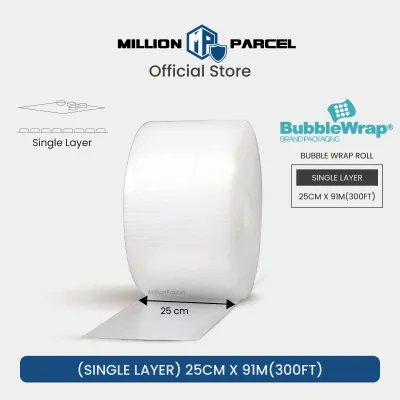
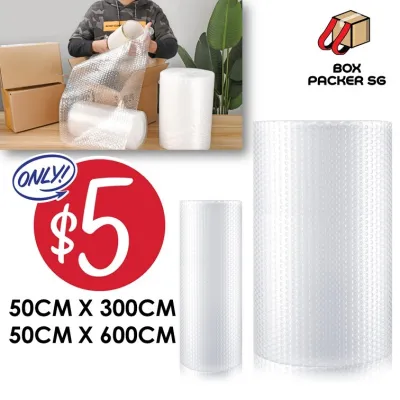
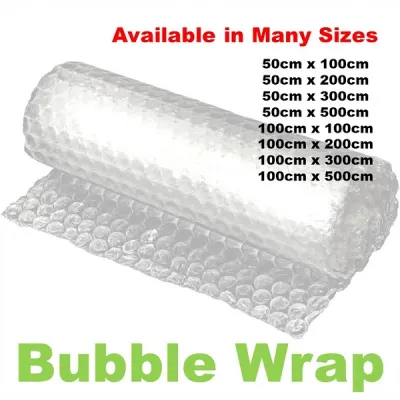
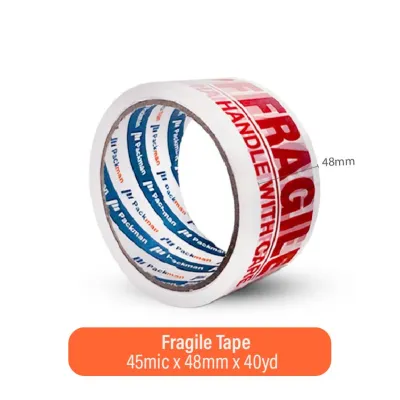
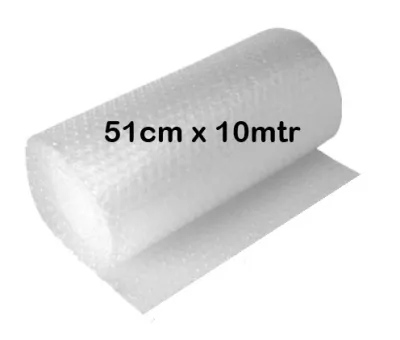
Prices are valid at publication and may change. Please refer to the product page for the latest price.

These physical dimensions create a distinct trade-off between surface contact area and cushioning depth. Small bubbles are densely packed together, creating a highly consistent, flat surface that maximizes contact with the wrapped item. This dense pattern distributes pressure evenly across the item’s surface, which is crucial for preventing localized stress points. Large bubbles contain a much greater volume of air per pocket, providing a thicker physical barrier that can absorb significant impact energy before bottoming out.
The structural mechanics of air displacement also differ during transit. When a package experiences a drop or sudden deceleration, the air inside the bubbles compresses to absorb the force. Small bubbles have a lower burst threshold under heavy, concentrated loads because their small air volume quickly reaches maximum compression. Large bubbles can withstand greater displacement forces, but they are more susceptible to popping if a sharp edge concentrates force onto a single, large air pocket. Understanding these mechanical behaviors allows you to select the wrap that matches the expected transit hazards.
When to Use Small Bubble Wrap for Delicate Items
Small bubble wrap is highly effective when packing lightweight objects that require close-fitting surface protection. Items such as glassware, ceramic figurines, small electronics, and cosmetics benefit immensely from the tight contouring of small air pockets. Because these items have low mass, they do not exert enough force to compress or pop the small bubbles, allowing the wrap to maintain its protective barrier throughout transit.
The primary advantage of small bubbles is their ability to conform to complex geometries without leaving large, unprotected gaps. When wrapping an item with intricate details, such as a delicate handle on a teacup or the corners of a picture frame, small bubble wrap bends easily to follow the contours. This tight fit prevents the wrap from shifting during handling, which minimizes friction and eliminates the risk of surface scratches on polished, painted, or glazed finishes.
However, small bubble wrap has clear limitations when subjected to heavy loads or high-impact drops. If used to wrap a heavy metal object or a large appliance, the weight of the item will easily flatten the small air pockets, leaving virtually no cushioning between the item and the outer box. For these heavier items, relying solely on small bubbles can lead to damage, as the material cannot provide the deep shock absorption required to cushion a heavy fall.
When to Use Large Bubble Wrap for Heavy or Bulky Items
Large bubble wrap is engineered to provide robust shock absorption and structural support for heavy, bulky, or high-mass items. Objects such as large kitchen appliances, heavy electronics, furniture legs, and industrial parts require a substantial cushion to absorb the kinetic energy generated during transit. The deep air pockets of large bubble wrap act as heavy-duty shock absorbers, preventing the item from making contact with the outer walls of the shipping container even during rough handling.
Beyond wrapping individual items, large bubble wrap serves as an exceptional material for void fill, blocking, and bracing. When shipping items in standard-sized corrugated boxes, empty spaces often remain around the product. If left unfilled, the item will slide and shift, leading to damaged corners or broken components. Stuffing these empty spaces with large bubble wrap immobilizes the item securely, absorbing external impacts and maintaining the structural integrity of the outer box.
Despite its strength, large bubble wrap is poorly suited for small, highly delicate items. The large gaps between the individual air pockets mean that small, protruding parts of an item can slip between the bubbles, leaving those areas completely unprotected. Additionally, wrapping a small item in large bubbles creates a bulky, awkward package that is difficult to tape securely and may require a much larger box, unnecessarily increasing your shipping costs by several S$.
How to Match Bubble Size to Your Specific Items
To select the most effective bubble wrap packing material, you must systematically evaluate the physical traits of your items. Begin by assessing the weight, density, and center of gravity of the object. Heavy, dense items with a concentrated center of gravity will quickly compress small bubbles, making large bubble wrap the necessary choice. Conversely, lightweight items with distributed weight are perfectly suited for the gentle, consistent support of small bubbles.
Next, analyze the surface vulnerability of the item to distinguish between different types of potential damage. If the primary risk is cosmetic damage, such as scratches, scuffs, or abrasions on a delicate screen or polished wooden surface, small bubble wrap is the superior option due to its high surface contact. If the primary risk is structural shattering or bending from a hard impact, such as with thick glassware or heavy metal components, large bubble wrap is required to absorb the shock.
Use the following decision guidelines to quickly determine your packing strategy:
- Choose small bubble wrap if: The item is lightweight, has a highly polished or scratch-prone surface, features intricate details, or needs to fit into a tight, form-fitting box.
- Choose large bubble wrap if: The item is heavy, bulky, or has flat surfaces that require deep impact cushioning, or if you need to fill large empty spaces inside a shipping box to prevent movement.
- Use a combination if: The item is both highly fragile and heavy, such as a large ceramic vase. In this scenario, wrap the item first in small bubbles to protect the surface, then add an outer layer of large bubbles to absorb heavy shocks.
Practical Packing Techniques to Maximize Protection
The effectiveness of your chosen bubble wrap packing material depends heavily on how you apply it. When wrapping an item, always place the bubble wrap with the bubbles facing inward, toward the object. This orientation allows the individual air pockets to cradle the item, conforming to its shape and absorbing localized impacts directly, while the smooth outer plastic backing resists punctures and friction from the shipping box.
When securing the bubble wrap, use high-quality packaging tape to seal the seams, but take care not to pull the tape too tightly. Over-tightening the tape compresses the air pockets, flattening the bubbles and significantly reducing their ability to cushion impacts. The tape should hold the wrap snugly in place without distorting the shape of the bubbles.
For maximum protection, combine bubble wrap with other packaging materials to create a layered defense system. Start by wrapping the item in packing paper to prevent any potential plastic residue on sensitive finishes, apply the appropriate bubble wrap layer, and place the wrapped item into a sturdy corrugated box. Fill any remaining voids with crumpled paper or large bubble wrap, ensuring the item cannot move when you perform a gentle shake test before sealing the box.
Frequently Asked Questions (FAQ)
Can I use small and large bubble wrap together on the same item?
Yes, combining both bubble sizes is an excellent strategy for highly valuable, heavy, or extremely fragile items. Wrap the item first in small bubble wrap to provide a smooth, scratch-resistant, and form-fitting inner layer. Follow this with an outer layer of large bubble wrap to act as a heavy-duty shock absorber against external impacts during transit.
Does the plastic thickness matter as much as the bubble size?
Yes, the thickness of the plastic film, often measured in microns or gauge, directly affects the durability of the bubble wrap. Thicker plastic provides superior puncture resistance and prevents the air pockets from bursting prematurely under heavy loads. For heavy or sharp items, verify the manufacturer’s specifications to ensure you are using a heavy-duty film grade.
How many layers of bubble wrap are needed for fragile items?
While two to three layers of small bubble wrap are generally sufficient for most fragile items, you should verify the protection using a physical check. Wrap the item, place it in the box, and perform a gentle shake test. If you can feel or hear the item shifting, or if you can easily compress the wrap to touch the item’s surface, add another layer until the item is completely immobilized and cushioned.
Community discussion
Share your experience or ask a question. Comments are reviewed before publication.