
Choosing the right protective packaging can mean the difference between an item arriving in pristine condition or opening a box to find shattered pieces. When preparing items for transit, storage, or a residential move, selecting between small bubble wrap and large bubble wrap is one of the most critical decisions you will make. Both variants serve distinct protective roles, and using the wrong size can compromise your items or lead to inefficient packaging.
Small bubble wrap is designed primarily for surface protection, scratch prevention, and wrapping items with intricate shapes. Its low-profile bubbles conform tightly to delicate contours, making it ideal for lightweight objects. Conversely, large bubble wrap features taller, wider air pockets engineered for heavy-duty shock absorption and filling empty spaces inside shipping boxes. Understanding how these two sizes behave under pressure allows you to build a secure, reliable packing strategy tailored to your specific belongings.
Understanding Bubble Wrap Sizes and Protection Mechanics
To make an informed choice, it helps to understand the physical specifications of these materials. Small bubble wrap typically features bubbles with a diameter of approximately 10 millimetres and a height of 3 to 4 millimetres. Large bubble wrap, on the other hand, generally consists of bubbles measuring 25 to 32 millimetres in diameter with a height of 10 to 12 millimetres. These physical dimensions directly dictate how much air is trapped within each pocket and how the material responds to external forces.
Products mentioned in this guide
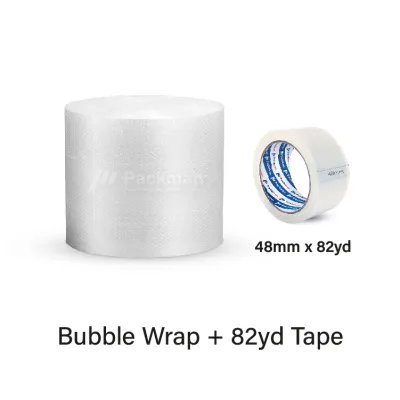
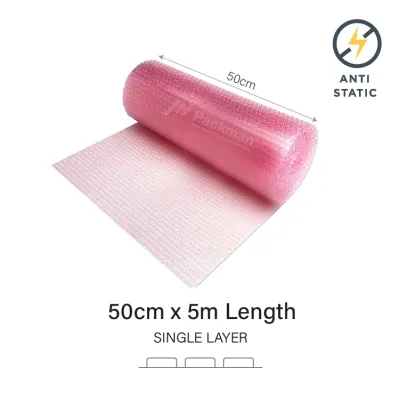
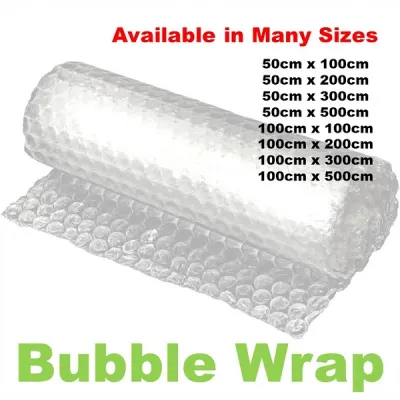
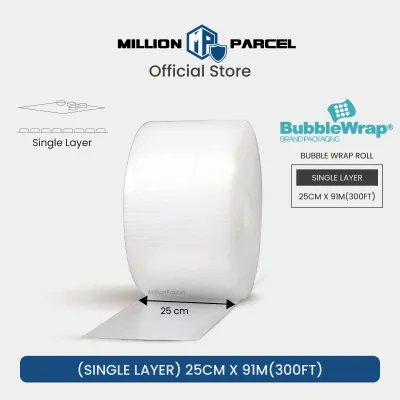
![[SG] Bubble Wrap® 10m | Foam Roll 5m | Packing Tapes – Cushioning for Packing Moving Warehouse Use](https://img.lazcdn.com/g/p/5d1b2367f552267faa5f9fe7d51ee653.jpg_400x400q80.jpg_.webp)
![91m/20m/10m BubbLest™ [FREE PENKNIFE] Bubble Packaging Material Direct Singapore Manufacturer | Clingwrap | Plasticwrap | Cling Wrap | Plastic Wrap | Bubble Roll |](https://img.lazcdn.com/g/p/118908581c7285d2410f3d4422311ca0.png_400x400q80.png_.webp)
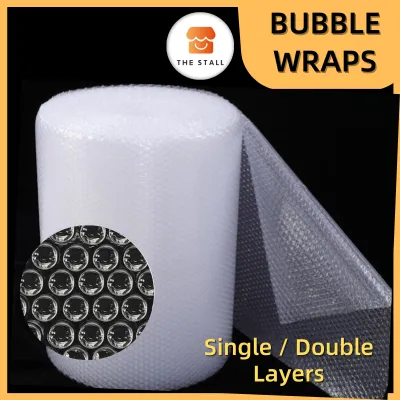
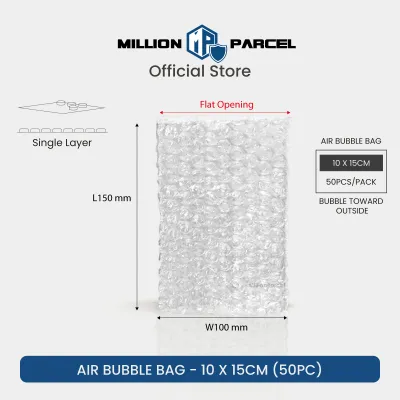
Prices are valid at publication and may change. Please refer to the product page for the latest price.
The core mechanism of bubble wrap relies on air displacement and cushioning. When an external force or impact strikes the packaging, the air inside the sealed plastic bubbles compresses, absorbing and dispersing the energy before it can reach the enclosed item. Small bubbles distribute this protective barrier across a high density of tiny contact points. This high-density distribution is excellent for preventing localized friction and minor impacts, but because each bubble contains a relatively small volume of air, they can easily “bottom out” under heavy loads.
Large bubbles contain a significantly larger volume of air per pocket, allowing them to compress much further before the plastic walls meet. This deep compression capability makes large bubble wrap highly effective at absorbing high-impact drops and sudden shocks during transit. However, because the bubbles are larger, they create fewer contact points with the item’s surface, which can lead to uneven pressure distribution if wrapped too tightly around fragile, thin-walled objects. Matching the bubble profile to your item’s weight, structural strength, and surface sensitivity is the key to preventing damage.
When to Use Small Bubble Wrap
Small bubble wrap excels in scenarios where surface protection and flexibility are the primary requirements. Lightweight, delicate items with smooth, polished, or easily scratched surfaces benefit immensely from the close-fitting barrier that small bubbles provide. For example, when packing delicate glassware, porcelain tea sets, small electronic tablets, or collectible stationery items, small bubble wrap hugs the contours of the object, preventing any shifting or rubbing that could cause surface blemishes.

The high conformability of small bubble wrap is one of its greatest practical advantages. Because the material is thin and highly flexible, you can easily wrap it around complex or intricate shapes, such as the handles of ceramic mugs, the delicate stems of wine glasses, or the sharp corners of decorative frames. It secures tightly with standard packaging tape without creating awkward, bulky folds that might prevent the item from fitting neatly into its designated box. This tight fit also minimizes the overall volume of the package, which can help manage shipping costs when using volume-based courier services.
Despite these benefits, small bubble wrap has clear physical limitations. It is not designed to support heavy objects or to absorb severe impacts from drops. If you attempt to use small bubble wrap to protect a heavy metal bookend or a large kitchen appliance, the weight of the item will quickly flatten the tiny air pockets, leaving the object virtually unprotected against shocks. For these heavier items, relying solely on small bubbles can lead to packaging failure unless you apply an excessive, inefficient number of layers.
When to Use Large Bubble Wrap
Large bubble wrap is the preferred choice when you need to protect heavy, robust, or highly fragile items that require deep cushioning. Objects such as large household appliances, framed artwork, heavy electronics, and bulky ceramic vases require a substantial buffer zone to isolate them from external impacts. The generous air volume in large bubbles acts as a heavy-duty shock absorber, keeping the item suspended and protected even if the shipping box is dropped or roughly handled during transit.
Another major application for large bubble wrap is void fill. When packing items into standard-sized moving boxes, empty spaces often remain around the goods. If left unfilled, these voids allow items to shift during transport, which is a primary cause of damage. Large bubble wrap can be quickly folded or crumpled to fill these empty pockets, securing the items in place while adding minimal weight to the overall package. This is particularly useful in urban moving scenarios, where items are frequently stacked in moving vans and subjected to sudden stops and vibrations.
However, the bulkiness of large bubble wrap introduces specific trade-offs. The large, stiff bubbles make the material far less flexible than its small-bubble counterpart. Trying to wrap a small, intricate item—such as a fountain pen or a delicate ceramic figurine—in large bubble wrap is often frustrating and ineffective, as the material cannot conform to the tight curves and leaves large, unprotected gaps. Additionally, you must check the weight of the item and the dimensions of the box; if you pack a fragile, thin-walled item too tightly with large bubble wrap, the pressure of the compressed bubbles against the box walls can actually crack the item.
Comparing Key Packing Dimensions
To help you quickly evaluate which material suits your specific packing task, it is helpful to compare their performance across key practical criteria. The table below outlines how small and large bubble wrap perform under different packing conditions, allowing you to make a balanced decision based on your item’s physical characteristics.
| Criterion | Small Bubble Wrap | Large Bubble Wrap | Verify First |
|---|---|---|---|
| Conformability | High; easily wraps around complex, intricate shapes | Low; bulky and difficult to bend around tight corners | Check if the item has protruding parts that require flexible wrapping. |
| Cushioning Depth | Shallow; best for minor surface impacts | Deep; designed for heavy shock absorption and drops | Assess the fragility and weight of the item to determine required depth. |
| Surface Scratch Risk | Very low; provides a continuous, smooth protective barrier | Moderate; large bubbles can create uneven pressure points | Verify if the item has a sensitive finish that requires a soft inner wrap. |
| Ideal Item Weight | Lightweight to medium items | Medium to heavy items | Check manufacturer guidelines for heavy or specialized equipment. |
| Void Fill Efficiency | Low; requires significant material to fill large spaces | High; quickly fills empty spaces with minimal material | Measure the remaining space in your shipping box before selecting. |
As the comparison demonstrates, neither variant is universally superior. The optimal choice depends entirely on the specific item you are packing and the hazards it is likely to encounter during transit. For instance, while small bubble wrap offers superior scratch protection, large bubble wrap is far more efficient at filling empty spaces in a large box.
How to Choose and Apply the Right Bubble Wrap
When preparing your packing materials, you can use a simple decision framework to guide your selection. Choose small bubble wrap if your item is lightweight, has a delicate surface finish, or features an intricate shape with sharp corners or handles. Choose large bubble wrap if your item is heavy, requires significant shock absorption, or if you need to fill large empty spaces inside your shipping box to prevent movement. Verify first if your item is a sensitive electronic device, as these often require specialized anti-static bubble wrap to prevent electrostatic discharge.
Once you have selected the correct bubble size, applying the material properly is crucial for maximizing its protective qualities. A common question is whether the bubbles should face inward toward the item or outward toward the box. For optimal protection, the bubbles should almost always face inward. This configuration allows the individual air pockets to grip the item securely, preventing it from slipping within the wrap, while the smooth outer plastic backing deflects external friction and makes it easier to slide the wrapped item into the box. If you are wrapping an item with an extremely sensitive or painted surface, you may want to apply a soft layer of packing paper first to prevent the plastic bubbles from leaving circular marks.
Finally, remember that bubble wrap is only one component of a complete packaging system. To ensure your items arrive safely, you must combine your chosen bubble wrap with appropriate box sizing and supplementary void fill. A perfectly wrapped item can still sustain damage if it is placed in a box that is too large, allowing it to slide around, or a box that is too small, which compresses the bubble wrap and transfers external impacts directly to the item. Always leave a buffer zone of at least two to three centimetres between the wrapped item and the inner walls of the box, filling this space with additional bubble wrap, packing paper, or foam inserts.
Frequently Asked Questions (FAQ)
Can I use both small and large bubble wrap together?
Yes, combining both sizes is an excellent technique for protecting high-value, heavy, or exceptionally fragile items. In this multi-layered approach, you should first wrap the item in small bubble wrap to provide close-fitting surface protection and scratch resistance. Once the inner layer is secure, wrap the entire bundle in a layer of large bubble wrap to provide deep shock absorption and impact resistance. This hybrid method is highly recommended for items like delicate electronics, valuable artwork, or antique porcelain, where you need to guard against both surface blemishes and heavy drops.
Does anti-static bubble wrap change the size benefits?
No, the addition of anti-static properties does not alter the physical cushioning performance of the different bubble sizes. Anti-static bubble wrap is treated with a chemical additive that prevents the buildup of static electricity, which is crucial for protecting sensitive electronic components like computer motherboards, graphics cards, and internal hard drives. The physical mechanics of the bubbles—such as conformability, air volume, and shock absorption—remain identical to standard bubble wrap. When packing electronics, always check the product specifications to ensure the wrap is certified anti-static, and select the bubble size based on the item’s weight and fragility.
How many layers of bubble wrap are needed for fragile items?
The number of layers required depends on the fragility of the item and how well it fits within the shipping box. As a general rule, a minimum of two layers of small bubble wrap is recommended for lightweight fragile items, while a single, thick layer of large bubble wrap may suffice for heavier objects. To verify if you have applied enough protection, perform a gentle shake test: once the item is wrapped and placed in the box with appropriate void fill, close the flaps and gently shake the box. If you feel or hear the item shifting inside, you need to add more layers of wrap or additional void fill to secure it completely.

Community discussion
Share your experience or ask a question. Comments are reviewed before publication.