
Choosing the right bubble wrap size is the foundation of secure packaging, ensuring your items survive the bumps and drops of transit without a scratch. The decision between small and large bubble wrap comes down to a simple rule of thumb: small bubbles excel at surface protection and wrapping lightweight items, while large bubbles are designed for heavy-duty shock absorption and filling empty space in shipping boxes. Selecting the wrong size can lead to damaged goods, either because the bubbles popped under too much weight or because they failed to cushion a delicate surface properly.
To make the right choice, you must evaluate the item’s weight, fragility, and the specific hazards it will encounter during transit. Whether you are packing household goods for a move across town, shipping products to customers from an online store, or preparing fragile items for long-term storage, understanding how these air-filled cushions perform under pressure is key to damage-free transport.
Understanding the Functional Differences
Standard small bubble wrap typically features bubbles that are 3/16-inch (approximately 4.8 mm) in height. This design creates a high density of contact points across the surface of the wrapped item. Because the bubbles are small and closely packed, they distribute pressure evenly, making this style highly effective at preventing surface abrasions, scratches, and minor scuffs. It acts like a protective skin, conforming tightly to the contours of your items.
Products mentioned in this guide
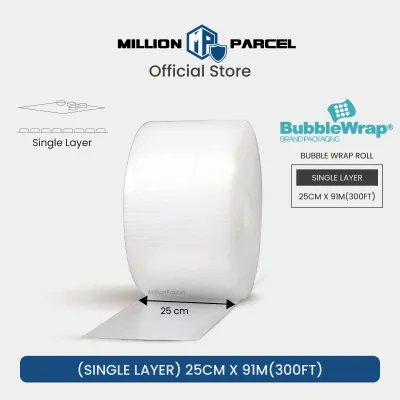
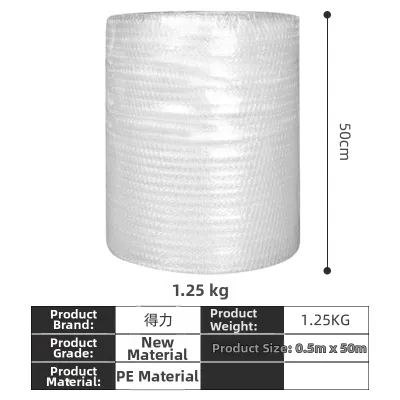
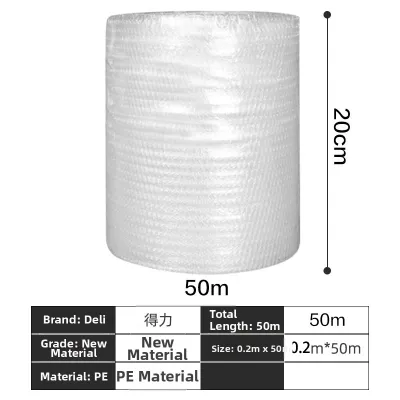
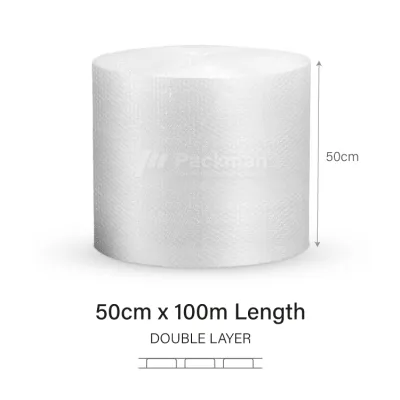
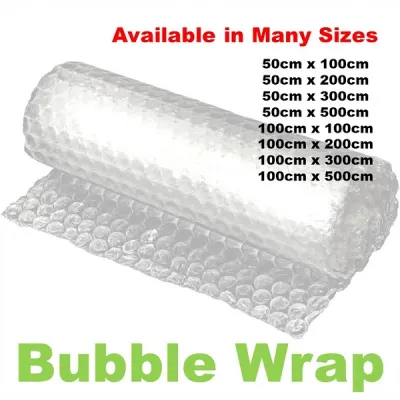
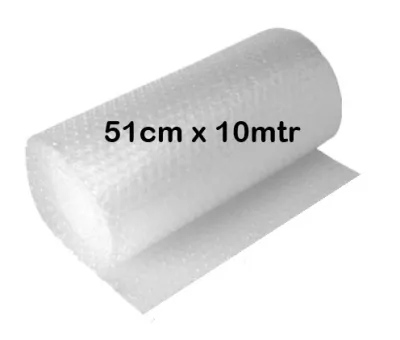
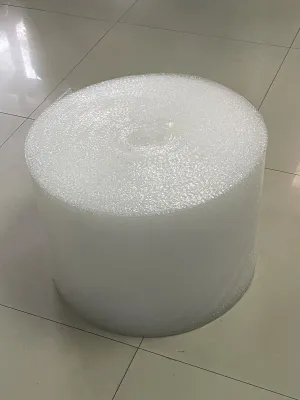
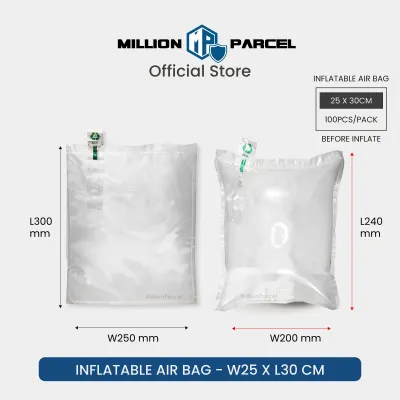
Prices are valid at publication and may change. Please refer to the product page for the latest price.
Standard large bubble wrap, on the other hand, features bubbles that are 1/2-inch (approximately 12.7 mm) in height. These deeper air pockets contain a significantly larger volume of air, which allows them to compress under heavy loads. This compression is what absorbs kinetic energy from drops, vibrations, and rough handling. Instead of distributing surface pressure, large bubble wrap acts as a physical barrier that keeps items suspended away from the walls of the shipping container.
When choosing between the two, you are essentially balancing surface protection against impact protection. Surface protection keeps polished, painted, or delicate outer layers pristine. Impact protection prevents structural breakage, cracking, or internal mechanical failure when a box is dropped or shifted violently during transit. Recognizing which hazard poses the greatest threat to your item will guide your packaging strategy.
When to Choose Small Bubble Wrap
Small bubble wrap is the ideal choice for wrapping delicate, lightweight items with sensitive surfaces. Glassware, porcelain, ceramics, polished wooden decor, framed artwork, and small consumer electronics all benefit from the close-fitting protection of small bubbles. Because the material is highly flexible, it wraps easily around intricate shapes, handles, and sharp corners without leaving large, unprotected gaps.

Another major advantage of small bubble wrap is its low profile, which keeps the overall dimensions of your packed items to a minimum. This is particularly useful when packing multiple small items into a single container, as it allows you to maximize space without sacrificing protection. For items with highly polished finishes, the dense bubble pattern ensures that no single point of the object bears the brunt of external friction.
However, small bubble wrap has distinct physical limitations. Because the air volume in each bubble is relatively low, these pockets can easily pop or flatten under sustained heavy pressure. If you attempt to wrap a heavy metal tool, a large appliance, or a bulky piece of furniture in small bubble wrap, the weight of the item will likely crush the bubbles during transit. Once the bubbles are deflated, the protective barrier is gone, leaving your item vulnerable to damage.
When to Choose Large Bubble Wrap
Large bubble wrap is designed for scenarios that require robust cushioning and heavy-duty shock absorption. It is the preferred choice for packing heavy hardware, large household appliances, bulky furniture edges, large ceramic pots, and irregularly shaped tools. The deep air pockets provide a thick, resilient buffer that can withstand substantial weight without collapsing, ensuring that heavy items remain cushioned even during rough transit.
In addition to direct wrapping, large bubble wrap serves as an excellent material for filling empty space inside shipping boxes, a practice known as void fill. When shipping items in standard-sized boxes, any remaining empty space allows the contents to slide and shift. This movement is a primary cause of transit damage. Placing sheets of large bubble wrap in these empty spaces locks the items securely in place, preventing them from colliding with the box walls or other contents.
Using large bubble wrap for void fill is also highly efficient. Because each bubble occupies a significant amount of space, you need fewer layers of material to secure a box compared to using crumpled paper or small bubble wrap. This helps keep the overall weight of your package low, which can reduce shipping costs. However, keep in mind that large bubble wrap is less flexible, making it difficult to wrap tightly around very small or intricately detailed objects.
Item-by-Item Packing Guide and Comparison
To help you quickly determine the best packaging material for your needs, refer to the comparison table below. This matrix maps common household and e-commerce items to their recommended bubble size and primary protection goals.
| Item Category | Recommended Bubble Size | Primary Protection Goal | Verification Check |
|---|---|---|---|
| Kitchenware (Plates, wine glasses, bowls) | Small Bubble Wrap | Scratch prevention and edge protection | Ensure bubbles face inward and wrap is secured tightly with tape. |
| Books & Media (Hardcovers, vinyl records) | Small Bubble Wrap | Corner protection and moisture barrier | Wrap corners twice to prevent denting during transit. |
| Small Electronics (Tablets, smartphones) | Small Bubble Wrap (Anti-Static) | Surface protection and static prevention | Verify the wrap is rated anti-static (typically pink) to protect internal circuits. |
| Heavy Hardware (Tools, metal parts) | Large Bubble Wrap | Shock absorption and puncture resistance | Pre-pad sharp edges with cardboard before wrapping to prevent popping. |
| Large Furniture (Tablets, chair legs) | Large Bubble Wrap | Corner cushioning and impact protection | Secure the wrap with packing tape, ensuring tape does not touch finished wood. |
| Vases & Sculptures (Fragile, irregular shapes) | Both (Combination) | Comprehensive surface and impact protection | Wrap first with small bubbles for surface safety, then add an outer layer of large bubbles. |
Before finalizing your packaging, always perform a quick verification check. If you are shipping high-value items or electronics, check the manufacturer’s original packaging guidelines if available. Some items may require specific anti-static materials or custom-molded foam inserts to meet warranty or safety standards. For extremely fragile items, a combination of both bubble sizes often yields the safest results.
Essential Packing Techniques for Maximum Protection
Regardless of the bubble size you select, applying the material correctly is crucial for ensuring maximum protection. The most important rule of bubble wrap packing is the “bubble side in” rule. The raised bubbles should always face inward, resting directly against the surface of the item you are wrapping. This orientation allows the individual air pockets to grip the object, preventing it from sliding within the wrap, while the smooth outer plastic layer resists external friction and makes it easier to slide the wrapped item into a box.
Once the item is wrapped, secure the bubble wrap with high-quality packing tape to prevent it from unrolling or shifting during transit. Be careful not to apply adhesive tape directly to the surface of your items, especially on delicate finishes like varnished wood, leather, or painted canvas. The adhesive can leave a sticky residue or even pull away the finish when the tape is removed. Instead, tape the bubble wrap to itself to create a secure, self-contained sleeve.
Finally, pay close attention to box sizing and internal movement. Choose a shipping box that allows at least two inches of space on all sides of the wrapped item. Once the item is placed inside, fill any remaining gaps with additional large bubble wrap, crumpled packing paper, or foam inserts. Before sealing the box, perform a gentle shake test. If you can hear or feel the item shifting inside, open the box and add more void fill until the contents are completely stationary.
In humid climates, such as Singapore, cardboard boxes can absorb moisture from the air, which temporarily weakens their structural integrity. When storing or shipping items in these conditions, wrapping your goods completely in plastic bubble wrap provides an essential moisture barrier, protecting paper, wood, and metal components from humidity-related damage.
Frequently Asked Questions (FAQ)
Can I mix small and large bubble wrap in the same box?
Yes, combining both sizes is an excellent strategy for high-value or highly fragile items. Use small bubble wrap as the primary layer to protect the item’s delicate surfaces from scratches and minor friction. Then, wrap a secondary layer of large bubble wrap around the outside to provide robust shock absorption against heavy impacts. This dual-layer approach is particularly useful when shipping items internationally or moving fragile household goods across Singapore.
Does the bubble side face in or out?
For almost all standard packing scenarios, the bubbles should face inward toward the item. This orientation ensures that the air pockets can conform to the item’s shape and provide localized cushioning. The smooth outer side of the wrap makes it easier to slide the wrapped item into a box and prevents the bubbles from catching on other items or the box walls, which could cause them to pop.
Is bubble wrap enough for shipping heavy electronics?
While bubble wrap is an essential component of electronics packaging, it is rarely sufficient on its own for heavy or highly sensitive devices like desktop computers, monitors, or audio amplifiers. These items require a rigid, double-walled corrugated box to withstand external pressure. Additionally, you should use anti-static bubble wrap to prevent electrostatic discharge from damaging internal circuits, and combine it with molded foam corner protectors to keep the heavy chassis from shifting and crushing the air bubbles during transit.
Community discussion
Share your experience or ask a question. Comments are reviewed before publication.