
Choosing between small and large bubble wrap depends on what you are packing. Small bubble wrap excels at protecting delicate surfaces from scratches and wrapping tightly around small, lightweight items. Large bubble wrap provides deep shock absorption and fills empty spaces in boxes to keep heavy, bulky items from shifting. Matching the bubble size to your item’s weight, fragility, and surface texture ensures your belongings survive transit undamaged.
Understanding Bubble Wrap Specifications: Size and Thickness
Bubble wrap is defined by two primary physical characteristics: bubble diameter and film thickness. Small bubbles typically measure around 10mm in diameter, while large bubbles are usually 25mm or more. This physical size directly dictates how the material behaves under pressure. Small bubbles distribute pressure across a wider surface area, making them excellent for surface-level defense. Large bubbles contain a greater volume of air, which acts as a deeper cushion to absorb heavy impacts.
Beyond bubble diameter, the thickness of the plastic film determines the durability of the air pockets. Thicker films resist popping under heavy loads and maintain their cushioning capacity longer. When evaluating rolls at a local stationery store or online marketplace, look for heavy-duty or multi-layer labels if you are packing heavy items. Standard-grade wrap works well for lightweight household goods, but layering thinner wrap can also build up necessary protection without adding significant weight to your shipping carton.
Products mentioned in this guide
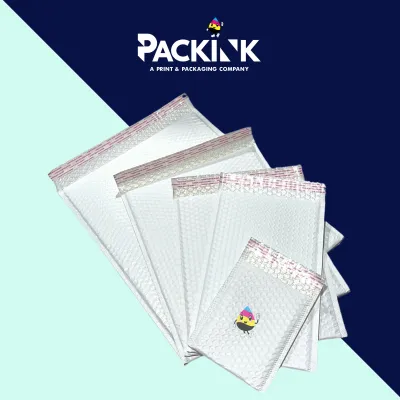
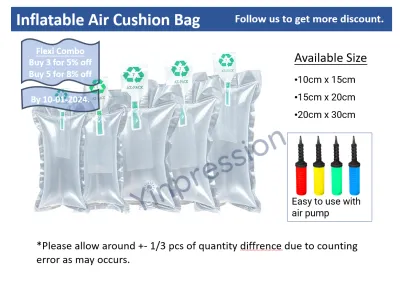
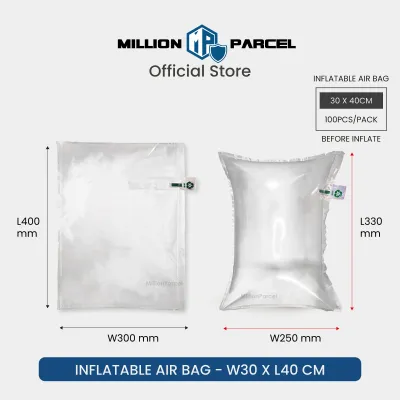
Prices are valid at publication and may change. Please refer to the product page for the latest price.
When to Use Small Bubble Wrap for Packing
Small bubble wrap is the go-to choice for items that require close-fitting surface protection. It is highly flexible, allowing it to conform tightly to irregular shapes, sharp corners, and delicate protrusions. This makes it ideal for packing glassware, ceramics, small electronics, and books. Because the bubbles are small and closely spaced, they prevent flat surfaces from rubbing against each other, which is crucial for preventing scratches on polished wood, metal, or glass.

Another major advantage of small bubble wrap is its ability to secure small, loose components. Wrapping individual parts of a disassembled item prevents them from clashing inside the box. However, small bubble wrap has clear limitations. Because the air pockets are shallow, they cannot absorb the high-impact energy of a heavy box being dropped or stacked. If you use small bubble wrap to pack a heavy kitchen appliance, the bubbles are likely to pop under the weight, leaving the item unprotected. It is also an inefficient choice for filling large empty spaces inside a shipping carton.
When to Use Large Bubble Wrap for Packing
Large bubble wrap is designed for heavy-duty shock absorption and space management. The large, air-filled pockets act as robust shock absorbers that cushion heavy, bulky, or highly fragile items during transit. It is the preferred material for packing large electronics, framed artwork, mirrors, and heavy kitchenware. The substantial air volume in each bubble creates a thick barrier that keeps items suspended away from the walls of the shipping box.
In addition to cushioning, large bubble wrap serves as an excellent void filler. When packing a box, any empty space allows items to shift, which is a primary cause of transit damage. Stuffing large bubble wrap into these gaps locks the items securely in place. The main limitation of large bubble wrap is its lack of flexibility. It cannot wrap tightly around small or intricately shaped objects, often leaving gaps where dust or friction can cause surface scratches. Additionally, storing unused rolls of large bubble wrap requires a significant amount of physical space in your home or office.
How to Combine Bubble Sizes for Maximum Protection
For high-value or extremely fragile items, combining both bubble sizes offers a comprehensive protection strategy. The layering logic is straightforward: use small bubble wrap as the inner layer and large bubble wrap as the outer layer. The inner layer of small bubbles conforms tightly to the item’s shape, protecting delicate surfaces from scratches and securing fine details. The outer layer of large bubbles provides the heavy shock absorption needed to withstand external impacts and drops.
This dual-layer method is highly effective for shipping items like delicate porcelain figurines, high-end electronics, or antique glassware. However, packers must weigh the trade-offs in material cost and box space. Using multiple layers of different wraps increases the overall packaging cost in S$ and requires a larger outer carton, which may increase shipping fees. Reserve this technique for items where the replacement cost or sentimental value far outweighs the extra packaging expense.
Practical Packing Checklist and Material Verification
Before sealing your boxes, perform a quick quality check to ensure your packing materials will perform as expected. First, inspect the bubble wrap itself. Run your hands over the roll to check for deflated, punctured, or degraded bubbles; flat bubbles offer zero protection and must be discarded. Next, verify that your packing tape is designed for shipping and that your cardboard box is rated for the total weight of your packed items.
Once the items are wrapped and placed in the carton, perform a gentle shake test before taping the box shut. If you feel or hear anything shifting inside, open the box and add more void fill—such as large bubble wrap or crumpled paper—until the contents remain completely stationary. Finally, ensure the box flaps seal flat without bulging, which can compromise the structural integrity of the carton when stacked.
Frequently Asked Questions (FAQ)
Does the side of the bubble wrap matter when packing?
Yes, the orientation of the bubbles is important for maximizing protection. As a general rule, the bubbles should face inward, directly touching the item you are packing. This allows the individual air pockets to cradle the object and absorb shocks directly at the point of contact. Facing the flat side outward also makes it easier to tape the wrap securely and prevents the bubbles from catching or popping on the edges of the outer box.
Can I reuse bubble wrap for packing fragile items?
You can reuse bubble wrap, but you must inspect its condition carefully first. Squeeze the bubbles to ensure they still hold air and resist pressure. If a significant portion of the bubbles are popped, flat, or have lost their elasticity, the wrap will no longer provide adequate cushioning. Discard degraded wrap or reserve it only for non-fragile scratch protection, and always use fresh, fully inflated bubble wrap for highly valuable or delicate items.

Community discussion
Share your experience or ask a question. Comments are reviewed before publication.