
Finding the right slim notebook is not about picking the most expensive brand; it is about matching the paper’s physical characteristics to the specific ink chemistry of your preferred writing instrument. Because a slim notebook must prioritize a compact profile, manufacturers must make deliberate trade-offs between paper thickness, page count, and surface treatment. A notebook that performs beautifully with a dry ballpoint pen might feather and bleed when paired with a wet fountain pen, while paper optimized for liquid ink might cause slow drying times and smudging for gel pen users.
To make an informed decision, you must look beyond marketing buzzwords like “premium” or “fountain-pen friendly.” Instead, evaluating specifications such as paper weight, surface sizing, and binding construction will help you predict exactly how a notebook will handle your daily writing tools. By understanding these technical attributes, you can select a portable companion that fits seamlessly into your pocket or bag without compromising your writing experience.
Understanding Paper Specs for Slim Notebooks
Choosing a slim notebook requires a basic understanding of how paper is manufactured and specified. The most common metric you will encounter is GSM, which stands for grams per square meter. This measurement indicates the weight and, by extension, the thickness of the paper. In the realm of slim notebooks, where portability is paramount, GSM typically ranges from a very light 52 gsm to a more substantial 100 gsm. While a higher GSM generally provides greater opacity and resistance to ink ghosting, it also increases the physical thickness of the notebook, reducing the number of pages that can be bound together without making the book bulky.
Products mentioned in this guide
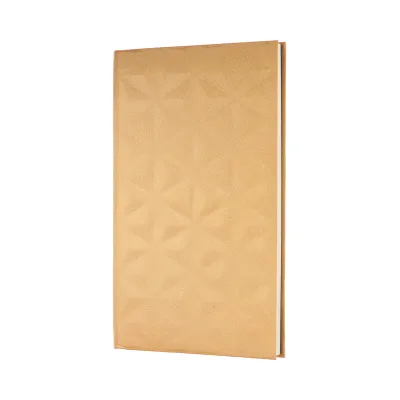
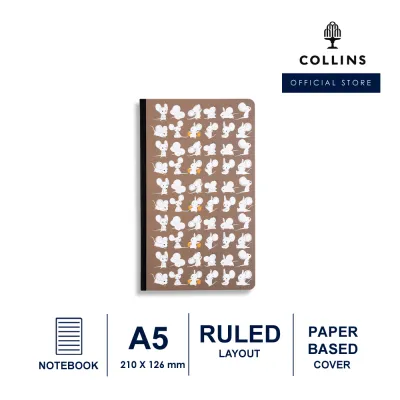
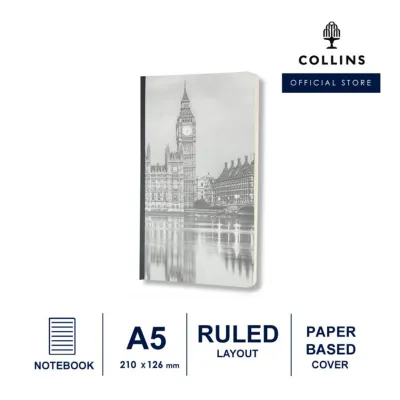
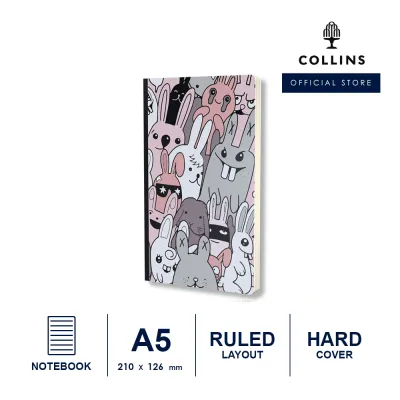
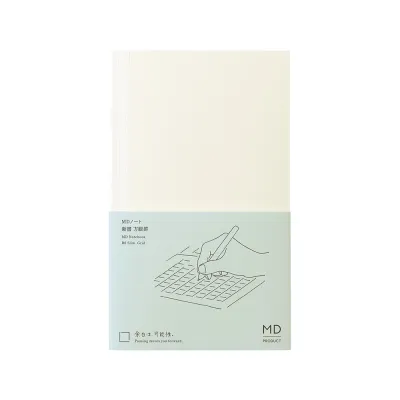
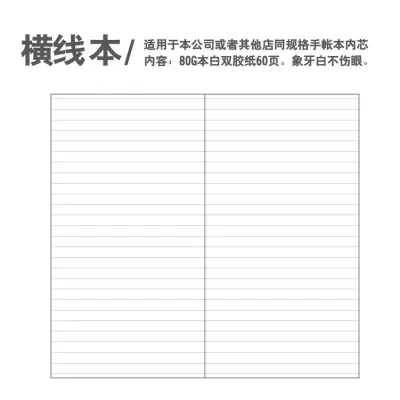

Prices are valid at publication and may change. Please refer to the product page for the latest price.
Another critical factor is the presence of surface sizing or coatings. Sizing refers to chemical additives applied during the papermaking process to regulate how much liquid the paper absorbs. Highly sized or coated papers resist liquid penetration, forcing ink to sit on top of the surface and dry via evaporation. This characteristic keeps lines sharp and prevents feathering, but it significantly extends drying times. Conversely, uncoated papers lack these protective barriers, allowing ink to soak rapidly into the paper fibers. While this results in near-instant drying, it increases the risk of the ink spreading outward or bleeding through to the other side of the page.
For slim notebooks, these specifications represent a delicate balancing act. To maintain a sleek, pocket-friendly profile, manufacturers must carefully calibrate the paper weight against the total page count. A notebook featuring 100 gsm paper will naturally have fewer pages than one featuring 68 gsm paper if they are to maintain the same overall thickness. Understanding these trade-offs allows you to prioritize what matters most for your daily carry, whether that is a high page count or a robust paper surface that can handle heavy ink flow.
Matching Paper Types to Your Writing Instrument
To achieve a satisfying writing experience, you must match the physical properties of the paper to the specific ink delivery system of your pen. Different pens interact with paper fibers in distinct ways, meaning a notebook that feels excellent with one tool may perform poorly with another.

Ballpoint pens utilize a thick, oil-based ink that relies on physical friction to roll the ball tip smoothly across the page. For these instruments, standard-weight, uncoated paper ranging from 64 gsm to 80 gsm is highly suitable. The natural texture, or “tooth,” of uncoated paper provides the necessary grip for the ballpoint mechanism to rotate properly, preventing skipping and uneven ink laydown. Because oil-based ink dries almost instantly and does not easily penetrate deep into paper fibers, you do not need heavy sizing or high paper weight to prevent bleed-through, allowing you to opt for ultra-slim notebooks with high page counts.
Gel pens use water-based gel inks that flow much more freely than ballpoint inks, producing vibrant, highly saturated lines. However, this generous ink flow means the writing remains wet on the page for longer, making smudging a constant concern, particularly during rapid note-taking. For gel pens, a lightly coated or smooth, medium-weight paper between 70 gsm and 90 gsm offers an ideal compromise. The smooth surface allows the gel tip to glide effortlessly without catching, while the moderate absorption rate helps the water-based ink dry quickly enough to prevent accidental smearing.
Fountain pens deposit a relatively large volume of liquid, water-based ink onto the paper surface. To prevent this ink from feathering into fuzzy lines or bleeding through to the next page, you require paper with excellent surface sizing. While a higher paper weight of 80 gsm to 100 gsm provides a physical barrier against bleed-through, specialized lightweight papers around 52 gsm to 68 gsm can also handle fountain pen ink beautifully if they are heavily sized. The primary trade-off with these highly sized papers is a longer drying time, as the ink must dry on the surface rather than soaking into the page.
To guide your selection, you can apply a simple conditional framework based on your primary writing tool:
Choose a 64 gsm to 80 gsm uncoated, textured paper profile if you write primarily with standard ballpoint pens or fine-point pencils, value immediate drying times, prefer a tactile feel while writing, and want the slimmest possible notebook profile with a high page count.
Choose a 70 gsm to 90 gsm lightly coated, smooth paper profile if your daily driver is a gel pen or a fine-liner, you need a balance between smooth gliding and quick drying to prevent smudges, and you want to minimize ghosting without carrying a heavy notebook.
Choose an 80 gsm to 100 gsm heavily sized (or specialized lightweight sized) paper profile if you write with fountain pens, rollerballs, or broad-tip markers, require crisp line definition without feathering, do not mind waiting a few seconds for ink to dry, and accept either a lower page count or a slightly thicker notebook profile.
How to Test and Verify Paper Quality In-Store or Online
When manufacturer specifications are vague or unavailable, you can use practical evaluation methods to determine if a slim notebook will meet your needs. If you are shopping in physical stationery stores in Singapore, look for open display samples that allow for hands-on inspection. Hold a single page up to the overhead lighting to evaluate its opacity; if you can clearly see the outline of your hand or the text on the page behind it, the paper is highly likely to exhibit noticeable ghosting. Run your fingertips gently across the page to feel the texture; a glassy, ultra-smooth surface indicates a coated or highly sized paper, while a slight roughness suggests an uncoated, more absorbent paper.
If a test sheet or sample notebook is provided, perform a structured swatch test using your own writing instruments. Draw a solid block of ink, write a few quick sentences, and draw a series of intersecting lines. Observe how long the ink takes to dry by gently tapping it with a clean finger at five-second intervals. Check the edges of your written lines under good light; if the ink has spread outward into the paper fibers, the paper lacks sufficient sizing. Finally, turn the page over to inspect the reverse side for ghosting and actual bleed-through, which indicates whether you can comfortably write on both sides of each sheet.
When purchasing online where physical testing is impossible, you must read user reviews critically. Avoid relying on generic statements like “great quality paper” or “feels premium,” as these are highly subjective and do not account for different ink types. Instead, search reviews for specific keywords matching your writing tools, such as “fountain pen friendly,” “no feathering with gel pens,” or “ghosting with 0.5mm black ink.” Pay close attention to reviews that mention the specific nib sizes and ink brands used, as a paper that handles an extra-fine nib perfectly may fail when paired with a wet medium nib.
Evaluating Slim Notebook Construction and Portability
Beyond the paper quality itself, the physical construction of a slim notebook determines its daily usability and durability. The binding method is particularly critical, as it dictates how comfortably you can write across the entire width of the page. Thread-sewn bindings, often referred to as Smyth-sewn, are highly durable and allow the notebook to lay completely flat on a desk. This lay-flat capability is essential for maximizing the usable writing area in a compact format, ensuring you do not have to fight the spine of the book while writing near the inner margins. Glued or perfect bindings are common in budget-friendly options but can be stiff, forcing you to hold the pages down and risking page detachment over time.
The cover material also plays a vital role in protecting the pages from the hazards of daily transit. Heavy cardstock covers offer a classic, lightweight feel but can easily crease or fray at the corners when tossed into a backpack or tote bag. Synthetic covers, such as polyurethane or flexible plastics, provide excellent water resistance and durability against spills and humidity, making them ideal for commuting. Leatherette or genuine leather covers offer a professional aesthetic and long-term durability, though they add slightly more weight and thickness to the overall profile of the notebook.
Ultimately, selecting a slim notebook requires balancing total page count with the physical thickness of the book. A notebook that is too thin may run out of pages too quickly, requiring frequent replacements, while one that is too thick defeats the purpose of a streamlined everyday carry. Look for notebooks that optimize this ratio by using high-density, lightweight papers that pack more writing surface into a thinner spine, ensuring your notebook remains a practical, unobtrusive tool in your daily routine.
Frequently Asked Questions (FAQ)
Does higher GSM always guarantee no bleed-through for fountain pens?
No, a higher GSM does not automatically guarantee that paper will resist bleed-through from fountain pens. Bleed-through is primarily controlled by the paper’s surface sizing and fiber density rather than its raw weight. A highly absorbent 100 gsm sketch paper may bleed heavily because it is designed to drink in dry media, whereas a highly sized 52 gsm paper can handle wet fountain pen ink beautifully without any bleed-through. Additionally, choosing excessively high GSM paper for a slim notebook will make the book unnecessarily thick and heavy, compromising the portable, low-profile design that makes a slim notebook desirable.

Community discussion
Share your experience or ask a question. Comments are reviewed before publication.