
Selecting the correct size of shopping plastic bags is a balancing act between product protection, presentation, and cost efficiency. To find the perfect fit, you must measure your product’s maximum length, width, and height, then add a calculated allowance for the bag’s seams and closure. Choosing a bag that is too small leads to split seams and damaged goods, while an oversized bag looks unprofessional and increases shipping costs. By mastering a few simple measurement formulas and understanding how different bag features affect internal capacity, you can streamline your packing process and ensure your items arrive safely.
How to Measure Products for Accurate Bag Sizing
To determine the minimum dimensions for your shopping plastic bags, start by measuring your product in its fully packed state. If you are shipping apparel, fold the item exactly as it will sit inside the bag. Use a firm ruler or measuring tape to record the maximum length, width, and thickness of the item.
For standard flat plastic bags, the thickness of the product directly reduces the available width and length of the bag. To calculate the minimum required bag width, add the product’s width to its thickness, then add a safety margin of at least 20mm to 30mm. This margin ensures the item can slide into the bag smoothly without catching or stretching the plastic.
Products mentioned in this guide
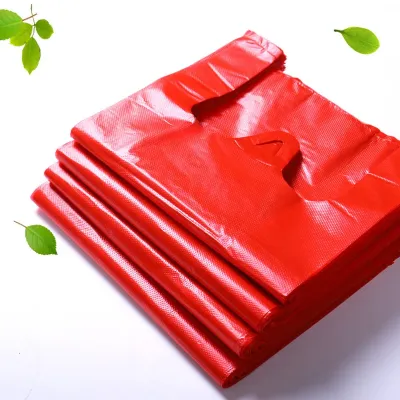

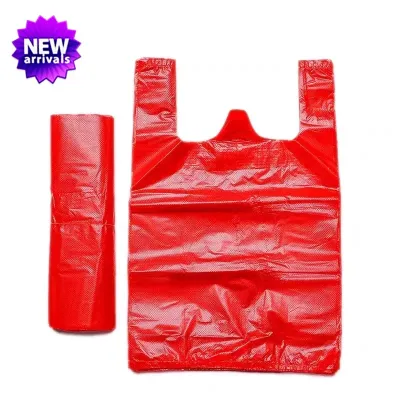
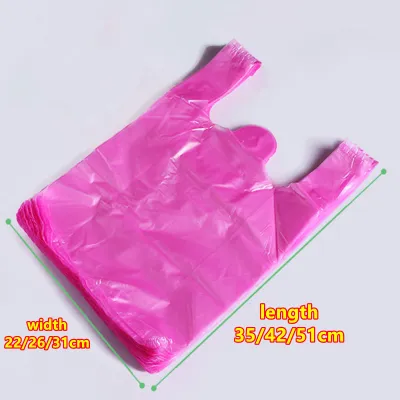
Prices are valid at publication and may change. Please refer to the product page for the latest price.
To calculate the minimum required bag length, add the product’s length to its thickness, then add the sealing flap length and a safety margin of 10mm to 20mm. The sealing flap, which typically houses the adhesive strip, must be excluded from the usable length calculation, as it folds over the exterior of the bag to secure the opening.
Folding methods play a critical role in optimizing space. For example, rolling garments tightly instead of folding them flat can significantly reduce their thickness, allowing you to use narrower bags. Experimenting with different folding configurations helps find the most compact footprint, which reduces packaging material costs and helps lower dimensional weight charges from local courier services.
Matching Shopping Plastic Bags to Product Categories
Different product categories demand distinct sizing strategies to ensure a professional presentation and secure transit.

For clothing and apparel, fabric bulk and seasonal variations are the primary challenges. A lightweight summer t-shirt requires a much smaller and thinner bag than a heavy winter knit or denim jacket. When packing compressible items like sweaters, the bag must accommodate the initial loft of the fabric before it is compressed during sealing. If the bag is too tight, the trapped air will put immense pressure on the seams, risking a blowout during transit.
Accessories and small goods, such as leather wallets, boxed cosmetics, or delicate stationery items like notebooks and planners, are rigid or semi-rigid. Because these items cannot bend or compress, your measurements must be highly precise. When packing paper-based stationery, ensure the plastic bag is completely flat and rigid enough to prevent the corners of the notebooks from bending.
The bag must also offer excellent water resistance to protect paper goods from high humidity and sudden tropical downpours during delivery. You can verify water resistance by placing a sample bag under a light spray to ensure no moisture penetrates the sealed edges.
Fragile or bulky items, such as ceramic mugs, framed art, or multi-piece gift sets, require specialized packaging. Standard flat plastic bags are generally insufficient for these three-dimensional shapes. Instead, look for gusseted plastic bags or padded bubble mailers. Padded bags provide built-in cushioning that absorbs shocks, while gusseted bags expand to form a box-like structure that matches the contours of bulky items without putting stress on the corners.
Bag Features That Change Usable Internal Space
The stated dimensions of a plastic bag on a manufacturer’s spec sheet do not always represent the actual usable internal space. Several design elements alter how much a bag can hold.
Gussets are folds pressed into the sides or bottom of a bag that allow it to expand. A side-gusseted bag remains flat when empty but opens up wide to accommodate thick, boxy items. When calculating sizes for gusseted bags, the usable width is effectively increased by the depth of the gusset, allowing you to pack larger items without upgrading to a wider flat bag.
The type of closure mechanism also consumes valuable bag length. Self-adhesive peel-and-seal strips, ziplock tracks, and heat-sealable tops all require dedicated space at the opening. For instance, a ziplock bag’s usable length ends just below the zipper track, which typically sits 15mm to 25mm below the top edge of the bag. Always verify whether the manufacturer’s listed length includes or excludes this sealing area.
Material thickness, measured in microns or mils, determines the bag’s strength and flexibility. Thicker plastic bags (typically 50 microns or higher) offer superior puncture resistance, making them essential for items with sharp corners, such as metal accessories or hardbound books. Thinner bags are more flexible and cost-effective for soft goods but may stretch or tear if loaded with heavy or angular products. When selecting bags, perform a manual stretch test on a sample to observe how the material behaves under tension.
Common Sizing Mistakes to Avoid When Ordering
Avoiding common sizing errors can save your business significant time and money while protecting your brand’s reputation.
One of the most frequent mistakes is ordering bags that fit too tightly. While trying to minimize packaging waste is admirable, a tight fit slows down the packing process as staff struggle to slide items inside. This friction can damage delicate product packaging or cause the bag’s side seams to split. In a busy fulfillment environment, the extra seconds spent forcing items into tight bags quickly add up to increased labor costs.
Conversely, using excessively large bags is equally problematic. Oversized packaging allows products to slide around freely, increasing the risk of scuffing or damage. It also presents an untidy, unprofessional image to customers upon unboxing. Furthermore, shipping larger bags than necessary can lead to higher courier fees, as many logistics providers calculate shipping rates based on volumetric weight rather than actual weight. Saving even S$0.20 per package by optimizing your bag size can lead to substantial savings over hundreds of orders.
Lastly, ignoring the lip or flap length required for proper sealing can render an entire batch of bags unusable. If you do not account for the fold-over flap, you may find that the adhesive strip cannot reach the opposite side of the bag once the product is inserted. Always ensure the adhesive backing is easy to peel, does not leave a sticky residue on hands, and check that the glue forms a permanent, tamper-evident bond within seconds of application.
Frequently Asked Questions (FAQ)
How do I size a plastic bag for an irregularly shaped product?
To size a bag for an irregular or non-rectangular item, use the bounding box method. Imagine the product is enclosed in a tight rectangular box, and measure the maximum length, width, and height of that imaginary box. Use these maximum dimensions in your standard sizing formulas. For highly uneven items, such as plush toys or molded plastic goods, gusseted bags are highly recommended, as their expanding sides conform more naturally to irregular shapes without creating awkward, empty corners that are prone to catching and tearing.
Should I size up if I plan to include marketing inserts or thank-you cards?
Yes, you should always account for any secondary items, such as thank-you cards, product catalogs, or promotional stickers, when calculating your bag size. Stack these inserts directly on top of your primary product and measure the combined height of the entire bundle. If the inserts are wider than the main product, use the width of the inserts as your base measurement. Ensuring the bag can comfortably accommodate the entire stack prevents the plastic from stretching tightly over the inserts, which could otherwise bend your marketing materials or compromise the bag’s seal.

Community discussion
Share your experience or ask a question. Comments are reviewed before publication.