
Choosing the correct packaging size is a critical step for any online business, home creator, or administrative professional. To select the right self-adhesive plastic shipping bag, you must calculate the product’s three-dimensional volume rather than relying solely on flat dimensions. The ideal bag provides a snug fit with a small margin of 1 to 2 cm, ensuring the self-adhesive seal closes securely without stretching the plastic.
Using a self adhesive plastic mailer that is too small leads to split seams and exposed goods, while an oversized bag increases shipping costs and looks unprofessional. By mastering a few basic measurement techniques and understanding how different product categories behave in transit, you can streamline your packing process, protect your inventory, and eliminate unnecessary packaging waste.
How to Measure and Calculate the Correct Self Adhesive Plastic Bag Size
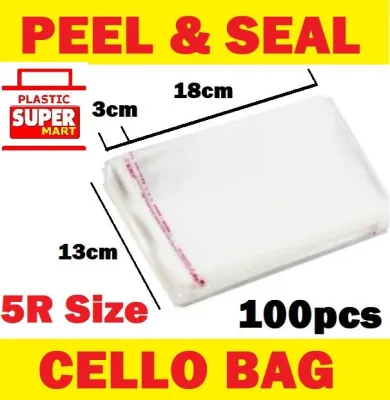
Many shippers make the mistake of comparing a product’s flat length and width directly to the flat dimensions of a shipping bag. When a flat bag is filled with a three-dimensional object, the object’s thickness pulls the front and back sheets of plastic together. This geometric reality significantly reduces both the usable width and the usable length of the bag.
Products mentioned in this guide
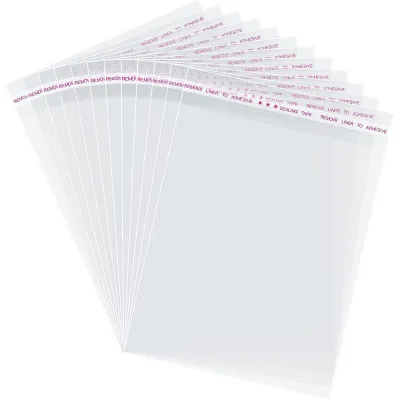
![[SG] Free 1 pack |Transparent Self Adhesive Opp Bag | Transparent Plastic Bag with Seal | Self Adhesive Plastic Bag](https://img.lazcdn.com/g/p/dd5be533ffa418c574e3b7f6c8d3c8fa.png_400x400q80.png_.webp)
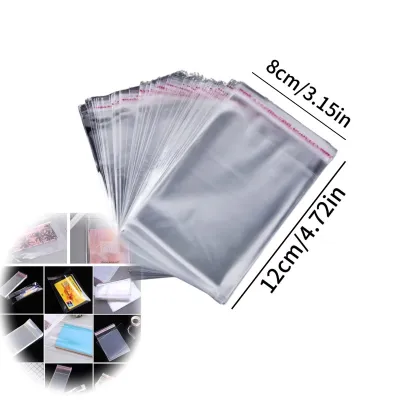
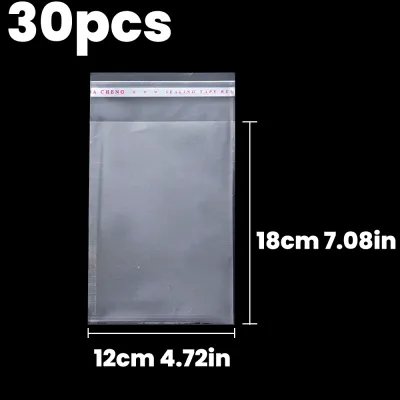
Prices are valid at publication and may change. Please refer to the product page for the latest price.
To find the correct bag dimensions, you must use a standard formula that accounts for the thickness of your item. Measure the maximum length, width, and thickness of your product at its widest points. Once you have these measurements, apply the following calculations:
- Minimum Bag Width = Product Width + Product Thickness + 2 cm (Safety Margin)
- Minimum Bag Length = Product Length + Product Thickness + 2 cm (Safety Margin)
For example, if you are shipping a rectangular book that is 20 cm wide, 25 cm long, and 3 cm thick, your calculations would look like this:
- Required Width: 20 cm + 3 cm + 2 cm = 25 cm
- Required Length: 25 cm + 3 cm + 2 cm = 30 cm
Therefore, you would need a bag with minimum internal dimensions of 25 x 30 cm.
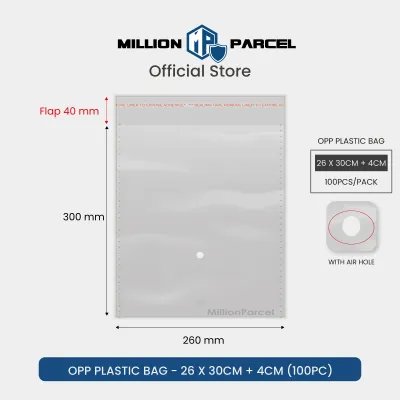
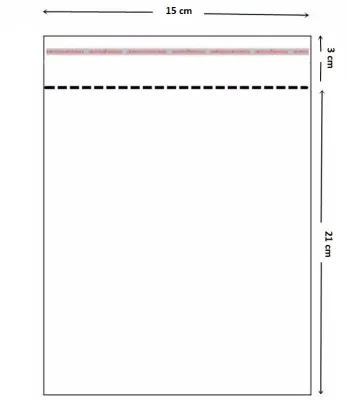
When calculating the required length, always pay close attention to the self-adhesive flap, often referred to as the lip. The flap is the extra strip of plastic at the top of the bag where the adhesive glue is applied. This flap folds over the opening to seal the bag and does not contribute to the internal usable length. If a manufacturer lists a bag as 25 x 30 cm with a 4 cm flap, the actual usable length of the bag is 30 cm, while the total flat length of the plastic sheet is 34 cm. Always check the manufacturer’s specification sheet to confirm whether the listed length includes or excludes this sealing flap.
Additionally, consider whether your product can be safely folded, rolled, or compressed. Soft items like clothing, textiles, or plush pencil cases can be tightly folded to reduce their overall footprint, allowing you to use a smaller bag. Conversely, rigid stationery items like hardback planners, acrylic desk organizers, or wooden rulers cannot be compressed. These rigid items require precise measurements and a slightly larger safety margin to prevent their hard edges from placing excessive stress on the plastic seams.
Size Matching Guide by Product Category
Matching your inventory to standard bag sizes streamlines your daily fulfillment workflow. Different types of products present unique packaging challenges, from maintaining flat edges to accommodating bulky volumes.

Stationery, Documents, and Flat Items
When shipping thin, flat, or easily bendable items like sticker sheets, art prints, notebooks, and documents, the primary goal is to prevent creases and minimize excess material. Standard paper formats serve as an excellent baseline for selecting your bag sizes. For instance, standard A5 notebooks or small sticker sheets fit comfortably in a 17 x 25 cm bag, while A4 documents, folders, and standard magazines typically require a 25 x 35 cm bag.
To protect flat items from bending, it is common practice to insert a rigid piece of cardboard backing alongside the product. When doing this, remember to calculate your bag size based on the dimensions of the cardboard backing, which is usually slightly larger than the product itself. You must add a minimal margin of at least 1 cm to the sides to prevent the sharp, rigid corners of the cardboard or notebook covers from slicing through the plastic side welds during transit.
Using an oversized bag for flat items introduces significant risks. If there is too much empty space, the product will slide around constantly inside the package. When local courier sorting machines process loose, floppy bags, the empty sections of the plastic can easily get caught in rollers or conveyor belts. This can result in the bag being stretched, torn, or crumpled, ultimately damaging the flat items inside.
Bulky and Irregularly Shaped Items
Bulky, three-dimensional, or oddly shaped items—such as plush pencil holders, multi-item stationery gift sets, or boxed desk accessories—consume a massive amount of a bag’s flat width and length. This is known as the “girth” effect. When a flat bag wraps around a thick object, the plastic must stretch across the item’s height, which rapidly pulls the sides inward and shortens the available length.
To determine if a bulky item will fit, you can use the girth formula. Calculate the product’s girth by adding its width and height together, then multiplying by two. The flat width of your shipping bag must be larger than half of this total girth, plus a safety margin. If you find that your bulky item requires a bag that is stretched to its absolute limit, it is highly recommended to size up to the next standard bag dimension.
There are clear limits to when you should stop using self-adhesive plastic bags and switch to corrugated cardboard boxes. If an item is highly rigid, exceptionally heavy, or features sharp, protruding corners, it will easily puncture the plastic under the dynamic forces of transit. Heavy-duty desk organizers, metal staplers, or glass ink bottles should always be packed in rigid boxes rather than plastic mailers to ensure they arrive intact.
Before packing irregular items, check the material properties of your plastic bags. Low-density polyethylene (LDPE) bags offer excellent stretch and elasticity, making them highly suitable for soft, irregular items like plush toys. High-density polyethylene (HDPE) bags are stiffer and offer superior puncture resistance, but they do not stretch as easily, meaning they can split at the seams if forced over a bulky, irregular shape.
Fragile or High-Value Items
Standard self-adhesive plastic shipping bags provide excellent protection against water, dust, and dirt, but they offer virtually zero cushioning against drops, impacts, or heavy pressure. If you are shipping fragile stationery, delicate pens, or high-value collectibles, you must use internal protective packaging to safeguard the items.
Before choosing your bag size, wrap your fragile product securely in bubble wrap, foam sheets, or protective cardboard sleeves. Once wrapped, measure the final wrapped dimensions of the package. A single layer of standard bubble wrap can easily add 1 to 2 cm to the width, length, and thickness of your product. Your self-adhesive bag must be sized to accommodate this fully cushioned package, not just the bare product.
Achieving a snug fit is essential when shipping wrapped fragile items. If the bag is too loose, the wrapped product can shift inside, which can cause the bubble wrap to slide off or rub against the item, reducing its protective capabilities. A snug, well-calculated fit keeps the protective layers firmly in place, ensuring the cushioning performs as intended throughout the courier network.
Material Thickness and Durability Considerations
As the physical dimensions of a shipping bag increase, the stress placed on the plastic material and the self-adhesive seal also increases. Larger bags are typically used to hold heavier or bulkier items, which subjects the package to greater dynamic forces when dropped, stacked, or sorted by automated courier systems.
To ensure your packages do not burst open, you must verify the material quality of your bags. Do not rely on visual guesses or touch alone. Instead, check the manufacturer’s technical specifications on the packaging label. Plastic thickness is commonly measured in microns (µm) or mils (one-thousandth of an inch):
- Lightweight (40 to 50 microns): Ideal for light, flat stationery, single notebooks, sticker sheets, and soft textiles.
- Standard (50 to 60 microns): Suitable for average e-commerce shipments, small book bundles, and lightweight boxed items.
- Heavy-Duty (70 to 90+ microns): Recommended for heavy catalogs, bulky binders, multiple book sets, or items with defined edges.
When sourcing a new batch of bags, you can perform simple, low-risk physical checks to verify their quality. Peel the protective liner off the adhesive strip, press the flap down firmly on a sample bag, and let it cure for a few minutes. Attempt to pull the seal apart; a high-quality adhesive should create a permanent, destructive bond, meaning the plastic itself should tear rather than the glue peeling away cleanly. Additionally, pull gently along the side welds of the bag to ensure they do not easily split or fray.
Matching the bag’s weight rating to the actual weight of your shipment is vital. In busy local courier hubs, packages are frequently stacked and sorted at high speeds. Overloading a thin plastic bag beyond its recommended weight capacity puts continuous tension on the seams, making it highly susceptible to bursting when placed under the weight of other parcels.
Common Sizing Mistakes and How to Avoid Them
Avoiding common packaging errors saves your business money, reduces returns due to transit damage, and presents a highly professional image to your customers.
- Mistake 1: Ignoring the adhesive flap. Many shippers measure the total flat length of a bag and assume their product will fit. However, when they attempt to seal the bag, they realize the flap must fold over the opening, leaving the product exposed or preventing a secure closure. Always subtract the flap length (typically 4 to 5 cm) from the total external length to find the true usable length.
- Mistake 2: Over-sizing to be "safe." Using excessively large bags for small items might seem like a convenient way to simplify inventory, but it is highly inefficient. Excess plastic flaps around during transit, which can catch on sorting machinery. Furthermore, major couriers calculate shipping fees based on volumetric (dimensional) weight if it exceeds the actual weight. Oversized packaging can easily bump your parcel into a higher pricing tier, unnecessarily increasing your shipping costs.
- Mistake 3: Under-sizing for rigid items. Forcing a rigid item into a tight bag stretches the plastic to its physical limit. This constant tension pulls against the side welds and the adhesive seal. During transit, a minor impact or temperature fluctuation can cause the pressurized seal to pop open or the corners of the rigid item to puncture the stretched plastic.
To ensure you choose the perfect size every time, use this quick verification checklist before committing to a bulk purchase of shipping bags:
- [ ] Measure the product's length, width, and thickness at their widest points.
- [ ] Apply the 3D calculation formula, adding a 2 cm safety margin.
- [ ] Confirm whether the manufacturer's listed length includes or excludes the adhesive flap.
- [ ] Select the appropriate plastic thickness (microns) based on the product's weight and rigidity.
- [ ] Purchase a small sample pack to test the fit with your actual products before ordering in bulk.
Frequently Asked Questions (FAQ)
Can I use self-adhesive plastic bags for shipping heavy items?
Standard self-adhesive plastic bags are generally not recommended for heavy, dense, or highly rigid items. Heavy items exert extreme dynamic force during transit, which can easily rupture the side seams or cause the adhesive seal to fail when the package is handled or dropped. For heavy shipments, it is highly recommended to use rigid corrugated cardboard boxes secured with heavy-duty packaging tape.
How do I account for the self-adhesive flap when measuring bag length?
To determine the usable internal length of a shipping bag, you must subtract the length of the adhesive flap from the total external length of the bag, provided the manufacturer includes the flap in their total dimensions. For example, if a bag is listed as 30 cm long with a 4 cm flap, and the total flat length is 34 cm, your usable internal length is 30 cm. Always verify how the manufacturer measures their products to avoid purchasing bags that are too short.
Is it better to use a slightly larger bag or an exact-fit bag?
It is always better to use a bag that offers a snug fit with a small safety margin of approximately 1 to 2 cm. An exact-fit bag is difficult to pack, places excessive tension on the side seams, and risks tearing. Conversely, a bag that is too large allows the product to slide around, increases the risk of damage, and can lead to higher volumetric shipping fees from your courier.

Community discussion
Share your experience or ask a question. Comments are reviewed before publication.